Booking a North Dakota Badlands Mule Deer Hunt
The dream of hunting a trophy mule deer in the rugged, breathtaking North Dakota Badlands is one many hunters chase, but the path to making it a reality can feel like navigating a maze. From understanding the complexities of the tag lottery to finding an outfitter you can trust with your hard-earned dollars, it's easy to feel overwhelmed. This comprehensive guide is here to demystify the process of booking a guided Badlands mule deer hunt, offering realistic advice every step of the way.
The Allure of North Dakota Badlands Mule Deer
There’s just something about the Badlands that captures a hunter’s imagination. It's not just the chance at a great buck; it's the entire experience of being immersed in such a wild, untamed landscape.
Why the Badlands Draw Hunters
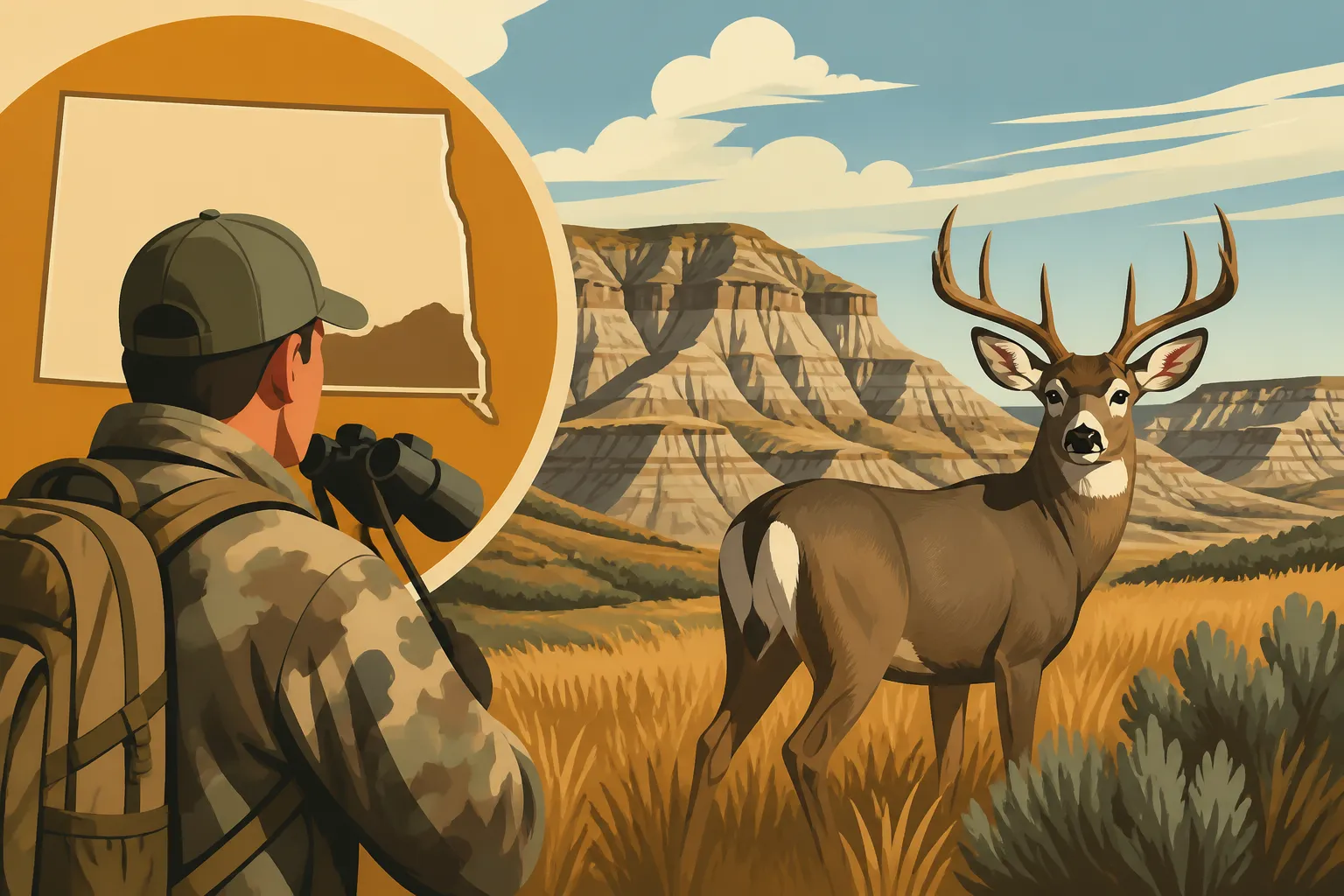
The North Dakota Badlands are truly a unique gem in the hunting world. Imagine a landscape sculpted by wind and water over millennia, creating a labyrinth of buttes, coulees, and draws that stretches as far as the eye can see. This isn't your typical flat prairie hunt. It's a place where every ridge promises a new vista, and every hidden pocket could hold the buck of a lifetime. Hunters are drawn to this region not just for the potential of big mule deer, but for the sheer challenge and raw beauty of it all. It’s a hunt that demands physical stamina, sharp eyes, and a deep appreciation for wilderness. The sense of solitude and the feeling of being a small part of something vast and ancient is an experience many hunters yearn for.
Beyond the aesthetics, the Badlands have a well-deserved reputation for producing mature mule deer bucks. The rugged terrain provides ample cover and sanctuary, allowing bucks to grow old and develop impressive headgear. The hunting here is often a game of patience and long-range glassing, followed by careful, calculated stalks. It’s a hunt that tests your abilities and rewards your perseverance, making any successful harvest all the more meaningful.
Understanding Mule Deer Behavior in the Badlands
Mule deer are perfectly adapted to their Badlands home. Unlike their whitetail cousins who prefer denser cover, mule deer thrive in the open, broken country. They use the draws, ravines, and sagebrush flats to their advantage, often bedding on a high point where they can survey their surroundings. Spotting them can be a challenge; they blend incredibly well with the muted tones of the Badlands landscape. Their large ears, which give them their name, are constantly swiveling, picking up the slightest sound, and their keen eyesight makes them difficult to approach undetected.
During the early season, mule deer might be found in bachelor groups, often moving from bedding areas to water sources and feeding grounds at dawn and dusk. As the rut approaches, typically in early to mid-November, their behavior changes dramatically. Bucks become more active, chasing does and challenging rivals, making them slightly more visible, though still incredibly wary. Understanding these seasonal shifts and how mule deer use the topography – often slipping silently through coulees or over a ridge – is fundamental to hunting them effectively. This knowledge is precisely where a good guide truly shines, knowing the preferred bedding areas, travel corridors, and even specific hidey-holes bucks might use depending on wind direction and time of day.
Navigating the North Dakota Mule Deer Tag Lottery
Before you even start dreaming about spotting a giant buck in a Badlands coulee, you have to face the cold, hard reality of drawing a tag. North Dakota's mule deer tags are coveted, and for good reason.
The Reality of Drawing a Mule Deer Tag
Let's be blunt: drawing a North Dakota mule deer tag is tough, especially for non-residents. These tags are limited, and demand far outstrips supply. It's not uncommon for hunters to apply for many years before successfully drawing a coveted tag. This isn't a state where you can just show up and buy an over-the-counter mule deer license; it operates on a lottery system designed to manage the herd and distribute opportunities fairly. Frustration is a common emotion when you see those "unsuccessful" notifications year after year, but patience and persistence are key. Many successful hunters treat the application process as an annual ritual, knowing that eventually, their number might come up.
The state uses a preference point system for deer, which means that for every year you apply unsuccessfully, you gain a point, theoretically increasing your odds in subsequent years. However, even with preference points, it's far from a guarantee. The best strategy is to apply diligently every year, accumulate those points, and hope for the best. Keep in mind that different units might have different drawing odds, so doing your research on specific Badlands units is crucial if you want to optimize your chances. North Dakota Deer Gun Lottery Application Process provides a deeper dive into how this all works.
License Options and Application Process
Beyond the specific mule deer lottery tag, you'll need to purchase a few other items to legally hunt in North Dakota. This usually includes a General Game and Habitat License, which is often a prerequisite for applying for any big game lottery. For non-residents, these costs can add up, so it's wise to budget accordingly. Understanding the fee structure is important before you commit to the application. North Dakota Nonresident Deer Gun Lottery Cost offers more specific financial details.
The application process is almost entirely online through the North Dakota Game and Fish Department's portal. It’s generally straightforward, but missing a deadline or making a mistake can cost you a year's worth of points and effort. The application period usually runs in May and June, with results typically released in July. Double-check all your information before submitting, pay attention to the unit choices, and confirm your payment. It's a good idea to mark these dates on your calendar well in advance so you don't miss out on your chance to build points or draw that elusive tag.
Deciding on a Guided Hunt: Pros and Cons
Once you've secured that precious mule deer tag, the next big decision is whether to go it alone or enlist the help of a professional outfitter. For the Badlands, a guided hunt often makes a significant difference.
Advantages of Hiring a Badlands Guide
Hunting the North Dakota Badlands is a formidable undertaking, especially if you're not intimately familiar with the terrain and the nuances of mule deer behavior there. This is where a professional guide truly earns their keep. First and foremost, guides possess invaluable local knowledge. They spend countless hours scouting, observing deer patterns, and learning the land, often on specific private leases or less-pressured public ground. This intimate understanding means they know where deer are likely to be bedding, feeding, and traveling based on wind, weather, and time of year. This alone can shave years off the learning curve.
Furthermore, many reputable Badlands outfitters have access to private land. Given the checkerboard nature of land ownership in some areas, and the pressure public land can receive, securing private access can dramatically increase your chances of success and provide a more exclusive hunting experience. Guides often come equipped with specialized gear, from sturdy 4×4 vehicles capable of navigating rough two-tracks to horses for accessing deep backcountry. Their expertise extends beyond just finding deer; they are skilled in glassing vast landscapes, executing quiet stalks in broken terrain, tracking wounded game, and proficiently field dressing your harvest. For non-residents flying in, they can also help with logistics like getting your meat processed and caped. This comprehensive support allows you to focus solely on the hunt itself, maximizing your enjoyment and opportunity.
Disadvantages and Costs of Guided Hunts
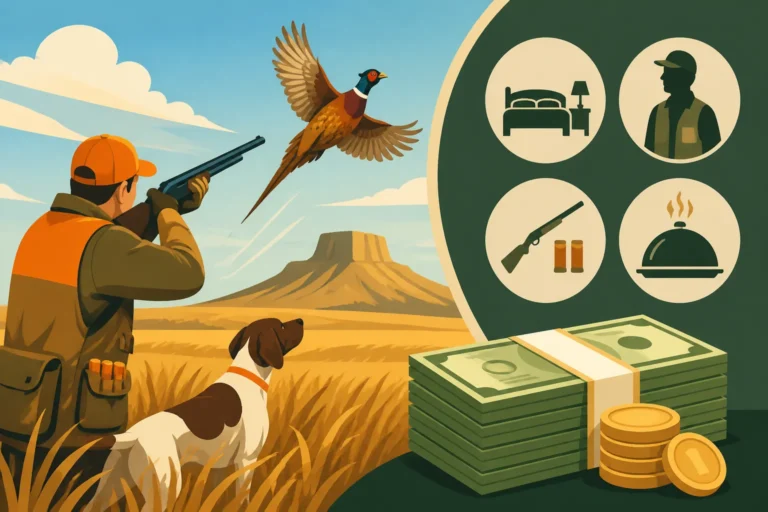
While the advantages are clear, it’s important to acknowledge that booking a guided hunt is a significant financial investment. This is arguably the biggest drawback for many hunters. Guide services in the Badlands, especially for mule deer, command a premium due to the expertise, access, and resources involved. Costs can range widely based on the duration of the hunt, the inclusions, the reputation of the outfitter, and whether it’s a fully outfitted, semi-guided, or drop camp experience. You'll need to factor in not just the guide fee, but also travel expenses, your license fees, potential meat processing and taxidermy costs, and tips for your guide. Average Cost of a Guided Badlands Mule Deer Hunt can give you a better idea of the financial commitment.
Another potential disadvantage can be differing expectations. Hunters often go into a guided hunt with visions of a guaranteed trophy, and while guides work tirelessly to put you on game, hunting is never a certainty. Weather, deer movement, and sheer luck all play a role. It’s crucial to have realistic expectations and to communicate clearly with your outfitter about what their services entail and what is not included. For instance, What's Included in a North Dakota Deer Package breaks down typical inclusions like lodging and meals, but things like special requests for certain types of terrain or specific trophy sizes might come at an additional cost or simply be beyond the scope of a standard package. Always get a clear understanding of the "total package" before you commit.
Vetting and Booking Your North Dakota Mule Deer Outfitter
Finding a reputable outfitter is paramount to a successful and enjoyable Badlands mule deer hunt. This isn't a decision to take lightly; you're investing a lot of time and money, and you want to ensure you're in good hands.
Researching and Identifying Reputable Outfitters
The first step in booking a guided hunt is thorough research. Start by searching online for North Dakota Badlands mule deer outfitters. Websites like BookYourHunt can be a useful starting point, offering a directory of outfitters, but remember to always follow up with direct verification. Look for outfitters with a strong online presence, positive testimonials, and clear descriptions of their services. Pay attention to how long they’ve been in business and if they specialize in mule deer or the Badlands region specifically. Referrals from trusted hunting friends or forums can also be invaluable, offering firsthand accounts of an outfitter’s performance and professionalism.
Once you have a shortlist, delve deeper. Check with the North Dakota Game and Fish Department to see if outfitters are required to be licensed and if any complaints have been filed. Many states have specific regulations for guides and outfitters, and ensuring yours is compliant offers a layer of protection. Don't shy away from asking outfitters for a list of past clients you can contact as references. Speaking directly with previous hunters can provide incredibly candid insights into what to expect regarding hunt success, camp conditions, guide personality, and overall experience. Websites like GoHunt might also offer resources or forums where you can find discussions or reviews related to specific outfitters. Take all this information with a grain of salt and weigh it against your own priorities and budget.
Key Questions to Ask Before Booking
When you finally get an outfitter on the phone, be prepared with a list of targeted questions. This conversation is your chance to clarify everything and ensure they’re the right fit for you. Ask about their typical success rates for mule deer in the Badlands – and press them on what "success" truly means (harvest opportunity versus actual harvest). Inquire about their guide-to-hunter ratio; a lower ratio usually means more personalized attention. Questions to Ask a North Dakota Outfitter provides a comprehensive list of inquiries, but some crucial ones include:
- What are the physical demands of the hunt? The Badlands are rugged, so be honest about your fitness level.
- What kind of terrain will we be hunting? Will it be draws, flats, coulees, or a mix?
- What gear do they recommend bringing? Specific optics, clothing layers, and footwear are critical.
- What happens if I don't draw my tag? Understand their deposit and cancellation policy in this scenario, as it’s a very real possibility.
- What is their philosophy on ethical hunting and fair chase?
- Can they provide references from hunters who hunted mule deer with them in the last year or two?
Understanding their deposit and cancellation policies is particularly vital, especially for a lottery-based hunt. Many outfitters require a significant deposit to hold your spot, and you need to know what happens to that deposit if you're unsuccessful in drawing a tag, or if unforeseen circumstances force you to cancel. A clear, written policy is essential.
Understanding Contracts and Inclusions
Never book a guided hunt without a formal written contract. This document is your protection and clearly outlines the agreement between you and the outfitter. Read it thoroughly, ask questions about anything unclear, and ensure all verbal agreements are included in writing. The contract should detail the dates of your hunt, the specific species you’re pursuing (mule deer in the Badlands), the total cost, and the payment schedule.
Crucially, the contract needs to specify what’s included and what’s not. Common inclusions are meals, lodging at their camp or lodge, and transportation during the hunt. However, many things are typically not included. This might encompass your North Dakota hunting licenses and tags, meat processing, taxidermy services, alcoholic beverages, and personal gear. You will also need to factor in gratuities for your guide and any camp staff, which are customary in the outfitting industry. Being absolutely clear on these inclusions and exclusions upfront prevents any unwelcome surprises when you arrive or at the end of your hunt. A good outfitter will be transparent about these details, and a solid contract will reflect that.
| Feature | Self-Guided Badlands Mule Deer Hunt | Guided Badlands Mule Deer Hunt |
|---|---|---|
| Cost | Lower initial investment (licenses, gear, travel, food, lodging) | Higher initial investment (outfitter fees, licenses, gear, travel, tips) |
| Local Knowledge | Requires extensive personal scouting, research, and learning curve | Access to guide's years of experience, current scouting information |
| Gear/Logistics | Responsible for all equipment, transportation, camp setup, processing | Outfitter typically provides specialized vehicles, horses, camp/lodge, helps with processing |
| Success Odds | Highly variable, dependent on personal skill, luck, and preparation | Generally higher due to expertise, private land access, and resources |
| Physical Demand | Requires high physical fitness and self-reliance | Still requires good fitness, but guide assists with planning, recovery |
| Access | Limited to public lands unless private permission is secured | Often includes access to private leases or less-pressured areas |
Preparing for Your Badlands Mule Deer Adventure
The Badlands isn't a place for the faint of heart, or for the unprepared. Proper physical and mental readiness, coupled with the right gear, can make all the difference between an incredible hunt and a miserable one.
Physical Conditioning for Rugged Terrain
Let's be very clear: hunting mule deer in the Badlands is physically demanding. This isn't a walk in the park. You'll be climbing steep, often crumbly, clay buttes, descending into deep coulees, and navigating rough, uneven terrain for miles each day. The relentless ups and downs, combined with potential high winds or even early season heat, can quickly wear down even a fit individual. If you're not in good shape, your hunt will suffer, and your enjoyment will diminish. Physical Prep for Badlands Elk Terrain provides excellent advice that is directly applicable to mule deer hunting in this challenging landscape.
Start preparing months in advance. Focus on cardiovascular endurance – hiking with a weighted pack, trail running, or stair climbing are all excellent. Build leg strength through squats and lunges. Don't forget core strength, which helps with stability on uneven ground. While a guide can often get you closer to the action, the final miles and the crucial stalk will be on your own two feet, and you need to be ready. There's nothing worse than having the opportunity of a lifetime only to be too winded or sore to capitalize on it.
Essential Gear and Equipment
The right gear is crucial for comfort, safety, and success in the Badlands. Your packing list will look a bit different than for a whitetail hunt in timber. High-quality optics are perhaps the most vital piece of equipment for a Badlands mule deer hunter. A good pair of 10x binoculars is indispensable for spotting deer at a distance, and a powerful spotting scope (20-60x or similar) on a sturdy tripod will allow you to evaluate bucks from miles away, saving you countless steps. Don't skimp on these.
Beyond optics, layered clothing is essential. North Dakota weather can be notoriously unpredictable, swinging from mild to frigid, or calm to fiercely windy, all in a single day. Pack moisture-wicking base layers, insulating mid-layers, and a waterproof/windproof outer shell. Your boots are equally critical – they need to be broken in, supportive, and comfortable for covering rough ground. A reliable rangefinder, a solid backpack for carrying essentials, and a shooting system (bipod, shooting sticks) are also must-haves. For a more exhaustive list, Packing for an Eight-Day North Dakota Elk Hunt offers fantastic general guidance that applies broadly to Badlands big game hunts. Your guide will likely provide a more specific gear list tailored to your particular hunt dates and style.
What to Expect During Your Hunt
Embarking on a guided mule deer hunt in the North Dakota Badlands is an adventure, and knowing what the day-to-day might look like can help manage expectations and enhance your experience.
The Daily Rhythm of a Guided Mule Deer Hunt
A typical guided mule deer hunt in the Badlands starts early, often before first light. You'll likely be out in the field long before dawn, glassing potential bedding areas as the sun begins to illuminate the landscape. Days are often spent meticulously glassing vast stretches of country from high vantage points, methodically picking apart every coulee, draw, and ridge line. This is where patience pays off. Your guide will be invaluable here, having an intimate knowledge of where to set up for optimum viewing and how to interpret the subtle signs of deer movement. Glassing Badlands Coulees for Elk details techniques that are just as effective for spotting those elusive mule deer.
Once a desirable buck is spotted, the real work begins. Your guide will strategize a stalk, factoring in wind direction, terrain features, and the deer's behavior. This can involve long, quiet walks, belly crawls, or taking advantage of topographical features to remain unseen. The Badlands terrain itself can be your friend or foe during a stalk; understanding how to use its broken nature to your advantage is a skill a good guide possesses. Expect to be flexible and adaptable, as mule deer are masters of evasion, and plans can change in an instant. The midday might involve a quick bite in the field, or a return to camp for a short break, depending on deer activity and weather. Evenings often involve discussions about the day's events and planning for the next. Hunting a Badlands Draw for Mule Deer offers more insights into the specific tactics used in this unique landscape.
Ethical Considerations and Local Regulations
As with any hunting endeavor, ethical considerations and adherence to local regulations are paramount. Your guide will certainly reinforce these, but it’s every hunter’s responsibility to understand and respect them. Always practice fair chase; this means giving the animal a reasonable chance and using ethical hunting methods. Respecting private land boundaries is critical in North Dakota. Never trespass, and always ensure your guide has proper permission for any private land you hunt.
North Dakota has specific regulations regarding legal shooting hours, antler point restrictions (in some units), and weapon types. Your guide will ensure you comply, but a basic understanding of North Dakota Legal Firearms for Deer Hunting is always beneficial. Furthermore, North Dakota, like many states, has concerns about Chronic Wasting Disease (CWD). You'll need to be aware of North Dakota's Expanding CWD Hunting Units and any mandatory CWD testing requirements in the unit you're hunting. Proper handling of your harvest, including checking it in through the official system, is also a must. North Dakota Deer Reporting Requirements explains this process, which often involves an online portal or app. Ethical hunting ensures the health of the deer herd, maintains a positive public perception of hunting, and safeguards future opportunities for all.
Disclaimer
This article is for general informational purposes only and does not constitute professional advice. Laws, prices and regulations vary by location and change over time. Consult a qualified professional for guidance on your specific situation.