What a Semi-Guided North Dakota Hunt Means
Many hunters dream of chasing big game or busting pheasants across the vast North Dakota landscape, but the idea of a fully do-it-yourself hunt can feel overwhelming with all the regulations, scouting, and logistics. On the flip side, a fully guided trip might stretch the budget or feel too restrictive for those who still crave a sense of independence. This is where a semi-guided North Dakota hunt steps in, offering that perfect middle ground for hunters seeking support without sacrificing their autonomy. This guide will help you understand exactly what a semi-guided experience entails, what you can expect across different game species, and how to choose the right fit for your next adventure.
Defining the Semi-Guided Concept in North Dakota Hunting
The term "semi-guided" often means different things to different outfitters and for various species, which can certainly lead to confusion for hunters trying to plan their trip. Essentially, it's a partnership: the outfitter provides the critical framework and resources, while you, the hunter, retain the freedom to execute the actual hunt. It’s not just a fancy way to say "we'll drop you off and pick you up," but rather a thoughtful service designed to enhance your chances of success by mitigating some of the common frustrations and unknowns.
The Spectrum of Support: Beyond DIY and Fully Guided
When you think about hunting trip structures, there's a clear spectrum. On one end, you have the completely do-it-yourself (DIY) hunt, where you handle every single detail: licenses, travel, gear, scouting, finding private land permission, or deciphering Public Hunting Land in North Dakota maps, field dressing, and game recovery. This is fantastic for experienced hunters with ample time and knowledge of the area, but it can be incredibly demanding, especially for out-of-state visitors unfamiliar with North Dakota's unique terrain and regulations.
Then there's the fully guided hunt. Here, an outfitter and their guides manage almost everything. They'll take you to the field, often provide transportation, set up decoys, call game, provide instruction, and assist with recovery. You show up, hunt, and they handle the rest. This offers the highest level of convenience and expertise, ideal for first-timers, those with physical limitations, or anyone who wants a truly hands-off experience. However, it's typically the most expensive option and offers less flexibility in terms of decision-making during the hunt itself.
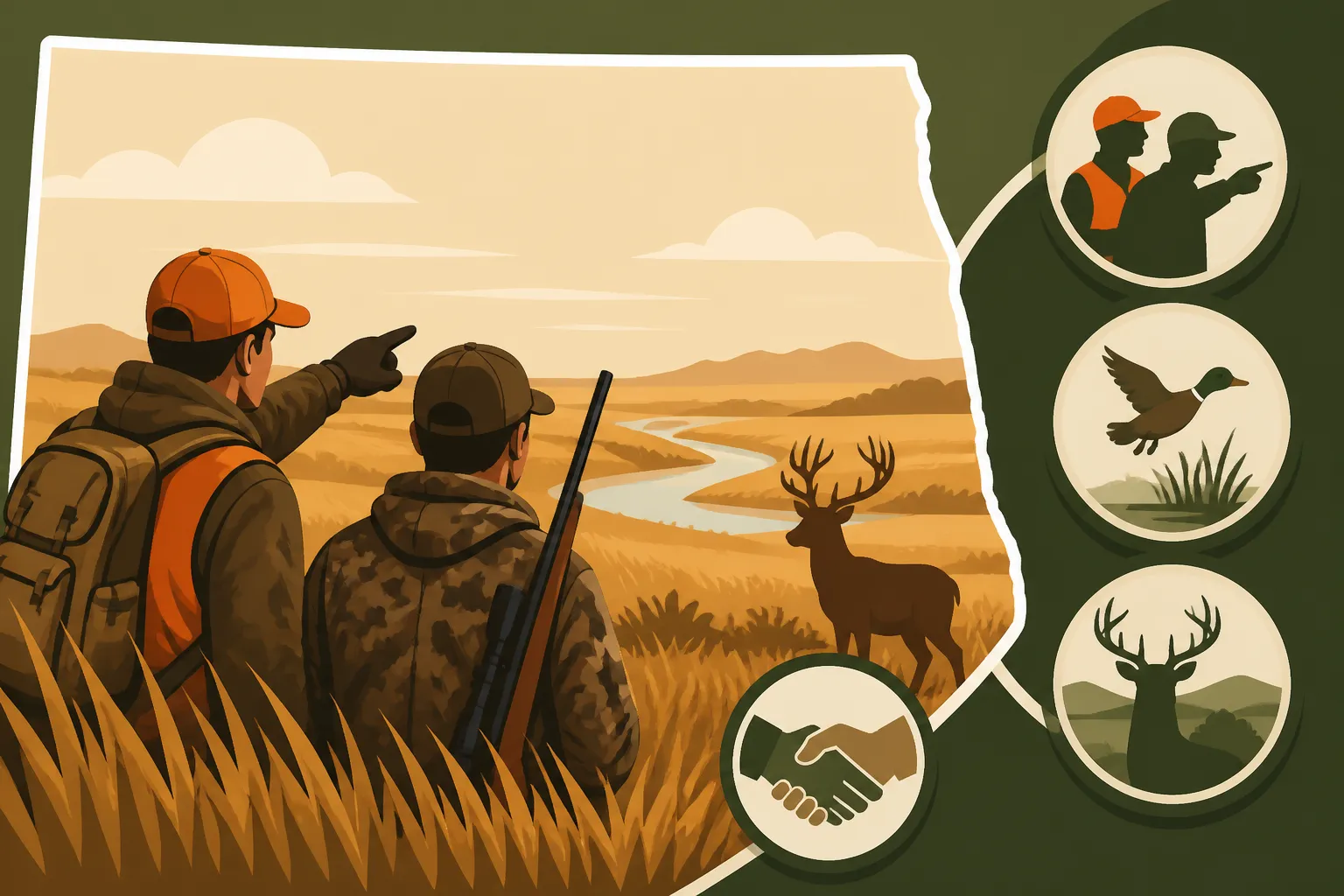
A semi-guided hunt sits squarely in the middle. It takes the heavy lifting off your plate that often deters DIY hunters, such as securing access to prime hunting ground or providing crucial local knowledge. Yet, it allows you to make your own tactical decisions in the field—where to set up your stand, how to stalk that buck, or when to call in the birds. It’s about empowering you with the tools and access to hunt effectively, without constantly looking over your shoulder. This distinction is really important, because it shapes your expectations for the cost, the level of effort required on your part, and ultimately, your overall hunting experience.
Who a Semi-Guided Hunt is For
A semi-guided hunt is absolutely perfect for a specific type of hunter. If you're someone who loves the thrill of strategizing and making your own calls in the field but simply doesn't have the time to scout thousands of acres or network with landowners, this is probably your sweet spot. It's often chosen by hunters who have some experience but are perhaps new to North Dakota's unique landscapes, like the Badlands for mule deer or the Prairie Pothole Region for waterfowl.
Consider the nonresident hunter, for instance. Navigating North Dakota Hunting Licenses and What They Cost, understanding North Dakota's Lottery-Based Deer Gun Season intricacies, and figuring out where to even begin looking for game across such a vast state can be daunting. A semi-guided service can provide pre-scouted areas, maps, and local tips that would take a DIY hunter years to accumulate. It significantly reduces the learning curve and maximizes your actual hunting time. It's also great for groups of friends or family who want to hunt together, maintain their independence, but appreciate having a "home base" and expert advice to fall back on. Think of it as having a knowledgeable local friend helping you out, rather than being led by the hand every step of the way. It maintains the challenge and satisfaction of a successful hunt that you orchestrated yourself, but with a safety net of support.
What to Expect from a Semi-Guided Deer Hunt in North Dakota
Deer hunting in North Dakota, whether it's for whitetails in river bottom timber or mule deer in the Badlands, can be incredibly rewarding. A semi-guided deer hunt aims to give you the best chance at success by taking care of some of the most challenging aspects of hunting in unfamiliar territory. It’s about leveraging local knowledge and access to put you in a prime position.
Scouting and Pre-Hunt Information
One of the biggest advantages of a semi-guided deer hunt is the legwork already done before you arrive. Outfitters offering semi-guided services typically have access to large tracts of private land or have thoroughly scouted key public parcels within their operating areas. This is huge, as finding quality deer habitat and getting permission can be half the battle, especially for nonresidents. They'll often provide detailed maps, aerial photos marked with likely travel corridors, bedding areas, and food sources.
You might receive information on recent deer movement patterns, where the bucks have been seen, or areas to avoid due to excessive pressure. This isn't about giving you a specific stand to sit in (that's more full-service guided), but rather pointing you to productive areas that have been actively scouted. Some outfitters will have trail cameras out and might share recent photos or intelligence, giving you real-time insight into the local deer population. This kind of pre-hunt intelligence is invaluable, saving you days of frustrating cold-scouting and allowing you to hit the ground running, maximizing your time in the field. They might even suggest prime areas within North Dakota's Expanding CWD Hunting Units where specific testing might be mandatory.
Access and Logistics
Securing reliable hunting access is another critical component of a semi-guided deer hunt. Many outfitters operate on large private land leases, which means you won't have to spend your precious hunting days knocking on doors hoping for permission. This also means you're often hunting ground that experiences less pressure than some of the more accessible public lands. The outfitter will provide clear instructions on how to access these properties, including boundary lines and any specific rules set by the landowner.
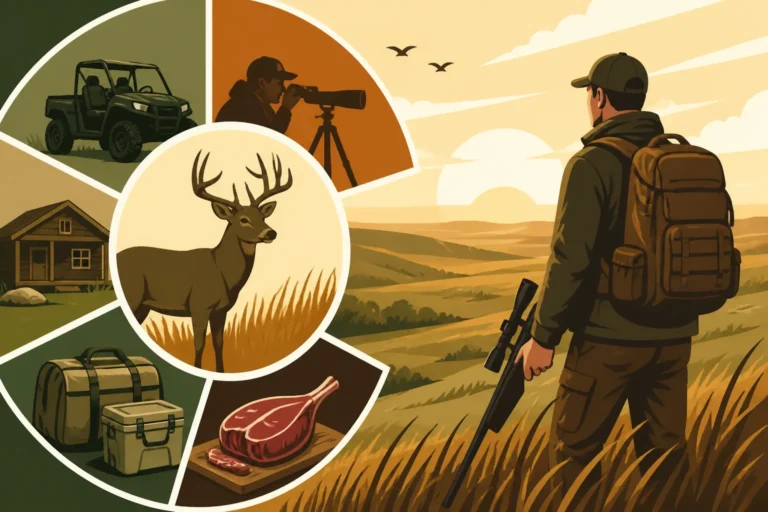
Logistically, a semi-guided hunt often includes basic accommodations, which could range from a rustic bunkhouse to a comfortable lodge. You'll likely be responsible for your own meals, but having a warm, dry place to return to each evening is a huge plus. Transportation to and from the hunting areas might be provided, or you might be given directions to drive yourself to specific access points. This flexibility allows you to use your own vehicle, which many hunters prefer for hauling gear and for a sense of independence. The outfitter's role here is to remove the logistical hurdles, leaving you free to focus on the actual hunt rather than worrying about where you'll sleep or if you're trespassing.
On-Site Assistance and Game Recovery
While you're primarily hunting independently, semi-guided services often include a level of on-site assistance. This might mean the outfitter or a designated contact is available by phone or radio to answer questions, offer advice, or assist with unexpected issues. They aren't in the stand with you, but they are generally nearby or within reasonable reach. This support can be crucial when you're hunting in unfamiliar territory, especially if you encounter a problem or simply need a second opinion on a strategy.
Perhaps the most valuable on-site assistance for a deer hunter comes with game recovery. If you harvest an animal, the outfitter will often help you track, retrieve, and transport it from the field back to a processing area. This can be a back-breaking task, especially with a large North Dakota buck, and having an ATV, side-by-side, or strong helping hands can make all the difference. They may also have facilities for initial field dressing or cold storage, which are vital for meat care, especially in warmer early season conditions. This support transforms a potential struggle into a manageable task, ensuring your hard-earned venison is properly cared for.
Semi-Guided Hunts for Upland Birds and Waterfowl
North Dakota is a mecca for bird hunters, and semi-guided options for pheasants, sharptail grouse, and waterfowl are incredibly popular. These hunts leverage the state's abundant bird populations and the outfitter's expertise in finding prime habitat and setting up successful hunts. The core idea remains the same: provide the resources and access, let the hunter do the hunting.
Pheasant and Sharptail Adventures
For upland bird hunters, a semi-guided experience for pheasants or sharptail grouse usually means you'll have access to quality private land that's been specifically managed or scouted for these birds. This can be a game-changer, as finding unpressured birds on public land can be a challenge, especially during peak season. The outfitter might provide you with maps outlining different fields, shelterbelts, or CRP (Conservation Reserve Program) ground known to hold birds. They may also suggest specific strategies, like where to walk a field or where birds tend to flush.
You'll typically be responsible for providing your own dogs (if you hunt with them), handling, and walking the terrain. The beauty here is that you're not restricted to a specific path or pace; you and your hunting partners can work the cover as you see fit. Some semi-guided options might include a brief orientation where the outfitter points out areas with recent bird activity or explains how the local cover holds birds differently than what you might be used to. This is where Walking North Dakota PLOTS Land for Pheasant and other public access areas can be a challenge for those unfamiliar with the terrain; a semi-guided hunt takes the guesswork out of finding productive ground.
Decoys, Blinds, and Waterfowl Strategy
Waterfowl hunting, with its complex setup requirements, is particularly well-suited for a semi-guided format. North Dakota sits squarely in the heart of the Prairie Pothole Region, a critical breeding and migration ground for ducks and geese. The challenge for visiting hunters is often identifying hot fields or productive sloughs, getting permission to hunt them, and then transporting and setting up elaborate decoy spreads and blinds.
A semi-guided waterfowl hunt usually means the outfitter has secured permission to hunt specific fields or wetlands that ducks and geese are actively using. They will often provide the necessary equipment: layout blinds for field hunting, permanent blinds on water, and large, realistic decoy spreads already in place. Your job is to get to the location, set up your gear within the provided blinds, and do the calling and shooting. They might give you advice on flight paths, wind direction considerations, and optimal calling sequences.
For example, on a semi-guided goose hunt, you might be directed to a cut grain field with a full spread of goose decoys and several comfortable layout blinds already deployed. All you need to bring are your guns, ammunition, and hunting clothes. This takes immense logistical pressure off your shoulders, especially when dealing with the sheer volume of decoys needed for an effective spread. The outfitter makes it easy to focus on the dynamic experience of calling in flocks of birds, rather than wrestling with hundreds of decoys in the pre-dawn darkness. Understanding the Cost of the Zone-Restricted Waterfowl License and planning around North Dakota's Nine Resident-Priority Waterfowl Days are still on you, but the hunting location itself is handled.
| Feature | Fully DIY Hunt | Semi-Guided Hunt | Fully Guided Hunt |
|---|---|---|---|
| Pre-Hunt Scouting | 100% Hunter Responsibility | Outfitter provides intel/maps | Outfitter does all scouting |
| Land Access | Hunter secures all permission | Outfitter provides access (private) | Outfitter provides access (private) |
| Transportation | Hunter provides own | Hunter may drive or be shuttled | Outfitter usually provides |
| Accommodations | Hunter arranges own | Often included (lodge/bunkhouse) | Usually included (lodge/meals) |
| Field Decisions | 100% Hunter decisions | Hunter makes tactical decisions | Guide leads decisions |
| Game Calling | Hunter provides own | Hunter provides own | Guide often calls |
| Decoys/Blinds | Hunter provides own | Outfitter often provides/sets up | Outfitter provides/sets up |
| Game Recovery | Hunter handles all | Outfitter often assists | Outfitter handles all |
| Meals | Hunter provides own | Hunter usually provides own | Often included |
| Cost | Lowest (excluding gear) | Moderate | Highest |
The Pros and Cons of a Semi-Guided North Dakota Hunt
Deciding on a semi-guided hunt requires weighing its distinct advantages against potential drawbacks. It’s about finding that sweet spot where support meets independence, and for many hunters, it strikes just the right balance. But like any hunting option, it's not a one-size-fits-all solution.
Advantages for the Savvy Hunter
One of the biggest advantages is access to private land. North Dakota has a fair amount of public land, including The PLOTS Program Explained, but quality private land is often where the best hunting opportunities lie. A semi-guided outfitter has typically cultivated relationships with landowners and secured leases, opening up prime, often less-pressured areas that would be impossible for a nonresident to access on their own. This alone can dramatically increase your chances of success.
Another significant benefit is the pre-scouted information and local knowledge. North Dakota's weather can change dramatically, and knowing where deer are feeding after an early snow, or where ducks are moving based on the current migration pattern, is invaluable. Outfitters live and breathe these conditions, and their insights can save you days of fruitless searching. They understand local patterns, like how Hunting a Standing Corn Field for Deer differs from river bottom hunting. This expertise acts as a massive shortcut, allowing you to maximize your limited hunting time. Furthermore, the cost is usually less than a fully guided hunt, making a high-quality experience more accessible while still enjoying critical logistical support, especially for complex hunts like Duck and Goose Hunting North Dakota's Potholes. This cost-effectiveness, combined with the retained autonomy, makes it an attractive option.
Potential Downsides to Consider
While semi-guided hunts offer many positives, they aren't without potential drawbacks. The primary one is the level of service. If you're expecting someone to walk you to your stand, tell you when to shoot, and track your deer without you lifting a finger, a semi-guided hunt might lead to disappointment. You are still largely responsible for your own hunting decisions and effort in the field. This can be a challenge for truly novice hunters who might benefit from more direct, moment-by-moment guidance.
Another potential issue can arise if the outfitter's communication isn't clear about what exactly is included. Vague promises can lead to unmet expectations. It's crucial to understand if they provide transportation, how much pre-scouted information is shared, or what kind of game recovery assistance is guaranteed. If the outfitter isn't responsive or detailed in their pre-trip communications, it could be a red flag. Lastly, while you get private land access, the prime spots on those properties might still be reserved for fully guided clients, or rotated in a way that sometimes leaves you with less desirable territory. It's not always guaranteed to be the "best" ground, but rather "good" ground that you have the freedom to hunt.
How to Find and Vet a Reputable Semi-Guided Outfitter
Finding the right outfitter for a semi-guided hunt in North Dakota is just as crucial as the hunt itself. A good outfitter can make your trip, providing invaluable insights and support. A bad one can lead to frustration and a wasted investment. This part of the planning takes effort, but it’s absolutely worth it.
Researching Your Options
Start your research well in advance, especially if you’re planning on hunting popular species like deer or pheasants. Online search engines are a good starting point, but don't stop there. Dive into hunting forums specific to North Dakota, where fellow hunters share their experiences—both good and bad. Look for recommendations and discussions about outfitters that offer semi-guided options. Sites like BookYourHunt or GoHunt can be useful platforms for discovering outfitters, reading reviews, and understanding the types of packages available, though remember to cross-reference with other sources.
When you find potential outfitters, visit their websites. A professional, informative website that clearly outlines their semi-guided services, what's included, and what's expected of the hunter is a good sign. Pay attention to testimonials, but also look for signs of consistent operation over several years. Don't be shy about reaching out to outfitters directly via email or phone. Ask specific questions about their semi-guided packages, the type of land they hunt, their success rates, and what level of pre-hunt information they provide. This initial contact is also a good way to gauge their responsiveness and professionalism. A clear and direct conversation is key to understanding what you're buying. Remember, Vetting a North Dakota Hunting Outfitter involves more than just a quick look at their website.
Key Questions to Ask
Once you've narrowed down a few potential outfitters, it's time to get specific. Don't assume anything. Have a list of questions ready to ensure there are no surprises once you arrive in North Dakota. This due diligence is critical for a positive semi-guided experience.
Here are some essential questions to ask:
- What specific land access is included? Are we talking about private land, North Dakota Wildlife Management Areas, or a mix? How many acres will our group have access to?
- What kind of pre-hunt scouting information do you provide? Will I receive detailed maps, aerial photos, or trail camera intel? How far in advance is this provided?
- What are the accommodations like? Are meals included, or is it strictly lodging? What amenities are available?
- What level of assistance can I expect in the field? Is there a designated contact person available by phone? What are their hours of availability?
- What's your policy on game recovery? If I harvest an animal, will you help me track and retrieve it? Is there a limit to the distance or time spent?
- Do you provide decoys or blinds for waterfowl hunting? Are they already set up, or do we need to assist?
- What are your typical success rates for semi-guided hunters for the species I'm interested in? Be wary of guarantees; realistic expectations are better.
- Can you provide references from previous semi-guided clients? This is one of the best ways to get an unbiased perspective.
- What's your cancellation policy? What happens if severe weather or unforeseen circumstances disrupt the hunt?
- What is the total cost, and what exactly does it cover? Break down any potential hidden fees or extra charges.
Asking these Questions to Ask a North Dakota Outfitter will help you compare options effectively and ensure that the semi-guided hunt you book aligns with your expectations. It's about being proactive to prevent misunderstandings and maximize your enjoyment of the hunt.
Cost Considerations for Semi-Guided Hunting
When it comes to hunting trips, cost is almost always a major factor. A semi-guided hunt, as it sits between a full DIY and a fully guided experience, also falls somewhere in the middle on the price scale. Understanding what influences these costs and what’s typically included will help you budget effectively and make an informed decision.
Understanding the Price Point
The price of a semi-guided hunt in North Dakota can vary significantly based on several factors: the species you're hunting, the duration of the hunt, the quality and exclusivity of the land access, the level of included amenities, and the reputation of the outfitter. Generally, you can expect a semi-guided hunt to be considerably less expensive than a fully guided one, but more costly than a bare-bones DIY trip where your only costs are licenses, travel, and personal gear.
Deer hunts, especially for coveted Badlands mule deer, might be at the higher end of the semi-guided spectrum due to the value of the tag and the specific terrain. Pheasant and waterfowl hunts, while often more affordable, can still vary based on whether lodging is included or if extensive decoy spreads are provided. The key is to look at the total value offered—not just the sticker price. Is the access to truly prime, low-pressure land worth the investment? Does the provided scouting information save you days of lost hunting time? Often, the value of the outfitter's local knowledge and established access far outweighs the additional cost compared to a truly DIY venture.
What's Usually Included and What's Extra
Understanding the inclusions and exclusions is paramount to budgeting for a semi-guided hunt. While specifics vary, here’s a general breakdown of what you can typically expect:
Usually Included:
- Access to Private Land: This is often the cornerstone of a semi-guided package, providing exclusive or limited-access hunting grounds.
- Pre-Scouted Areas/Intel: Maps, boundary information, and insights into current game movement patterns are standard.
- Basic Accommodations: Often a bunkhouse, cabin, or lodge stay.
- Game Recovery Assistance: Help with tracking and retrieving a harvested animal from the field.
- Heavy Equipment (for waterfowl): Decoys and blinds for duck and goose hunts are frequently provided and sometimes even set up.
Typically Extra or Your Responsibility:
- Licenses and Stamps: You are always responsible for purchasing your own North Dakota General Game and Habitat License Cost and specific tags.
- Travel to North Dakota: Airfare or fuel for driving to the hunting area.
- Food and Beverages: Unless specified, meals are usually on you.
- Personal Hunting Gear: Firearms, ammunition, clothing, boots, and optics.
- Game Processing/Taxidermy: While recovery assistance is common, actual processing or taxidermy services are rarely included.
- Tips for Staff: It’s customary to tip any staff who assist you, even on a semi-guided hunt.
- Transportation During the Hunt: You might drive yourself to pre-determined access points.
- Dogs/Dog Food: If you hunt with dogs, they are your responsibility.
Always get a clear, itemized breakdown of costs from the outfitter. This will prevent any unpleasant surprises and allow you to compare packages accurately. Consider discussing what a typical Self-Guided North Dakota PLOTS Land Pheasant Hunting Costs might be and compare it to the semi-guided option, including all potential expenditures like fuel, lodging, and unexpected costs if you run into issues on your own. This comprehensive approach will help you determine the true value of a semi-guided experience.
Disclaimer
This article is for general informational purposes only and does not constitute professional advice. Laws, prices and regulations vary by location and change over time. Consult a qualified professional for guidance on your specific situation.