Booking an Outfitter Through a Badlands Elk Consultant
The dream of drawing a North Dakota elk tag is a significant milestone for many hunters, but the reality of securing one and then finding the right outfitter for such a unique, limited opportunity can feel overwhelming. It’s a specialized hunt in rugged country, and navigating the nuances of the lottery, unit choices, and reputable guides can be a full-time job in itself. This guide will walk you through how an elk hunt consultant can be an invaluable partner in making your Badlands elk hunt a successful and memorable experience, cutting through the confusion and connecting you with the expertise you need.
The Unique Landscape of North Dakota Elk Hunting
Hunting elk in North Dakota, especially in the rugged Badlands, isn't your everyday hunting trip. It’s often a once-in-a-lifetime opportunity for residents, and securing a tag is a complex process. This makes every decision, from the application to the guide you choose, incredibly important.
The Elusive North Dakota Elk Tag
First and foremost, you need to understand the profound rarity of an elk tag in North Dakota. Unlike deer or pheasant, elk tags are issued through a highly competitive lottery system, and for most, it's considered a North Dakota's Once-in-a-Lifetime Big Game Licenses. This means if you're lucky enough to draw, it might be your only shot. The application process itself requires careful attention to detail, choosing specific units, and often accumulating preference points over many years. Missing a deadline, misunderstanding unit boundaries, or making a suboptimal unit choice can effectively cost you years of waiting. The emotional investment in drawing one of these tags is immense, with hunters dedicating considerable time, effort, and hope to the annual draw. For non-residents, the odds are even steeper, making the application strategy critical.
Why the Badlands is Prime, Yet Challenging, Elk Country
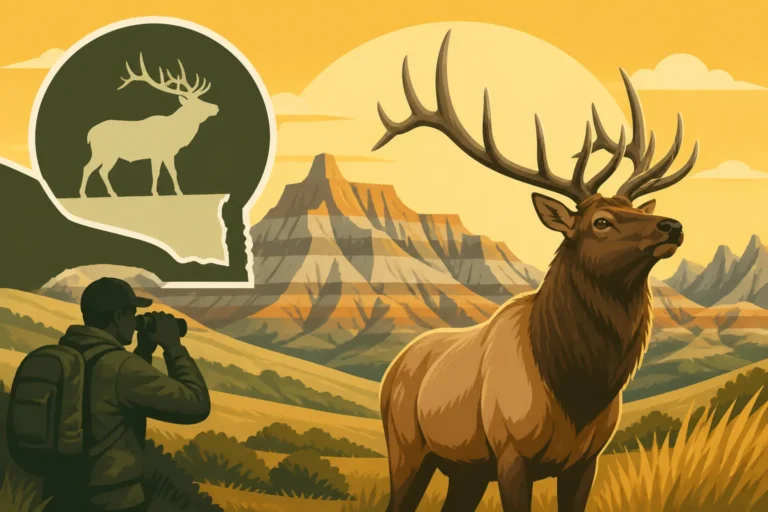
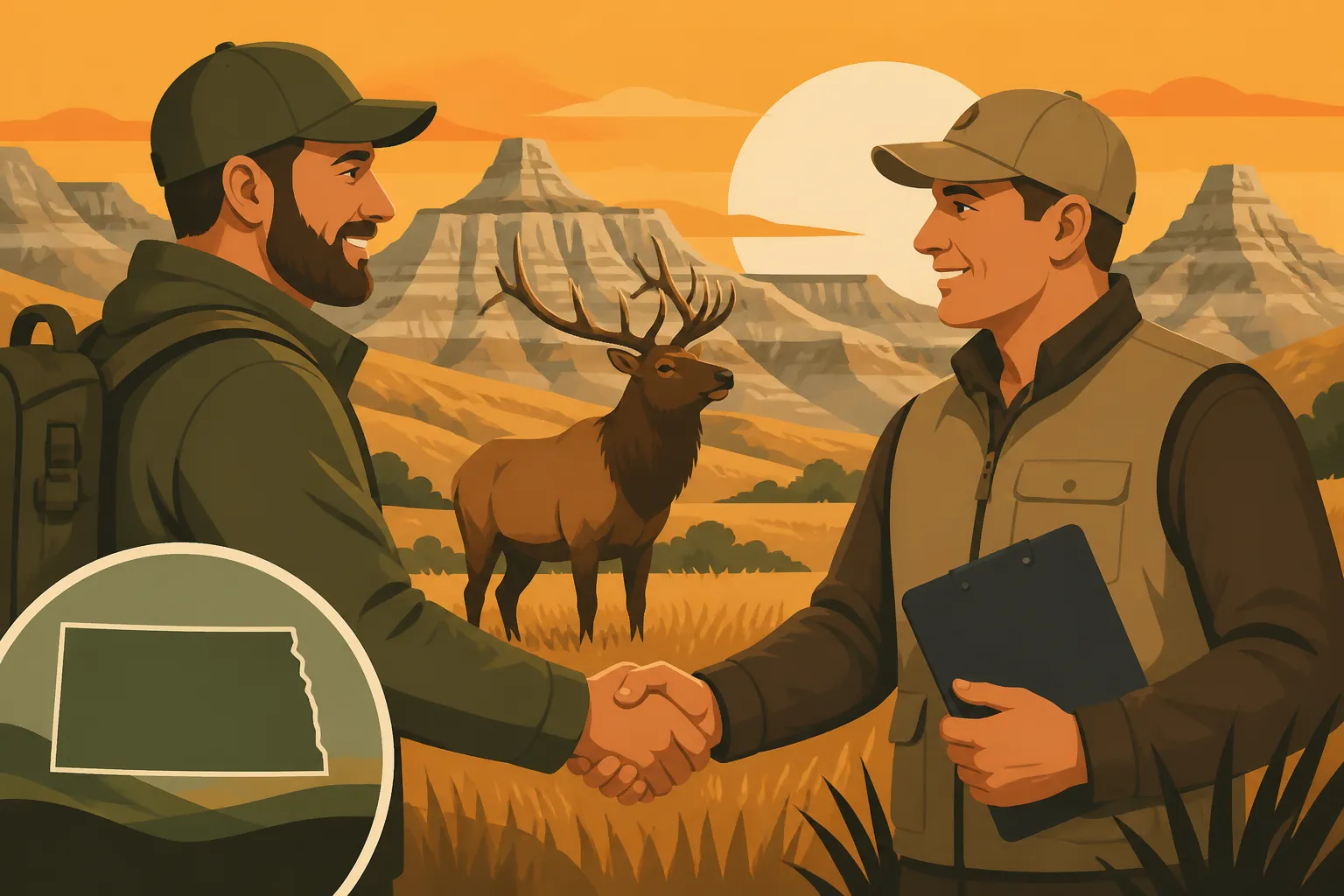
North Dakota's Badlands, particularly the Little Missouri National Grassland, offers incredible scenery and habitat for elk, but it's also incredibly demanding terrain. This is not flat prairie hunting; think steep coulees, broken mesas, and vast expanses where cover can be sparse. Elk here are often concentrated in specific areas, but finding them requires extensive glassing, physical endurance, and a keen understanding of wind and thermals. Elk Hunting North Dakota's Badlands truly tests a hunter's resolve. The challenges range from navigating the rugged topography and dealing with unpredictable weather to simply locating the animals in such a vast and broken landscape. It’s not just about spotting an elk; it's about closing the distance in unforgiving country, often far from roads or easy access. This terrain demands specific hunting skills, from precise shot placement after a grueling stalk to field dressing and packing out an animal from a remote, steep draw.
Differentiating Outfitters from Consultants
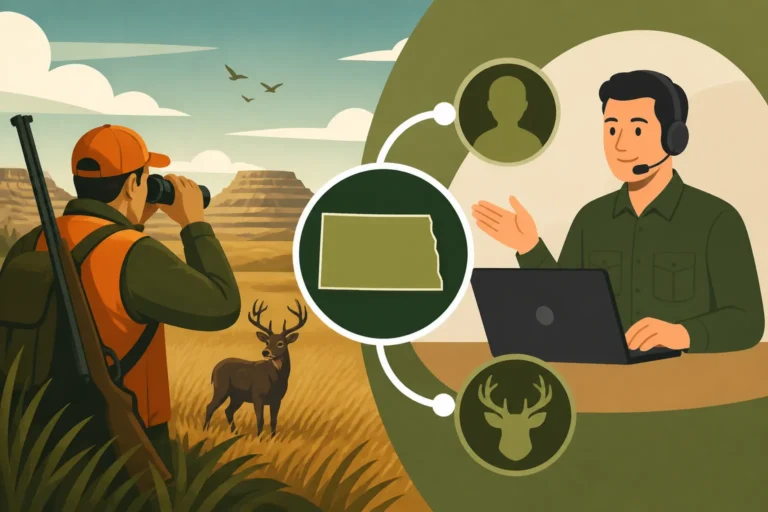
It's crucial to understand the difference between an outfitter and a consultant, especially when dealing with a high-stakes hunt like North Dakota elk. An outfitter provides the actual hunting experience: guides, lodging, food, transportation in the field, and often helps with game recovery and processing. They are the boots on the ground, leading you directly to the elk. A consultant, on the other hand, acts as an intermediary or advisor. They don't guide the hunt themselves. Instead, they specialize in understanding the complex regulations, lottery systems, and the reputations of various outfitters across different regions. For North Dakota elk, where drawing the tag is the first monumental hurdle, a consultant's expertise in the North Dakota Elk Lottery Application Process and connecting you with the right outfitter for the specific unit you draw can be invaluable. They essentially help you plan the entire journey, from application strategy to outfitter selection, while the outfitter handles the actual hunt.
The Strategic Advantage of an Elk Hunt Consultant
Given the unique nature of North Dakota elk hunting, relying on an expert who understands the entire process can significantly improve your chances of a successful hunt, both in drawing a tag and having a quality experience once you do.
Navigating the Complexities of License Applications
The North Dakota elk lottery system is far from simple. It involves specific application periods, understanding preference point systems, and making informed decisions about which units to apply for. This can be a maze for even experienced hunters from out of state, or even residents who haven't tracked the nuances year after year. An elk hunt consultant specializes in this. They stay on top of all the regulatory changes, application deadlines, and unit-specific success rates. They can guide you through the process, helping you choose the best units based on your goals (e.g., trophy potential, higher draw odds for antlerless, etc.) and manage your preference points strategically. They ensure you submit a flawless application by the North Dakota Elk Application Deadline, avoiding common pitfalls that could lead to disqualification or a missed opportunity. This meticulous attention to detail can be the difference between spending years fruitlessly applying and finally getting that coveted tag.
Connecting with Proven Badlands Outfitters
Once you've drawn that golden ticket, the next challenge is finding a reputable outfitter who truly specializes in North Dakota Badlands elk. This isn't a state teeming with elk outfitters like some western states, and finding one with a proven track record, ethical practices, and an intimate knowledge of the Badlands is crucial. This is where a consultant truly shines. They often have established relationships with a select few, high-quality outfitters who regularly hunt the Badlands. They've vetted these operations, reviewed their success rates, and understand their hunting styles. Instead of you spending countless hours researching, making calls, and sifting through online reviews (though tools like BookYourHunt and GoHunt can certainly aid independent research, a consultant can cut through the noise), the consultant provides curated recommendations tailored to your specific hunt. They can tell you about a guide's experience with Spot-and-Stalk Elk in the Little Missouri Badlands or their approach to dealing with the unpredictable Badlands weather. This saves you immense time and stress, ensuring you're matched with an outfitter capable of delivering on the promise of a North Dakota elk hunt.
Customizing Your Once-in-a-Lifetime Hunt
Because a North Dakota elk tag is often a "once-in-a-lifetime" opportunity, every hunter wants to make the most of it. A consultant goes beyond just booking a trip; they help customize the experience to align with your personal goals and capabilities. Do you want a physically demanding backcountry hunt, or do you prefer something with more accessible terrain? Are you hoping for a record-book bull, or is the experience of harvesting any legal elk paramount? Are you comfortable Packing for an Eight-Day North Dakota Elk Hunt or do you need something with less strenuous logistics? The consultant will ask these probing questions during an initial consultation to understand your hunting style, physical fitness level, and desired outcomes. They can then work with their network of outfitters to find one that can specifically cater to these preferences, whether it's ensuring the outfitter has specialized gear for Glassing Badlands Coulees for Elk or providing dietary accommodations in camp. This tailored approach ensures that when you finally step foot in the Badlands with your tag, the hunt is designed to maximize your personal enjoyment and success.
Engaging with an Elk Hunt Consultant: What to Expect
When you decide to bring an elk hunt consultant into your planning, it's a process that involves clear communication, understanding financial agreements, and reviewing documentation carefully. Think of it as building a partnership to achieve your hunting goals.
The Initial Discovery Call and Goal Setting
The relationship with an elk hunt consultant typically begins with a detailed discovery call. This isn't just a casual chat; it's a deep dive into your hunting aspirations, experience, and practical considerations. The consultant will ask about your previous hunting history, your physical conditioning, and what specifically draws you to a North Dakota elk hunt. They'll want to know if you're aiming for a trophy bull, or if the experience of hunting elk in such unique country is the primary goal. They'll inquire about your availability for hunting dates, your budget, and any special requirements you might have, such as specific weapon preferences (e.g., archery vs. rifle) or physical limitations. This is also your opportunity to ask questions about their experience with North Dakota elk, their network of outfitters, and their overall approach. They'll use this information to build a profile of your ideal hunt, which will then guide their recommendations and planning. It's a critical step in ensuring alignment between your expectations and what the consultant can realistically deliver.
Understanding Fee Structures and Service Tiers
Elk hunt consultants operate with various fee structures, and it's essential to understand these upfront to avoid any surprises. Some consultants charge a flat fee for their services, which might cover everything from application assistance to outfitter selection and pre-hunt logistics. Others may work on a commission basis, receiving a percentage of the outfitter's fee, meaning their services might seem "free" to you directly, but the cost is factored into the overall hunt package. Still, others might offer tiered services, where a basic package covers application help and outfitter referrals, while a premium package includes more intensive personalized planning, gear recommendations, and ongoing support.
| Service Tier | Typical Services Included | Payment Structure Example |
|---|---|---|
| Basic Plan | Application assistance, unit recommendation, 1-2 outfitter referrals | Flat fee (e.g., $X00) |
| Standard Plan | All Basic, plus detailed outfitter vetting, logistics advice, pre-hunt checklist | Flat fee + percentage of hunt cost |
| Premium Plan | All Standard, plus ongoing support, gear consultation, post-hunt follow-up, travel planning | Higher flat fee or higher percentage |
Always get a clear, itemized breakdown of costs and what exactly is included in your chosen service tier. Ask if there are any hidden fees, such as consultation charges if you don't book a hunt, or if travel expenses for the consultant are ever passed on to you. Transparency here is key to a healthy working relationship.
Reviewing Contracts and Logistics
Once an outfitter is selected through your consultant, you will typically enter into a contract directly with the outfitter. However, your consultant should be instrumental in helping you understand and review these agreements. They can point out critical clauses related to payment schedules, cancellation policies, refund terms, and what is explicitly included (e.g., food, lodging, guide-to-hunter ratio, transportation during the hunt) versus what is not (e.g., licenses, processing, taxidermy, personal gear). For a specialized hunt like North Dakota elk, pay close attention to clauses regarding unforeseen circumstances like severe weather, wildfires, or other natural events that could impact the hunt. Your consultant might also have their own service agreement with you, outlining their responsibilities and your expectations. Don't hesitate to ask for clarification on any ambiguous language. This meticulous review ensures that both you and the outfitter are on the same page, minimizing misunderstandings and protecting your investment in this North Dakota Elk Hunt Success Rates opportunity.
Crucial Due Diligence Before Committing
Engaging a consultant and booking an outfitter for a North Dakota elk hunt is a significant investment of time, money, and emotional energy. Therefore, thorough due diligence on both the consultant and the proposed outfitter is absolutely essential.
Vetting Your Chosen Consultant
Even when working with a consultant, it’s vital to ensure they are reputable and experienced. Start by asking for references from past clients who have booked similar once-in-a-lifetime hunts, particularly North Dakota elk if possible. Reach out to these references and ask specific questions about their experience: Was the consultant responsive? Did they deliver on their promises? Were there any unexpected issues, and how were they resolved? You can also check if the consultant has any affiliations with professional hunting organizations or holds specific certifications. While online platforms like BookYourHunt or GoHunt are primarily for finding outfitters, they sometimes have review sections for consultants too, or you can leverage general online searches for testimonials. A good consultant will be transparent and eager to provide proof of their expertise and client satisfaction. Don't underestimate the value of a solid reputation in this specialized field.
Essential Questions for Potential Outfitters (Through Your Consultant)
Once your consultant has identified potential outfitters, work closely with them to formulate a comprehensive list of questions. While the consultant acts as your advocate, you need to be comfortable with the direct service provider. Here are some key areas to cover:
- Experience & Knowledge: How long has the outfitter been guiding elk in this specific unit? What is their understanding of the local elk movements and behaviors? How do they handle diverse weather conditions in the Badlands?
- Success Rates: While overall success rates can be misleading, ask about their typical success rate for elk in your chosen unit, and importantly, for clients who drew a tag in that unit. Discuss what "success" means to them (opportunity vs. harvest).
- Guide-to-Hunter Ratio: What is the typical guide-to-hunter ratio? For a once-in-a-lifetime elk hunt, a 1:1 or 1:2 ratio is generally preferred to maximize personalized attention.
- Camp Logistics: Describe the lodging, food, and amenities. What kind of physical shape should hunters be in? What about emergency plans?
- Ethical Practices: How do they ensure fair chase? What are their policies on wounded animals? What steps do they take to minimize impact on the environment?
- References: Request references from hunters who have recently hunted elk with them, ideally within the last year or two, and follow up diligently.
Your consultant should be able to get these answers for you or facilitate direct communication. They should also provide insights into the nuances of Hunting North Dakota's Badlands Mule Deer Country if there's any overlap with preferred elk habitat, demonstrating their local expertise.
Preparing Yourself for the Rigors of a Badlands Elk Hunt
North Dakota's Badlands are beautiful but unforgiving. An elk hunt here is physically demanding, so preparation is not just about gear; it's about your body and mind. The consultant can guide you on what to expect, but the onus of preparation falls to you. You'll likely be hiking significant distances over uneven, steep terrain, often at elevation gains and descents. Physical Prep for Badlands Elk Terrain cannot be overstated. Start a rigorous training regimen months in advance, focusing on cardiovascular endurance, leg strength, and carrying weight. Practice shooting your chosen weapon from various positions, especially after elevated heart rates. Mentally, prepare for long days, unpredictable weather, and the potential for a physically taxing pack-out. Ensure your gear is up to snuff—quality boots, layered clothing suitable for prairie extremes, and reliable optics are paramount. A consultant might recommend specifics, but your commitment to being physically and mentally ready will profoundly impact your hunt experience.
Maximizing Your Badlands Elk Hunt Experience
Even with the best consultant and outfitter, the success of your North Dakota elk hunt ultimately depends on a combination of preparation, communication, and adaptability once you're in the field.
Effective Communication with Your Guide and Consultant
Once your hunt is booked, consistent and clear communication is vital. Before the hunt, have a detailed conversation with your outfitter about their expectations and any last-minute questions you have. Confirm meeting points, gear lists, and any specific dietary needs. Share your current physical fitness level openly so they can tailor the hunt realistically. During the hunt, maintain open dialogue with your guide. Don't be afraid to voice concerns or ask questions. If you're struggling physically, communicate that. If you have a specific shot preference or a limit on how far you're willing to track, make it known beforehand. After the hunt, provide constructive feedback to your consultant and outfitter. This helps them improve their services for future clients and maintains a good relationship. Your consultant can also act as a bridge if any communication challenges arise, ensuring your needs are understood and addressed.
Embracing Flexibility and Realism in the Field
The Badlands are wild, and a hunting plan made weeks or months in advance can change instantly due to weather, elk movement, or other hunters. Embrace flexibility. Be prepared for long days, early mornings, and late nights. The terrain might be tougher than expected, or the elk might be in a different area than scouted. Your guide will adapt, and you should too. Hunting is not always glamorous; it involves pushing through fatigue, staying positive through slow periods, and sometimes, enduring uncomfortable conditions. Be realistic about North Dakota Elk Hunt Success Rates; while outfitters strive for 100%, hunting wild animals is unpredictable. Focus on the experience – the camaraderie, the stunning landscapes, the challenge of the chase – rather than solely on the harvest. Whether you're Hunting the Early Antlerless Elk Period or chasing a trophy bull, the journey itself is a reward. Trust your guide's expertise, follow their instructions, and be ready to put in the effort required.
Post-Hunt Logistics and Feedback
After a successful hunt, logistics become paramount. Your consultant can provide valuable advice on meat processing facilities near your hunt unit, ensuring your venison is handled properly, especially in a North Dakota's Expanding CWD Hunting Units where specific regulations might apply. They can also connect you with reputable taxidermists if you harvested a trophy. Make sure you understand the requirements for registering your harvest and any specific check station procedures. Transporting your meat and trophy home requires careful planning, and a consultant can offer guidance on coolers, shipping, and airline regulations. Finally, take the time to provide comprehensive feedback to both your outfitter and your consultant. What went well? What could have been better? Your honest assessment is invaluable for maintaining quality standards and helping future hunters. Sharing your experience contributes to the hunting community and ensures that North Dakota elk hunts continue to be ethically guided and managed.
Disclaimer
This article is for general informational purposes only and does not constitute professional advice. Laws, prices and regulations vary by location and change over time. Consult a qualified professional for guidance on your specific situation.