Hunting the Early Antlerless Elk Period
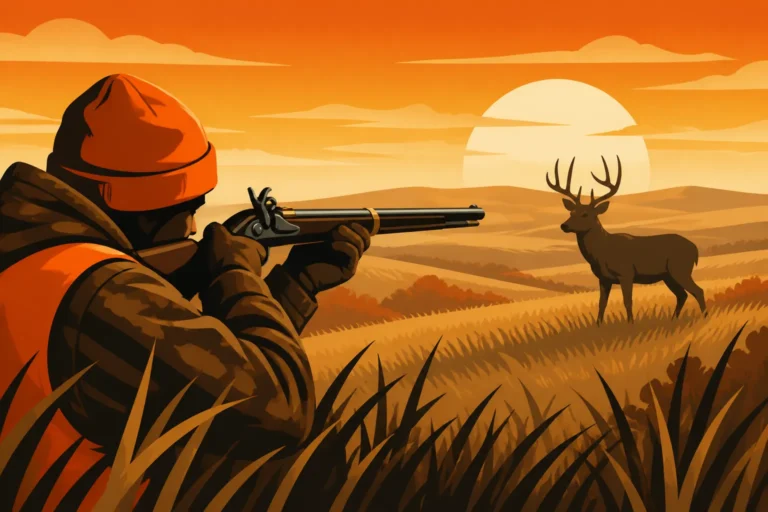
Drawing one of North Dakota's coveted elk tags is a monumental achievement, a once-in-a-lifetime opportunity for many. But the excitement can quickly turn to a bit of apprehension as you realize just how unique and challenging elk hunting in the Badlands truly is, especially during the early antlerless period. This isn't your typical whitetail hunt; these majestic animals roam vast, rugged terrain, and success hinges on a deep understanding of the regulations, the land, and the specific strategies that apply to an early season antlerless tag. This guide will walk you through everything you need to know to maximize your chances, from deciphering the season specifics to effective hunting techniques and crucial post-harvest care.
Understanding North Dakota's Early Antlerless Elk Season
Securing an elk tag in North Dakota is a testament to perseverance, often requiring years of applying through the lottery. When you finally draw that tag, especially for an antlerless elk in the early season, it opens up a world of specific considerations. This period is distinct and offers its own set of challenges and advantages compared to later, colder seasons.
Deciphering the Early Antlerless Elk Period
The "early antlerless" period is exactly what it sounds like: a specific timeframe, typically in late August or early September, designated for hunting female elk or calves that do not possess antlers. This season is designed by the North Dakota Game and Fish Department (NDGFD) to manage elk populations by targeting cows and young animals, which directly impacts herd growth and distribution. It’s crucial to know that while some units have an "any elk" tag, many of the available tags, particularly for non-residents (though these are exceedingly rare as Why Elk, Moose and Pronghorn Stay Resident-Only), are antlerless.
This early season means you're hunting in warmer weather, often still very dry, which impacts elk behavior and your own hunting strategy. Elk will be less concentrated around traditional rutting areas and more focused on summer feeding patterns and water sources. Understanding these nuances is key to turning your precious tag into a successful harvest. For anyone still dreaming of that tag, remember the North Dakota Elk Lottery Application Process is the first step in this incredible journey.
Key Dates and Legal Requirements
While specific dates shift slightly each year, the early antlerless elk season generally kicks off in late August and runs into mid-September. It’s a relatively short window, emphasizing the need for thorough preparation and efficient hunting once your season opens. It’s not uncommon for hunters to take a week or more off work to dedicate to this hunt, covering the sprawling landscape.
When it comes to legal requirements, blaze orange is always a good idea for visibility, though specific requirements might vary depending on the weapon type and overlapping seasons. Most early antlerless elk hunts are conducted with rifles, given the open country and potential for long-range shots in the Badlands. However, archery or muzzleloader options might exist in certain units or for specific tag types. Always double-check your particular tag's regulations. For all North Dakota big game, you must be aware of the North Dakota's Once-in-a-Lifetime Big Game Licenses status of your tag.
| Aspect | Early Antlerless Elk Period (Illustrative) | Notes |
|---|---|---|
| Typical Season Dates | Late August to Mid-September | Exact dates vary annually; check current NDGFD regulations for your unit. |
| Target Animal | Antlerless Elk (cows or calves without visible antlers) | Specific to tags issued for population management. |
| Common Weapon Choice | Rifle | Archery/Muzzleloader may be options depending on unit and tag type. |
| Blaze Orange Requirement | Recommended, check specific season regulations for your weapon type | Generally, blaze orange is wise in any firearm season for safety. |
| Focus | Summer feeding patterns, water sources, shade, low-pressure areas | Elk less vocal, focus on quiet observation and stalking. |
| Weather Conditions | Often warm, dry, dusty, can have sudden temperature shifts | Hydration is critical; heat can spoil meat quickly. |
| Physical Demands | High – rugged terrain, long walks, steep climbs, potential for heat | Physical Prep for Badlands Elk Terrain is essential for success and safety. |
Pre-Season Scouting and Gear for Early Season Elk
Success during the early antlerless elk period doesn't just happen; it's meticulously planned months in advance. The rugged, expansive terrain of the Badlands demands a strategic approach to scouting and a thorough understanding of the gear necessary to tackle the unique challenges of the North Dakota wilderness.
Locating Elk in the Badlands
The Badlands are beautiful but unforgiving. The sheer scale of the landscape means you can't just wander around hoping to stumble upon elk. This is where modern scouting tools become invaluable. Platforms like GoHunt offer robust mapping features, allowing you to pour over satellite imagery, identify public land boundaries, and mark potential water sources, bedding areas, and travel corridors. Look for isolated pockets of timber, deep coulees, and north-facing slopes that offer shade and cover from the relentless prairie sun. Water is often the most critical factor during this dry, early season, so focus your search around stock ponds, springs, and creek bottoms.
Glassing Badlands Coulees for Elk is an art form that will become your primary scouting and hunting technique. Quality optics are non-negotiable. Spend hours on high vantage points, systematically sweeping the terrain. Elk can blend seamlessly into the shadows and broken landscape. Don't just look for an entire animal; often, it's a flicker of an ear, a patch of hide, or a movement that gives them away. While North Dakota's elk herd isn't as vast as those in some western states, understanding How Many Elk Live in the Badlands helps manage expectations and focus efforts on known areas of concentration within specific units.
Essential Gear and Physical Preparation
Hunting elk in North Dakota during late summer requires gear that can stand up to the elements and support you through long, physically demanding days. Your pack needs to be capable of carrying sufficient water, snacks, first-aid, and emergency shelter. A reliable GPS or a smartphone with mapping apps like the one from GoHunt, along with extra battery packs, is crucial for navigation in terrain where landmarks can look surprisingly similar.
- Optics: High-quality binoculars (10×42 or 12×50) and a spotting scope are indispensable for long-range glassing.
- Footwear: Sturdy, broken-in hiking boots with good ankle support are a must. You'll be covering miles of steep, rocky, often loose terrain. Blisters are a hunt-killer.
- Clothing: Layering is key, even in late summer. Early mornings can be cool, but midday temperatures can soar. Think breathable, moisture-wicking materials. Avoid cotton.
- Hydration: Carry more water than you think you'll need. A hydration bladder in your pack, plus backup bottles, is a good idea. Consider a water filter.
- Navigation: GPS device or mapping app (like GoHunt) with downloaded offline maps. A compass and paper map are excellent backups.
- Game Processing: Sharp knives, game bags, cordage, and a headlamp for processing in low light.
- Emergency Supplies: First-aid kit, fire starter, space blanket, whistle.
Beyond the gear, the single most important factor is your physical condition. The Badlands will test you. Steep climbs, long traverses, and the potential for a heavy pack-out demand significant stamina and strength. Start your Physical Prep for Badlands Elk Terrain months in advance. Incorporate hiking with a weighted pack, stair climbing, and cardiovascular exercises. This isn't just about bagging an elk; it's about doing so safely and efficiently. Remember to also plan for Packing for an Eight-Day Elk Hunt, even if your trip is shorter, as you’ll want to be prepared for all contingencies.
Effective Hunting Tactics for Antlerless Elk
Hunting antlerless elk during the early season in North Dakota is largely about stealth, patience, and adapting to the elk's summer patterns. Unlike the rut, there's no bugling to guide you, making visual detection and a meticulous approach paramount.
Spot and Stalk Techniques
This is arguably the most effective method for early season antlerless elk. It combines the extensive glassing you’ve done in scouting with a disciplined, tactical approach to closing the distance.
- Glass, Glass, Glass: From a high vantage point, systematically sweep all visible terrain. Pay special attention to shaded coulees, draws with sparse timber, and areas near water. Once you spot elk, don't rush. Watch them for a while to understand their direction of travel, feeding patterns, and potential bedding areas. Look for a cow or a small group of cows, as bull groups might be separate.
- Plan Your Stalk: This is where the real chess match begins. Use your mapping tools to analyze the terrain between you and the elk. Identify natural features that will provide cover – ridges, draws, brush lines. Crucially, consider the wind. Elk have an incredible sense of smell, and a single whiff of human scent will send them scattering. The wind in the Badlands can be notoriously shifty, so plan multiple escape routes or fallback positions if it changes. Often, you'll need to make a wide loop to get downwind and above the animals.
- Slow and Deliberate Movement: Once you start your stalk, move agonizingly slowly. Every step should be intentional. Avoid skylining yourself on ridge tops. Use every piece of cover available. Pay attention to the ground; stepping on a loose rock or dry stick can blow your approach. This might mean crawling for hundreds of yards to get within shooting range, especially with the openness of the Badlands.
- Confirm the Target: Before you even think about raising your rifle, ensure you have a clear, ethical shot at an antlerless animal. Elk can be surprisingly tough, so shot placement is critical. With an antlerless tag, make absolutely certain it's a cow or a calf and not a young bull, which can be identified by the absence of antlers or obvious pedicles.
Utilizing Water and Cover
During the warmer early season, elk are highly dependent on water. They will often frequent water sources, especially during the cooler parts of the day, like early morning and late evening. Setting up observation posts near known stock ponds or springs can be a highly effective ambush strategy, though you'll need to be there well before light to avoid spooking them.
Elk also seek out dense cover and shade during the heat of the day. This might be a patch of cedars in a deep coulee, a stand of cottonwoods along a creek bottom, or north-facing slopes where the sun hits less directly. These areas are excellent places to focus your glassing efforts. They will bed down to chew their cud and rest, often moving very little during the midday hours. This provides an opportunity to identify their bedding areas and plan an afternoon stalk, waiting for them to move towards feed or water in the evening.
However, approaching elk in their bedding areas requires extreme caution. They will be alert, and the wind will be even more critical. Getting busted in their beds is a common way to ruin a hunt. It's often better to wait for them to stand and move before making your final approach, as they are less focused and might offer a more forgiving shot opportunity.
Post-Harvest Considerations and Logistics
The moment an elk hits the ground is a mix of exhilaration and immense relief, but the work is far from over. In fact, especially during the early antlerless period, the real race against time begins with field care and the logistics of getting that valuable meat out of the Badlands.
Field Dressing and Meat Care
Given the warm temperatures of late August and early September, rapid and thorough field dressing is paramount to prevent meat spoilage. Elk are large animals, and their body heat, combined with external heat, can quickly ruin the meat.
- Immediate Field Dressing: As soon as the animal is down and safe to approach, begin field dressing. Remove the entrails as quickly as possible to allow the carcass to cool.
- Skinning and Quartering: Ideally, skin the animal completely and quarter it in the field. This significantly aids in cooling. Even if you can't skin it immediately, prop the cavity open and try to get air circulating. Consider bringing a tarp or ground cloth to keep the meat clean as you work.
- Game Bags are a Must: Heavy-duty, breathable game bags are essential. Not only do they protect the meat from flies and dirt, but they also allow for crucial airflow. Don't use plastic tarps or bags directly on the meat, as this will trap heat and moisture, promoting spoilage. Brands like Alaska Game Bags or specialized canvas bags are worth the investment.
- Cooling and Transport: Once quartered and bagged, get the meat cooled down as rapidly as possible. If you’re hunting remotely, this might mean hanging the quarters in a shady, breezy spot overnight, off the ground, perhaps covering them with a thin, breathable sheet to deter insects while allowing air circulation. If you have a vehicle relatively close, pack the meat into coolers with ice. Remember that standard coolers might not be big enough; you might need extra-large coolers or even chest freezers run off a generator at your base camp. The sooner you can get the meat to a processor or into a refrigerated environment, the better.
Managing Your Harvest and Expectations
Harvesting an elk, particularly in the rugged terrain of the Badlands, is an incredible physical feat. Don’t underestimate the effort required to pack out hundreds of pounds of meat.
- Packing Out: Whether you’re using a dedicated hunting pack frame or making multiple trips, be prepared for grueling work. A quarter of an elk can easily weigh 80-100 pounds, and you'll have four quarters, plus the head and cape if you want to preserve them. Having a hunting partner or two makes this task infinitely easier and safer. This is why Physical Prep for Badlands Elk Terrain is so vital; you're preparing not just for the hunt, but for the hard labor that follows.
- Success Rates: While drawing an elk tag is rare, North Dakota has decent North Dakota Elk Hunt Success Rates. However, "success" is relative. The number of tags issued for North Dakota's 1,062-License Elk Season shows it’s a controlled opportunity. The early antlerless hunt can be productive because cows are often less wary than bulls during the rut. Still, every hunt is a challenge, and going home empty-handed is always a possibility. Focus on the experience, the challenge, and the adventure, and if a freezer full of wild game comes along with it, all the better.
- Processor Logistics: Before your hunt, identify local meat processors in North Dakota that handle elk. Call ahead to inquire about their services, pricing, and storage capabilities, especially for larger game. Some processors might require you to bring the animal in whole or only accept quarters. Knowing this beforehand will save you immense stress post-harvest.
By meticulously planning for every stage of the hunt, from pre-season scouting with tools like GoHunt to the critical hours after the shot, you can transform your North Dakota early antlerless elk tag into a truly unforgettable and successful hunting experience.
Disclaimer
Please note: Hunting regulations and season dates are subject to change annually. Always consult the most current North Dakota Game and Fish Department (NDGFD) proclamations and regulations before planning and embarking on any hunting trip. This guide provides general information and recommendations, not legal advice.