What’s Included in a Pheasant Lodge Stay
The dream of a North Dakota pheasant hunt often conjures images of endless CRP fields, flushing roosters, and loyal dogs. For many, that dream includes the comfort and convenience of a pheasant lodge, taking the guesswork out of logistics. But when you start looking into these "all-inclusive" packages, it can feel like you need a secret decoder ring to figure out what's actually covered and what hidden costs might pop up. This guide will meticulously break down the typical inclusions and common exclusions, helping you understand exactly what to expect from a North Dakota pheasant lodge stay.
Understanding the Core Lodge Package: The Foundation of Your Hunt
When you're shelling out for a guided pheasant hunt and lodge stay, you're primarily paying for the expertise and access that makes the hunt possible and enjoyable. This typically forms the bedrock of any package.
Hunting Access and Guiding Services
At its heart, a pheasant lodge package is about getting you to the birds. This means access to prime hunting ground and the professional guidance to make the most of it. Most lodges pride themselves on securing vast tracts of private land, often thousands of acres, specifically managed for pheasant habitat. This is a huge draw, as it eliminates the headaches of Finding PLOTS Ground Others Walk Past or knocking on doors for permission. They’ve done the legwork, cultivated relationships with landowners, and often implemented habitat improvements to ensure healthy bird numbers. You won't be wondering if you're on public land or if you're welcome; the land is part of the deal.
Furthermore, you're not just dropped off with a map and a whistle. Professional guides, intimately familiar with the local terrain and bird behavior, are a standard inclusion. These guides are usually accompanied by well-trained hunting dogs, typically pointers or flushers, that are essential for effectively working cover and recovering downed birds. The ratio of guides to hunters is something to pay attention to – a lower ratio often means more personalized attention and better control of the dog work. They'll instruct you on how to walk a field, how to position yourself for shots, and even help you understand the nuances of Working a Shelterbelt for Roosters. This hands-on guidance is invaluable, especially for hunters new to the prairie or those who don't bring their own dogs. It removes the stress of logistics and lets you focus purely on the experience of the hunt.
Bird Cleaning and Packaging
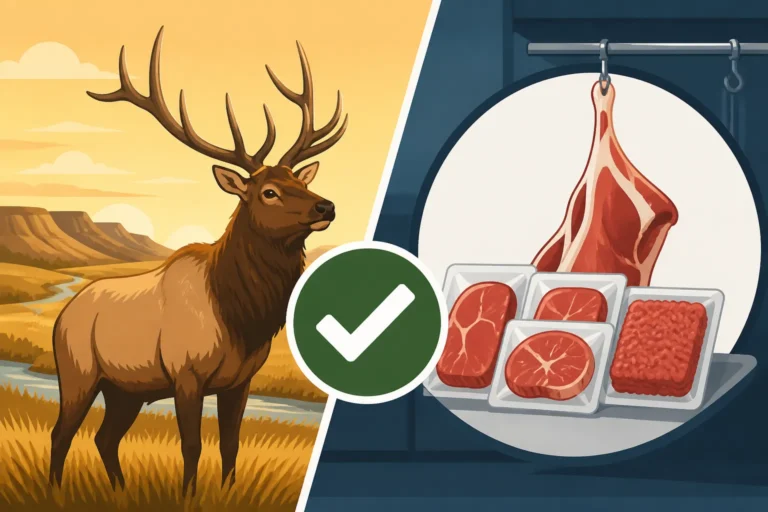
After a successful day in the field, the last thing most hunters want to do is spend hours plucking and cleaning birds. This is where a good pheasant lodge truly shines. Almost without exception, bird cleaning and basic packaging are included services. Your guides or dedicated lodge staff will take your daily bag limit of pheasants and process them, often breasting them out and vacuum-sealing or wrapping them for transport. This attention to detail means you can return from the field, enjoy a warm meal, and relax, knowing your hard-earned birds are being handled properly.
The importance of this service cannot be overstated, especially on multi-day hunts. Imagine having to clean twenty pheasants by hand after three exhausting days of walking — it's a chore that can quickly dampen the spirits of even the most avid hunter. Lodges understand this and aim to provide a seamless, enjoyable experience from the moment the bird is flushed to when it's ready for your cooler. They often have dedicated facilities for this, ensuring cleanliness and efficiency. While they typically handle the cleaning and basic packaging, remember that special requests, like full taxidermy preparation, might fall outside this standard inclusion and would need to be discussed and often paid for separately.
Beyond the Birds: Comfort, Sustenance, and Camp Life
A pheasant lodge stay isn't just about the hunting; it's about the entire experience, from where you lay your head to what fills your stomach. Lodges aim to create a comfortable, hospitable environment that feels like a home away from home, but with a distinct hunting camp vibe.
Accommodation and Amenities
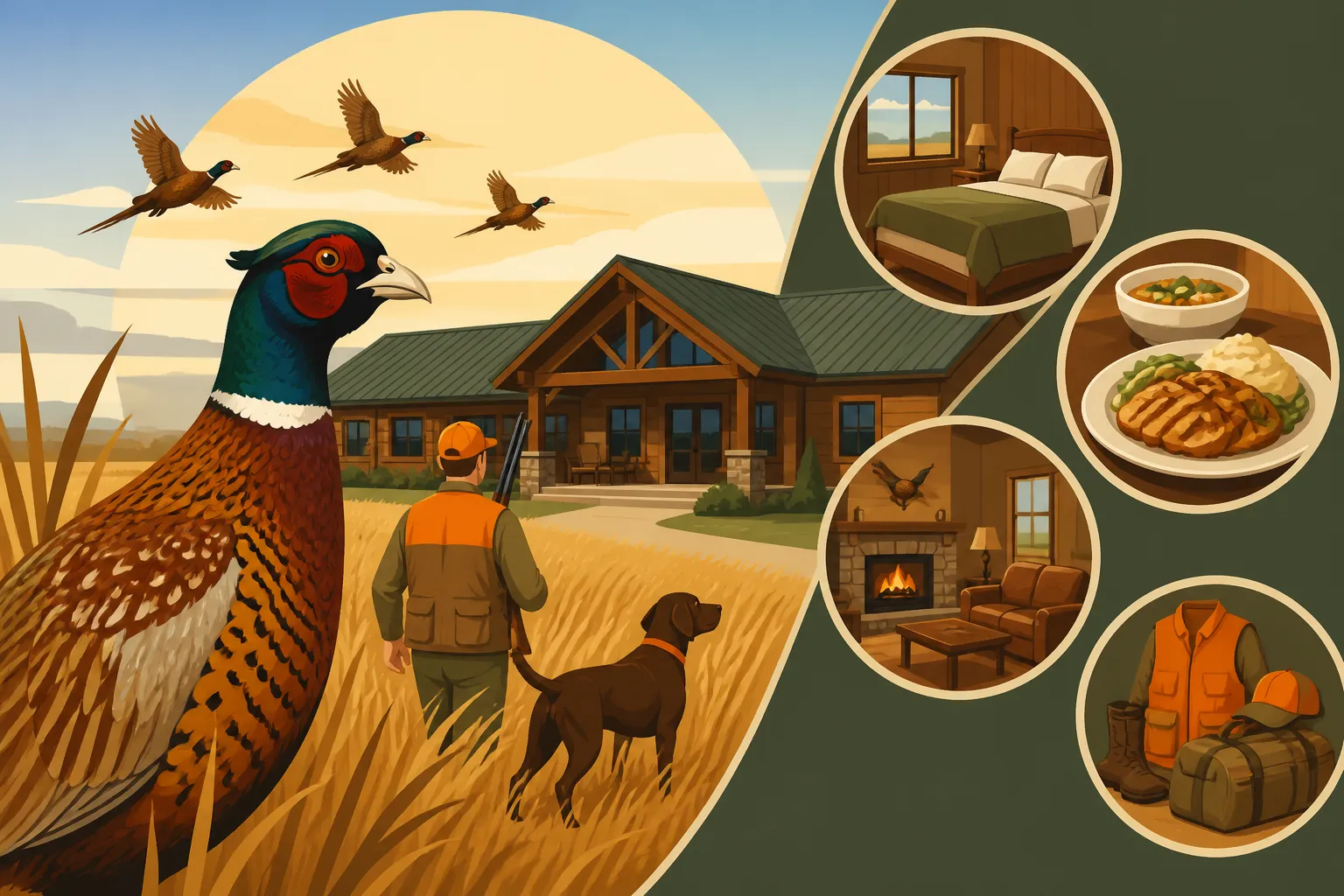
Your stay at a pheasant lodge includes lodging, of course, but the style and luxury can vary widely. Most lodges offer comfortable, clean rooms, often with private bathrooms, sometimes configured for multiple hunters to share. Think of it as a step up from a basic motel, designed with hunters in mind, meaning boot dryers, gear storage areas, and plenty of space for muddy clothes. Some lodges lean towards rustic charm, while others offer more upscale amenities like spacious common areas, fireplaces, and even hot tubs for unwinding after a long day chasing roosters. You might find a fully stocked bar or a game room, providing a social hub for hunters to share stories and recap the day's events.
The key is that the accommodation is integral to the package price. You won't be booking a separate hotel; your bed for the night is part of the lodge experience. Towels, bedding, and basic toiletries are generally provided, so you don't need to pack your entire linen closet. Some lodges, particularly those catering to larger groups or corporate retreats, might offer cabins or suites for added privacy. It's always a good idea to clarify the specific room arrangements and amenities when booking, especially if you're sensitive to sharing rooms or have specific comfort requirements. A good resource like BookYourHunt or GoHunt might show photos and detailed descriptions of the lodging to help you gauge the style and comfort level before committing.
Meals and Refreshments
One of the greatest joys of a lodge hunt is the camaraderie around the dinner table, and pheasant lodges typically go all out to provide hearty, delicious meals. Breakfast, lunch, and dinner are almost always included, and often prepared by talented cooks who understand a hunter's appetite. Expect generous portions of comfort food – think steaks, pasta, fresh vegetables, and, of course, pheasant dishes prepared in various delectable ways. Breakfasts are usually substantial, fueling you for the long day ahead, and lunches might be served back at the lodge or packed to take into the field, depending on the day's hunting plan.
Beyond the main meals, many lodges also provide a steady supply of snacks, non-alcoholic beverages (water, soda, coffee), and often an open bar with alcoholic drinks in the evenings. This means you don't have to worry about running into town for groceries or finding a restaurant after a tiring hunt. The lodge becomes your culinary haven. However, it's worth noting that while alcoholic beverages are often complimentary, some lodges might have a more limited selection or operate on a BYOB policy. Always inquire about the specific meal plan and beverage inclusions to avoid any surprises. Dietary restrictions can often be accommodated with advance notice, so make sure to communicate any needs when you book your trip.
The "Extra Mile" Services: What Might Cost More
While lodges strive for a comprehensive experience, there are certain items and services that are almost universally considered "extras" and will incur additional costs. Understanding these ahead of time prevents unexpected budget surprises.
Licenses, Stamps, and Permits
This is perhaps the most common misconception. Many first-time hunters assume that because they're booking an "all-inclusive" package, their hunting license is somehow part of the deal. Unfortunately, that's rarely the case. Your North Dakota hunting license, along with any required state stamps (like a general game and habitat license) and federal stamps (like the Federal Duck Stamp, if applicable for other species), are almost always your personal responsibility and an additional cost.
You'll need to purchase these directly from the North Dakota Game and Fish Department or an authorized vendor, either online, by phone, or in person. Nonresidents, in particular, will want to research North Dakota Nonresident Pheasant License Cost well in advance. Some lodges may assist you with the application process or provide links to where you can purchase them, but the cost itself will come out of your pocket. It's crucial to obtain all necessary permits before your hunt begins, as hunting without them can lead to significant fines and penalties. Think of it like a driver's license – your guided tour covers the car and the route, but you still need your own license to drive.
Shells, Gun Rentals, and Gear
While the lodge provides the hunting experience, the tools of the trade are usually up to you. Ammunition is a prime example. You'll need to bring your own shells, and while some lodges might have a small supply for emergencies or sale, it's best to arrive fully stocked. Shotgun gauges and shot sizes vary, so bringing what you prefer is essential. Similarly, if you don't own a suitable shotgun or prefer not to travel with one, many lodges offer gun rentals. This can be a great option, but it will come with an extra fee.
Beyond firearms and ammunition, personal hunting gear such as blaze orange (which is mandatory in North Dakota), appropriate outerwear for changing prairie weather, comfortable hunting boots, and safety glasses are all items you'll need to bring yourself. While lodges provide a warm place to stay and guides with dogs, they typically don't outfit you with all your personal hunting apparel or equipment. Always check with your specific lodge about their policy on gun rentals and if they have any basic gear for sale or loan. For information on specific requirements, you might consult How Much Blaze Orange North Dakota Requires.
Taxidermy, Meat Processing, and Shipping
After a successful hunt, you might want to preserve a trophy bird or ensure your wild game meat is processed beyond the basic cleaning provided. These are almost always additional services, incurring extra costs. If you shoot a particularly beautiful rooster you'd like mounted, the lodge can usually connect you with local taxidermists, but the taxidermy fees and shipping of the finished mount will be your responsibility.
Similarly, while lodges will clean and package your birds for immediate transport, if you desire professional meat processing beyond breasting, such as making sausage or further cuts, that would be an external service. Many hunters also need to ship their processed birds home, especially if traveling by air. The cost of dry ice, insulated shipping containers, and the actual shipping charges are typically not included in the lodge package. Lodges often have facilities to help you pack your cooler for the trip home and can advise on Transporting a Tagged Turkey in North Dakota (which applies broadly to any game birds) but the associated costs are yours. These services add value to the hunt but represent an investment beyond the initial package price.
Choosing Your Lodge: Balancing Budget and Experience
Selecting the right pheasant lodge for your North Dakota adventure involves more than just looking at the price tag. It requires careful consideration of what's important to you and diligent inquiry into what's truly included.
What to Ask Before Booking
The golden rule of booking a pheasant lodge is to ask questions, and then ask more questions. Never assume anything is included unless explicitly stated. A reputable lodge will be transparent and happy to answer all your queries. Start with the basics: "What exactly is included in the nightly rate or package price?" Drill down into specifics: "Are alcoholic beverages included, or is there a cash bar?" "What kind of firearms are available for rent, and what's the cost per day/hunt?" "Is there a specific amount of ammunition included, or do I need to bring/buy my own?" Don't hesitate to ask about guide-to-hunter ratios, the number of dogs per group, and how many birds you can expect to harvest daily within legal limits.
Inquire about transportation once you arrive – do they offer airport pickup from nearby cities like Bismarck or Fargo, or will you need a rental car? Are there any hidden fees, such as resort fees, cleaning fees, or gratuities? While tipping guides and lodge staff is customary, some lodges might include a service charge, while others expect direct gratuities. Knowing these details upfront allows you to accurately budget for your trip. For example, some hunters might find booking through platforms like BookYourHunt helpful, as they often have detailed lists of inclusions and exclusions for various lodges.
Comparing Lodge Offerings
Just like you wouldn't buy the first car you see, comparing different pheasant lodge offerings is crucial. Look beyond the advertised "all-inclusive" tag and scrutinize the actual list of services. Some lodges might be more budget-friendly but offer fewer amenities, perhaps requiring you to clean your own birds or purchase all your beverages. Others might be top-tier luxury operations where every conceivable detail, from gourmet meals to private suites, is part of the standard package, albeit at a higher price point. Consider what level of comfort and convenience is important to you. If you're a hardcore hunter who just needs a bed and a guide, a more rustic option might be perfect. If you're looking for a pampered experience with all the bells and whistles, a higher-end lodge is worth the investment.
Think about the duration of the hunt, too. Some packages are two-day, one-night affairs, while others cater to extended stays of three to five days. The total cost can quickly add up, so align the package length with your desired trip. Don't forget to read reviews and testimonials. Websites like GoHunt or independent hunting forums can offer invaluable insights from previous guests. Compare the types of hunting grounds offered – some focus on vast open fields, others might incorporate more diverse cover like shelterbelts. Ultimately, the best pheasant lodge stay is one that aligns with your expectations, your budget, and the kind of hunting adventure you're truly seeking. The more you know before you go, the more you can enjoy Pheasant Hunting North Dakota's Prairie.
Essential Inclusions vs. Common Exclusions
To make it easier to visualize, here's a table summarizing what you can generally expect to be included versus what usually costs extra at a North Dakota pheasant lodge.
| Feature / Service | Typically Included | Typically Excluded (Extra Cost) |
|---|---|---|
| Hunting | Guided hunts with dogs | Hunting licenses, state/federal stamps |
| Access to private hunting land | ||
| Lodge & Amenities | Lodging (room, bed, basic toiletries) | Specific premium liquor requests |
| Common areas (lounge, dining room) | Laundry service (sometimes available for a fee) | |
| Meals & Beverages | All meals (breakfast, lunch, dinner) | |
| Non-alcoholic beverages | ||
| Some alcoholic beverages (often beer/wine) | ||
| Post-Hunt Services | Bird cleaning and basic packaging (breasted, wrapped) | Taxidermy services and shipping |
| Field dressing | Specialized meat processing (e.g., sausage making) | |
| Shipping of processed birds (coolers, dry ice, postage) | ||
| Equipment | Use of lodge dogs | Ammunition (bring your own or purchase) |
| Gun rentals (for shotguns) | ||
| Personal hunting gear (clothing, boots, safety glasses) | ||
| Staffing | Professional guides | Gratuities for guides and lodge staff |
| Lodge staff (cooks, cleaners) | ||
| Transportation | Field transportation to hunting areas | Airport transfers (sometimes offered for a fee) |
This table provides a general overview, but remember that every lodge is unique. Always verify the specifics of your chosen package directly with the outfitter to avoid any surprises.
Disclaimer
This article is for general informational purposes only and does not constitute professional advice. Laws, prices and regulations vary by location and change over time. Consult a qualified professional for guidance on your specific situation.