Why Nonresidents Can’t Apply for Elk
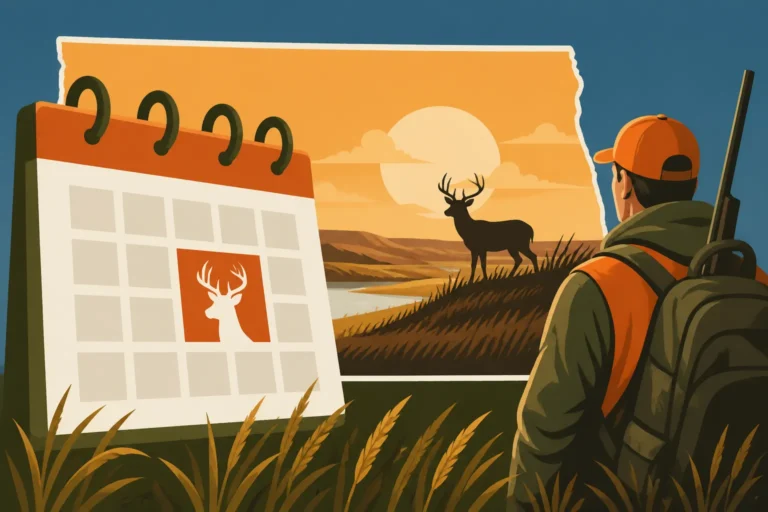
It’s a tough pill to swallow when you’re dreaming of a North Dakota elk hunt, especially if you’re coming from out of state, only to find out the door is effectively closed. Many nonresident hunters feel a deep frustration, wondering why a state with such incredible landscapes and wildlife doesn't open its most coveted big game tags to everyone. This guide aims to clear up that confusion, explaining the reasons behind North Dakota’s resident-only policy for elk tags, and what alternatives might scratch your hunting itch in the Peace Garden State.
The Rarity and Value of North Dakota Elk Tags
North Dakota is renowned for its deer, pheasant, and waterfowl hunting, drawing thousands of nonresidents each year. However, elk are a different beast entirely, both in their population numbers and how the state manages them. The limited availability of these animals directly influences who gets to hunt them.
Understanding North Dakota's Elk Population
Unlike states with vast mountain ranges and expansive forests that support large elk herds, North Dakota’s elk population is relatively small and isolated. These magnificent animals primarily inhabit the rugged, broken country of the Little Missouri Badlands and scattered pockets along river systems. Their presence here is a conservation success story, as they were reintroduced and have slowly established a foothold after being extirpated. Because the habitat can only sustain a finite number of elk, the population remains tightly managed. This isn't like the expansive herds you might find further west; it's a special, localized resource. The success story of their return is something locals take immense pride in, and the management reflects that careful stewardship. For more on their return, you might check out How Elk Returned to the Badlands.
The number of elk inhabiting these areas dictates the total number of tags that can be issued to maintain herd health and balance with available forage. When you're dealing with such a precious and limited resource, every tag becomes incredibly valuable. The idea of expanding opportunities to nonresidents when resident demand far outstrips supply simply doesn't align with the state's conservation and allocation goals for these unique animals. Their numbers are constantly monitored, and tags are adjusted year by year based on those surveys, but the overall picture remains one of scarcity. How Many Elk Live in the Badlands delves deeper into the specifics of these herd numbers.
The North Dakota Game and Fish Department's Allocation Philosophy
The North Dakota Game and Fish Department operates under a philosophy that prioritizes its residents for certain highly sought-after species, particularly those with very limited numbers. This approach isn't unique to North Dakota; many states reserve their rarest and most prized tags for their own citizens, citing tax contributions, long-term state residency, and a foundational connection to the state's wildlife resources. For species like elk, moose, and bighorn sheep, North Dakota goes a step further by classifying them as "once-in-a-lifetime" opportunities for residents. This means if you draw an elk tag, you can only draw another one after a significant waiting period or under very specific, rare circumstances. This truly highlights the special status of these animals.
The "once-in-a-lifetime" designation underscores the scarcity and the department's commitment to giving as many residents as possible a chance at this unique experience. When a resource is so limited that residents themselves might wait decades to draw a tag, opening it up to nonresidents would dilute resident opportunities to an unacceptable degree, at least in the eyes of state wildlife managers and the resident hunting public. The department views these hunts as a privilege for those who call North Dakota home, ensuring that the local community has primary access to these conservation successes. You can explore the full meaning of this designation in What a Once-in-a-Lifetime Elk Tag Means.
How the Lottery System Prioritizes Residents
Even for residents, drawing an elk tag in North Dakota is far from a guarantee. It's a highly competitive process, and the design of this lottery system inherently reflects the state's commitment to its residents.
The North Dakota Elk Lottery Application Process
For those who can apply—that is, North Dakota residents—the elk tag application process is a highly anticipated annual event. It's a lottery system, meaning applicants submit their information, and tags are drawn randomly. There are no guaranteed tags, and success rates for residents are quite low due to the sheer number of applicants versus the handful of tags available. The competition is fierce, and many residents apply for years, even decades, before finally seeing their name drawn. This intense resident demand further illustrates why nonresident tags simply aren't on the table. If residents are struggling to draw, it's hard to justify diverting any tags to out-of-state hunters.
The application period for these coveted tags is typically in the spring, and missing the deadline means missing your chance for another year. While nonresidents can't participate, understanding the resident lottery gives insight into the exclusivity. It's not just about paying a fee; it's about being part of a long-standing tradition within the state. Some states use preference points to improve draw odds over time, but for North Dakota's once-in-a-lifetime species, the system often emphasizes equal chance rather than accumulated advantage. For a general understanding of how these systems work, you could look at North Dakota Preference Point System Explained, though elk specifically usually operate on a slightly different, pure lottery basis for these rare species. Knowing the North Dakota Elk Application Deadline is crucial for residents, and just as a reminder of how tight the window is.
Maximizing Opportunity for State Residents
The core reason for excluding nonresidents from the elk lottery boils down to maximizing opportunity for state residents. Wildlife management agencies often grapple with balancing conservation, recreational opportunity, and the desires of various user groups. When a game species is as limited and prized as North Dakota elk, the decision almost always leans toward prioritizing the resident population. This isn't meant to be exclusionary or unwelcoming to nonresidents who contribute significantly to North Dakota's hunting economy through other species; it's a practical necessity given the finite nature of the resource.
This resident-first policy helps preserve the hunting heritage for generations of North Dakotans. It ensures that the state's own citizens have the best possible chance to engage in these deeply traditional and often once-in-a-lifetime hunts. While nonresidents are incredibly important for deer, pheasant, and waterfowl seasons, the philosophy changes when you talk about the state's smallest, most fragile, and most highly sought-after big game populations. It's about a responsibility to the local community and the long-term health of these special herds.
Exploring Alternatives and Future Considerations for Nonresidents
While North Dakota elk might be off the table for nonresidents, that doesn't mean North Dakota doesn't offer incredible hunting experiences. There are still plenty of opportunities to create lasting memories and fill your freezer in the Peace Garden State.
Focusing on Other North Dakota Big Game Opportunities
If your heart is set on big game in North Dakota, nonresidents have excellent options for deer, particularly through the archery season and the gun season lottery. North Dakota offers a fantastic experience for whitetails and mule deer, depending on the unit you draw. The archery season, in particular, offers extensive opportunities. Bowhunting North Dakota's Long Archery Season provides a deep dive into how to tackle this exciting hunt. Even the gun deer season, though a lottery for nonresidents, is far more accessible than elk. You'll find incredible opportunities for North Dakota's Lottery-Based Deer Gun Season in a variety of landscapes, from river bottoms to the Badlands.
For those interested in challenging hunts, the state also offers a pronghorn antelope lottery for nonresidents, a fast-paced and unique pursuit on the western prairies. While not an elk, a pronghorn offers a different kind of "once-in-a-lifetime" experience with its speed and sharp eyesight. If you're passionate about drawing tags in other states or want to explore other opportunities, tools like GoHunt can be invaluable. They provide detailed draw odds, application strategies, and unit breakdowns for a variety of species across different states, helping you navigate complex lottery systems to find your next big game adventure.
The Importance of Advocacy and Conservation
While current regulations prevent nonresident elk applications in North Dakota, wildlife management policies can evolve. Changes typically occur due to significant increases in game populations, habitat expansion, or shifts in conservation strategies. Hunters, both resident and nonresident, play a vital role in supporting these changes through conservation efforts. Contributing to habitat projects, joining conservation groups, and staying informed about wildlife legislation all help ensure healthy game populations for the future. While immediate changes to nonresident elk opportunities are highly unlikely given the current population dynamics and demand, continued advocacy for healthy landscapes benefits all species.
Staying engaged with the North Dakota Game and Fish Department's public meetings and proposals, even from afar, can provide insight into long-term trends and potential shifts in allocation. Though you can't apply for an elk tag, your support for conservation in North Dakota—or any state—helps strengthen the resource base for everyone. If you're looking for other states where you can find guided elk hunts, BookYourHunt is a platform that can connect you with outfitters in various regions that do offer nonresident elk packages, allowing you to experience an elk hunt even if it's not in North Dakota.
Considering Guided Elk Hunts in Other States
Since North Dakota elk tags are reserved for residents, many nonresidents who dream of hunting elk turn their attention to other states. Western states like Colorado, Montana, Wyoming, and Idaho offer significant nonresident elk hunting opportunities, both through over-the-counter tags (for some seasons and areas) and through various lottery systems. These states often have much larger elk populations and more expansive public lands, making nonresident access more feasible.
Booking a guided elk hunt in another state can be an excellent way to experience the thrill without the decade-long wait for a North Dakota draw (which, again, isn't even an option for nonresidents). Outfitters in these other states specialize in helping nonresidents navigate the terrain, understand local regulations, and increase their chances of success. It requires planning, often applying for licenses months in advance, and a significant investment, but it's a realistic path to an elk hunting adventure for those from outside North Dakota.
Here’s a quick overview of North Dakota big game opportunities for nonresidents:
| Species | Nonresident Application | Notes |
|---|---|---|
| White-tailed Deer | Yes | Bow licenses generally available. Gun tags by lottery. |
| Mule Deer | Yes | Limited tags, usually combined with whitetail in specific units. |
| Elk | No | Resident-only, once-in-a-lifetime lottery. |
| Moose | No | Resident-only, once-in-a-lifetime lottery. |
| Bighorn Sheep | No | Resident-only, once-in-a-lifetime lottery. |
| Pronghorn | Yes | Lottery-based draw, Western North Dakota only. |
| Fall Turkey | Yes | Over-the-counter licenses often available, depending on unit. |
Disclaimer
This article is for general informational purposes only and does not constitute professional advice. Laws, prices and regulations vary by location and change over time. Consult a qualified professional for guidance on your specific situation.