Booking a Guide for a Moose Tag You Drew
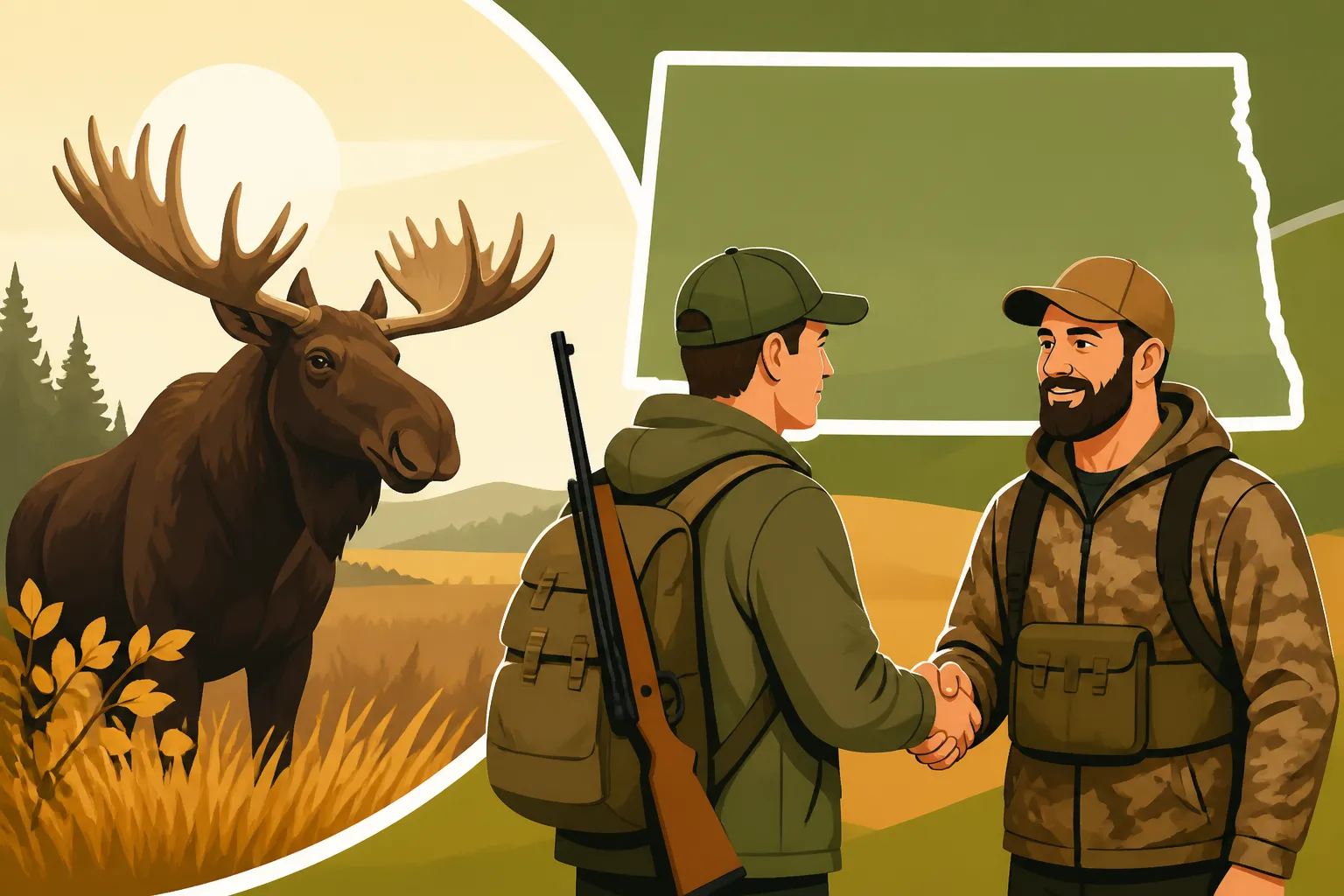
Drawing a coveted North Dakota moose tag is truly a once-in-a-lifetime achievement for many hunters, bringing with it an immense thrill but also the daunting pressure of making the most of such a rare opportunity. If you've been fortunate enough to punch your ticket for a North Dakota moose hunt, you're likely wondering how to best navigate this unique challenge, especially when it comes to maximizing your chances of success and enjoyment. This guide will walk you through the crucial considerations for booking a guide to ensure your North Dakota moose hunt is an unforgettable experience.
The Unique Privilege of a North Dakota Moose Tag
Let's be real, pulling a North Dakota moose tag isn't like drawing a whitetail tag in many other states. It's a testament to patience, persistence, and often, a little bit of pure luck in the lottery system. The state's moose population, while healthy in certain pockets, is relatively small, making these tags incredibly exclusive. For many, this will be the one and only time they get to pursue such an iconic animal in North Dakota, and that knowledge can weigh heavily.
Understanding North Dakota's Moose Landscape
North Dakota isn't exactly known as prime moose country in the way places like Alaska or Maine are. Our moose population, while impressive for a prairie state, is concentrated in specific habitats. You'll often find them favoring the dense willow bottoms along major river systems like the Pembina River, the Turtle Mountains, and certain drainage areas in the northeastern and north-central parts of the state. These aren't vast, open spaces where you can easily spot them from miles away. We're talking thick cover, dense vegetation, and often challenging terrain that can be tricky to navigate, particularly for those unfamiliar with it.
The challenge isn't just finding a moose; it's finding a quality moose and then executing a successful stalk and recovery in these tough environments. The window for hunting is precious, and every moment counts. If you're a nonresident or even a resident who hasn't spent years scouting these specific, remote areas, the learning curve can be steep. You might spend days just trying to locate sign, let alone an actual animal. This is where the value of local expertise really shines, transforming what could be a frustrating search into a targeted, efficient effort. Remember, securing one of these tags means you've won the lottery, but winning the lottery doesn't mean you automatically win the jackpot if you don't play your cards right.
Why the Stakes Are So High
A North Dakota moose tag is often described as a What a Once-in-a-Lifetime Moose Tag Means, and for good reason. You typically only get one shot at it. This isn't a species where you can apply year after year, build preference points, and eventually guarantee a tag. The odds are long, and the opportunity is fleeting. This scarcity translates into immense pressure to make sure everything goes right. You've invested years, dreams, and application fees into this moment. The last thing you want is to come away from such an incredible experience feeling unprepared or that you left success on the table due to a lack of knowledge or experience in the specific hunting unit.
Consider the time commitment involved. Scouting takes days, if not weeks, for even experienced local hunters. Traveling from out of state adds significant costs and logistical hurdles. You're probably taking valuable vacation time. All these factors underscore why, for many hunters, securing a guide isn't just an expense, but a crucial investment to protect the singular nature of this hunt. It's about maximizing not just your harvest odds, but also the overall quality and enjoyment of the entire experience. After all, you're not just hunting an animal; you're creating a once-in-a-lifetime memory.
Why Consider a Guide for Your North Dakota Moose Hunt
When you've drawn such a coveted tag, deciding whether to go guided or self-guided is a big question. While there's immense satisfaction in a self-guided hunt, the unique circumstances of a North Dakota moose tag often tip the scales in favor of professional assistance. It's not about being unable to hunt, but about making the most of an exceedingly rare opportunity.
Leveraging Local Knowledge and Expertise
A seasoned North Dakota moose guide brings an unparalleled level of local knowledge to the table. They spend countless hours year-round in these often-remote moose haunts, understanding the terrain, the seasonal movements of the animals, and the subtle cues that indicate a moose is in the area. This isn't just about knowing where the animals might be; it's about knowing where they are based on current conditions, recent sightings, and intimate familiarity with specific drainages, timber blocks, and willow thickets.
Imagine trying to navigate dense river bottom willows or the rugged landscape of the Turtle Mountains for the first time. It's easy to get turned around, waste precious hunting time on unproductive ground, or even inadvertently spook animals. A guide can immediately put you in the right areas, interpret fresh sign, and help you strategize your approach, whether that involves Picking Out a Bedded Moose in Willow Cover or Glassing for Moose in River Bottom Willows. They understand the subtle shifts in wind and thermals in various pockets of the habitat, which is crucial for a successful stalk. This local expertise dramatically reduces the learning curve and increases your efficiency, allowing you to focus on the hunt itself rather than constantly scouting or getting lost.
Maximizing Efficiency and Success Rates
Let's be honest: everyone wants to fill their tag, especially with a moose. Guides are invested in your success because their reputation depends on it. They streamline the entire hunting process, from pre-hunt scouting to post-harvest logistics. This means more time actually hunting and less time fumbling around. They'll have a game plan, often involving specific routes, calling strategies, and knowledge of where moose typically feed, water, and bed.
Consider the North Dakota moose hunt success rates; while they can fluctuate, a good guide often significantly improves a hunter's odds compared to a completely self-guided approach, particularly for those unfamiliar with the terrain. They often have access to private lands, either through direct relationships with landowners or specific leases, which can open up additional opportunities beyond public land access, further enhancing your chances. This blend of intimate knowledge and strategic planning ensures that every moment of your precious hunt is used effectively, from dawn until dusk.
Handling Logistics and Post-Harvest Challenges
Moose are enormous animals, and once you've successfully harvested one, the real work often begins. Field dressing, quartering, and retrieving a moose from dense cover or difficult terrain is a monumental task that can be overwhelming for even experienced hunters, let alone those who've never tackled an animal of this size. This is where a guide truly earns their keep. They'll have the experience, the necessary equipment (ATVs, winches, sleds), and often the manpower to efficiently handle the recovery process.
Beyond the immediate recovery, guides can assist with everything from transporting your animal to a meat processor or taxidermist, navigating reporting requirements, and ensuring all regulations are met. This logistical support takes a huge burden off your shoulders, allowing you to focus on the triumph of your successful hunt rather than worrying about how you're going to get 800 pounds of moose meat out of a bog. It transforms a potentially back-breaking, stressful endeavor into a well-managed operation.
Finding the Right North Dakota Moose Outfitter
Finding a guide for such a special hunt requires diligent research and clear communication. You're not just hiring someone; you're entrusting them with a once-in-a-lifetime experience.
Researching Reputable Outfitters
The first step is always thorough research. Start by looking for outfitters who specifically mention North Dakota moose hunts, as this indicates specialized experience in the region. Platforms like BookYourHunt can be a great starting point for finding reputable guides and reading reviews from past clients. You'll want to gather names and contact information for several potential outfitters to compare their offerings and philosophies. Don't hesitate to consult online communities or specialized hunting platforms like GoHunt for recommendations or reviews; fellow hunters often share invaluable insights.
When you're researching, pay close attention to the details of their past hunts. Do they primarily hunt public land, or do they have private land access? What is their typical client success rate for moose? How long have they been guiding in North Dakota, specifically for moose? This initial research phase is crucial for narrowing down your options and identifying guides who align with your hunting style and expectations. Look for consistency in positive feedback regarding their professionalism, knowledge, and ethical practices.
Key Questions to Ask Prospective Guides
Once you have a shortlist of potential guides, it's time to start making calls and asking detailed questions. Think of this as an interview process. Here's a table of essential questions to guide your conversations:
| Category | Key Questions to Ask |
|---|---|
| Experience | How long have you been guiding moose in North Dakota? In which specific units do you primarily operate? |
| Can you provide references from past moose hunting clients? | |
| Hunt Logistics | What is the typical duration of the hunt? What's your daily schedule like? |
| What kind of terrain do we typically hunt? What physical fitness level is required? | |
| Is the hunt primarily on public land, private land, or a combination? Do you have exclusive access anywhere? | |
| Success & Ethics | What are your typical success rates for moose? Are these harvest rates or opportunity rates? |
| What happens if I don't harvest a moose? (e.g., rebooking, partial refund, next steps) | |
| What are your ethical hunting practices? Do you prioritize fair chase? | |
| What's Included | What does the hunt package include (e.g., food, lodging, transportation during hunt, field dressing)? |
| What is not included (e.g., license fees, meat processing, taxidermy, tips)? | |
| What equipment do I need to bring? Do you provide any gear (e.g., binoculars, spotting scope)? | |
| Post-Harvest | What is your protocol for field dressing and meat retrieval? How do you handle transportation of the animal? |
| Can you recommend local meat processors or taxidermists? | |
| Communication | What is the best way to communicate with you before and during the hunt? |
| What's your policy on emergency situations or unforeseen circumstances? |
Don't be shy about asking for specific details, like how many moose they typically see in a season in your unit, or what tactics they employ. This is your hunt of a lifetime, and clear communication upfront can prevent misunderstandings later. Also, inquire about their specific knowledge of How Many Moose Live in North Dakota and Where North Dakota Moose Concentrate to ensure they are true experts in their claimed hunting grounds.
Vetting References and Licenses
Never skip the step of contacting references. A reputable outfitter will be happy to provide contact information for several past clients. When speaking with references, ask about their overall experience, the guide's professionalism, their knowledge of the area, and how they handled any challenges that arose. Did the guide meet their expectations? Was the communication clear? Would they book with them again? These insights are gold.
Additionally, verify that the outfitter is properly licensed to guide in North Dakota. This is a non-negotiable step to protect yourself and ensure you're dealing with a legitimate operation. You can usually check with the North Dakota Game and Fish Department for their licensing requirements and to confirm an outfitter's current status. This due diligence ensures that your incredible opportunity isn't compromised by unforeseen issues or unscrupulous practices.
Understanding What a Guided Moose Hunt Typically Includes
When you book a guided moose hunt in North Dakota, you're paying for more than just someone to show you where to shoot. You're investing in an experience, a wealth of knowledge, and a support system designed to maximize your success and enjoyment. While specific offerings vary between outfitters, there are common elements you can generally expect.
Pre-Hunt Preparation and Scouting
A good outfitter's work begins long before you even arrive in North Dakota. This often includes extensive pre-season scouting to locate current moose activity, identify prime bedding and feeding areas, and monitor game movements. They'll be familiar with how moose populations might be affected by factors like North Dakota Moose Winter Tick Impact or recent habitat changes. Many guides will also assist with trip planning, providing advice on necessary gear, clothing for North Dakota's often unpredictable weather, and travel logistics. They might even help you understand the nuances of the North Dakota's Once-in-a-Lifetime Big Game Licenses process or advise on specific firearm requirements for moose.
They often provide a detailed packing list and answer any questions you have about preparing for a hunt of this magnitude. This upfront preparation is invaluable, as it ensures you arrive ready to hunt, knowing that much of the groundwork has already been laid. It means you won't be scrambling for information or making last-minute equipment purchases, allowing you to mentally prepare for the hunt itself.
On-the-Ground Guiding and Support
During the hunt, your guide will be your constant companion and expert resource. This means they'll lead you to promising areas, help you spot and identify moose, and advise on optimal shot placement. They'll interpret tracks, rubs, and other sign, guiding you through the intricate process of Hunting North Dakota's Missouri River Corridor or through dense forest fringes. A guide can be critical for tasks like calling moose, using techniques that are specific to North Dakota's terrain and moose behavior. They'll teach you how to remain calm and make smart decisions when a moose finally presents itself.
Beyond the immediate hunting, they often provide transportation within the hunting area, whether that's via ATV, truck, or on foot. They're there to troubleshoot unexpected issues, offer encouragement when things get tough, and share their passion for the outdoors. This continuous support, from the moment you step into the field until your tag is filled (or the hunt concludes), is a core component of a guided experience. Their presence allows you to immerse yourself fully in the hunt, knowing that an experienced professional is handling the complexities.
Accommodation, Meals, and Camp Life
Many outfitters offer all-inclusive or semi-inclusive packages that cover accommodation and meals. This can range from comfortable lodges to rustic wall tents, depending on the outfitter and the remoteness of the hunting area. Meals are typically provided, ensuring you're well-fed and energized for long days in the field. This takes the burden of cooking and camp logistics off your shoulders, allowing you to focus purely on hunting and enjoying the camaraderie of the camp.
Even if accommodations aren't lavish, a well-run camp provides a warm, dry place to rest and recharge. It's often a place where stories are shared, and strategies are discussed, adding another layer to the overall hunting adventure. When you're spending day after day pursuing a majestic animal like a moose, having a comfortable basecamp and nourishing food waiting for you makes a huge difference in your physical and mental stamina, keeping you fresh and focused for the hunt.
Disclaimer
This article is for general informational purposes only and does not constitute professional advice. Laws, prices and regulations vary by location and change over time. Consult a qualified professional for guidance on your specific situation.