Standard Tip for a Waterfowl Guide
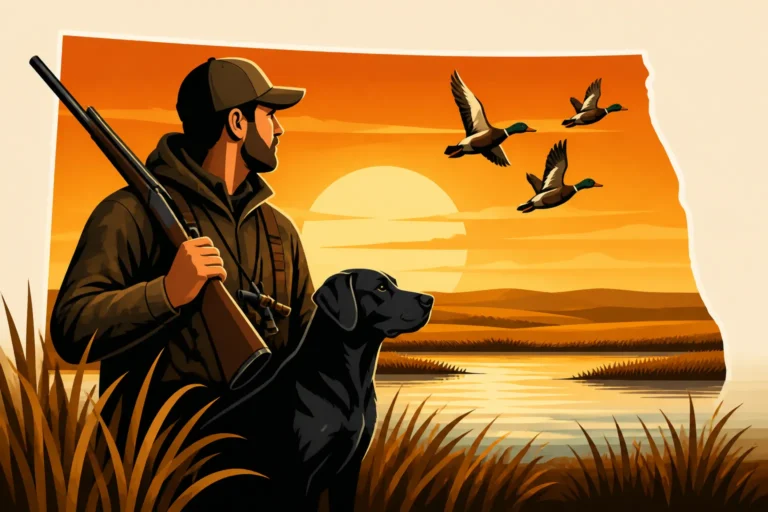
It's a common dilemma for hunters, isn't it? You've just wrapped up an incredible day in the duck blind or goose field in North Dakota, the dogs are tired but happy, and the guide is packing up the spread. A successful hunt, a memorable experience, but then the quiet question pops into your head: "What's the right amount to tip?" There's no single, universally agreed-upon answer, and the uncertainty can feel a bit awkward. This guide is here to help you navigate the nuances of showing appreciation for your North Dakota waterfowl guide, ensuring you leave feeling good about the experience.
The Waterfowl Guide's True Contribution
Many folks might only see the guide as the person who calls the birds or sets the decoys. While those are certainly crucial parts of the job, a really good North Dakota waterfowl guide does so much more. They are orchestrating an entire experience, often working long before you even arrive and long after you've left the field. Understanding the full scope of their effort can really reframe how you view the "standard" tip.
Beyond the Shot: Unseen Efforts and Expertise
Think about all the groundwork that goes into a successful waterfowl hunt. Your guide has likely spent countless hours scouting fields and sloughs, monitoring bird movements, and talking to landowners. They're up before dawn, often checking weather patterns, driving to different locations, and constantly adapting their strategy based on what the birds are doing that day. This isn't just a simple 9-to-5 job; it's a passion-driven pursuit that demands constant attention to detail and a deep understanding of the local environment. They know the migration patterns, where the birds are roosting, and what fields they're hitting. North Dakota Waterfowl on the Prairie Pothole Flyway is a complex system, and a good guide is an expert at deciphering it.
Moreover, they're the ones hauling hundreds of decoys, setting up blinds, and breaking down everything in the dark or biting cold. They're retrieving birds, handling dogs, and ensuring everyone's safety throughout the day. This isn't just about showing up; it's about preparation, physical labor, and an intimate knowledge of the land and the birds. They're the ones making sure your blind is brushed in perfectly for Layout Blind Hunting Devils Lake Fields or that your decoy spread is ideal for Decoy Spreads for Prairie Pothole Mallards.
The Value of Experience and Local Knowledge
When you hire a waterfowl guide in North Dakota, you're not just paying for equipment; you're paying for their years of accumulated experience and invaluable local knowledge. They know the subtle shifts in wind that affect bird flight, the optimal call sequences for working different species, and the safe routes across muddy fields or frozen potholes. This expertise saves you time, effort, and often, frustration. Without a guide, you might spend days aimlessly driving around trying to find birds, while they can put you right where the action is.
This deep understanding is especially critical in dynamic environments like the prairie potholes, where conditions can change rapidly. A guide's ability to adapt on the fly, to move to a different field if the birds aren't working or to adjust a decoy spread mid-hunt, is a testament to their skill. Their goal is always to maximize your chances, and that comes from a blend of science, art, and hard-earned wisdom. For nonresidents, especially with the North Dakota's New Nonresident Waterfowl Rule and specific resident-priority days, a guide can be indispensable in navigating the complexities and ensuring you're hunting legally and effectively.
Factors Influencing Your Waterfowl Guide Tip
Deciding on the exact amount to tip can feel personal, and it often is. While there are general guidelines, several factors can and should influence your final decision. It's not always about the number of birds in the bag, but the overall effort and experience provided by your guide.
Guide Effort and Professionalism
The guide's effort is perhaps the most significant factor. Did they work tirelessly to put you on birds, even when conditions were tough? Were they enthusiastic, knowledgeable, and patient? A guide who communicates clearly, shares insights, and genuinely tries to make your hunt enjoyable, regardless of the harvest, deserves a generous tip. This includes their demeanor, their willingness to answer questions, and how well they manage the group.
Even on slow days, a good guide will keep spirits high, offer educational insights, and ensure everyone is still having a good time. Maybe the birds just weren't flying that day, or a cold front pushed them out, but if your guide was hustling from start to finish, that effort speaks volumes. Conversely, a guide who seems disengaged, unprepared, or solely focused on the easiest possible hunt might warrant a reevaluation of the tip, or even the outfitter. When you're researching potential hunting opportunities, whether through platforms like BookYourHunt to find guided trips or using resources like GoHunt for general planning and intel, you're investing in an experience, and professionalism is a huge part of that return.
Hunting Conditions and Success
Naturally, the success of the hunt plays a role, but it shouldn't be the only factor. We all want to limit out on ducks or geese, but waterfowl hunting is inherently unpredictable. Weather, bird migration, and hunting pressure are all variables largely outside a guide's control. A phenomenal hunt with limits of ducks and geese will almost certainly inspire a more generous tip, and rightly so. North Dakota Duck and Goose Bag Limits can be substantial, and hitting those marks is a real achievement.
However, a respectable guide works just as hard on a slow day, constantly adjusting strategies, trying new spots, or simply doing their best with what nature provides. If they put you in the best possible position given the circumstances, and you still had a safe, enjoyable, and educational experience, they've earned a solid tip. Focus on the opportunity they created and the experience they facilitated, not just the final tally of birds.
Included Services and Group Size
It's always a good idea to clarify what your guided trip includes upfront. Some premium packages might advertise "all-inclusive," but that usually refers to food, lodging, and hunting services, not necessarily the guide's personal tip. Understanding What a Guided Devils Lake Duck Hunt Costs or Average Cost of a Guided Duck Hunt will help you budget for the tip as a separate consideration. If the guide is providing extra services, like bird cleaning, dog handling, or even help with processing, those added efforts should certainly factor into your gratuity.
The size of your hunting party can also influence things. If you're part of a larger group, the guide is juggling more personalities, managing more shots, and potentially dealing with more logistical challenges. While the tip might be split among the group, a larger group could mean more work for the guide, and thus, a collective higher tipping threshold. Always discuss tipping as a group beforehand to ensure everyone is on the same page and contributes fairly.
Common Tipping Practices and Etiquette
So, what's the general consensus when it comes to tipping your waterfowl guide? While it's ultimately a personal decision, there are some widely accepted norms within the hunting community that can serve as a helpful baseline.
The Percentage Rule of Thumb
Many hunters find it easiest to think of tipping in terms of a percentage of the total hunt cost. For waterfowl guides, a common range is between 15% to 20% of the daily rate per hunter. If you feel your guide went above and beyond, provided an exceptional experience, or truly earned it through their relentless effort, you might consider going higher, say 25%. This applies whether you're on a Booking a North Dakota Devils Lake Goose Hunt or a smaller, more intimate hunt on a private slough.
Here’s a simple table illustrating how this might break down:
| Service Level | Recommended Tip Percentage |
|---|---|
| Standard / Expected | 10-15% |
| Good / Solid Effort | 15-20% |
| Excellent / Above & Beyond | 20-25%+ |
| Minimal Effort / Poor Service | Less than 10% (or none) |
It's important to note that if you are booking through a national booking platform or hunting lodge, sometimes their packages will specify a recommended tip amount or even include a gratuity line on the final bill. Always check this beforehand to avoid confusion or double-tipping.
When and How to Present Your Tip
The best time to offer your tip is typically at the end of the hunt, after the final birds are counted, and gear is packed. A discreet, in-person handover is generally preferred. While some may prefer Venmo or other digital payment apps, cash is usually king. It’s direct, immediate, and ensures the guide receives their gratuity without any delays or fees.
A simple, "Thank you for a great day, I really appreciate all your hard work," accompanied by the tip, is usually sufficient. If you had a particularly memorable moment or appreciated a specific effort, feel free to mention it. This personal recognition often means as much as, or more than, the money itself. Remember, this isn't just a transaction; it's a gesture of gratitude for their service and passion.
When a Smaller Tip (or No Tip) Is Appropriate
While tipping is a strong tradition, it's not mandatory if the service was genuinely subpar. If a guide was clearly unprepared, showed little effort, was unprofessional, or, in rare cases, compromised safety, it's acceptable to adjust your tip accordingly. This is a rare occurrence with reputable outfitters and guides, but it's important to remember that tipping is for good service.
However, be realistic about what constitutes "poor service." A slow day of hunting is not necessarily a reflection of a guide's effort or skill. Conditions out of their control should not penalize their tip. Only if the guide's direct actions or inactions led to a poor experience should you consider withholding or significantly reducing a tip. If you have serious concerns about a guide's conduct or an outfitter's operation, it's often more effective to address those concerns directly with the outfitter's management after the hunt rather than solely expressing it through a reduced tip. This provides an opportunity for the outfitter to address issues and improve their service.
Beyond the Cash: Other Ways to Show Appreciation
While money is the most common form of gratuity, there are other meaningful ways to show your appreciation for a North Dakota waterfowl guide who delivered an exceptional experience. These gestures can build goodwill and leave a lasting positive impression.
Spreading the Word: Referrals and Reviews
One of the most valuable things you can give a good guide is a strong referral. Word-of-mouth is crucial in the hunting industry. If you had an amazing hunt, tell your friends, family, and fellow hunters. Sharing your positive experience online through reviews on the outfitter's website, social media, or hunting forums can also be incredibly helpful. This not only boosts the guide's reputation but also helps their business thrive, leading to more opportunities for them in the future.
Think about it: how often do you trust a personal recommendation over an advertisement? Sharing your story about hunting a standing corn field for late-season geese with your guide and the fantastic experience you had can bring them tangible business. This type of endorsement costs you nothing but a few minutes of your time and can be incredibly impactful for a guide trying to make a living in a competitive field. It's a genuine show of appreciation that goes beyond a single transaction.
Practical Gifts and Gestures
Sometimes, a small, practical gift can be a thoughtful addition to a cash tip, or even a standalone gesture if the cash tip was already generous. Items that are useful for a guide in their daily work, like a high-quality pair of gloves, a durable headlamp, a good thermos, or even a gift card to a local sporting goods store, can be truly appreciated. It shows you paid attention to their needs and recognized the tools of their trade.
Another simple but often overlooked gesture is offering to help with cleanup. If you're physically able, lending a hand with decoys, brushing blinds, or loading gear after the hunt can significantly lighten a guide's workload. It demonstrates respect for their effort and a willingness to be part of the team, not just a client to be served. These small acts of camaraderie can make a big difference in how your guide perceives you as a client.
Staying in Touch and Future Bookings
If you genuinely enjoyed your time with a particular guide, consider staying in touch. A quick text or email a few weeks later thanking them again, or even sending them a photo from your trip, can be a nice touch. For guides who often spend their season with new faces every week, remembering their past clients and building relationships can be rewarding.
Even better, if you had an outstanding experience, consider booking with that same guide or outfitter for a future hunt. Repeat business is the ultimate compliment and a clear indicator that they delivered a truly memorable experience. Loyalty means a lot in this industry, and becoming a returning client can forge strong bonds and ensure you get preferential treatment or inside information on upcoming seasons. Vetting a North Dakota Hunting Outfitter often comes down to finding those guides you trust and want to hunt with again and again.
Disclaimer
This article is for general informational purposes only and does not constitute professional advice. Laws, prices and regulations vary by location and change over time. Consult a qualified professional for guidance on your specific situation.