What a Consultation Call With an Outfitter Covers
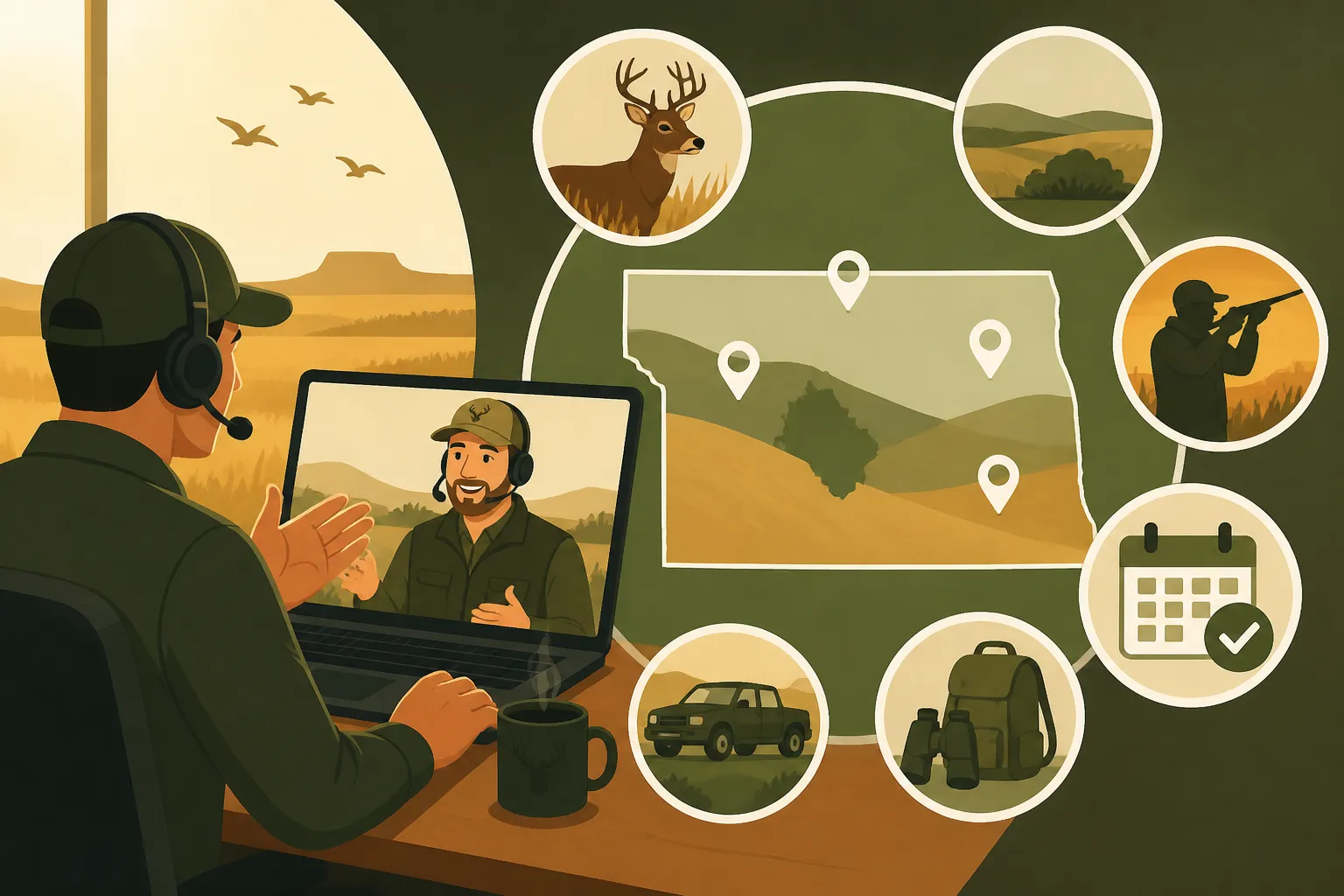
When you’re dreaming of a North Dakota hunting adventure, whether it’s chasing pheasants through golden CRP fields or spotting a mule deer buck in the Badlands, the first big hurdle often feels like finding the right outfitter. It can be overwhelming, sifting through websites and promises. That initial consultation call isn't just a formality; it's your chance to truly connect with a potential guide, understand their operation, and make sure their vision for your hunt aligns with yours. This isn't just a casual chat; it's an information-gathering mission for both sides, setting the foundation for what could be an incredible experience.
Setting the Stage: What an Outfitter Needs to Know About You
Before an outfitter can tell you what they offer, they need to understand what you're looking for. Think of this part of the conversation as your opportunity to paint a clear picture of your expectations, your experience, and your desires for the hunt. A good outfitter will ask a series of thoughtful questions, not just to qualify you as a client, but to genuinely tailor a potential experience.
Firstly, expect to discuss the species you're hoping to pursue. North Dakota offers such a diverse array of hunting opportunities, from White-Tailed Deer Across North Dakota to Ring-Necked Pheasants in North Dakota and everything in between. They'll want to know if you're focused solely on one species, or if you're hoping for a multi-species combo trip, which is quite common here. For instance, many hunters combine pheasant and waterfowl or deer and pheasant during certain overlapping seasons. Be clear about your primary target and any secondary interests. This helps them determine availability, guide expertise, and appropriate timing.
Next, they’ll inquire about your hunting experience level. Are you a seasoned veteran with dozens of tags under your belt, or is this your first big out-of-state hunt? Are you comfortable with long walks in challenging terrain, or do you prefer a more accessible hunt? For instance, someone looking for Spot-and-Stalk Elk in the Little Missouri Badlands will have very different physical requirements than someone focused on Walking North Dakota PLOTS Land for Pheasant. This isn't about judgment; it’s about matching you with the right intensity of hunt and ensuring safety and enjoyment. An experienced outfitter understands that every hunter has different capabilities and preferences.
They will also delve into your desired dates and flexibility. North Dakota's hunting seasons vary, and prime dates, like opening weekends or the peak of the rut, often book up incredibly fast. If you're targeting Hunting the Rut in Early-to-Mid November for deer, an outfitter will need to know that early in the discussion. Having a few flexible date ranges can significantly increase your chances of securing a spot, especially if you're booking for a popular species or during a high-demand period. Don't be surprised if they also ask about the length of your ideal trip – a weekend hunt versus an eight-day expedition can drastically alter logistics and cost.
Finally, they'll likely touch upon group size and accommodation preferences. Are you a solo hunter, a pair of buddies, or a larger corporate group looking for a lodge experience? This impacts everything from guide-to-hunter ratios to available lodging. Some outfitters specialize in smaller, intimate hunts, while others are set up to handle larger parties with full lodge services. Knowing this helps them quickly determine if they can accommodate you and what kind of North Dakota Hunting Lodges and Packages might be suitable. They might also ask about your budget range, not to upsell you, but to ensure they present options that are realistic for your financial comfort.
Your Turn to Grill Them: Essential Questions to Ask Your Outfitter
Once you've shared your initial information, it's time for you to take the reins and ask the probing questions that will help you decide if this particular outfitter is the right fit. Don't be afraid to ask anything and everything that comes to mind; a professional outfitter will appreciate your thoroughness. This is your investment of time and money, after all.
Start with details about the hunting area and access. Where exactly will you be hunting? Is it private land, public land, or a mix? If it's private, is it leased or owned by the outfitter? If it’s public, how do they typically access it, and what are the regulations you should be aware of? This is crucial because Hunting Pressure on North Dakota Public Land can vary wildly. Knowing if they hunt PLOTS Program Explained land or a specific National Grassland can help you gauge the type of experience to expect. Ask about terrain, typical cover, and any specific challenges you might encounter. This allows you to mentally prepare and assess if the hunting style suits you.
Next, inquire about guide experience and typical hunting methods. Who will be your guide? What's their background and experience with the species you're targeting? Do they primarily still-hunt, set up blinds, use dogs, or focus on spot-and-stalk? For instance, if you're pheasant hunting, you'll want to know if they use pointing dogs, flushing dogs, or a combination. If it's a deer hunt, do they favor Hanging a Stand on a Shelterbelt Edge or driving draws? Understanding their approach helps ensure it aligns with your preferred hunting style and ethical considerations. Ask about the typical daily schedule, from wake-up calls to when you usually return to the lodge.
A very important set of questions revolves around success rates and what's included in the package. While no ethical outfitter can guarantee a kill, they should be transparent about their historical success rates, shot opportunities, and harvest numbers. Ask for specific percentages if possible, and understand what factors contribute to these numbers (e.g., weather, hunter skill, specific units). Then, get a clear breakdown of "what's included" and, just as importantly, "what's not included" in their What an Outfitted Package Hunt Includes. This should cover everything from lodging, meals, transportation during the hunt, field dressing, and caping, to potential hidden fees. Clarify if licenses, tags, and gratuities are extra. For instance, a common question is whether North Dakota Hunting Licenses and What They Cost are part of the package price or purchased separately. This conversation will also provide key insights into Vetting a North Dakota Hunting Outfitter.
Navigating the Nitty-Gritty: Licensing, Logistics, and What Happens Next
Beyond the core hunting experience, a good consultation call will also cover the practicalities and administrative details that ensure your trip goes smoothly. These might not be the most exciting topics, but they are absolutely essential.
Let's talk about licensing and tags. North Dakota has specific rules for residents and nonresidents, and depending on the species, some tags are lottery-based. If you're a nonresident, an outfitter might assist with information on North Dakota Nonresident License Options or guide you through the process of obtaining necessary permits, especially for big game. You'll need to know deadlines for applications, how long permits stay valid, and whether there are any special requirements like migratory bird certifications or hunter education. They should also be able to advise on any New 2026 North Dakota Nonresident Waterfowl Restrictions that might impact your trip. Make sure you understand exactly what you need to purchase and when, to avoid any last-minute surprises or disappointments.
Another critical area is logistics before, during, and after the hunt. How do you get to the lodge or meeting point? Do they offer airport pick-up services if you're flying in, perhaps to Bismarck or Fargo? What kind of transportation will be used during the hunt (e.g., ATVs, trucks, walking)? What about meat processing and trophy care? Will they assist with field dressing, quartering, and preparing your game for transport? Do they have partnerships with local meat processors or taxidermists, and what are the estimated costs for these services? This is particularly important for larger game like deer or elk, where proper handling can make all the difference. For hunters coming from afar, understanding shipping options for meat or trophies is vital.
Finally, you must cover payment schedules, deposits, and cancellation policies. A reputable outfitter will have clear terms outlined. What percentage deposit is required to book your hunt? When is the final payment due? What happens if you need to cancel your trip due to unforeseen circumstances, or if they need to cancel due to extreme weather or other issues? Understanding their North Dakota Outfitter Cancellation and Weather Policies upfront can save you a lot of headache and potential financial loss. It's also wise to ask about specific payment methods they accept. Some hunters might even explore hunting trip insurance, especially for high-cost, multi-day hunts. This is also where you might learn if the outfitter uses booking platforms like BookYourHunt or GoHunt for their initial inquiries, and how that impacts the direct booking process.
Beyond the Basics: Red Flags, Green Lights, and Making Your Decision
The consultation call isn't just about collecting facts; it's also about building a rapport and getting a feel for the outfitter's professionalism and integrity. Pay attention to more than just the answers; listen to how they answer, and trust your gut.
Spotting Red Flags During the Conversation
A good outfitter will always be honest and transparent. Be wary if a prospective guide exhibits any of these behaviors:
- Guaranteed Success: If an outfitter guarantees a kill or promises an "easy" hunt, that's a massive red flag. Hunting is unpredictable, and ethical outfitters know that. They should talk about opportunities, effort, and historical success rates, not guarantees.
- Vague Answers to Specific Questions: When you ask about things like license requirements, hunting methods, or what's included, and you get non-committal or evasive answers, that should raise an eyebrow. You need clear, concise information.
- Pushy Sales Tactics: While they're running a business, an outfitter shouldn't pressure you into booking immediately or make you feel uncomfortable. A good fit works both ways.
- Lack of References or Testimonials: A reputable outfitter should be happy to provide references from past clients. If they're hesitant or refuse, that’s a concern. You can also seek out reviews on platforms like BookYourHunt or GoHunt, but a direct conversation with references is invaluable.
- Unrealistic Prices (Too Low or Extravagantly High): While prices vary, if a deal seems too good to be true, it often is. Conversely, exceptionally high prices without clear justification for added value should also be questioned. Understanding the Average Cost of a Guided North Dakota Pheasant Hunt can help set expectations.
Recognizing Green Lights: Signs of a Reputable Outfitter
On the flip side, many positive indicators can tell you you're talking to someone trustworthy:
- Transparency and Honesty: They openly discuss challenges, potential difficulties, and what could go wrong, alongside their strengths and successes. They're forthright about all costs and policies.
- Detailed and Knowledgeable Answers: They provide specific, well-informed answers to your questions, demonstrating a deep understanding of the local hunting environment, regulations, and game behavior. They can speak confidently about North Dakota Deer Population Estimate or North Dakota Pheasant Population Estimate.
- Emphasis on Safety and Ethics: They prioritize safe hunting practices, ethical pursuit of game, and adherence to all North Dakota hunting laws. They might even discuss specific CWD precautions if you're hunting in a North Dakota's Expanding CWD Hunting Units.
- Good Communication: They listen attentively to your needs, ask clarifying questions, and communicate clearly and respectfully. They follow up promptly after the call if necessary.
- Passion for the Outdoors: You can hear the genuine enthusiasm in their voice for hunting, conservation, and providing a memorable experience, not just making a quick buck.
Consultation Call Summary: What to Expect
To help you organize your thoughts and prepare for your call, here’s a quick overview of key topics:
| Topic Area | Outfitter's Questions to You | Your Questions to Outfitter |
|---|---|---|
| Hunt Focus | Desired species, experience level, physical capability, group size, dates | Hunting area/access, guide experience, methods, daily schedule |
| Logistics & Inclusions | Budget, accommodation preference | What's included/not included (meals, lodging, transport), licenses, tags, fees |
| Post-Hunt | (Often none explicitly, implied by desired species) | Meat/trophy care, processing, taxidermy, shipping |
| Business & Policies | Payment schedule, deposit, cancellation policy, references | |
| Red Flags/Green Lights | Transparency, communication, professionalism, safety emphasis |
Making the decision on an outfitter isn't just about finding someone with an open date. It's about finding a partner who understands your goals, operates ethically, and can help you create the North Dakota hunting memory you've been chasing. Take your time with these consultation calls, gather all the information you need, and don't hesitate to reach out to multiple outfitters before making your final choice. This thorough approach is the best way to ensure your adventure lives up to your expectations.
Disclaimer
This article is for general informational purposes only and does not constitute professional advice. Laws, prices and regulations vary by location and change over time. Consult a qualified professional for guidance on your specific situation.