Comparing North Dakota Package Prices by Region
Planning a North Dakota hunting adventure can be incredibly exciting, but the reality of budgeting often brings a bit of a headache. Many hunters find themselves scratching their heads, wondering why a pheasant hunt in the eastern part of the state seems to cost less than chasing mule deer in the Badlands, or why waterfowl outfitters around Devils Lake quote different rates than those on the Missouri River. This guide aims to clear up that confusion by breaking down the various factors that influence hunting package prices across North Dakota's diverse regions, helping you understand what to expect and how to make the most informed decision for your next trip.
Understanding the Factors Driving Regional Price Differences
It's natural to assume a hunt is a hunt, but in North Dakota, the landscape itself—and everything that comes with it—plays a massive role in shaping what you'll pay. From the specific species you're pursuing to the sheer logistics of getting you into prime hunting ground, these elements create distinct pricing tiers across the state. It’s not just about the guide’s time; it’s about the whole infrastructure.
Habitat and Species Scarcity
The type of habitat dictates what animals thrive there, and naturally, how common or rare those animals are. North Dakota is incredibly diverse, boasting everything from vast prairie potholes to rugged badlands and expansive river bottom timber. A hunt for a common species in an easily accessible area will almost always be more affordable than chasing a rare or hard-to-find animal in remote, challenging terrain.
For example, chasing ring-necked pheasants in the highly productive prairie pothole regions of eastern and central North Dakota typically involves vast fields and accessible public and private land. Pheasants are abundant, and the habitat is relatively flat and easy to traverse. In contrast, drawing a coveted elk or bighorn sheep tag for the Elk Hunting North Dakota's Badlands or Moose and Bighorn Sheep Hunting in North Dakota units means you’ll be hunting a much rarer animal in some of the most challenging, remote, and often private terrain in the state. The specialized knowledge, effort, and equipment required for these unique opportunities command premium pricing from outfitters. Similarly, targeting a trophy mule deer in the broken Badlands country requires a different level of scouting and guiding expertise than hunting a whitetail in a river bottom shelterbelt, and these differences are reflected in the package costs.
Outfitter Overhead and Demand
Every business has overhead, and hunting outfitters are no different. What changes significantly, however, is the scale and nature of that overhead depending on the region and type of hunt they offer. An outfitter specializing in prairie pheasant or waterfowl hunts might have significant investments in decoys, layout blinds, UTVs, and dog kennels, along with costs associated with leasing prime agricultural fields or gaining access to key water bodies. Their season might be longer, allowing for more clients.
On the other hand, a specialty guide offering Badlands deer or elk hunts might require more specialized equipment for navigating rough terrain, a smaller, more experienced team of trackers and spotters, and the focus is often on fewer, higher-value clients. They might operate for a shorter, more intense season. Demand also plays a huge role. Regions known for phenomenal waterfowl hunting, like the North Dakota Waterfowl on the Prairie Pothole Flyway around Devils Lake, often see incredibly high demand, which can drive up prices. If everyone wants to hunt a specific area during a peak window, prices will naturally follow suit. Conversely, in areas with less demand or more outfitters competing for clients, prices might be more competitive.
Breaking Down Prices by North Dakota's Key Hunting Regions
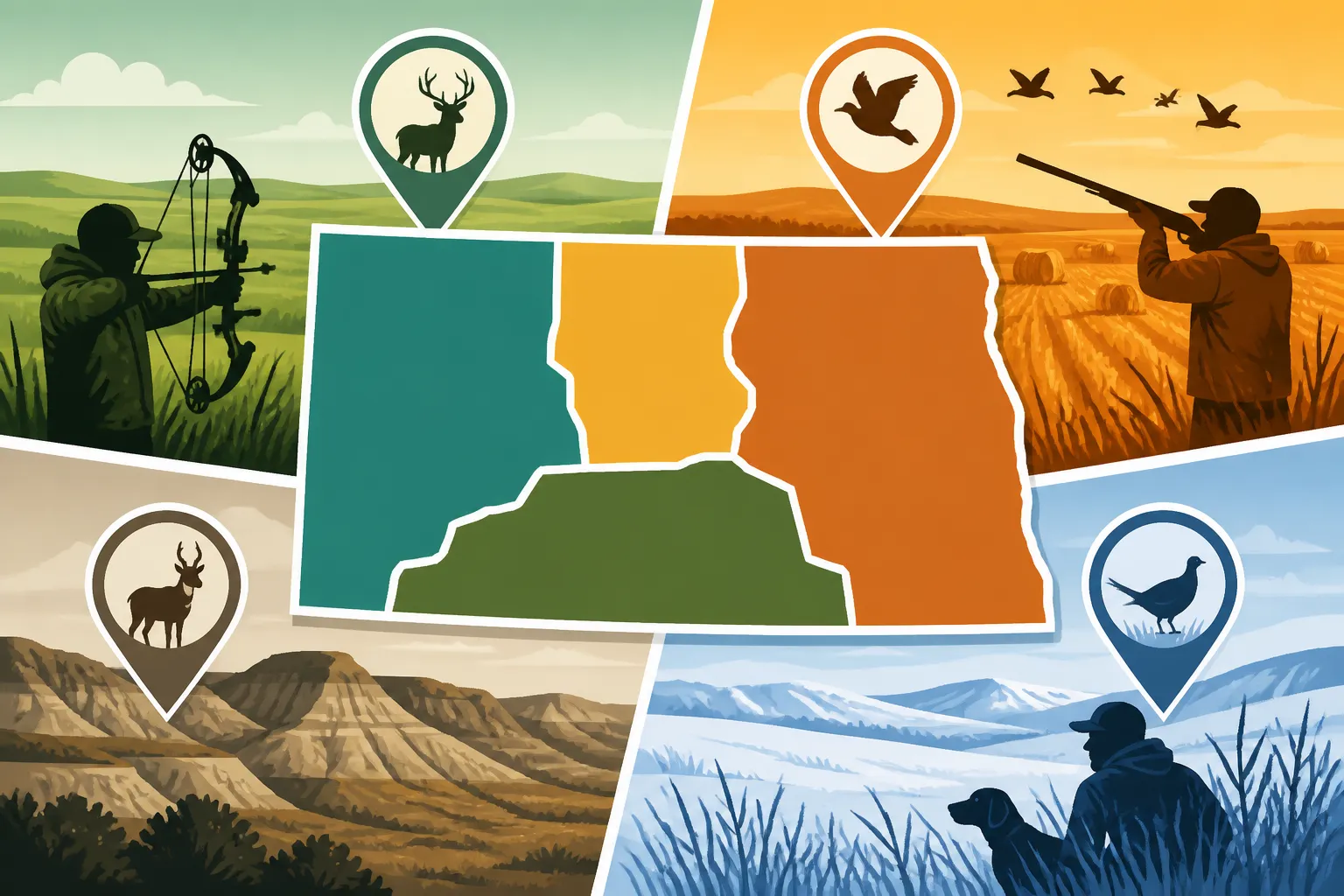
North Dakota can be broadly divided into several distinct hunting regions, each with its own characteristics that influence the cost of a guided hunt. Thinking about the state this way helps to contextualize why prices fluctuate so much from one area to the next.
Western North Dakota: The Rugged Badlands and Open Prairie
The western third of North Dakota, encompassing the dramatic Badlands and vast stretches of open prairie, is home to some of the state's most iconic and often most expensive hunts. This region is where you'll find Mule Deer in North Dakota's Badlands, pronghorn, elk, and bighorn sheep, alongside some excellent whitetail and coyote hunting.
- Mule Deer and Pronghorn: Guided hunts for mule deer in the Badlands are generally on the higher end due to the challenging terrain, the effort required for scouting and spotting, and the lower density of these animals compared to whitetails elsewhere. Pronghorn hunts, while often easier physically, also command significant prices, largely because of the specialized spot-and-stalk tactics and the specific private land access needed to pursue these animals successfully. Expect to pay a premium for these experiences, often reflecting the deep local knowledge and extensive private land access an outfitter provides.
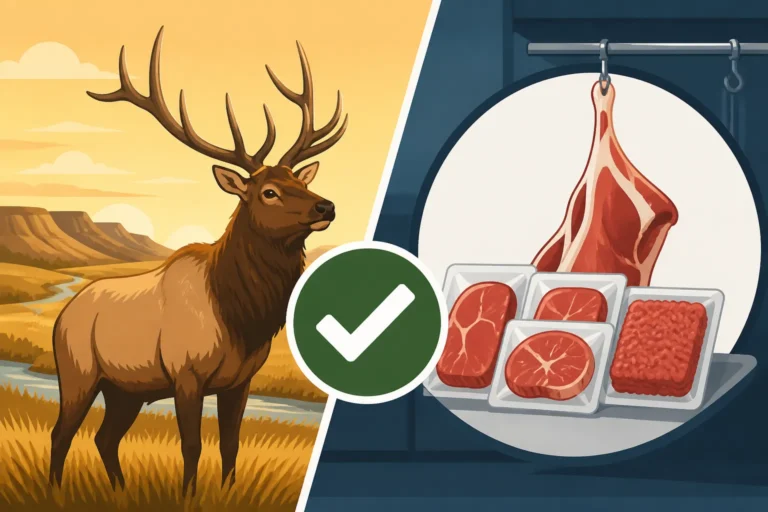
- Elk and Bighorn Sheep: These are North Dakota's "once-in-a-lifetime" species, and if you're lucky enough to draw a tag, the cost of a guided hunt can be very substantial. Outfitters specializing in these animals offer unparalleled expertise in navigating the Badlands, locating the animals, and assisting with the physical demands of the hunt. These are not "turn-and-burn" hunts; they are intensive, multi-day expeditions that require significant resources and dedication from the guide and client alike. While nonresidents can't apply for these tags, if you're a resident who draws, expect to invest heavily in a guide to maximize your odds on such a rare opportunity. You might look for consultants who specialize in these rare tags, often found through specialized hunting publications or online forums like those that GoHunt often showcases.
- Coyote and Predator Hunting: While still requiring expertise, predator hunts are generally more accessible and less expensive than big game hunts in the Badlands. Many outfitters offer calling services or multi-day predator packages that can be a thrilling addition to a trip or a standalone adventure. Predator Calling North Dakota's Badlands Draws can be an intense experience, and the costs reflect the hours spent calling and setting up in challenging conditions.
Central and Eastern North Dakota: Prairie Potholes and Farmland
Moving eastward, North Dakota transforms into the iconic prairie pothole region and fertile farmlands, an absolute mecca for waterfowl and upland birds. This region also offers excellent whitetail hunting, often in river bottoms, shelterbelts, and around agricultural fields.
- Pheasant and Upland Birds: This is arguably North Dakota's most famous hunting, and consequently, there's a wide range of pricing. From basic day rates for guided Pheasant Hunting North Dakota's Prairie to all-inclusive lodge packages that provide everything from gourmet meals to dog kenneling and bird cleaning, you'll find options to fit various budgets. Generally, the more services included, the higher the price. Guided pheasant hunts are often more affordable than big game due to the abundance of birds, the volume of clients an outfitter can handle, and the typically less challenging terrain. Walking North Dakota PLOTS Land for Pheasant is also a very popular self-guided option to save costs.
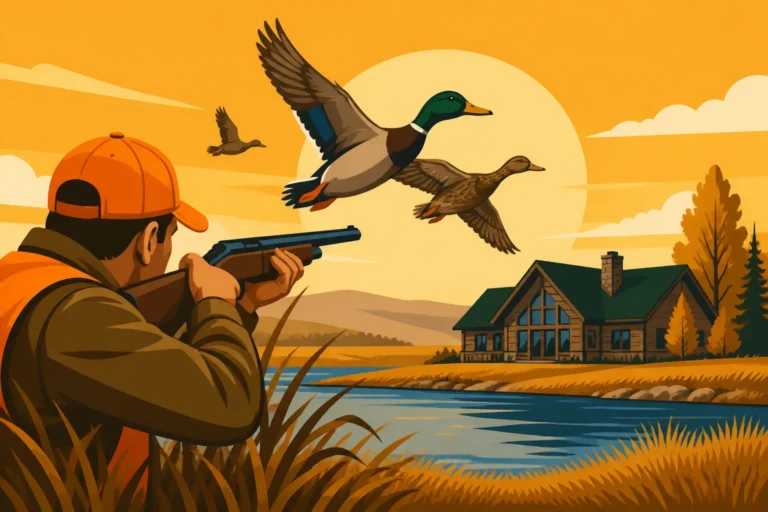
- Waterfowl (Ducks and Geese): North Dakota is world-renowned for its duck and goose hunting, especially in areas like Devils Lake and the Missouri River corridor. Guided waterfowl hunts are a huge business here. Prices can vary depending on the type of hunt (field layout blinds, boat hunts, pass shooting), the species targeted, and the inclusions. Outfitters invest heavily in decoys, blinds, and scouting, and their prices reflect that. You might pay more for hunts on highly sought-after private land or for specific "hot spots" that outfitters have spent years cultivating access to. Many hunters find that utilizing platforms like BookYourHunt can help them compare Booking a North Dakota Waterfowl Guide options and prices in this competitive market. North Dakota Duck and Goose Bag Limits are generous, which is part of the draw for guided hunts, aiming for full limits.
- Whitetail Deer: While less publicized than the big game of the Badlands, central and eastern North Dakota offer fantastic whitetail hunting, especially in the river bottoms and along agricultural areas. Guided whitetail hunts tend to fall into a middle price range, generally less than Badlands mule deer but more than a basic pheasant day hunt. Many outfitters offer rifle, archery, and even Muzzleloader Deer Hunting in Select North Dakota Units packages, often focusing on stands set up in key travel corridors or food sources. These hunts often prioritize comfort, with heated blinds and lodging, adding to the package cost.
Regional Price Comparison Table
To give you a clearer picture, here's a general overview of how hunt package prices typically stack up across different North Dakota regions and species. Remember, these are general shapes of cost; actual prices will vary significantly based on inclusions, duration, outfitter reputation, and time of year.
| Region | Primary Species | Typical Cost Shape (Relative) | Key Factors Influencing Price |
|---|---|---|---|
| Western Badlands | Mule Deer, Elk, Bighorn, Pronghorn | Higher to Very High | Rarity of tags, rugged terrain, specialized scouting, limited outfitters |
| Western Prairie | Pronghorn, Whitetail, Coyote | Moderate to High | Private land access, spot-and-stalk expertise, remoteness |
| Central Prairie Pothole | Pheasant, Waterfowl, Whitetail | Moderate to Higher | High demand, extensive equipment, private land access, lodge amenities |
| Eastern Farmland/River | Pheasant, Waterfowl, Whitetail, Turkey | Lower Moderate to Moderate | Accessibility, abundance of game, competition among outfitters |
| Missouri River Corridor | Whitetail, Waterfowl, Turkey | Moderate to Higher | Prime habitat, demand for specific species, river access logistics |
How to Research and Compare North Dakota Package Prices
Once you have a general idea of what influences pricing, the next step is to dive into the research. This isn't just about finding the cheapest option; it's about finding the best value for your specific hunting goals and budget. It pays to be thorough and ask the right questions.
Utilizing Online Booking Platforms and Outfitter Websites
Many outfitters now have detailed websites showcasing their packages, available dates, and sometimes even price ranges. Websites are a great starting point for Vetting a North Dakota Hunting Outfitter because they often provide photos, testimonials, and detailed descriptions of what's included.
Platforms like BookYourHunt can be incredibly useful. They aggregate multiple outfitters, allowing you to browse different options side-by-side, filter by region or species, and sometimes even see package prices directly. This can save you a ton of time compared to visiting dozens of individual outfitter sites. Similarly, resources from GoHunt often include outfitter directories and reviews, giving you a broader perspective on reputable operators and their offerings. Look for details on what's included in the base price versus what's an add-on. Are meals provided? Is lodging included? What about bird cleaning, caping, or processing? Knowing these details upfront helps prevent sticker shock later.
Direct Communication and Detailed Inquiries
The internet is great, but nothing beats a direct conversation with an outfitter. After you've narrowed down your choices, pick up the phone or send an email with a list of specific questions. Don't be shy about asking for clarification on package details, especially regarding costs.
Here are some key questions to ask:
- What exactly is included in the package price? Be specific: lodging, meals, guide services, transportation during the hunt, field dressing, bird cleaning, dog handling, licenses/tags (usually separate, but confirm).
- Are there any hidden fees or extra costs I should be aware of? This could include tips for guides and staff, gun rental, ammunition, airport pickup, meat processing, or trophy fees for larger animals if applicable.
- What is the deposit and cancellation policy? Life happens, and understanding what happens if you need to reschedule or cancel is crucial.
- What is the typical group size for this hunt? This can impact your personal hunting experience and attention from the guide.
- Can you provide references from past clients? Speaking to previous hunters can give you invaluable insight into the outfitter's operation, success rates, and overall client satisfaction.
- What dates are available, and do prices vary by time of season? Early season, rut, or late-season hunts can sometimes have different price points.
For waterfowl hunts specifically, clarify if the package includes hunting over specific water bodies or only field hunts. For deer, confirm if it's strictly stand hunting or if other methods like Hunting a Shelterbelt Edge for Deer or rattling are employed.
Maximizing Value: Tips for Booking Your North Dakota Hunt
Finding the right price isn't just about comparing numbers; it's about getting the most out of your investment. There are several strategies you can employ to maximize the value of your North Dakota hunting package, whether you're looking to save a bit of money or simply get more bang for your buck.
Understanding Package Inclusions and Exclusions
This is where the devil is truly in the details. A seemingly cheaper package might nickel-and-dime you with add-ons for things you assumed were standard. Always refer back to that list of questions you asked. For example, a "fully guided" pheasant hunt might include a guide and dogs, but if it doesn't cover lodging or meals, those costs add up quickly. Some outfitters, particularly those catering to higher-end clients, offer truly all-inclusive packages that cover almost everything from the moment you land at the airport to the moment your processed birds are shipped home. While these upfront costs might look higher, they can often represent excellent value, especially for nonresident hunters who want a seamless, worry-free experience.
Conversely, some outfitters offer "semi-guided" or "drop camp" options, particularly in areas like the Badlands. These are often more affordable as they provide less direct daily supervision. You might get a rundown of the area, some likely spots, and retrieval assistance, but the actual hunting is largely up to you. This can be a great way to Hunting North Dakota's Little Missouri National Grassland on a budget if you're an experienced hunter comfortable with self-reliance. Always ask What's Included in a Pheasant Package or any other package you're considering.
Timing Your Hunt and Considering Group Bookings
Just like travel, hunting has its peak seasons, and those often come with peak pricing. If your schedule allows, consider booking your hunt during slightly off-peak times. For instance, the very beginning of pheasant season or the late-season hunts can sometimes be slightly more affordable or offer better availability. Early-week bookings (Monday-Wednesday) might also see a slight reduction compared to prime weekend slots.
Another excellent way to maximize value is to book as a group. Many outfitters offer discounted rates or special packages for groups of 4, 6, or more hunters. Splitting the cost of a lodge and guide among several people can significantly reduce the individual burden. Plus, hunting with friends or family often enhances the overall experience and creates lasting memories. When planning, consider using platforms like BookYourHunt to send inquiries for group rates, as they can sometimes negotiate on your behalf or quickly identify outfitters with suitable group accommodations.
Beyond the Price Tag: Reputation and Experience
While price is a major consideration, it shouldn't be the only factor in your decision. A cheap hunt that results in a miserable experience, no animals, or safety concerns isn't a good value at all. Always prioritize an outfitter's reputation, safety record, and client testimonials. Tools like GoHunt or online forums can provide insights into other hunters' experiences.
Look for outfitters who have a long-standing history, positive reviews, and transparency in their operations. A well-run outfitter will be happy to answer all your questions, provide references, and discuss their approach to ethical hunting and client satisfaction. Sometimes, paying a little more for a proven track record, experienced guides, and excellent accommodations is an investment that truly pays off in the quality of your hunting adventure and the memories you bring home.
Disclaimer
This article is for general informational purposes only and does not constitute professional advice. Laws, prices and regulations vary by location and change over time. Consult a qualified professional for guidance on your specific situation.