Booking Two Species in One North Dakota Trip
It’s a common dream for any avid hunter: stepping into the vast, open expanse of North Dakota and not just targeting one trophy or one bag limit, but stretching your skills across multiple species in a single, unforgettable trip. The thought of chasing a wary whitetail in the morning, then shifting gears to decoy ducks in the afternoon, sounds like a perfect adventure. However, the reality of pulling off a multi-species hunt in North Dakota can feel like untangling a ball of yarn, full of licensing quirks, overlapping seasons, and logistical puzzles. This guide is here to walk you through how to strategize and successfully book a North Dakota trip that lets you pursue more than one passion.
The Allure of the North Dakota Multi-Species Hunt
There’s something undeniably appealing about maximizing your time and effort in the field. North Dakota, with its incredible diversity of habitat, offers a unique canvas for hunters looking to blend different experiences into one epic journey. It’s not just about harvesting more animals; it's about experiencing the full spectrum of what the prairie and badlands have to offer.
Why Combine Species in One Trip?
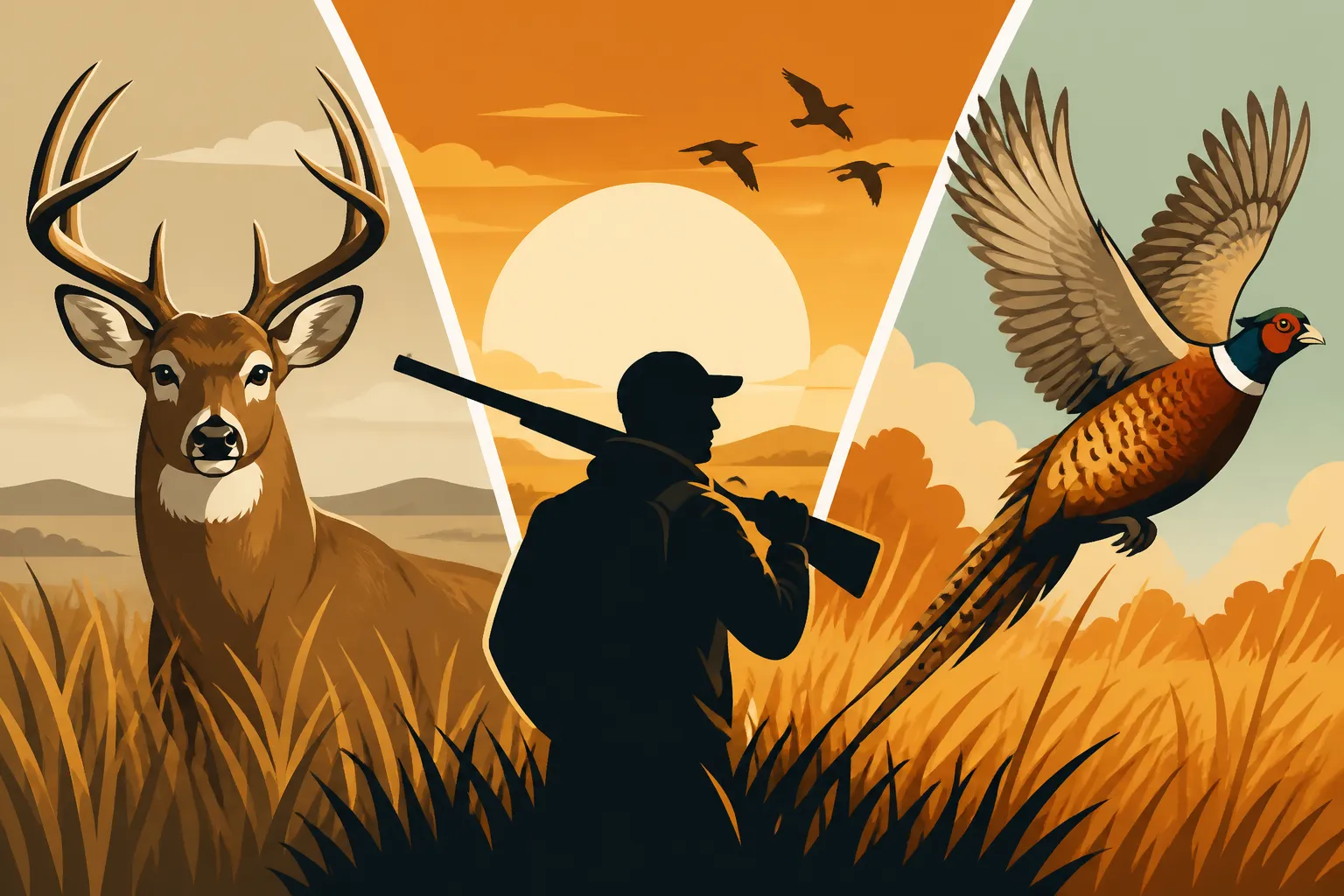
For many, the biggest motivator for a combo hunt is simple efficiency. You've already invested in travel, lodging, and taking time off work. Why not make the most of it? Imagine the thrill of calling in coyotes at dawn, then heading to a cattail slough to jump-shoot a prairie pothole for mallards before the sun sets. Or perhaps you're drawn to the idea of a morning Pheasant Hunting North Dakota's Prairie, followed by an afternoon sitting on a field edge, hoping a whitetail deer makes an appearance.
Beyond efficiency, a multi-species hunt offers a richer, more varied experience. It hones different skill sets – the patience of a deer hunter, the quick reflexes of a bird hunter, the stealth of a predator caller. Each species presents its own set of challenges and rewards, keeping you engaged and adaptable. It’s a chance to immerse yourself deeper into the diverse ecosystems of North Dakota, from the rugged badlands to the sprawling prairie potholes.
Popular Combinations and Their Overlapping Seasons
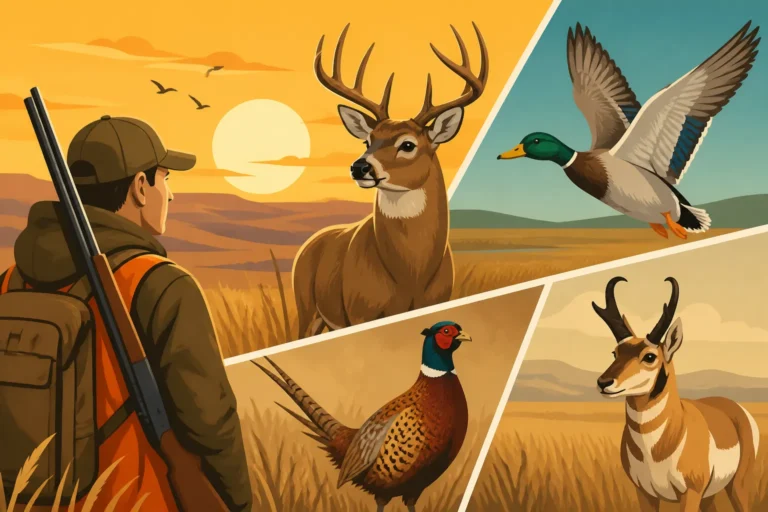
North Dakota’s diverse game populations lend themselves well to several popular combo hunt scenarios. The key is understanding which seasons align and which species inhabit similar regions. Waterfowl and upland birds are often a natural fit, as are deer and predators.
Here's a look at some common and effective combinations:
| Primary Species | Secondary Species (Common Combo) | Overlapping Season Window (General) | Notes on Habitat & Strategy |
|---|---|---|---|
| Deer (Archery) | Waterfowl/Upland Birds/Coyote | Early September – Mid-October | Archery deer season is long. Can easily combine with early pheasant, sharptail, Hungarian partridge, and duck/goose hunting. Coyotes are open year-round. Requires careful planning of gear and time allocation. |
| Pheasant | Waterfowl/Deer (Archery) | Mid-October – Late November | Prime pheasant season overlaps with waterfowl (ducks/geese) and the later part of archery deer season. Excellent for a mixed bag bird hunt or adding a deer component. |
| Waterfowl | Pheasant/Deer (Archery) | Early September – Late December | Main waterfowl migration coincides with much of the pheasant season and archery deer. Can be excellent for field hunting geese, then walking cattails for pheasants. |
| Deer (Gun) | Coyote/Late Waterfowl | Mid-November | North Dakota's gun deer season is short. Requires focus, but coyotes are always an option. Late-season geese can also offer opportunities in specific areas. |
Planning your hunt requires careful attention to the North Dakota Pheasant and Upland Season Rules and North Dakota Duck and Goose Bag Limits. These regulations can help you pinpoint the best windows. Many hunters find resources like BookYourHunt helpful for finding outfitters who specialize in these mixed-bag adventures, offering packages that cover multiple species simultaneously or back-to-back. They often have real-time availability and specific details on what each outfitter can offer.
Navigating the Licensing Labyrinth for Multi-Species Success
The biggest hurdle for many aspiring multi-species hunters in North Dakota is the licensing structure. It’s not as simple as buying one permit and being good to go for everything. Each species, especially for nonresidents, often has its own set of requirements, application processes, and deadlines. It’s crucial to understand these nuances well in advance to avoid disappointment.
Understanding North Dakota's License Structure
North Dakota employs a tiered licensing system. Generally, you'll need a "General Game and Habitat License" as your base, which then allows you to purchase additional species-specific licenses or apply for draws. For nonresidents, this often includes a "Nonresident Small Game License" or a "Zone-Restricted Waterfowl License" if you plan on targeting birds.
Deer licenses, particularly for gun season, are typically part of a lottery system. Nonresidents specifically face more limited options for deer, usually focused on archery tags or specific antlerless units. Elk, moose, and bighorn sheep are considered "once-in-a-lifetime" species with highly competitive resident-only lotteries, meaning they are generally not an option for nonresidents looking to combine hunts. It's vital to research North Dakota Hunting Licenses and What They Cost and understand North Dakota Nonresident License Options before you even start dreaming of what to combine. Each type of hunting requires its specific authorization.
Timing Your Applications and Purchases
This is where organization becomes paramount. Deer lottery applications for gun tags have strict deadlines, usually in early June. While archery deer licenses for nonresidents are generally over-the-counter (after a specific date restriction for public land), planning is still key. Waterfowl and upland bird licenses can typically be purchased closer to the season or even online, but you don't want to leave it to the last minute.
For a multi-species trip, you’ll likely be juggling multiple timelines. For instance, if you want to bowhunt deer in September (which North Dakota Archery Season Opening Day often falls near) and then hunt pheasants and ducks in October, you'd need to secure your archery deer tag early and then purchase your bird licenses as they become available. Utilizing platforms like GoHunt can be incredibly helpful here, as they often have comprehensive calendars and reminders for application deadlines across different states and species, helping you track the various critical dates for North Dakota. Without careful planning, you might miss a crucial window for one of your desired species.
Logistics: Finding Overlapping Seasons and Accessible Land
Even with your licenses sorted, the next major hurdle is figuring out where and when these species will truly overlap in huntable areas. North Dakota is a big state, and while many species are widespread, their prime habitats might not always coincide perfectly or be readily accessible for a combo hunt.
Mapping Out Seasonal Overlaps
While the general season dates might overlap on paper, the best hunting for each species often peaks at different times. For example, early September might be fantastic for archery deer and sharp-tailed grouse, but the main waterfowl migration typically doesn't hit until October or November. Conversely, late November offers strong chances for late-season deer and geese, but pheasant numbers might be more scattered after weeks of hunting pressure.
The sweet spot for many combo hunts tends to be October into early November, when archery deer is still strong, upland birds are plentiful, and waterfowl numbers are building. If you're aiming for something like Bowhunting North Dakota's Long Archery Season alongside some bird hunting, focusing on that early to mid-fall window is often your best bet. Always cross-reference the specific unit you plan to hunt with the general migration patterns for birds and rut activity for deer. Local knowledge from a guide or extensive scouting via online maps, possibly leveraging tools like GoHunt for their public land maps and habitat analysis, becomes invaluable here.
Public vs. Private Land for Multi-Species Access
Finding land where you can legally pursue multiple species on the same day can be a challenge. North Dakota has a fantastic array of public access lands, but each type comes with its own considerations for a combo hunt:
- PLOTS (Private Land Open to Sportsmen): This program provides access to private land enrolled by landowners. The PLOTS Program Explained reveals it's often excellent for upland birds and deer. However, vehicle access might be restricted, and some tracts are better for one species than another. You'll need to check the specific signs on each PLOTS tract to understand what activities are allowed.
- Waterfowl Production Areas (WPAs): As the name suggests, these are prime for ducks and geese, but many also hold good numbers of pheasants and even deer in suitable cover. Hunting a WPA for ducks in the morning and then transitioning to the edges for pheasants later is a classic combo.
- National Grasslands (Little Missouri, Sheyenne): These vast tracts, especially the Hunting North Dakota's Badlands (Little Missouri), are fantastic for mule deer, whitetails, and even some upland birds. Their immense size offers diverse habitat but requires significant effort to scout and hunt effectively. You can often combine big game with predator calling here.
- Wildlife Management Areas (WMAs): State-managed lands often offer excellent mixed-bag opportunities, designed to support a variety of game.
If you're considering private land, Getting Private Land Permission in North Dakota for multiple species requires even more legwork. Farmers and ranchers might grant access for deer, but not for birds, or vice versa, based on their specific land management practices. An outfitter who has established relationships with multiple landowners will greatly simplify this.
The Outfitter Advantage for Combo Hunts
For many hunters, especially those traveling from out of state, the logistical complexities of a multi-species North Dakota hunt can be overwhelming. This is where a reputable outfitter truly shines. Outfitters, particularly those found on platforms like BookYourHunt, often have:
- Extensive Private Land Access: They've cultivated relationships with multiple landowners, securing exclusive access to thousands of acres that hold a variety of game. This means you won’t be scrambling for public land that might be pressured.
- Deep Local Knowledge: They know the exact spots where ducks are flying, where pheasants are holding, and which draws deer are using. They understand the nuances of the weather, migration patterns, and animal behavior.
- Logistical Support: From guiding you to prime spots to providing decoys, dogs, and transportation, they handle the nitty-gritty details, freeing you up to focus on the hunt.
- Tailored Packages: Many outfitters are experienced in designing multi-species packages, for instance, a "Cast & Blast" (fishing and hunting) or a "Feather & Fur" (birds and deer/predators) option. They can advise you on the most realistic and productive combinations for the time of year you plan to visit.
While the cost of a guided hunt is an investment, the peace of mind and increased success rate for a complex multi-species trip often make it worthwhile. You're not just buying a hunt; you're buying expertise and access that would take years to acquire on your own. For example, if you're specifically looking at upland birds, Booking a Guided North Dakota Pheasant Hunt can give you an idea of what to expect from an outfitter.
Practical Considerations for a Successful Combo Trip
Once you've wrapped your head around the licensing and potential locations, there are still a few practical elements to consider to ensure your multi-species North Dakota adventure is everything you dreamed of.
Gear and Prep for Diverse Hunts
This is where your packing list gets interesting! A deer hunt often means quiet, layered clothing, maybe a treestand, and specific rifle or archery gear. A waterfowl hunt requires waders, camouflage, decoys, and a different shotgun. Upland bird hunting needs comfortable walking boots, blaze orange, and a fast-swinging shotgun.
For a combo hunt, you'll need to strategically combine gear without overpacking. Think versatility. Layering systems are crucial for North Dakota's fickle weather. A good pair of waterproof, insulated boots might work for both bird and deer hunting. You'll likely need to bring both a shotgun and a rifle/bow, along with the appropriate ammunition or arrows. Discuss your gear needs in detail with your outfitter if you're using one, as they might provide some equipment like blinds or decoys. Be realistic about what you can comfortably transport and manage in the field.
Balancing Expectations and Realistic Goals
It's easy to get carried away with the idea of filling every tag for every species, but a multi-species hunt is about the experience as much as the harvest. You're trying to fit different hunting styles into one trip, and each requires its own focus. Don't expect to bag a Boone & Crockett whitetail, limits of mallards, and a pile of pheasants all in the same day.
Prioritize. If your main goal is a mature whitetail, then most of your time and effort should go towards that, with bird or predator hunting as a secondary, opportunistic pursuit. If a mixed bag of upland and waterfowl is the primary draw, then the deer hunting might be a sit in a ground blind during midday lulls. Understand that success rates for a combo hunt are typically lower for each individual species compared to a dedicated hunt for just one. Enjoy the process, the diverse landscapes, and the challenge of switching gears.
Working with Outfitters and Guides on Multi-Species Trips
If you choose to book with an outfitter, clear and detailed communication upfront is absolutely critical for a combo hunt. Don't assume they know your expectations. When you're Vetting a North Dakota Hunting Outfitter, make sure to discuss:
- Your specific target species: Be clear about which species are your priority and which are secondary.
- Time allocation: How will the days be structured? Will it be morning ducks, afternoon pheasants? Or will it be alternating full days between deer and birds?
- Success metrics: Ask about realistic success rates for each species when combined, not just overall success rates.
- Gear and logistics: Confirm what equipment they provide (decoys, blinds, dogs) and what you are expected to bring. Discuss transportation between different hunting areas.
A good outfitter will be transparent about what’s feasible and help manage your expectations. They understand the nuances of the seasons and animal movements, and they’ll be your best resource for creating a balanced and rewarding multi-species itinerary. Utilizing platforms like BookYourHunt allows you to filter for outfitters who specifically offer multi-species packages, and to read reviews from other hunters who have tried these types of trips.
Disclaimer
This article is for general informational purposes only and does not constitute professional advice. Laws, prices and regulations vary by location and change over time. Consult a qualified professional for guidance on your specific situation.