When North Dakota’s Archery Season Opens
That first crisp morning of September, when the air just starts to hint at autumn and the prairie sun feels a little less scorching, is often when many of us start to feel that familiar itch – the archery season is just around the corner. For anyone wondering exactly when North Dakota's archery season opens and what that means for your deer hunt, this guide will walk you through the typical schedule, what to expect, and crucial details for planning your early-season adventure.
Understanding North Dakota's Archery Season Calendar
North Dakota's archery season has a pretty predictable rhythm, which is a blessing when you're trying to plan your vacation days or dial in your gear. For deer, elk, and moose, the season traditionally kicks off on the first Friday in September. This consistent opening date allows hunters to mark their calendars well in advance and start their preparations without much guesswork.
The Consistent Opening Day
Imagine that specific Friday rolls around. You've been practicing your shot all summer, your broadheads are razor-sharp, and you've got your favorite hunting spot in mind. This regularity is fantastic because it eliminates a lot of the anxiety that comes with variable season dates in other states. While wildlife agencies always post official dates, you can almost always count on that first Friday in September to be the day. This long season, often stretching from early September all the way through the end of the year, offers a wide window of opportunity, covering early season patterns, the peak rut, and late-season cold snaps. If you want to dive deeper into the full scope of the season, you might find our guide on North Dakota's Long Archery Season particularly helpful.
Why Checking Official Sources is Still Key
Even with this consistency, it's absolutely vital to confirm the exact dates each year. While the first Friday in September is a strong historical trend, wildlife management is a dynamic process. Rule changes, population fluctuations, and other factors could subtly shift things. The North Dakota Game and Fish Department (NDGFD) website is your go-to for the most current and official regulations. Don't rely solely on word-of-mouth or last year's calendar. Taking a few moments to verify the official North Dakota Archery Season Dates can save you a lot of heartache and ensure you're hunting legally and responsibly. It’s also a good idea to check the NDGFD app, which can be an invaluable tool when you’re out in the field.
Early Season Archery Opportunities and Challenges
The early archery season in North Dakota is a unique beast. It's often marked by warm temperatures and different deer patterns compared to the later, colder months. Understanding these dynamics is crucial for success, whether you're a seasoned North Dakota hunter or someone new to the prairie.
Weather and Deer Behavior in Early September
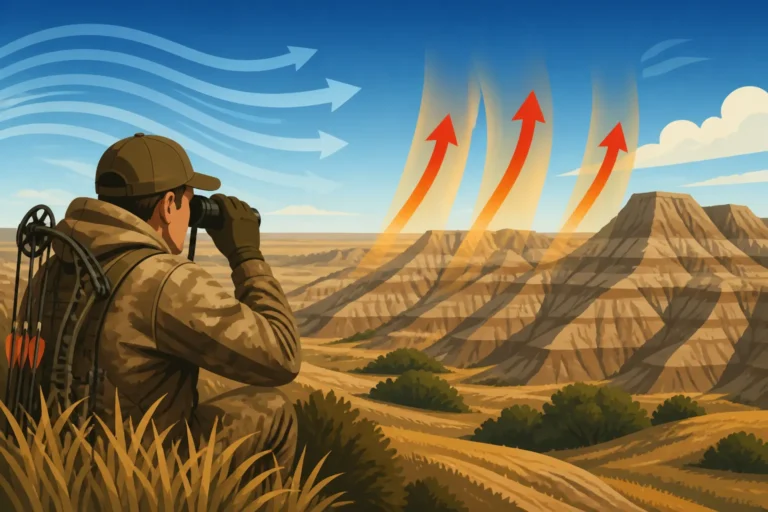
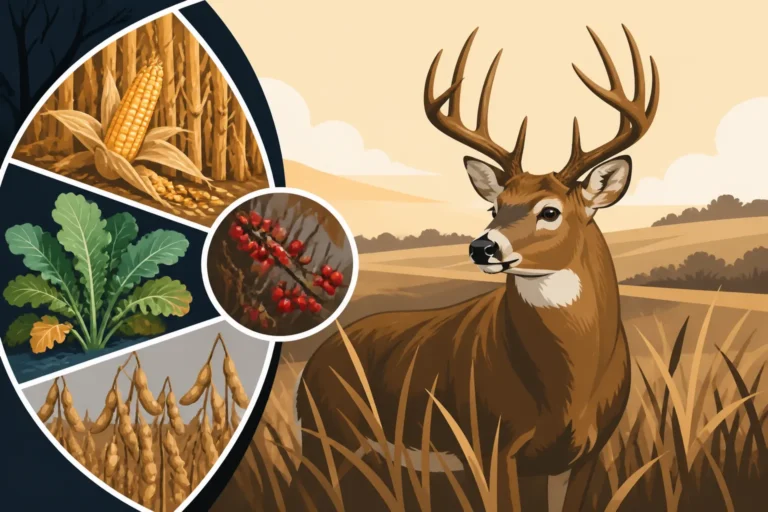
When that season opener hits, you might still be dealing with summer-like conditions. Temperatures can easily climb into the 70s or even 80s Fahrenheit, especially during the midday hours. This means deer are still largely on their summer patterns. They're heavily focused on food sources like standing alfalfa, cut grain fields, and lush native vegetation, and they'll be seeking shade and water during the hottest parts of the day. You won't typically see them moving much during midday. Instead, focus your efforts on the first hour or two after sunrise and the last couple of hours before sunset. Consider how the heat affects their daily routines – they’ll be bedding in thick cover, often near water, to stay cool. Understanding these North Dakota Deer Population Estimate trends and local habits can give you a significant advantage.
Tactics for Warm Weather Bowhunting
Hunting in early September means adapting your tactics. Forget long sits in open fields during the afternoon. Instead, concentrate on areas with reliable water sources, heavy shade, and natural funnels that deer use to access evening food plots or bedding areas. Still-hunting along river bottoms or through dense shelterbelts can be effective, especially if you can get in before the sun gets too high. Hanging a Stand on a Shelterbelt Edge can be a fantastic tactic during this period, offering shade and cover, while intercepting deer moving between bedding and feeding. Scent control becomes paramount with the heat – deer will be on high alert for anything out of place. Investing in good scent elimination sprays and clothing can make a real difference. GoHunt's detailed maps and public land overlays are excellent for identifying these types of prime early-season spots, showing topography, water features, and vegetation density that can help you pinpoint bedding and travel corridors.
Navigating Nonresident Archery Rules and Restrictions
For our nonresident friends dreaming of a North Dakota archery hunt, there's a crucial regulation you need to be aware of right from the start. North Dakota has specific rules regarding nonresident access to public lands during the initial phase of the archery deer season. This isn't meant to be a roadblock, but rather a way to manage hunting pressure, and it requires careful planning.
The Nine-and-a-Half-Day Public Land Restriction
Nonresidents are restricted from hunting deer on public lands in North Dakota for the first nine and a half days of the archery deer season. This includes all state-owned or managed lands like Wildlife Management Areas (WMAs), State School Lands, and federal lands such as Waterfowl Production Areas (WPAs) and National Grasslands. This restriction is a significant point of frustration for many out-of-state hunters, but it's important to understand and plan around it. If you're looking for more detailed information, our article on How Many Days Nonresidents Wait for Public Land Bow Access delves into this topic thoroughly. This rule applies to both deer and turkey, so if you're planning a combo hunt, keep that in mind.
Planning Your Hunt During the Restricted Period
So, what does this mean for nonresidents? You have a few options if you want to hunt during those initial 9.5 days:
- Private Land with Permission: This is the most common and often most successful route. If you have secured permission to hunt private land, the public land restriction doesn't apply to you. This is where your networking skills, or perhaps a good outfitter, come into play. Many farmers and ranchers are open to bowhunters, especially if you approach them respectfully and well in advance. Remember, North Dakota Trespass and Permission Law requires explicit permission to hunt private land.
- Wait It Out: Many nonresidents simply plan their trips to start after the initial 9.5-day period has passed. This allows them full access to the state's extensive public lands, including the sprawling North Dakota's Little Missouri National Grassland and various PLOTS (Private Land Open To Sportsmen) tracts. While you miss the very opening days, you still have ample opportunity for a fantastic hunt, especially as deer patterns shift with cooler weather. GoHunt's platform can be especially useful here, as you can use their mapping tools to identify potential private land access points and plan your approach, or even identify the best public lands to target once the restriction lifts.
Essential Preparation for Archery Opening Day
Regardless of whether you're a resident or nonresident, proper preparation is the bedrock of a successful and enjoyable archery season. The early season demands its own unique set of pre-hunt rituals and considerations.
Pre-Season Scouting and Intel Gathering
The work for opening day starts long before the actual hunt. Pre-season scouting is non-negotiable. This means spending time in your hunting area, observing deer movements, identifying key food sources, bedding areas, and travel corridors. Look for fresh rubs, scrapes, and tracks. Pay attention to how deer use the terrain, especially in relation to water and shade, which are critical in early September. The NDGFD offers a wealth of information, and tools like GoHunt provide invaluable aerial imagery and land ownership maps that can help you scout from your couch before ever setting foot in the field. They also help immensely with Scouting PLOTS Land Before Season, allowing you to understand the terrain and cover remotely.
Gear Check and Bow Tune-Up
Your bow is your primary tool, and it needs to be in perfect working order.
- Bow Tune-Up: Ensure your bow is properly tuned, especially after a summer of practice. Check cam timing, arrow rest alignment, and peep sight position.
- Broadheads: Are your broadheads sharp? Are they flying true with your field points? Don't wait until the week before the season to test this. Different broadheads can have varying flight characteristics, so make sure yours are dialed in.
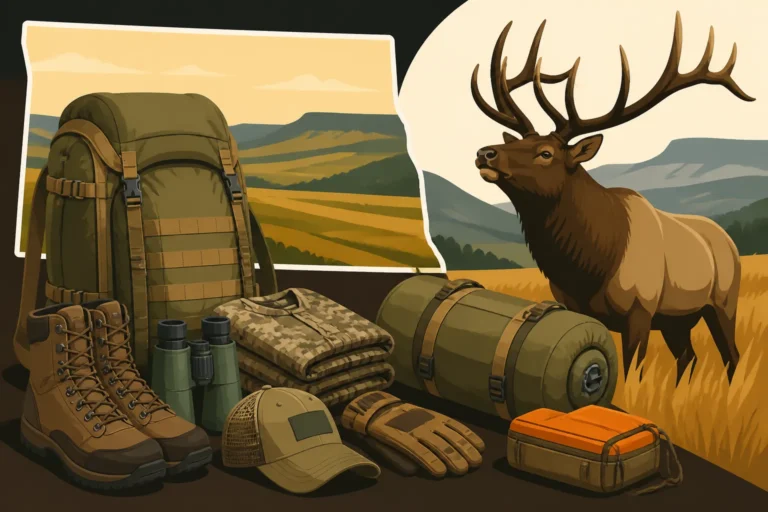
- Clothing: Think layers. Early mornings can be cool, but midday quickly heats up. Lightweight, breathable, moisture-wicking clothing is your best friend. Don't forget good quality, comfortable boots for those long walks.
- Scent Control: As mentioned, scent control is paramount. Have your system ready – scent-free detergent, spray, and storage bags.
- Stand/Blind: If you're using a treestand or ground blind, inspect it thoroughly. Check straps, cables, and structural integrity. Make sure your Using a Ground Blind on PLOTS Land strategy includes brushing it in well in advance.
Physical Conditioning and Mental Preparedness
Archery hunting, especially in North Dakota's varied terrain, can be physically demanding. Long walks, climbing into stands, and potentially tracking game all require a certain level of fitness. Start an exercise routine well before the season to ensure you're in good shape. Beyond the physical, mental preparedness is just as important. Stay sharp with your shooting, visualize successful hunts, and be ready for the challenges and opportunities the early season presents. Remember, a cool head under pressure is often what separates a successful hunt from a missed opportunity. Make sure you're aware of North Dakota Hunter Education Requirements if you're new to hunting or haven't taken a course in a while.
Here’s a quick overview of some key considerations for your North Dakota archery season:
| Consideration | Details | Nonresident Impact |
|---|---|---|
| Opening Day | Typically the first Friday in September. Confirmed annually by NDGFD. | Nonresidents restricted from public land for first 9.5 days. |
| Early Season Weather | Can be warm, 70s-80s°F. Deer active early morning/late evening, seeking shade and water during midday. | Factor heat into public land hunt start date if waiting, or private land strategy. |
| Key Tactics | Focus on water, shade, thick cover, food sources. Scent control is crucial. Still-hunting effective. | Same tactics apply, but private land offers more flexibility during the restriction. |
| License & Tags | Obtain necessary licenses and archery deer tags well in advance. | Nonresidents must adhere to the 9.5-day public land restriction unless hunting private land with explicit permission. Check the cost of North Dakota Nonresident Deer Gun Lottery Cost if you consider other seasons. |
| Scouting | Vital for locating current deer patterns, food, and water sources. Use maps/apps like GoHunt. | Essential for both private land access (during restriction) and public land (after restriction lifts). |
| CWD Zones | Be aware of North Dakota's Expanding CWD Hunting Units and mandatory testing requirements if applicable. | Important for all hunters to understand and comply with. |
Disclaimer
Hunting regulations and season dates can change. While this guide provides general information based on typical patterns, it is your responsibility to consult the official North Dakota Game and Fish Department website or regulations booklet for the most current and accurate rules and dates before planning and embarking on any hunting trip.