Using a Ground Blind on PLOTS Land
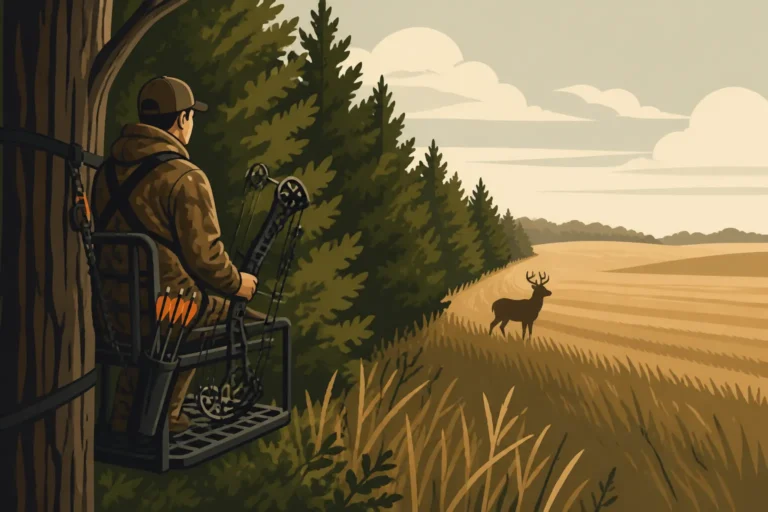
Public hunting land in North Dakota, particularly the scattered PLOTS tracts, can feel incredibly daunting for hunters looking to set up a successful ambush. Without the dense, old-growth timber you might find elsewhere, trying to hang a traditional treestand often means you're more exposed than hidden, and attempting to stalk in such open country frequently results in spooked game. This guide will delve deep into the strategic use of a ground blind on PLOTS land, offering practical advice and tactical insights to help you overcome these challenges and significantly boost your chances of success.
The Strategic Advantage of Ground Blinds on PLOTS Land
Hunting on North Dakota's vast, often open, landscape presents a unique set of challenges. For many, the idea of traditional tree stand hunting becomes a non-starter when looking at the sparse cover available on Public Land Open To Sportsmen (PLOTS) acreage. This is where ground blinds truly shine, offering a versatile and effective solution for concealment.
Overcoming Open Terrain Challenges
The reality of many PLOTS parcels is that they consist of agricultural fields, grasslands, or thin shelterbelts—places where natural vertical cover suitable for a treestand is hard to come by, if it exists at all. Even small clusters of trees might be too isolated, providing a poor backdrop and making you a visible silhouette against the prairie sky. I've spent countless hours trying to make a small sapling or a lone cottonwood work for a treestand, only to realize I was more visible than hidden. That frustration led me to embrace the ground blind, and it’s been a game-changer on many a North Dakota hunt.
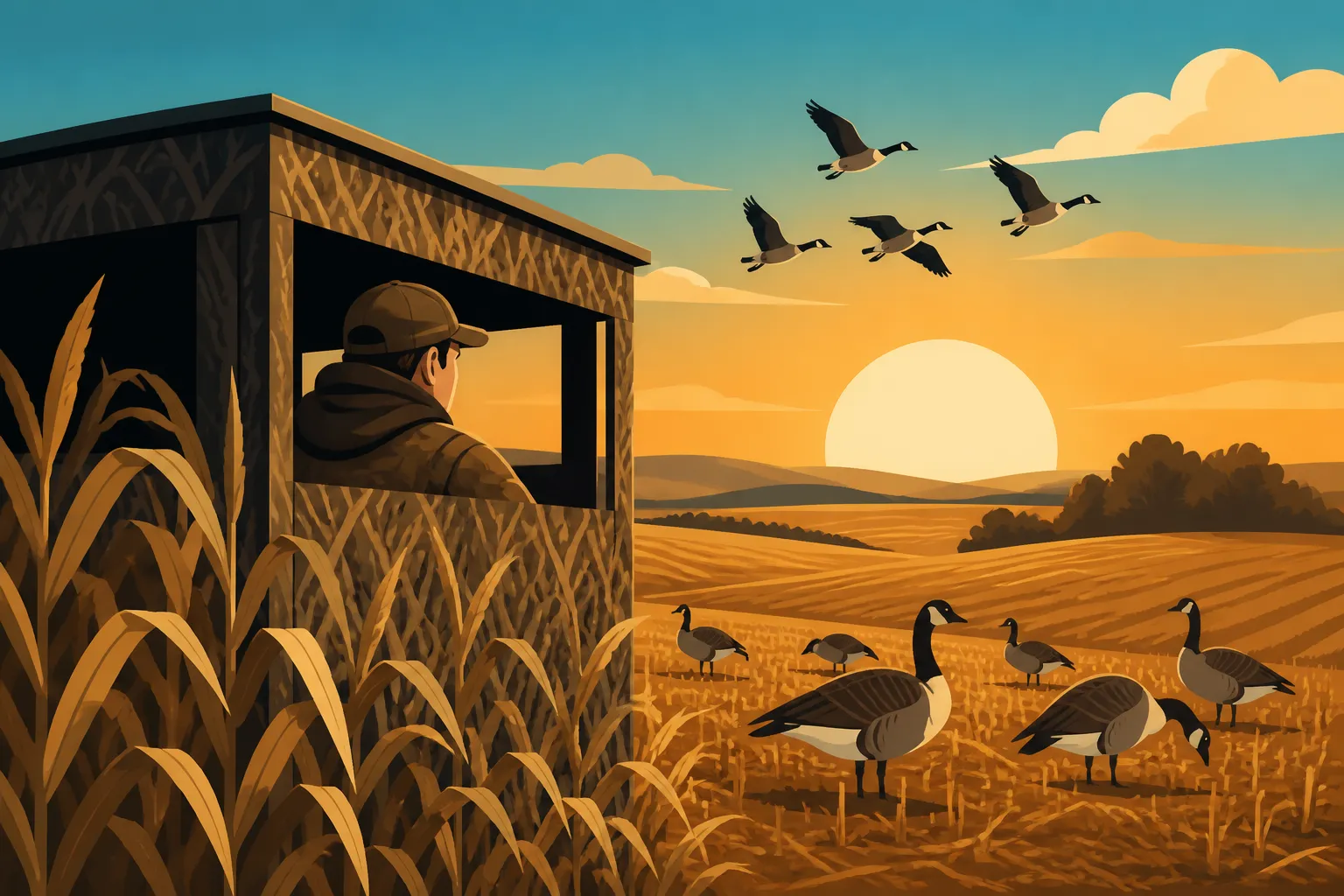
A ground blind essentially allows you to bring your own cover to areas where the land itself offers little. You can transform a seemingly unhuntable, exposed corner of a stubble field into a prime ambush location. This is incredibly important when you're targeting deer in units that don't boast significant timber resources, forcing the animals to move through more open agricultural country or along fence lines. When you’re dealing with the expansive prairie, every little bit of concealment helps.
Minimizing Human Scent and Movement
One of the perpetual battles for any hunter is managing human scent. A well-constructed, well-sealed ground blind provides a significant advantage here. While no blind is completely scent-proof, the heavy fabric walls act as a substantial barrier, trapping a good portion of your scent inside and forcing the rest to disperse more slowly or at a higher elevation, potentially above a deer’s primary sniffing zone near the ground. This is especially useful on calm days when scent tends to hang in the air, or when you're hunting near a Standing Corn Field for Deer where thermal drafts can swirl unpredictably.
Beyond scent, ground blinds are champions of movement concealment. We all know how antsy we can get after a few hours of sitting still in the cold. With a blind, you have the freedom to make subtle movements – stretching, reaching for a thermos, checking your phone (silently, of course) – without instantly alerting nearby game. The opaque walls act as a crucial buffer against the incredibly sharp eyes of a mature whitetail or the skittish nature of a pronghorn. This ability to shift and stay comfortable without being busted can be the ultimate difference between success and an empty truck at the end of the day. Using advanced mapping applications like GoHunt can help you identify subtle terrain features or brush lines on PLOTS land that might offer additional natural concealment for your blind. These tools are invaluable for pre-season scouting, especially when considering Scouting PLOTS Land With the ND Hunt App, allowing you to pinpoint optimal locations that both hide your blind and offer strategic advantage.
Selecting and Deploying Your Blind Effectively
Choosing the right blind and knowing how to properly set it up are critical steps to maximize your chances on North Dakota PLOTS land. It’s not just about popping it up; it’s about making it part of the landscape.
Choosing the Right Blind for North Dakota Conditions
North Dakota weather is notoriously unforgiving, shifting rapidly from intense sun to heavy rain or, most notably, high winds. Your ground blind needs to be built to withstand these elements.
- Durability and Weather Resistance: Look for blinds constructed with heavy-duty, waterproof or water-resistant fabric. Sturdy hubs and poles are essential to prevent collapse in strong winds, which are a constant presence on the prairie. Brands like Primos, Barronett Blinds, and Ameristep often offer models known for their robust construction that can take a beating. A cheap, flimsy blind will quickly become a tattered mess or simply blow away in a stiff prairie breeze. Also, consider a blind with a dark interior coating; this helps you disappear from the outside, even if light penetrates the fabric, making it harder for game to see movement inside.
- Size and Portability: Consider how you’ll transport your blind to your hunting spot. If you're hiking deep into a remote PLOTS tract, a lighter, more compact blind that packs down easily is a necessity. If your chosen location is closer to a road or accessible by ATV (where allowed), you might opt for a larger, more comfortable blind that can accommodate more gear or even another hunter, which is excellent for North Dakota Mentored Youth Hunting Rules. Always verify Vehicle Rules on North Dakota Public Land before driving off-road on any public or PLOTS area.
- Camouflage Pattern: While personal preference comes into play, a darker, more natural camouflage pattern that mimics the browns and grays of late-season agricultural fields or native grasslands will generally be more effective than vibrant green patterns that stick out. The primary goal is to break up the blind's outline, making it blend seamlessly into the background rather than appearing as an obvious foreign object.
Strategic Placement and Concealment Techniques
Even the best blind is useless if it's poorly placed or stands out like a sore thumb. Thoughtful placement and meticulous concealment are paramount.
- Scouting for Hot Spots: Before you even think about deploying a blind, thorough scouting is non-negotiable. Spend time on the PLOTS tract, either physically or digitally using tools like GoHunt, to identify natural pinch points, established deer trails, funnels, and concentrated food sources. Look for signs like fresh tracks, droppings, and browse lines. Understanding Late-Season Food Sources for North Dakota Whitetails is crucial, as these will dictate where deer concentrate as winter approaches.
- Blending with the Environment: Once you've identified a prime location, the objective is to make your blind disappear. Position it against existing natural cover like a brush pile, a fence line, or the edge of a standing cornfield. Take the time to gather natural vegetation – branches, tall grasses, cornstalks – and weave or brush it into the blind's loops or skirts. The more it looks like a natural part of the landscape, the more effective it will be. This is especially vital on the open prairie where anything new stands out. For specific insights, consider techniques for Hunting a Shelterbelt Edge for Deer, as these are common features on many PLOTS acres.
- Sun and Wind Considerations: Always orient your blind to prevent the sun from shining directly into your shooting windows during prime hunting hours (early morning and late evening). This will help you see better and avoid being silhouetted. Furthermore, consider the prevailing wind direction. While a blind helps with scent, a strong crosswind can still carry your odor directly to approaching game. Try to position your blind so your scent is carried away from expected deer travel routes, or downwind from where you anticipate game to approach.
Practical Setup, Maintenance, and Regulations
Setting up your blind correctly and adhering to regulations are just as important as choosing the right location. Neglecting these details can lead to discomfort, equipment loss, or even legal trouble.
Proper Setup for Stability and Longevity
The elements in North Dakota, particularly the infamous prairie winds, demand a robust setup for your ground blind.
- Anchoring Your Blind: Simply popping up your blind and hoping for the best is a recipe for disaster. Use heavy-duty stakes and guy lines to anchor it securely to the ground. Many experienced hunters even place sandbags or large rocks inside the blind for extra stability. I've personally seen blinds shredded or carried away by unexpected gusts in a matter of hours. A blind that rattles or flaps constantly will not only spook game but also quickly suffer damage. Ensure it's sturdy enough to withstand sustained winds, which can easily exceed 30-40 mph without warning.
- Setting Up in Advance: If your hunting schedule allows, try to set up your blind a week or two before you plan to hunt. This acclimatization period allows local wildlife to get accustomed to its presence, reducing their wariness. It also gives you ample time to brush it in effectively. If you must set it up on the day of your hunt, do so at legal shooting light, brush it in thoroughly, and then remain absolutely still and quiet. Be sure to check the specific Ground Blind Rules on North Dakota WMAs and extend similar diligence to PLOTS land, as guidelines for temporary structures often overlap.
- Entry and Exit Strategy: A successful blind hunt starts and ends with a stealthy approach and departure. Plan your routes to and from your blind using terrain features, natural cover, or low light conditions to mask your movements. The goal is to minimize the chance of spooking deer that might be feeding nearby or approaching your position. Get in early, stay late. This disciplined approach is crucial, especially when hunting high-pressure areas common among some PLOTS tracts.
Respecting PLOTS Rules and Regulations
The PLOTS program is a fantastic resource, but it comes with responsibilities. Understanding and respecting the specific rules ensures continued access for all.
- Understanding PLOTS Signage: Remember that The PLOTS Program Explained provides specific guidelines. Always actively look for and carefully read the distinctive yellow PLOTS signs posted at access points. These signs are your primary source of information, indicating if public access is allowed, what activities are permitted, and if there are any special restrictions, such as walk-in-only access or specific dates of use. Reading a PLOTS Sign Correctly is paramount; misinterpreting a boundary or restriction can lead to fines, loss of equipment, or, worst of all, the loss of these valuable public hunting opportunities.
- Blind Placement Restrictions: While ground blinds are generally permitted on PLOTS land, regulations often govern how long they can be left unattended. In many areas, blinds cannot be left overnight or must be removed daily. It is absolutely essential to check the current North Dakota Game and Fish Department regulations for specific rules regarding unattended structures on public land. Leaving a blind up for weeks can be considered littering or abandonment, potentially leading to its removal by authorities, and you certainly don't want to lose your valuable gear or face penalties.
- Respect for Landowners and Wildlife: The PLOTS program operates on private land, made available for public hunting through agreements. This means that respecting the cooperating landowner’s property, their crops, and their livestock is not just a courtesy, but a fundamental requirement. Never drive where you shouldn't, always pack out all your trash, and leave no trace of your presence. This responsible behavior is vital to ensure the continued success and availability of the PLOTS program for future generations of hunters. Also, be mindful of hunting pressure; if you notice Hunting Pressure on North Dakota Public Land is high in a specific area, consider moving to a less disturbed location, perhaps using your GoHunt app to find less traveled Finding PLOTS Ground Others Walk Past within the designated areas.
Maximizing Your Hunt from a Ground Blind
Once your blind is properly chosen, strategically placed, and legally set up, the next step is to optimize your experience inside for comfort, concealment, and effectiveness.
Internal Setup and Comfort
Long hours spent in a blind demand attention to comfort and internal organization.
- Seating and Gear: Comfort is absolutely crucial for patient, successful hunting. Invest in a comfortable, quiet chair or stool that allows you to remain still for extended periods without fidgeting. Most modern blinds offer ample space for a low-profile hunting chair. Organize your gear meticulously: ensure everything you might need – calls, rangefinder, water, snacks, extra clothing layers – is within easy, silent reach. A cluttered blind can lead to unnecessary movement and noise, which will inevitably spook game.
- Window Management: Contemporary ground blinds feature various window configurations. Master their use. As a general rule, keep windows closed or only slightly open on sides not facing your anticipated target area. This reduces scent escape and visibility into the blind. Open your primary shooting window just enough to provide a clear line of sight and an unobstructed shot. Many blinds have a blacked-out back wall or a dark interior coating; this helps create a silhouette effect, making it significantly harder for game to detect movement inside.
- Staying Warm and Dry: North Dakota weather can be unpredictable and harsh. Dress in appropriate layers, bring hand warmers, and consider a small, battery-operated portable heater for silent, safe warmth. A warm hunter is a patient and focused hunter. A good quality, waterproof blind with a durable floor will also keep you dry during an unexpected rain or snow shower, maintaining your comfort and readiness.
Effective Hunting Strategies from a Blind
A ground blind is more than just a hide; it's a strategic platform for various hunting techniques.
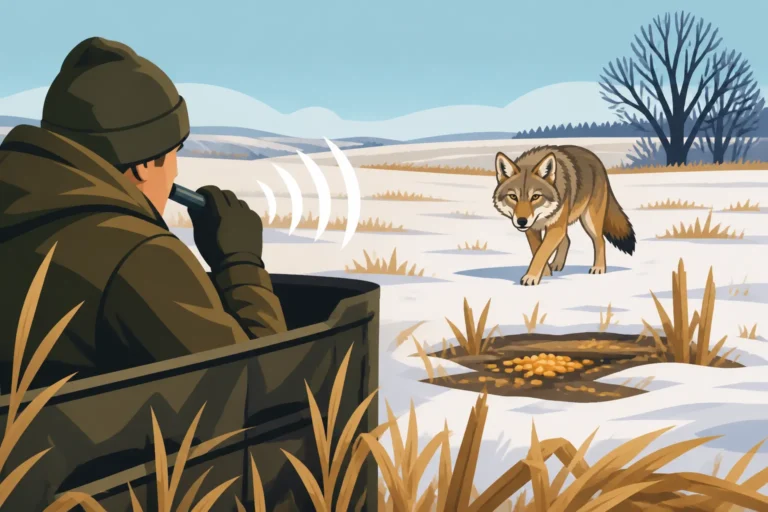
- Calling and Decoying: A ground blind offers an excellent platform for calling. The enclosed space can subtly muffle some of the sound, making your calls seem more natural and less jarring to approaching game. Pair your blind with decoys, especially when hunting deer or turkeys on open PLOTS land. A strategically placed deer decoy 20-30 yards out can draw a curious buck right into bow or rifle range. When you’re Rattling and Decoying Prairie Pothole Bucks, the blind provides the perfect, unseen hide to execute those aggressive calls without giving away your position.
- Shot Placement and Angles: Prior to the season, practice shooting from inside your blind. The confined space and specific window openings can significantly alter your shooting angles and comfort. Ensure you have clear, unobstructed lanes for both bowhunting and rifle shots. If your blind has mesh windows designed for shooting through, practice with your broadheads or bullets to understand any potential deflection or impact on accuracy (though many hunters prefer to shoot through an open window). Understand your effective range from inside the blind, especially when accounting for obstacles or mesh.
- Patience and Persistence: Hunting from a ground blind on PLOTS land, like any form of hunting, demands immense patience. Deer or other game might not appear for hours, or they might initially take a wide circle around the new object. Trust your scouting, remain vigilant, and be prepared to seize the opportunity when it arises. Sometimes the most effective strategy is simply to sit still and blend in, confident that the PLOTS program provides incredible hunting opportunities for those willing to invest the time and effort. Always be aware of North Dakota Public Land Hunting Hours to ensure you're hunting legally from dawn to dusk.
| Blind Type | Ideal Use Case on PLOTS | Pros | Cons |
|---|---|---|---|
| Pop-Up Hub Blind | General deer, turkey, predator hunting in varied terrain | Fast setup, portable, good concealment, affordable | Can be noisy in wind, may require significant brushing in for optimal blend |
| Panel Blind | More permanent setups, larger groups, extreme weather | Very stable, spacious, excellent concealment, durable | Heavier, more complex setup, less portable, higher cost |
| Chair Blind | Quick sits, highly mobile hunting, scouting | Extremely portable, integrated chair, minimalist | Limited concealment, less weather protection, smaller interior |
| Ghille Blind | Stalking, very natural concealment, sparse cover | Blends exceptionally well, lightweight, flexible | Less protection from elements, requires more hunter stillness |
Disclaimer
Always verify all hunting regulations, season dates, and specific PLOTS tract rules with the North Dakota Game and Fish Department before heading afield. This guide provides general information and should not be considered a substitute for official rules and laws.