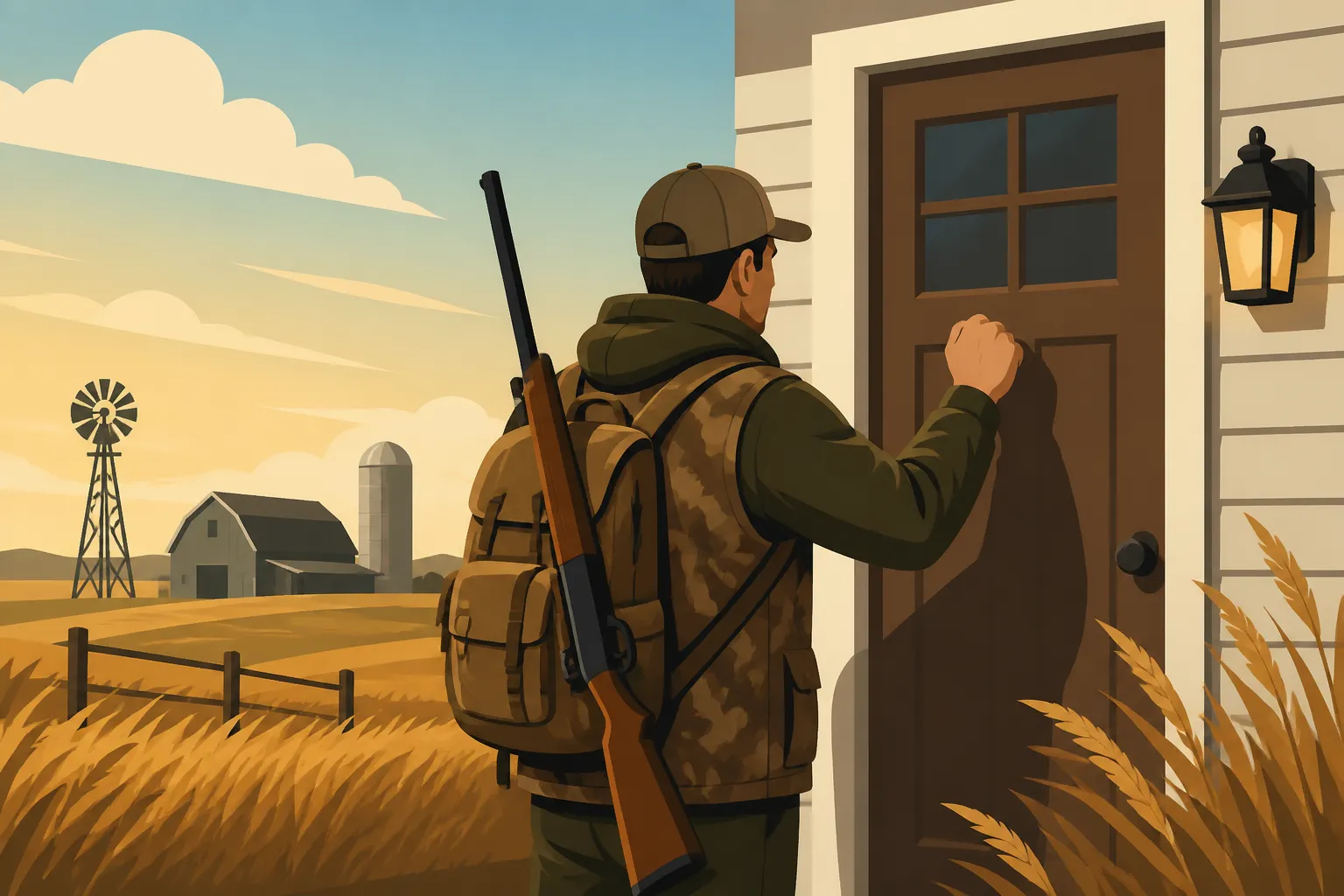
Knocking on Doors in North Dakota Farm Country
The thought of finding good hunting ground in North Dakota can feel overwhelming, especially when public land seems to get more crowded every year. Many hunters, particularly those from out of state, wonder how locals consistently find those honey holes. This guide is all about demystifying the process of asking for hunting permission on private land, providing you with a roadmap to respectfully engage landowners in North Dakota farm country.
The Reality of Private Land Access in North Dakota
Let's be honest, getting access to prime hunting ground is often the biggest hurdle for hunters, whether you're a seasoned local or a nonresident dreaming of a prairie whitetail. North Dakota is predominantly private land, with vast stretches of productive fields, shelterbelts, and sloughs that hold incredible game. While programs like PLOTS (Private Land Open To Sportsmen) offer fantastic opportunities, there's always a sense that the really good stuff is locked behind a "No Trespassing" sign. This can be incredibly frustrating, leading many to stick to over-pressured public parcels or simply give up on certain areas. But here's the kicker: many landowners, particularly those not actively hunting themselves or leasing their ground to commercial outfits, are open to granting permission to respectful individuals. The challenge isn't always their unwillingness, but often our reluctance or awkwardness in approaching them. Understanding the landscape, both literally and culturally, is your first step. Remember that many farmers deal with significant deer damage to their crops, and a responsible hunter can actually be a solution to their problems. It’s about presenting yourself as part of the solution, not another problem.
Why Landowners Might Say Yes
It's easy to assume every landowner is bombarded with requests or simply uninterested in having hunters on their property. While some certainly are, many have valid reasons to consider your request. For some, it's about deer management, especially with the prevalence of crop damage. Farmers often face real economic losses from deer foraging in their fields, and a hunter taking out an antlerless deer can be a welcome sight. For others, it might be about community, helping out a fellow sportsman, or simply enjoying the sight of responsible hunters respecting their land. You might even find that older landowners, whose own hunting days are behind them, appreciate the company or the chance to share stories about the land. Knowing about issues like North Dakota Deer Damage Permits for Farmers can help you frame your request in a way that resonates. They know the problem, and you're offering a respectful way to help manage it.
Understanding North Dakota's Permission Laws
Before you even think about knocking on a door, you absolutely must understand North Dakota's specific laws regarding private land access. This isn't just about avoiding trouble; it's about showing respect and due diligence, which will go a long way with any landowner. North Dakota law is pretty clear: you must have permission to hunt or even retrieve game from private land, whether it's posted or not. This is a critical distinction from some other states where unposted land might be fair game. There's no gray area here. If you're on private land without permission, you're trespassing. This includes those small, seemingly insignificant parcels or even just crossing a corner. Make sure you understand North Dakota Trespass and Permission Law inside and out. It’s also wise to be familiar with North Dakota Posted Land Rules so you can accurately identify what you’re dealing with. Carrying physical proof of permission, even if it's just a signed note, is a good idea. While digital permission (like a text message) can sometimes suffice, a signed document provides undeniable clarity and peace of mind for both parties.
Preparing for Your Door-Knocking Mission
Spontaneity might work for some things, but not for asking hunting permission. This isn't a random lottery; it's a strategic undertaking that requires thoughtful preparation. Showing up unprepared not only wastes your time but can also create a negative impression, potentially closing doors for future opportunities. The goal is to appear organized, knowledgeable, and trustworthy before you even open your mouth. Think of it as an interview for a highly sought-after position – you want to convey confidence and respect.
Researching the Land and the Landowner
Before you ever set foot near a farmhouse, do your homework. Seriously, this step cannot be overstated. Start by identifying specific parcels of land that look promising on maps. Tools like GoHunt or the North Dakota Game and Fish Department’s PLOTS maps can be incredibly useful here. You can identify potential bedding areas, food sources, and travel corridors on aerial photos. For example, knowing how to approach Reading Aerial Photos for Badlands Deer can inform your scouting, even if the land isn't in the Badlands. Once you've pinpointed a parcel, use county plat books or online GIS mapping services (many counties have them) to identify the landowner's name and address. This might sound like a lot of work, but it saves you from knocking on the wrong door or, worse, bothering someone who doesn't even own the land you're interested in. Knowing the landowner's name when you introduce yourself is a powerful gesture of respect and preparation. It shows you've put in the effort.
What to Bring and How to Present Yourself
Your appearance and the materials you bring speak volumes before you say a single word. Dress neatly and conservatively. You don't need a suit, but don't show up in dirty camo straight from the field either. Think "respectful neighbor," not "aggressive hunter."
Here's a checklist of what to bring:
- Yourself, clean and tidy: Make eye contact, offer a firm handshake (if appropriate), and speak clearly.
- Proof of Hunter Education: Especially if you're a younger hunter or new to the area, showing you've completed North Dakota Hunter Education Requirements demonstrates responsibility.
- A Map: Bring an aerial map of their property, clearly marking the specific areas you're interested in, and offer to leave them a copy. This shows you're serious and helps them visualize your intentions. GoHunt can help you print these maps.
- Your License/ID: Be prepared to show your North Dakota hunting license and a valid ID.
- Permission Slip Template: Have a pre-written permission slip ready for them to sign, including dates, species, and your contact info. This makes it easy for them and shows professionalism.
- A Gift (Optional but Recommended): A small, thoughtful gift can make a huge difference. Think local honey, a gift card to a nearby diner, or some homemade baked goods. This isn't a bribe; it's a genuine gesture of appreciation for their time and consideration.
- A Pen: Don't make them search for one!
| Item | Purpose | Impression Conveyed |
|---|---|---|
| Clean Appearance | Shows respect for their home and time | Responsible, Respectful, Professional |
| Aerial Map of Property | Clarifies your intentions and specific hunting interest | Prepared, Serious, Transparent |
| Hunting License/ID | Proves you are a legal hunter | Law-abiding, Trustworthy |
| Permission Slip | Formalizes agreement, provides clarity for both parties | Organized, Professional, Mindful of their concerns |
| Small Gift (e.g., local treats) | Shows appreciation for their time and consideration (optional) | Thoughtful, Grateful, Friendly |
| Pen | Convenience for signing any forms | Prepared, Efficient |
| References (optional) | Attests to your character from other landowners/community members | Established, Accountable, Trustworthy |
Timing Your Approach
Timing is everything. Never approach a farmer during planting or harvest season. These are incredibly busy and stressful times for them, and they won't appreciate the interruption. Weekends or weekday evenings, outside of those peak agricultural times, are generally best. Avoid meal times if possible (early afternoon or late morning can be good). If they're actively working in the yard or near the house but aren't under pressure, that can be a natural opening. If their vehicle isn't there, or their shades are all drawn, it's probably not the best time. A good rule of thumb is to look for signs that they're relaxed and approachable, not rushed or preoccupied.
The Art of the Knock: What to Say and How to Act
You've done your research, you're dressed appropriately, and you have your materials ready. Now comes the moment of truth: the knock on the door. This isn't about giving a canned speech; it's about having a genuine, respectful conversation. Remember, you're asking for a privilege, not asserting a right. Your demeanor and sincerity are paramount.
Making a Positive First Impression
When they answer the door, start with a clear, polite introduction. State your name, where you're from, and why you're there. "Hello, Mr./Ms. [Landowner's Last Name], my name is [Your Name], and I live over in [Your Town/Area]. I was wondering if I could bother you for just a moment regarding hunting permission." Immediately offer to leave if it's a bad time. "If this isn't a good time, I completely understand and can come back another day." This shows respect for their schedule.
If they invite you to continue, explain why you chose their property. Maybe you noticed a good shelterbelt edge from the road, or saw some deer sign on the periphery. Show them the map you prepared. "I noticed your property here has some fantastic habitat, particularly along this section line, and I was hoping to ask if you'd consider allowing me to hunt deer (or pheasants, or whatever species) on it." Be specific about the species and what you're looking for. Are you hoping to hunt North Dakota's November Gun Deer Season or just bowhunt? Clarify your intentions. If they express concerns about deer numbers or crop damage, reiterate your willingness to help manage those populations.
Addressing Concerns and Building Trust
Landowners often have valid concerns, and it's your job to listen to them and offer solutions, not arguments. They might ask about safety, property damage, or who else you'll be bringing.
- Safety: Emphasize your commitment to safety. "I always prioritize safety, especially regarding livestock and buildings. I'm very careful about shot placement and understanding my surroundings." Mention that you've completed hunter education.
- Respect for Property: Reassure them you will treat their land as if it were your own. "I'm extremely mindful of fences, gates, and crops. I would never drive through a field, and I'd always leave gates exactly as I found them." This includes respecting their "no driving off roads" policy if they have one.
- Other Hunters: Be clear about who will be hunting with you. "It would just be myself, or perhaps myself and one hunting partner, always with your express permission." Never assume you can bring friends or family without asking first.
- Respecting Rules: Ask if they have any specific rules or areas where they don't want you to hunt (e.g., near their house, livestock pens). "Are there any specific areas you'd prefer I avoid, or any rules I should know about before stepping foot on your land?"
Be prepared for a "no." It's not a personal rejection, just a reflection of their circumstances. Thank them sincerely for their time regardless, and respectfully move on. A polite "no" today could be a "yes" next year if you leave a positive impression.
Beyond the First Ask: Building Relationships and Maintaining Access
Getting initial permission is a huge win, but it's just the beginning. The real goal is to build a long-term relationship based on trust and mutual respect. This kind of relationship is invaluable, providing you with consistent access and giving the landowner peace of mind. Many landowners in North Dakota's farm country are incredibly neighborly, and treating them with genuine consideration can lead to years of hunting opportunities.
Following Through on Your Promises
This is the most critical step. Every promise you made at their door needs to be kept, without exception.
- Report Back: Let them know how your hunt went, even if you didn't harvest anything. "I wanted to let you know I was out yesterday and didn't see any shooters, but I really appreciate the opportunity." If you do harvest, offer to show them the animal. Some landowners love to see it.
- Offer Help: This is where true relationship-building happens. If you see a fence post down, ask if you can fix it. Offer to help with chores, even if it's just for an hour. "If you ever need an extra hand around the place, don't hesitate to call." This goes a long way in North Dakota. You might discover that the small things, like offering to help Field Dressing a Deer in Cold Weather or offering to share venison, cement your position as a valued partner.
- Respect Boundaries: Stick to the areas they permitted you to hunt. Never push boundaries. If you notice fresh sign outside your permitted zone, ask before you even think about pursuing it.
- Leave No Trace: Pack out everything you pack in. Leave the property cleaner than you found it. This applies to trash, spent casings, and anything else.
- Say Thank You: A simple thank you note or card at the end of the season, perhaps with a small gift, reinforces your appreciation.
Expanding Your Opportunities
As you build trust with one landowner, doors might open to others. Landowners often talk to each other, and a positive recommendation from one can lead to permission on neighboring properties. Don't be afraid to politely ask if they know any other landowners who might be open to granting permission. "Mr./Ms. [Landowner], I've so appreciated the opportunity to hunt your land. You wouldn't happen to know anyone else in the area who might also be looking for responsible hunters, would you?"
Sometimes, landowners might not have suitable hunting ground but know someone who does. Being a trusted individual, referred by a fellow farmer, is a much easier way to get access than cold-calling. This network effect is powerful in rural North Dakota. Remember to continuously scout using tools like GoHunt to identify new potential areas, always respecting existing "No Trespassing" signs and private property. Even Finding PLOTS Ground Others Walk Past can be aided by the mapping intelligence you gain from understanding land features, which then helps you discuss private parcels.
The relationship you cultivate could even lead to opportunities to hunt during specialized seasons or assist with herd management outside of regular hunting, especially if the landowner receives North Dakota Landowner Deer Permit Rules or is dealing with an excess of antlerless deer. Always be transparent, respectful, and helpful, and you'll find that knocking on doors in North Dakota farm country can open up some incredible hunting experiences.
Disclaimer
The information provided in this guide is for general informational purposes only and does not constitute legal advice. Hunting regulations and laws are subject to change. Always consult the latest North Dakota Game and Fish Department regulations and local ordinances before engaging in any hunting activities. It is your responsibility to know and follow all applicable laws.