Hunting a Grain Bin Adjacent Woodlot
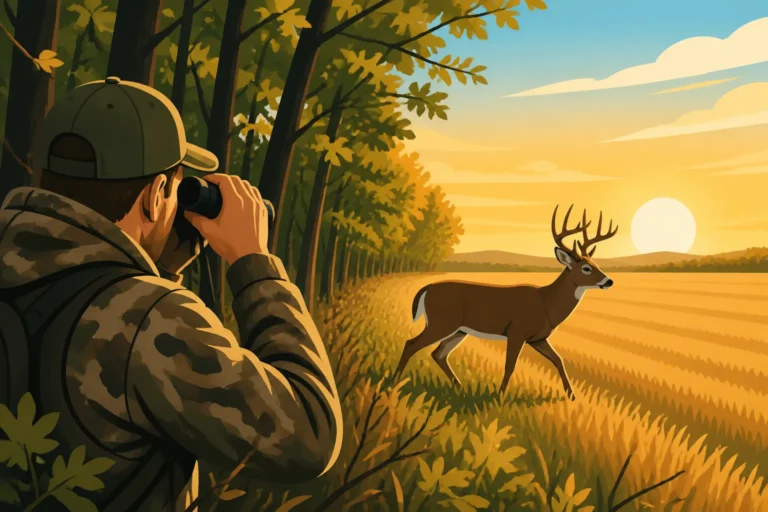
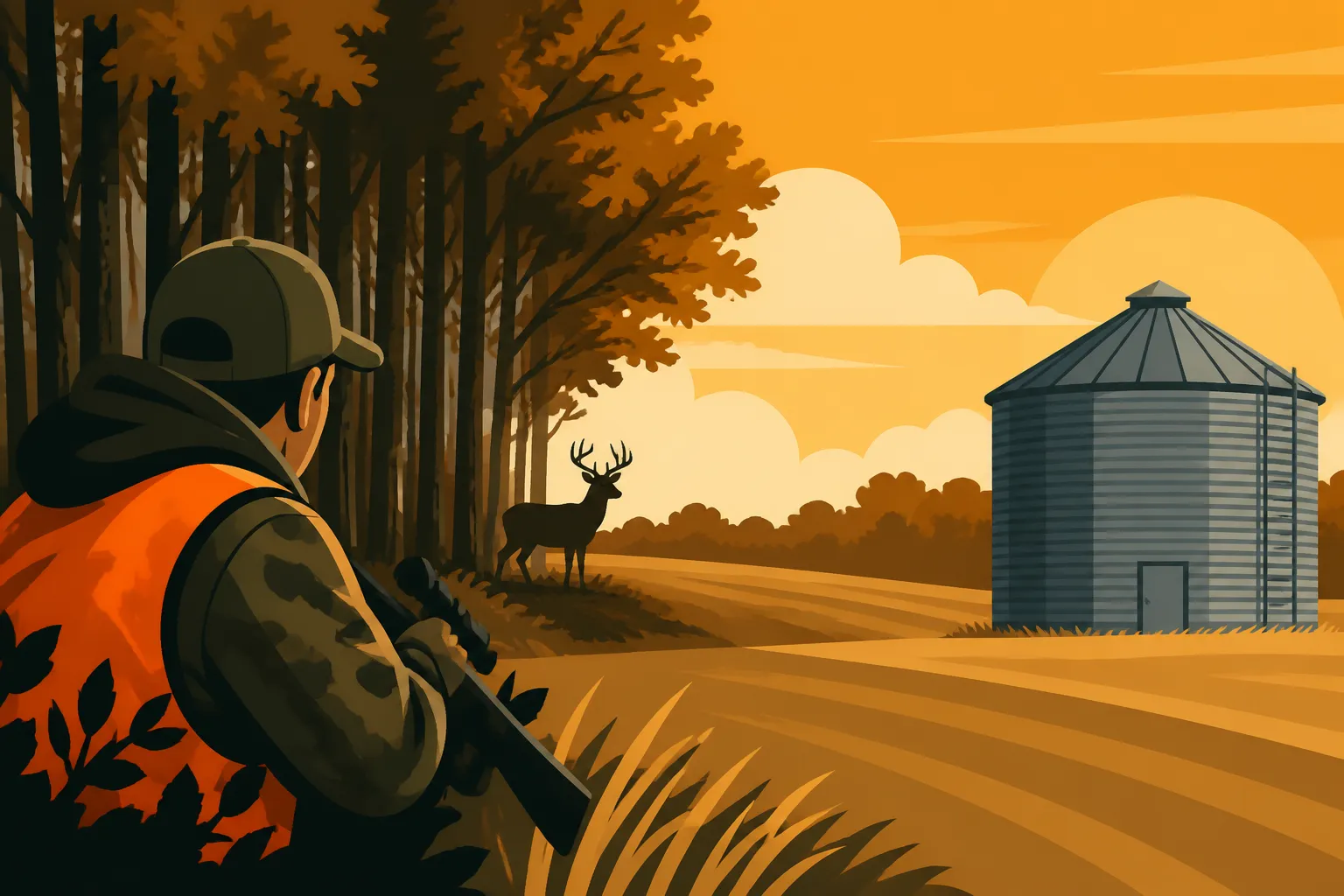
Many North Dakota hunters constantly find themselves in a familiar struggle: trying to pinpoint those hidden pockets where deer feel secure enough to thrive, especially as the season wears on and pressure mounts on more obvious public lands. We often drive right past incredible opportunities, small, unassuming spots that, at first glance, don't seem like much. One such overlooked gem is the humble woodlot nestled right up against a grain bin or farmstead. This comprehensive guide will walk you through exactly why these spots are often overlooked deer magnets and provide actionable strategies on how to hunt them effectively, transforming what seems like an insignificant patch of woods into your next trophy hotspot.
Why Grain Bin Adjacent Woodlots are Deer Magnets
It's easy to dismiss a small stand of trees near a farm as too busy or too small to hold deer. But that's exactly why these spots become so appealing to whitetails and, occasionally, even mule deer in certain areas of North Dakota. They offer a unique blend of resources and a surprising lack of pressure.
The Unbeatable Food, Water, and Cover Combo
Think about what a deer needs: food, water, and cover. A woodlot adjacent to a grain bin often provides this perfect trifecta in a remarkably compact package. Grain bins, by their very nature, mean stored grain. Whether it's corn, wheat, or sunflowers, there's almost always spillage, dust, or residual grain available, especially after harvest. This becomes an irresistible, high-calorie food source, particularly when natural browse is scarce or buried under snow.
These woodlots, even if they're just a few acres, offer immediate security cover. Deer don't have to travel far from their beds to a reliable food source, which drastically reduces their exposure to predators and, crucially, human hunters. In a landscape often dominated by open fields and sparse shelterbelts, a dense woodlot provides a crucial haven.
Furthermore, these farmsteads often have accessible water sources nearby. It could be a dugout pond for livestock, a small creek or drainage ditch, or even a low spot that holds rainwater. The synergy here is undeniable: deer can eat, drink, and bed down without expending much energy or venturing into exposed areas. This convenience and safety make these overlooked woodlots prime real estate for deer, especially as winter approaches and Late-Season Food Sources for North Dakota Whitetails become critical.
This isn't just theory; it's a pattern you can observe in North Dakota's agricultural heartland. Whether you're in the James River Basin or near the Missouri River corridor, you'll find these mini-ecosystems. The proximity to harvested corn or soybean fields, combined with the security of a dense woodlot, creates a self-contained deer paradise. These aren't vast forests, which is precisely why they often get ignored by hunters, inadvertently creating a low-pressure environment for the deer.
Overlooked Sanctuaries in an Open Landscape
One of the biggest advantages of hunting these spots is the inherent lack of hunting pressure. Most hunters, understandably, focus on larger blocks of timber, vast tracts of public land like the Hunting North Dakota's Little Missouri National Grassland, or expansive North Dakota Wildlife Management Areas. They drive right past these small, unassuming woodlots next to farmsteads, assuming they're either unhuntable due to human activity or too small to hold anything significant. This assumption, however, creates an unintentional sanctuary.
Deer are incredibly adaptable creatures. The sounds and sights of everyday farm life—tractors running, doors slamming, dogs barking—become background noise to them. In fact, this consistent human activity often deters other potential predators, and more importantly, other human hunters who are looking for a more "wilderness" experience. These deer learn to associate the farmstead with safety from intense hunting pressure, making them surprisingly comfortable living in close proximity to people.
Because these are smaller parcels, the deer using them tend to be hyper-localized. They know every single escape route, every thicket, and every subtle change in elevation within that woodlot. For a hunter, this means precision is key, not just covering ground. You're not looking for a needle in a haystack; you're looking for the specific thread that leads to the needle, which is often found in the most unlikely of places.
The sheer volume of acres of prime deer habitat in North Dakota means many hunters simply don't bother to ask permission for these smaller, more "domesticated" patches. This perpetuates the low-pressure environment, allowing bucks to grow older and wiser right under our noses. While larger land tracts are great, don't underestimate the power of these mini-sanctuaries.
Decoding the Deer's Habits in These Unique Micro-Habitats
Hunting these smaller woodlots effectively requires a different approach than ranging through a vast forest. You need to be a detective, scrutinizing every detail and understanding how deer use these confined spaces.
Pinpointing Travel Routes and Entry/Exit Points
Even in a small woodlot, deer will have distinct travel corridors. Your primary goal during scouting is to identify these main arteries and how they connect the woodlot to nearby food sources (the grain bins or adjacent fields), water, and other cover. Look for worn trails that are consistently used, especially where the woodlot meets the field edge. These transition zones are often where deer stage before entering a field to feed or linger after dark. Consider how a deer would exit a Hunting a Shelterbelt Corner at Dusk and apply that same thought process here.
Pay close attention to any natural pinch points or funnels. These could be subtle dips in the terrain, old fencelines, remnants of farm equipment, or even the unique shape of the woodlot itself that forces deer into a narrower path. These are prime locations for a stand or ground blind. When you're scouting, before you even think about stepping foot on the property, fire up your GoHunt app or another robust aerial mapping platform. This allows you to dissect the landscape from your couch, identify potential trails, thick bedding spots within the woodlot, and how it connects to surrounding cover and food sources, saving you precious time on the ground.
Don't overlook water sources. If there's a small pond, slough, or creek nearby, deer will use these heavily, especially in drier periods or during the rut when bucks are constantly on the move and needing to rehydrate. Look for tracks leading to and from these sources, as well as distinct paths from the woodlot to the closest standing water. Identifying these key connections is like finding the secret pathways within the deer's small kingdom. Every piece of information helps you build a clearer picture of their daily routines.
Understanding Wind, Thermals, and Scent Control
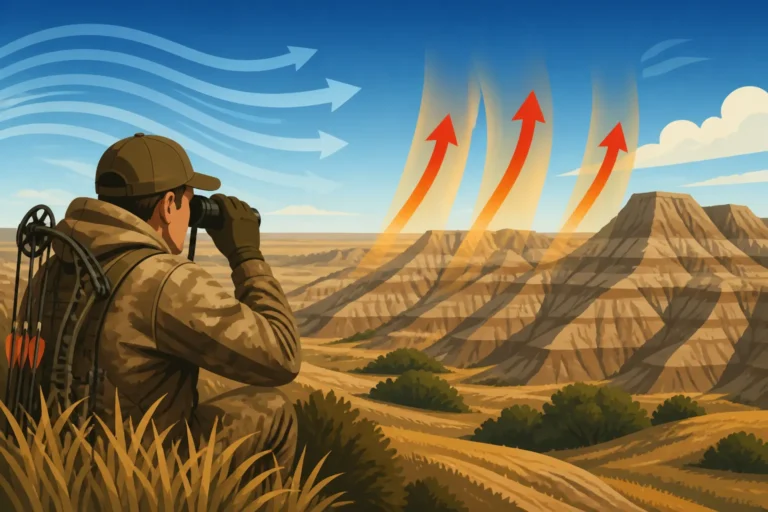
In these smaller, often fragmented woodlots, understanding wind direction and thermals becomes even more critical, and frankly, more complex than in sprawling timber. The very structures that make these spots attractive – grain bins, barns, sheds – can create unpredictable micro-thermals and eddies. This is a common frustration for hunters, as the wind you feel on your face might not be the wind that carries your scent to a deer a hundred yards away.
You must always hunt with the prevailing wind in mind, but be prepared for it to do unexpected things. Getting up high in a tree stand, with landowner permission and utmost safety, can sometimes help you get above swirling ground currents. If a tree stand isn't feasible or available, a ground blind brushed in exceptionally well, as detailed in tips for Brushing In a Blind on a Field Edge, becomes your best friend. The smaller the area, the less margin for error you have with your scent.
Scent control in these tight quarters isn't just about using sprays; it's about minimizing your entire footprint. Park your vehicle as far away as possible (again, with landowner permission), use a low-impact approach, and scrupulously avoid walking through the deer's primary travel routes to get to your stand or blind. Deer in these small, semi-urban areas are often even more sensitive to human presence than their deep-woods counterparts. They've learned to associate unusual scents and sounds with danger.
Pay close attention to thermals in relation to the grain bins and other structures. In the morning, cold air often sinks from these structures and adjacent fields, pushing scent away from your approach. In the evening, the reverse can happen as the ground cools. While it might seem counterintuitive, principles from understanding Wind and Thermals in Badlands Terrain can actually be quite useful here, reminding you that terrain features and structures significantly impact air currents. For those tricky days with unpredictable winds, having access to real-time wind and weather data, which many modern hunting apps like GoHunt provide, can give you a critical edge in determining the best approach and stand time.
Tactical Hunting Approaches for Grain Bin Woodlots
Hunting these confined spaces demands a highly strategic approach. You can't just wander in; every move, every setup, needs to be calculated for maximum impact.
Strategic Stand and Ground Blind Placement
Given the typically small size of these woodlots, your stand or blind placement is absolutely everything. You need to position yourself to cover the most likely travel routes and bedding areas, often within tight shooting windows, all while remaining undetected. Frequently, a tight pinch point or a consistently used primary trail will be your absolute best bet. Your goal is to intercept deer as they move between the woodlot's cover and their food source, or as bucks cruise through during the rut.
If you opt for a tree stand, aim for a position that not only offers multiple shot opportunities but also provides natural concealment for your silhouette against the sky. Look for trees that have natural back cover, such as other branches, thicker foliage, or even a neighboring larger tree. Remember that you might only get a small, fleeting window for a shot, so trim shooting lanes precisely and efficiently, but do so well in advance of the season to avoid alerting deer. The deer here are observant.
Ground blinds are often an excellent choice for these spots, especially if suitable trees are scarce or if you need the flexibility to be mobile and adapt to changing conditions. Place them strategically along the edge of the woodlot where deer enter or exit, or even subtly within the thickest cover. Crucially, ensure your blind is brushed in thoroughly with natural vegetation, mimicking its surroundings. Deer in these areas are hyper-aware, so a blind that sticks out like a sore thumb will quickly be busted. Tips for Using a Ground Blind on PLOTS Land can be directly applied here for effective concealment.
Your entry and exit routes are just as critical as your stand location. Plan them meticulously to avoid alerting deer. Use natural terrain features like ditches, fencelines, or the far side of farm structures to approach and leave your spot as quietly and stealthily as possible. Think like a predator: no sudden movements, no loud noises, and avoid crossing active deer trails on your way in or out. Your ability to get in and out undetected will dictate your success.
Timing Your Hunts and Seasonal Considerations
These specific woodlots can be incredibly productive during various parts of the North Dakota deer season, but certain times offer exceptional advantages. In the early season, deer are heavily focused on reliable food sources, and the spillage around grain bins provides just that. As the season progresses and crops are harvested, the remaining grain becomes even more critical, making these areas prime Late-Season Food Sources for North Dakota Whitetails and excellent for hunting into a Hunting Into a December Cold Snap.
The rut is another prime time to target these small woodlots. Mature bucks, constantly cruising for does, will often check these secure, food-rich pockets because they know does frequent them. Don't be afraid to try some rattling or grunting, but use a quieter, more subtle approach than you might in vast timber. The close quarters mean deer can pinpoint sounds quickly, so less is often more. Sometimes, a subtle grunt call, or a soft tickling of antlers, is all it takes to pique a buck's curiosity.
While mornings and evenings are always key for deer movement, midday can be surprisingly productive in these small, secure woodlots. Deer might bed down in the thickest part of the woodlot during the day, especially if it's cold, windy, or if there's significant pressure elsewhere. Still-hunting slowly and meticulously through these small pockets can sometimes surprise a bedded deer. Pay attention to fresh tracks; Reading North Dakota Mud for Fresh Deer Movement can tell you if a deer has just passed through or if one might still be nearby.
Weather plays a significant role in deer activity patterns. After a fresh snowfall, deer movement will be much more evident, and spilled grain around bins stands out like a beacon. A sharp cold snap often pushes deer into these sheltered woodlots seeking warmth and easily accessible calories. They'll minimize travel and maximize caloric intake, making these spots irresistible. Hunting these areas after a major weather event can dramatically increase your chances of success.
Overcoming Challenges and Building Relationships
Hunting private land, especially near active farmsteads, comes with its own set of challenges. Success often hinges not just on your hunting skills, but on your people skills and your respect for the landowner.
Navigating Human Activity and Property Lines
The biggest hurdle you'll face when hunting these specific spots is the inherent proximity to active homes, barns, and machinery. This means clear, consistent communication with the landowner about safe shooting lanes and directions is absolutely non-negotiable. Your top priority must always be safety—never shoot towards buildings, livestock, or in any direction where you haven't positively identified your target and what lies beyond it. This is not just a courtesy; it's a legal and ethical imperative.
Be acutely mindful of the noise you make. While tractors and farm machinery will be common sounds to deer in these areas, your own noise should be minimal. Avoid slamming truck doors, talking loudly, or making excessive noise while setting up your stand or blind. The deer here are accustomed to farm noise, but unusual human noise is a red flag. A respectful quiet approach is key.
Understanding property boundaries is also critically important. It's shockingly easy to accidentally trespass when hunting small, fragmented parcels near multiple landowners. Always use a reliable mapping app, such as the GoHunt platform, to visually confirm property lines and ensure you're always on the correct side of the fence. This helps you avoid accidental trespass, which can immediately sour your relationship with the landowner and potentially lead to legal issues under North Dakota Trespass and Permission Law.
Retrieving a downed deer can also be tricky in these areas. Discuss this scenario beforehand with the landowner. What happens if a deer runs onto their neighbor's property? What if it expires in a sensitive area, like a pasture with livestock or too close to a residence? Having a clear plan in place prevents awkward confrontations and demonstrates your foresight and respect. Always ask before you track onto another property, even if you see your animal just over the line.
Securing Permission and Maintaining Access
Hunting these particular private land spots almost always requires asking for permission. This is your first, and arguably most crucial, step. Take the time to knock on doors, dress respectfully, and be polite. Be prepared to be told "no"—it happens to the best of us. But don't let it deter you. Sometimes, you just need to find the right landowner, or one who isn't inundated with requests for these smaller, seemingly insignificant tracts. Learning the nuanced art of Knocking on Doors in North Dakota Farm Country can make all the difference.
Consider offering to help the landowner. Farmers and ranchers are incredibly busy people, especially during planting and harvest. Offering to help with chores, fix a fence, or even just keep an eye on things periodically can go a long way in building goodwill and trust. This isn't just about getting a hunting spot; it's about being a good neighbor and showing genuine respect for their land and livelihood.
Be clear and upfront about your intentions: what species you'll be hunting, when you plan to hunt, and how you'll access the property. Leave your contact information so they can reach you. Always treat their property as if it were your own, if not better. Pick up any trash you see (even if it's not yours), close all gates, and report any issues or damage you observe. Adhering strictly to North Dakota Trespass and Permission Law by knowing what constitutes posted land and acting accordingly will build immense trust.
If you're fortunate enough to be successful, consider sharing some of the bounty. A package of venison, a few cleaned pheasants (if you're also hunting small game), or even a gift card to a local store is a fantastic way to say thank you and solidify that precious permission for future seasons. Remember, these landowner relationships are a long-term investment, and the effort you put in will often be rewarded tenfold.
| Aspect | Small Woodlot Adjacent to Grain Bin | Typical Large Public Land Timber |
|---|---|---|
| Deer Pressure | Low, often overlooked sanctuary; deer are accustomed to farm noise | High, especially during peak season; often pressured deer |
| Primary Food Source | Consistent (spilled grain, adjacent fields), reliable late-season | Varies by mast crop, natural browse; requires more travel for deer |
| Cover Type | Dense, localized security cover; deer know every inch | Extensive, but can be less dense in spots; deer spread out |
| Wind/Thermals | Swirling, influenced by structures; micro-thermals are common | More predictable with prevailing winds; terrain still a factor |
| Scouting Approach | Crucial for precise, small-scale sign reading; use aerials (e.g., GoHunt) | Can be overwhelming; focus on large-scale patterns |
| Ideal Stand/Blind | Ground blinds and low tree stands often best for concealment | Tree stands common; ground blinds for specific terrain |
| Entry/Exit Strategy | Critical for stealth due to small size; use structures/ditches | Can be more forgiving, but still important |
| Permission Req. | Essential, build strong landowner relationships; offer help | Not required; focus on rules/regulations |
Disclaimer
Hunting is an inherently dangerous activity. Always prioritize safety, wear appropriate blaze orange as required by law, know and follow all North Dakota Game and Fish Department regulations, and obtain proper licenses and landowner permission before heading afield. This guide provides general information and does not substitute for personal research, safe hunting practices, or professional guidance.