North Dakota Pheasant and Upland Season Rules
The sheer joy of chasing pheasants, grouse, and partridge across North Dakota's vast landscapes is an experience like no other, but it often comes with the challenge of deciphering a maze of regulations. Between season dates that shift by species, varying bag limits, and specific licensing requirements for residents and nonresidents alike, it’s easy to feel overwhelmed. This comprehensive guide aims to untangle the complexities of North Dakota's upland bird and fall turkey seasons, ensuring you understand the rules, avoid common pitfalls, and focus on the thrill of the hunt.
General Overview of North Dakota's Upland Bird Seasons
North Dakota is a true gem for upland bird hunters, offering diverse opportunities to pursue several iconic species. From the explosive flush of a pheasant to the subtle, fast-flying coveys of partridge and the often-elusive sharptail grouse, the state provides a rich tapestry of hunting experiences. Understanding the general framework of these seasons is the first step in planning a successful and compliant hunt.
The Core Upland Species and Their Habitats
When we talk about upland birds in North Dakota, we're primarily referring to ring-necked pheasants, sharptail grouse, and Hungarian partridge. Each species thrives in slightly different habitats, and knowing where to find them is key to your success. Pheasants, of course, are king, typically found in dense cover like cattail sloughs, CRP (Conservation Reserve Program) fields, shelterbelts, and standing stubble fields, particularly in the southern and eastern parts of the state. They love areas with a mix of food, water, and thick escape cover, especially in the state's prime North Dakota Pheasant Population Estimate regions.
Sharptail grouse, on the other hand, are creatures of the open prairie. You'll find them in mixed-grass prairie, often on rolling hills or near coulees and draws, blending seamlessly into their surroundings. These birds are renowned for their keen eyesight and often flush at long ranges, making them a challenging quarry. Their habitat choices are distinct from pheasants, demanding a different approach and often more walking across expansive terrain.
Hungarian partridge, or "Huns" as they're affectionately called, are smaller than pheasants and sharptails but are incredibly fast. They prefer agricultural fields, especially those with small grain crops, and often hug fencelines, shelterbelts, and road ditches. You'll frequently find them near farms, often associating with pheasants but in slightly more open, cultivated landscapes. These birds often hold tighter than grouse but explode with surprising speed when flushed, making for exciting, quick-reaction shooting.
Why Seasons Vary by Species
One of the initial frustrations many hunters encounter is that not all upland bird seasons open and close on the same dates, nor do they share the same bag limits. This isn't just to make things complicated; it's a carefully managed approach based on species biology, population dynamics, and conservation goals. Pheasants, for instance, generally have a later opener, typically in early to mid-October, and a longer season, running into January. This later start allows young birds more time to mature, ensures roosters have developed their full plumage for easier identification, and helps distribute hunting pressure.
Sharptail grouse and Hungarian partridge seasons often open earlier, usually in early to mid-September, and close earlier, often by early December. These species have different breeding cycles and population structures. Sharptails, in particular, are managed with a keen eye on their often fluctuating populations, which can be sensitive to severe winters or drought conditions. Regulating season length and bag limits helps maintain healthy populations across the state. This staggered approach also allows hunters to target different species throughout the fall, offering a diverse hunting calendar.
Fall turkey season, while often grouped with upland bird hunting, operates under a distinctly separate set of rules, including a lottery system for tags, unit-specific permits, and different season dates. Unlike pheasants, grouse, and partridge, which typically have statewide seasons (with some minor exceptions), fall turkeys are managed much like big game, with specific quotas and geographical restrictions. This ensures sustainable harvest and proper distribution of hunting pressure for this remarkable bird. For a deeper dive into managing specific species, exploring resources like Pheasant Hunting North Dakota's Prairie can be incredibly beneficial.
Navigating North Dakota's Pheasant Season Rules
Pheasant hunting in North Dakota is legendary, drawing hunters from across the country to experience the thrill of flushing gaudy roosters from thick cover. But before you hit the fields, it's crucial to understand the specific rules governing the pheasant season. Ignoring these details can lead to fines, confiscated birds, and a ruined hunt.
Pheasant Season Dates and Daily Limits
North Dakota's pheasant season typically kicks off in early October and extends well into January, often closing around the first or second Sunday of the month. This extended season provides ample opportunity for hunters to get out, from crisp fall days to challenging late-season hunts in the snow. However, the exact dates can shift slightly year to year, so always confirm with the official North Dakota Game and Fish Department (NDGFD) regulations guide before making your plans.
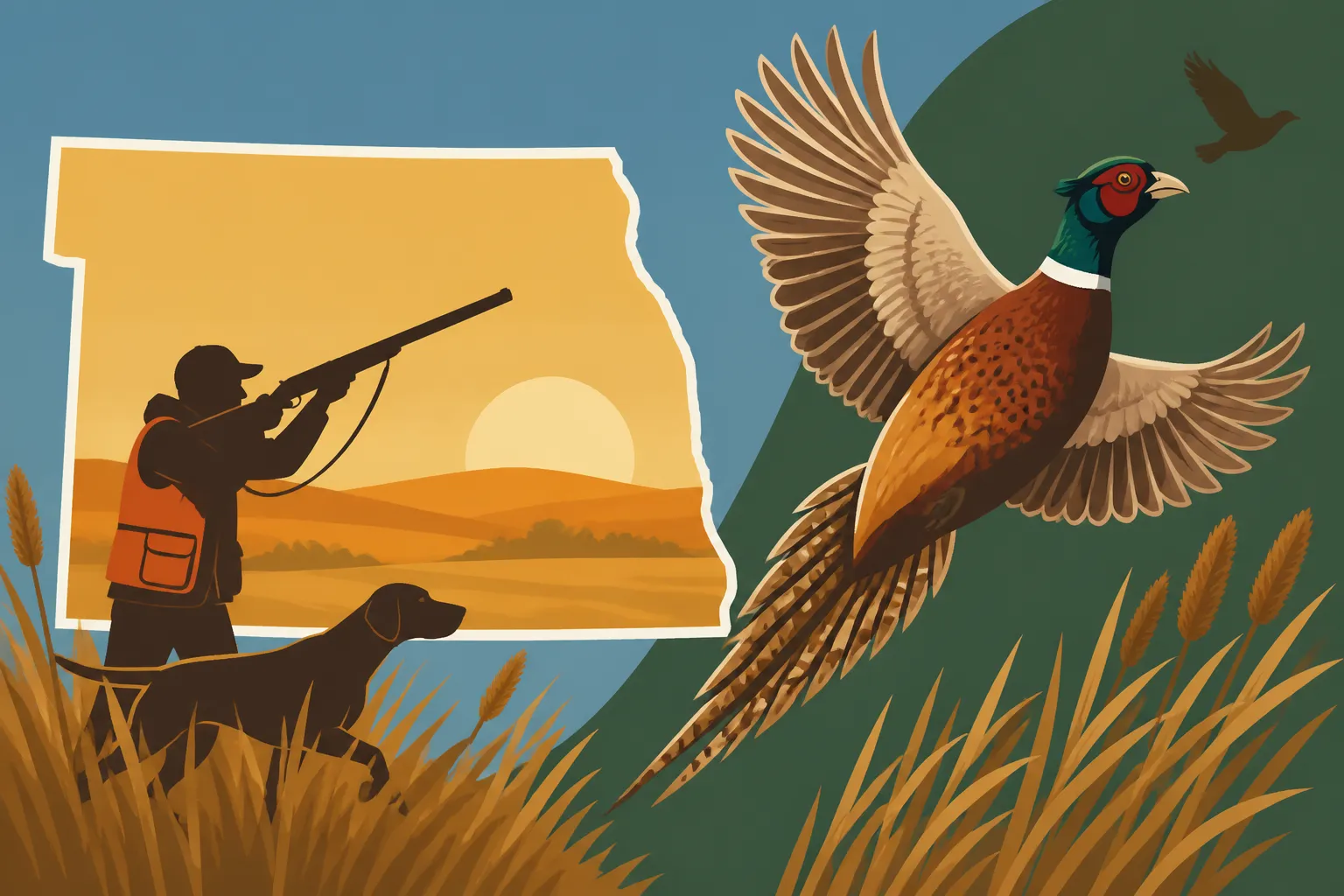
The daily bag limit for pheasants is consistently set at three roosters. This means you can only harvest three male pheasants per calendar day. It's imperative to correctly identify roosters, easily distinguishable by their vibrant plumage, long tail feathers, and the tell-tale white neck ring, to avoid accidentally shooting a hen. Hens are protected to ensure strong breeding populations for future seasons. The possession limit is equally important: twelve roosters. This limit applies to birds in your immediate control, whether they are in your cooler, vehicle, or freezer at your temporary lodging. For instance, if you hunt for two days and harvest three roosters each day, you'll have six birds towards your possession limit. If you plan a longer trip, say four days, you can take up to three roosters per day, but you cannot exceed twelve birds in your possession at any given time. This requires careful management of your harvest, especially for non-residents who might be heading home with a cooler full of birds.
Youth Pheasant Weekend and Specific Regulations
North Dakota is committed to fostering the next generation of hunters, and the Youth Pheasant Weekend is a testament to that dedication. This special season, usually held the weekend before the regular pheasant opener, allows hunters ages 15 and younger to pursue pheasants with a licensed adult mentor. It's a fantastic opportunity for young hunters to gain experience without the pressure of a crowded opening weekend.
To participate, youth hunters must possess a valid small game license and be accompanied by an adult 18 years or older. While the youth hunter can carry a firearm and shoot, the adult mentor cannot carry a firearm or hunt pheasants during this special weekend. The daily bag limit for youth hunters is also three roosters, with a possession limit of twelve. This structure ensures a focused, educational experience for the youth hunter. It's also worth noting that anyone involved in hunting any migratory birds in North Dakota, even if focused on upland, must be HIP certified. This requirement, explained further in North Dakota Migratory Bird Certification, ensures federal compliance for all bird hunters.
Beyond the youth season, general regulations also dictate that only shotguns (no larger than 10-gauge) and archery equipment are legal for pheasant hunting. Rifles are strictly prohibited. Remember to use non-toxic shot when hunting on federal lands like Waterfowl Production Areas (WPAs), which is a common area to find pheasants. Always verify the specific regulations for any public land you plan to hunt. Ensuring you have the correct licenses, are aware of shooting hours (generally one-half hour before sunrise to sunset), and understand the rules is paramount for an enjoyable and legal hunt.
Sharptail Grouse and Hungarian Partridge Regulations
While pheasants often steal the spotlight, North Dakota's sharptail grouse and Hungarian partridge offer equally thrilling and often more challenging hunting experiences. These native prairie birds demand different tactics and a keen understanding of their specific rules.
Sharptail Grouse Specifics
Sharptail grouse are truly a bird of the prairie, epitomizing the wildness of North Dakota's expansive grasslands. Their season typically begins earlier than pheasants, often in early September, and usually runs through early December. This shorter season reflects their more sensitive population dynamics and their reliance on native prairie habitats that can be impacted by various environmental factors. It's a real treat to chase these birds on a crisp autumn morning, watching a good dog work the vast expanses of grass.
The daily bag limit for sharptail grouse is usually three birds, with a possession limit of six. Unlike pheasants, there's no gender restriction for sharptails; you can harvest either male or female birds. This makes identification simpler in the field, but it also means hunters need to be even more mindful of staying within their limits. Sharptails are notoriously wary, often flushing far out, sometimes 100 yards or more, especially later in the season after they've been pressured. Early season offers the best chance at closer flushes before they become educated.
Hunting sharptails often involves extensive walking across rolling prairie and draws, covering many miles. Tools like GoHunt's mapping features can be a real game-changer here, allowing you to scout vast areas from your computer, identify potential habitat such as native grass, CRP fields, or draws, and plan your routes efficiently. Look for areas with a mix of tall grass for cover and shorter, sparser areas where they might feed. Understanding their preference for Sharptail Grouse Hunting Mixed Grass Prairie is crucial for finding them. They often concentrate near natural water sources or along the edges of agricultural fields adjacent to suitable prairie.
Hungarian Partridge Details
Hungarian partridge, or "Huns," are a fantastic, albeit challenging, upland bird to pursue in North Dakota. These fast-flying covey birds typically share the same season dates as sharptail grouse, opening in early September and closing in early December. They are much smaller than pheasants or grouse, but what they lack in size, they make up for in speed and sheer excitement when a covey bursts from cover.
The daily bag limit for Hungarian partridge is also three birds, with a possession limit of six. Similar to sharptails, there are no gender restrictions. Huns are often found in agricultural areas, particularly near grain fields, fallow land, and the edges of shelterbelts or fencerows. They are a common sight in Hungarian Partridge Hunting North Dakota Farmland, where the mosaic of crops and short cover provides ideal conditions. They will hold tight, sometimes to the point of being stepped on, only to explode in multiple directions, making for challenging wing shooting.
Hunting Huns often involves walking field edges, fencerows, and areas where crops meet grass. A good pointing dog is invaluable for locating these birds, as they can be incredibly difficult to spot in cover. When a covey flushes, try to mark where the birds land. Huns will often regroup relatively quickly, sometimes allowing for a second opportunity if you approach cautiously. Their incredible speed means you need to be quick on the draw and lead them well. Always be mindful of private land boundaries, as Huns are often found on working farms; make sure you have explicit permission before stepping onto private property.
North Dakota's Fall Turkey Season
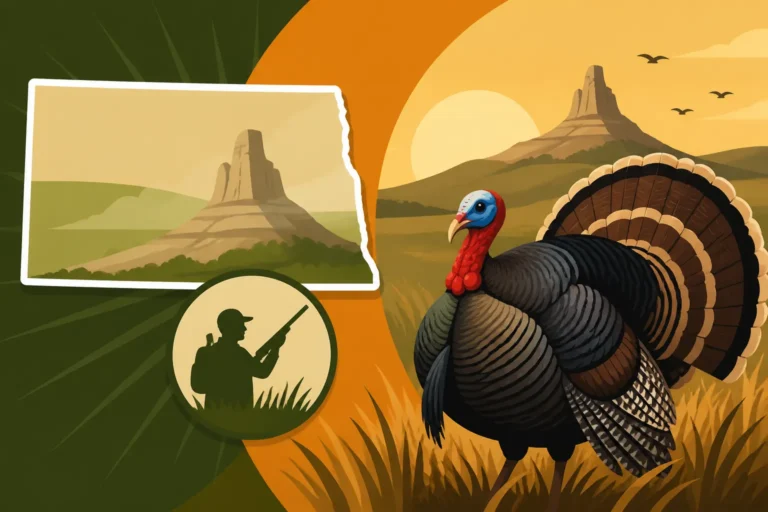
While often overshadowed by the spring gobbler fever, North Dakota's fall turkey season offers a unique and rewarding hunting experience. Unlike the spring season, where hunters pursue gobblers during the breeding cycle, the fall hunt focuses on flocks, often comprising hens and their poults, or bachelor groups of toms. It’s a completely different strategy and one that requires understanding specific regulations.
Fall Turkey Licensing and Units
One of the most significant differences for fall turkey hunting compared to upland birds is the licensing process. North Dakota's fall turkey licenses are issued through a lottery system, meaning you must apply for a tag within designated application periods, typically in late summer, and hope to draw. This is not an over-the-counter license like those for pheasants or grouse. This system is in place to manage harvest pressure and maintain healthy turkey populations across specific hunting units.
When you apply, you'll be choosing a specific hunting unit, and if successful, your tag will only be valid for that unit. This unit-specific approach means you can't just hunt turkeys anywhere in the state; you're restricted to the geographical boundaries outlined on your license. It's crucial to research which units offer the best opportunities and match your preferred hunting style and access. For instance, units along the Missouri River corridor or in the Turtle Mountains often have good turkey populations.
Unlike the spring season, where only bearded turkeys are legal, the fall turkey season generally allows hunters to harvest a turkey of any sex or age. This provides more flexibility and opportunity for hunters. However, confirming the exact legal description on your tag and in the current year's regulations is always wise. The season dates themselves vary by unit, but typically run from mid-October through mid-January, often extending past Christmas. This long season provides ample opportunity to chase flocks, even after the hustle and bustle of deer season. To learn more about applying and the nuances of the season, consider looking into Fall Turkey Hunting in North Dakota.
Hunting Methods and General Rules
Fall turkey hunting employs very different tactics than spring hunting. Instead of calling in lovesick gobblers, the primary method is often to locate a flock, intentionally scatter them, and then use assembly calls (yelps, clucks, and lost calls) to bring them back together. This tactic, known as "breaking and calling," can be incredibly effective, especially for younger birds. Being patient and allowing the scattered birds time to feel alone before calling them back is key. For more detailed strategies, exploring resources like Calling a Fall Gobbler Flock can be invaluable.
Legal weapons for fall turkey hunting in North Dakota typically include shotguns (with conventional or non-toxic shot, depending on the area), archery equipment (like a recurve bow or crossbow), and in some specific units, rifles or handguns. However, the use of rifles and handguns for turkey hunting is generally restricted to specific units, so always double-check the current regulations for your drawn unit. Broadheads for archery equipment must meet minimum width requirements.
It’s also important to note the North Dakota Fall Turkey Season Closing Date for your specific unit. Hunting past this date, even by a day, is a violation. Ensure your license is properly displayed, and you have appropriate blaze orange if required during simultaneous deer gun seasons (which it often is). Ethical hunting practices, such as ensuring a clean kill shot and retrieving your bird promptly, are paramount. Remember, fall turkeys often roost in trees, so identifying potential roosting areas during scouting can be a major advantage.
Essential Licensing and Hunter Education Requirements
Before you even think about stepping into North Dakota's incredible pheasant, grouse, partridge, or fall turkey hunting grounds, you need to ensure all your ducks (or in this case, pheasants) are in a row when it comes to licensing and hunter education. This is often the most confusing part for both residents and especially non-residents, but it's absolutely non-negotiable for a legal hunt.
Nonresident and Resident License Structures
For all hunters in North Dakota, the foundational requirement is the purchase of a General Game and Habitat License. This license acts as a base permit and contributes to wildlife management and habitat conservation efforts across the state. Without it, you cannot purchase any other hunting license. The North Dakota General Game and Habitat License Cost varies for residents and nonresidents, but it's the first step for everyone.
Once you have your General Game and Habitat License, the specific licenses for upland birds come into play.
- Residents: For residents, typically an annual small game license covers pheasants, sharptail grouse, and Hungarian partridge. Fall turkey, as mentioned, requires a separate lottery-drawn license.
- Nonresidents: This is where it gets a bit more complex for those visiting. Nonresidents will need a Nonresident Small Game License. There are typically two options: an annual license or a short-term license (e.g., 3-day or 5-day options). The North Dakota Nonresident Small Game License Cost will vary significantly depending on which option you choose. This license covers pheasants, grouse, and partridge. Again, fall turkey is a separate, lottery-drawn license for which nonresidents usually cannot apply.
It's absolutely critical to carry proof of your license and applicable stamps (like the federal HIP certification, even for upland birds if you might encounter migratory species like doves, or just as a general bird hunting requirement) with you at all times while hunting. Digital copies on your phone are often acceptable, but having a physical copy or screenshot on hand as a backup is always a good idea, especially in remote areas with no cell service. Before you even step foot in the field, services like GoHunt offer invaluable data on state regulations, license requirements, and application deadlines, making the process much smoother.
Hunter Education and Safety
Beyond licenses, hunter education is a cornerstone of safe and responsible hunting in North Dakota. The state has specific requirements to ensure hunters are knowledgeable about firearm safety, wildlife identification, hunting ethics, and regulations. Generally, anyone born after December 31, 1961, must complete a hunter education course before they can purchase a hunting license in North Dakota. There are some exceptions, such as for individuals hunting under an apprentice license or those who have completed an equivalent hunter education course in another state or province. A comprehensive guide to these stipulations can be found in North Dakota Hunter Education Requirements.
Safety is paramount. This includes understanding and practicing the four primary rules of firearm safety: treat every firearm as if it's loaded, always point the muzzle in a safe direction, keep your finger off the trigger until ready to shoot, and be sure of your target and what's beyond it. North Dakota also mandates blaze orange during certain seasons, particularly when overlapping with the deer gun season, which happens during a significant portion of the upland bird season. Even if it's not strictly required for upland during every period, wearing blaze orange is always a smart safety choice when hunting alongside others. Always refer to North Dakota Blaze Orange Requirements for the precise specifications, like the minimum amount of visible blaze orange clothing.
Finally, while often associated with waterfowl, the Harvest Information Program (HIP) certification is required for all migratory bird hunters. This includes doves, snipes, and woodcock, which can be encountered during upland hunts. While pheasants, grouse, and partridge are not migratory, getting HIP certified as a bird hunter is a good practice to ensure full compliance if you accidentally or intentionally pursue any migratory species. The small amount of effort it takes to get certified is well worth avoiding a potential citation.
Public Land Access and Ethical Hunting Practices
One of the greatest assets for North Dakota hunters is the abundance of public access. However, understanding where you can hunt and how to do so ethically and legally is just as important as knowing the season dates and bag limits. North Dakota offers a fantastic array of public hunting opportunities, primarily through its Private Land Open To Sportsmen (PLOTS) program, Wildlife Management Areas (WMAs), and National Grasslands.
Navigating North Dakota's PLOTS Program
The PLOTS (Private Land Open To Sportsmen) program is truly a game-changer for public access in North Dakota. It's a voluntary program where the North Dakota Game and Fish Department leases private land from landowners, opening it up to public hunting. These areas are typically marked with distinctive yellow triangular signs. PLOTS lands often consist of prime habitat, including CRP fields, dense grasslands, cattail sloughs, and shelterbelts, making them ideal for pheasant, grouse, and partridge.
Finding PLOTS land is easier than ever. The NDGFD publishes an annual PLOTS Guide booklet, which provides maps and details for all enrolled parcels. Even better, their ND Hunt App and website offer real-time, GPS-enabled maps that show all PLOTS tracts, property boundaries, and your location. Utilizing tools like GoHunt that integrate this data with satellite imagery and landowner information can give you a massive advantage for Scouting PLOTS Land Before Season. This allows you to identify potential cover, escape routes, and access points from the comfort of your home.
When hunting PLOTS land, remember it's still private property, just with public access for hunting. Respect the land by staying on designated trails, closing gates, and packing out everything you pack in. Do not drive off-road unless explicitly allowed on the signage. Pressure on popular PLOTS tracts, especially early in the season, can be high, so consider walking deeper into parcels or exploring lesser-known areas. For effective strategies on these lands, check out insights from Walking North Dakota PLOTS Land for Pheasant. Always be aware of other hunters and communicate respectfully to ensure everyone has a safe and enjoyable experience.
Wildlife Management Areas and National Grasslands
Beyond PLOTS, North Dakota boasts a network of Wildlife Management Areas (WMAs) and two vast National Grasslands—the Little Missouri National Grassland and the Sheyenne National Grassland—all offering substantial public hunting opportunities.
- Wildlife Management Areas (WMAs): These lands are owned and managed by the NDGFD specifically for wildlife and public recreation, including hunting. WMAs vary in size and habitat, from river bottoms to prairie grasslands and wetland complexes. Many are exceptional for upland birds. Each WMA may have specific rules regarding vehicle access, camping, and even non-toxic shot requirements, so always check the local regulations for the specific WMA you plan to hunt. They are often less pressured than some PLOTS areas, especially if you're willing to walk a bit further.
- National Grasslands: The Little Missouri National Grassland in western North Dakota and the Sheyenne National Grassland in the southeast offer immense, uninterrupted stretches of public land. The Little Missouri is characterized by its rugged badlands terrain, perfect for sharptail grouse and often mule deer. The Sheyenne, North Dakota's only tallgrass prairie, provides unique hunting for prairie chickens (though closed to hunting) and a variety of other small game. Hunting these vast federal lands requires a different mindset—think self-sufficiency, navigation skills, and a willingness to cover serious ground. Blaze orange is often a good idea here, especially during overlapping big game seasons.
When hunting any public land, particularly WMAs and National Grasslands, remember that these areas are used by many different groups—hikers, birdwatchers, photographers, and other hunters. Exercising courtesy and good sportsmanship is essential. This includes knowing your boundaries, staying on marked trails, and packing out all trash.
Ethical Considerations and CWD Awareness
Ethical hunting goes beyond simply following the rules; it encompasses respect for the animal, the land, and fellow hunters. This means taking responsible shots within your effective range, ensuring a quick and humane kill, and dedicating ample time to retrieve any downed game. A good retrieving dog is invaluable for minimizing crippling loss and ensuring every bird harvested is recovered.
While Chronic Wasting Disease (CWD) is primarily a concern for deer and other cervids, it's a critical wildlife management issue in North Dakota that all hunters should be aware of. Even if you're only targeting upland birds, understanding the general principles of CWD management—such as restrictions on transporting certain parts of a carcass from CWD-positive units and mandatory testing in some areas—is important for the health of North Dakota's wildlife. Refer to North Dakota's Expanding CWD Hunting Units for the latest information on affected areas and what hunters need to do.
Finally, good sportsmanship is crucial. If you encounter other hunters in the field, a friendly wave and respectful distance go a long way. If you stumble upon game that another hunter has downed, make every effort to help them recover it. Retrieving game from private land, even if you shot it from public land, requires permission from the landowner. A simple knock on the door can turn a potential conflict into a friendly interaction, sometimes even opening doors to future hunting opportunities.
Practical Tips for a Successful North Dakota Upland Hunt
Chasing upland birds in North Dakota is an adventure, but like any good adventure, it requires planning and preparation. Maximizing your success and enjoyment isn't just about knowing the rules; it's about understanding the birds, their environment, and how to effectively hunt them.
Scouting and Preparation
Effective scouting, both before the season and even the day before a hunt, is arguably the most critical component of a successful upland bird hunt. Birds are creatures of habit and will gravitate towards specific types of cover, food, and water. In North Dakota, this means looking for mosaics of habitat: dense thermal cover like cattails and cedar trees for winter survival, tall CRP grass for nesting and roosting, standing grain for food, and reliable water sources. Utilizing tools like GoHunt's satellite imagery and land ownership maps is incredibly effective for identifying these features from your home. You can mark potential hotspots, plan walking routes, and identify access points, especially on Hunting a North Dakota Prairie Pothole Slough Edge.
Pre-season scouting involves driving rural roads, observing fields, looking for bird sign (tracks, droppings, dusting areas), and even listening for pheasants crowing in the mornings. This gives you a feel for bird numbers and where they're concentrated. Physical conditioning for both you and your dog is also crucial. North Dakota's expansive prairies demand a lot of walking, often in soft cover or uneven terrain. Ensure your retriever is fit, hydrated, and accustomed to working in varied conditions. For specialized advice on dog handling and training, consider resources like Running a Pointer Through CRP Grass. Don't forget to pack appropriate gear, especially for North Dakota's notoriously unpredictable weather. Layers are key, and a good pair of waterproof boots is non-negotiable.
Field Tactics and Retriever Use
Once you're in the field, employing smart tactics can make all the difference. For pheasants, walking in a line with multiple hunters, systematically covering a field or shelterbelt, is often effective. Focus on working into the wind, which helps your dogs scent birds and allows the birds to flush into the wind, often slower and higher. When a bird flushes, focus on the rooster, take your shot, and then mark where it falls. This is where a well-trained retriever becomes your most valuable asset, diligently searching and bringing back downed birds, dramatically reducing crippling loss. Without a dog, expect to spend considerable time looking for downed birds, especially in thick cover.
For sharptails and Huns, which often inhabit more open terrain, a "block and walk" strategy can work, where some hunters position themselves to cut off birds attempting to run or flush ahead, while others walk to push them. For smaller coveys of Huns, breaking them up and then calling them back together, similar to fall turkey tactics, can sometimes yield results. Always be aware of your shooting lanes and the location of other hunters and dogs. Communication is key, especially when working in groups or on busy public lands. Being patient, taking your time, and letting your dogs work effectively will lead to more birds in the vest.
Beyond Upland: Predator Calling and Small Game
While your primary focus might be upland birds, North Dakota offers a fantastic array of other hunting opportunities that can complement your trip or provide alternative entertainment during slower periods. Many upland hunters also enjoy predator calling, particularly for coyotes and foxes. These predators are abundant across the state, and calling them can be an exciting way to spend the early mornings or late evenings when upland birds aren't as active. For specific strategies and tips, check out Coyote Calling North Dakota Farm Country, which can significantly enhance your overall hunting experience.
Additionally, other small game like cottontail rabbits and squirrels can often be found in areas adjacent to prime upland habitat, such as shelterbelts or river bottoms. Their seasons often overlap with upland bird seasons, providing another species to pursue if the upland action is slow. Always check the regulations for these specific species, including season dates and bag limits, as they differ from upland birds. Embracing the full spectrum of North Dakota's outdoor offerings allows for a more diverse and enriching hunting adventure, reminding you that there's always something to chase in this wild and wonderful state.
| Upland Species | Typical Season Dates (Approx.) | Daily Bag Limit | Possession Limit |
|---|---|---|---|
| Ring-necked Pheasant | Early Oct – Early Jan | 3 Roosters | 12 Roosters |
| Sharptail Grouse | Early Sept – Early Dec | 3 Birds | 6 Birds |
| Hungarian Partridge | Early Sept – Early Dec | 3 Birds | 6 Birds |
| Fall Turkey (Lottery) | Mid-Oct – Mid-Jan | 1 (Any Sex/Age) | 1 |
Disclaimer
The information provided in this guide is intended for general informational purposes only and does not constitute legal advice. Hunting regulations in North Dakota, like any jurisdiction, are subject to change. It is the individual hunter's responsibility to review and comply with all current North Dakota Game and Fish Department (NDGFD) regulations, state laws, and federal laws before engaging in any hunting activities. Always refer to the official NDGFD proclamation and website for the most accurate and up-to-date information.