North Dakota Hunter Education Requirements
Hunting in North Dakota offers incredible opportunities, from chasing whitetails in river bottoms to calling geese over vast fields, but the path to legally participating can feel like navigating a maze of regulations. One of the most common hurdles, especially for new hunters or those new to the state, is understanding the specific hunter education requirements. This guide will meticulously break down everything you need to know about getting properly certified, ensuring you're ready to enjoy the rich hunting heritage of North Dakota without any surprises.
Understanding North Dakota's Hunter Education Mandate
The North Dakota Game and Fish Department (NDGFD) has clear rules about who needs hunter education, and it's essential to understand these before you even think about buying a license or heading into the field. This isn't just about checking a box; it's about safety, responsibility, and ensuring the future of hunting.
Why Hunter Ed Matters Beyond the Law
Many hunters, especially seasoned veterans, might view hunter education as a formality. However, the curriculum goes far beyond simply knowing not to point a gun at someone. It instills a deep sense of ethical hunting, respect for wildlife, and an understanding of conservation principles that are vital for maintaining healthy game populations across the state. Think about it: a well-educated hunter is not just safer for themselves and others, but also a better steward of the land and its resources, ensuring that traditions like White-Tailed Deer Across North Dakota and Ring-Necked Pheasants in North Dakota continue for generations. The class often covers things like shot placement, blood trailing, and how to properly field dress an animal, which are incredibly valuable practical skills.
Beyond personal safety, hunter education plays a crucial role in public perception. When accidents occur, it casts a shadow over all hunters. By adhering to rigorous safety standards taught in these courses, we collectively uphold a positive image of hunting as a responsible and legitimate outdoor activity. It also helps new hunters feel more confident and prepared, reducing anxiety and increasing their enjoyment of the sport. It's about building a community of knowledgeable and responsible outdoorsmen and women.
Who Absolutely Needs to Take the Course
Generally speaking, anyone born after December 31, 1961, is required to possess a valid hunter education certificate to hunt in North Dakota. This applies to both residents and non-residents. If you're a resident planning to hunt your local section of PLOTS land, or a non-resident coming in for the incredible North Dakota Waterfowl on the Prairie Pothole Flyway, this rule applies to you. There's no getting around it if you fall within that age bracket unless you meet specific exemption criteria we'll discuss shortly.
This requirement is not just for firearms hunting; it extends to archery hunting as well, though there are specific nuances for bowhunting certification that we’ll touch on later. The intent is clear: to ensure every hunter has a foundational understanding of safety and ethics, regardless of their chosen weapon. It’s a standard measure across many states, designed to create a consistent baseline of knowledge among the hunting public. This ensures that when you're out in the field, whether it's hunting Elk in North Dakota's Little Missouri Badlands or simply chasing small game, everyone around you has a similar level of safety awareness.
Exemptions and Special Cases
While the general rule is quite broad, there are specific exemptions to the hunter education requirement. The most common exemption is for individuals who were born before January 1, 1962. If you're old enough to remember when hunting licenses were just a few bucks and flip phones were cutting-edge technology, you're likely exempt based on age and assumed experience. This essentially grandfathers in an entire generation of hunters who learned in a different era, often from family and mentors in the field directly.
Another significant exemption comes from reciprocity. If you’ve completed a hunter education course in another state or province that is recognized by the International Hunter Education Association (IHEA-USA), North Dakota will generally honor that certification. This is great news for folks who’ve hunted elsewhere and are now looking to explore North Dakota's abundant wildlife. Always carry proof of your certification from your home state, just in case a game warden asks. It’s always better to have it and not need it than need it and not have it! Additionally, North Dakota offers an "apprentice hunter" license, which provides a pathway for uncertified individuals to hunt under the direct supervision of a certified mentor, offering a fantastic opportunity for new hunters to gain experience before committing to the full course.
The Different Paths to Certification
Getting your hunter education certificate doesn't have to be a daunting task. North Dakota offers a few flexible options, catering to different learning styles and schedules. Choosing the right path depends on your availability and how you prefer to learn.
Traditional Classroom Experience
For many, the traditional classroom setting is still the gold standard for hunter education. These courses are typically taught by volunteer instructors who are passionate about hunting and deeply knowledgeable about local regulations and safety. You'll spend several days, or a series of evenings, in a classroom environment, covering everything from firearm handling and archery safety to wildlife conservation and North Dakota's specific hunting laws.
The real benefit of a classroom course is the hands-on instruction and direct interaction with experienced hunters. You get to ask questions in real-time, handle inert firearms, and learn from the collective wisdom of your instructors and fellow students. This immersive experience is particularly beneficial for younger hunters or those who have never handled a firearm before, providing a safe and controlled environment to learn crucial skills. Check the NDGFD website for schedules and locations; these courses are often held in community centers, schools, or local sporting goods stores like those that might carry brands such as GoHunt products.
Online Hunter Education Courses
In our increasingly digital world, online hunter education has become a popular and convenient alternative. For those with busy schedules or who prefer to learn at their own pace, an approved online course can be completed from the comfort of your home. These courses are typically interactive, featuring videos, quizzes, and simulations designed to teach the required material.
However, it's crucial to understand that simply completing the online portion is usually not enough for full certification in North Dakota. Most online courses require a mandatory "field day" component. The online course teaches the theory, but the field day puts that theory into practice. When you're considering Taking North Dakota Hunter Education Online, always confirm if a field day is required and how to sign up for one, as this is where you'll demonstrate practical safety skills. Be aware that many states offer online-only certification, but for North Dakota, expect to get your hands dirty at some point.
Field Day Requirements
The field day is the practical capstone for those who choose the online hunter education route. This is where you get to put all that online learning into action, under the watchful eye of certified instructors. During a field day, you can expect to engage in activities such as safe firearm handling drills, navigating a mock hunting scenario, and practicing various shooting positions. It's designed to ensure that you not only understand the safety principles but can also apply them in a practical, real-world context.
These sessions are invaluable, particularly for ensuring that you can safely load, unload, and carry a firearm, and understand shooting zones. They also often cover things like proper tree stand safety, retrieving game, and even basic compass and navigation skills. Finding a field day can sometimes be challenging, especially during peak seasons, so plan ahead and register early once you've completed your online course. The NDGFD website is the best place to find schedules and register for these essential practical sessions.
Apprentice Hunter Licenses: A Mentored Approach
For new hunters, especially youth, the idea of jumping straight into a hunter education course can be intimidating. That’s where North Dakota's Apprentice Hunter License program truly shines, offering a fantastic bridge into the hunting world under the direct guidance of an experienced mentor.
How the Apprentice License Works
The Apprentice Hunter License is a provisional license designed to allow uncertified individuals, regardless of age, to hunt alongside a fully licensed and certified mentor. This is a brilliant way to introduce new hunters to the sport without the immediate pressure of passing a full hunter education course. It’s perfect for families and friends who want to share their passion for hunting with someone new. The apprentice hunter must be accompanied by a licensed hunter who is at least 18 years old and has completed hunter education (or is exempt by age).
This program is essentially a "try before you buy" model for hunter education. It gives a new hunter the chance to experience the sights, sounds, and traditions of hunting firsthand, to see if it truly sparks their interest, before they commit to the time and effort of certification. It also allows for valuable one-on-one teaching in real-world scenarios, which can be far more impactful than any classroom lesson. You can learn more about North Dakota Apprentice Hunter License Rules directly from the NDGFD.
Finding a Qualified Mentor
The success of the apprentice program hinges entirely on finding a responsible and knowledgeable mentor. A qualified mentor isn't just someone who can hold a license; they should be someone who embodies ethical hunting practices, prioritizes safety above all else, and is patient and eager to teach. This could be a parent, a grandparent, a trusted family friend, or even an experienced hunting buddy. The mentor needs to be at least 18 years old and, importantly, must be hunter education certified themselves (or exempt by birthdate).
When choosing a mentor, look for someone who understands the local game species, the habitat they frequent, and the specific regulations for the area you plan to hunt. They should be able to clearly communicate safety rules, demonstrate proper firearm handling, and impart the ethical considerations that are so vital to our sport. This is more than just supervision; it’s an apprenticeship in the truest sense, passing down knowledge and passion from one generation to the next.
Rules for Mentored Youth Hunting
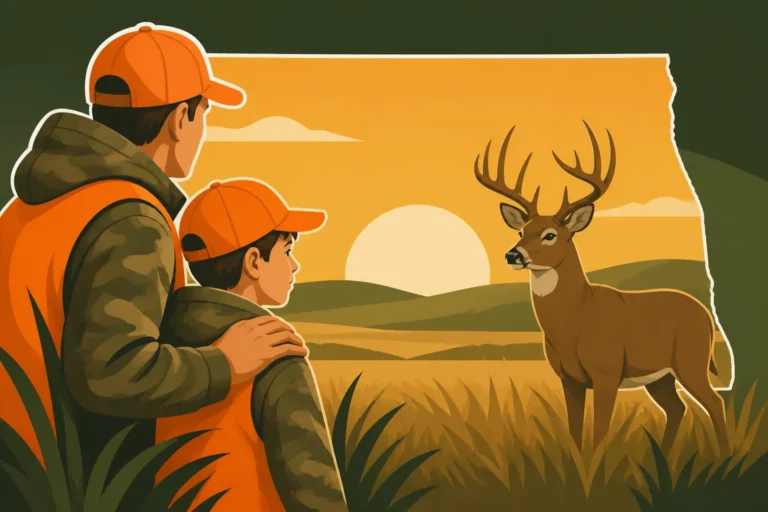
While the Apprentice License is available to all ages, it's particularly popular and beneficial for youth. There are specific rules designed to ensure safety when North Dakota Youth Deer Season Rules are in effect, or any other season for that matter. The mentor must remain within "immediate physical control" and "direct visual contact" of the apprentice hunter at all times while hunting. This isn't just about being in the same general area; it means being close enough to physically intervene if necessary and to directly observe and guide every action.
This close supervision is paramount. The mentor is ultimately responsible for the apprentice's adherence to all hunting laws and safety practices. It's a significant responsibility, but one that many experienced hunters gladly take on to introduce new blood to the outdoor lifestyle. It’s also a perfect opportunity to instill a love for nature and conservation from an early age, helping to shape the next generation of responsible North Dakota hunters. For more details on the proximity required, you can often find specifics on How Close a North Dakota Mentor Must Stay on the NDGFD website or in their annual proclamations.
Navigating Age Restrictions and Supervision
Beyond the apprentice program, there are distinct age-related guidelines regarding who can hunt independently and under what level of supervision. These rules are in place to safeguard young hunters and ensure they have the maturity and training necessary for self-sufficient hunting.
Minimum Age for Unsupervised Hunting
North Dakota has a very clear stance on when a young hunter can head out into the field without direct adult supervision. Generally, a person must be at least 12 years old to obtain a regular hunting license for deer, elk, moose, bighorn sheep, and pronghorn. For small game and furbearers, the minimum age is often lower, but the core hunter education requirement still applies for those born after 1961. To hunt completely unsupervised, meaning without a mentor under the apprentice program, a hunter needs to have completed a hunter education course and be old enough to legally purchase the specific license for the game they are pursuing.
The state places a high value on ensuring young hunters are adequately prepared before venturing out alone. This means not only having the certification but also possessing the judgment and experience that often comes with a few seasons under their belt. It’s not just about pulling a trigger; it’s about making ethical decisions in the field, understanding wildlife behavior, and being able to navigate safely. The rule governing Minimum Age for Unsupervised North Dakota Hunting is a cornerstone of responsible youth hunting policy.
Staying Within Legal Proximity to Your Mentee
We touched on this briefly with the apprentice license, but it bears repeating with emphasis: when supervising a youth hunter (or any apprentice hunter), the legal requirement for proximity is strict. The phrase "immediate physical control" means being close enough to grab a firearm if a safety violation is about to occur, or to physically guide the apprentice through a complex situation. "Direct visual contact" means you need to be able to see them clearly at all times, not just know they're somewhere in the general vicinity.
This isn't about shadowing their every step in a way that stifles their learning; it's about being present and attentive. Imagine a scenario where a deer suddenly appears, and a young hunter gets excited and points the firearm in an unsafe direction. The mentor must be close enough to immediately correct that action. This level of proximity ensures that teachable moments can be addressed instantly and potential hazards can be averted, making the mentored hunt a safe and positive learning experience for all involved.
Specific Rules for Different Game Species
While hunter education is a general requirement, some specific nuances exist depending on the game species you're pursuing. For instance, basic hunter education covers general firearm safety, but if you're venturing into archery-only seasons, a separate bowhunter education course might be recommended or, in some cases, required depending on the specific hunting unit or circumstances. This is less common for general hunting, but specialized hunting methods sometimes have additional training considerations.
For big game, like deer or elk, the regulations are typically more stringent regarding age and license type. For migratory birds, like ducks and geese, while hunter education remains foundational, you'll also need to ensure you have your North Dakota Federal Duck Stamp Requirement and are North Dakota HIP Certification for Bird Hunters certified. These are federal requirements that stack on top of state-level hunter education. Always double-check the specific proclamation for the species and season you intend to hunt, as rules can sometimes have subtle differences.
What the Hunter Education Course Covers
North Dakota's hunter education curriculum is comprehensive, designed to turn novices into responsible, well-rounded outdoorsmen and women. It’s more than just gun safety; it’s a holistic approach to hunting.
Firearm Safety Fundamentals
At its core, hunter education places paramount importance on firearm safety. This isn't just about pointing the muzzle in a safe direction. It delves into the "Ten Commandments of Firearm Safety," teaching proper loading and unloading procedures, understanding the different parts of a firearm, and practicing safe carrying techniques in various field conditions. Students learn how to identify their target and what lies beyond it, a critical concept often reinforced with real-world examples and simulated scenarios.
The course also covers ammunition types, storage best practices to prevent accidental discharge, and the importance of checking your firearm for obstructions before use. They emphasize that every single firearm should always be treated as if it's loaded, a mindset that can prevent tragic accidents. This foundational knowledge is essential for any hunter, ensuring that every time a firearm is handled, it is done so with the utmost respect and caution. Learning these fundamentals is key to a lifetime of safe hunting.
Hunter Responsibility and Ethics
Beyond the mechanics of a firearm, a significant portion of hunter education is dedicated to fostering a strong sense of responsibility and ethical behavior in the field. This includes understanding fair chase principles, which dictate that hunters should not take unfair advantage of an animal. It also covers the importance of respecting private property, always securing landowner permission when hunting on private ground, and leaving no trace behind.
Ethical considerations extend to proper game recovery, knowing when to take a shot, and making every effort to retrieve a wounded animal. Hunters are taught to be stewards of the land, respecting the environment and the wildlife they pursue. This part of the course often delves into the North American Model of Wildlife Conservation, explaining how hunters contribute to conservation efforts through license fees and excise taxes on hunting equipment. It’s about being a good ambassador for hunting, ensuring that our actions reflect positively on the entire hunting community.
Wildlife Identification and Conservation
A successful and ethical hunter must also be knowledgeable about the wildlife they are pursuing and the ecosystems they inhabit. Hunter education courses in North Dakota will teach you how to accurately identify game species, including distinguishing between deer sexes and antler configurations, which is critical for legal harvest in units with specific tag restrictions. You'll learn about habitat requirements, breeding cycles, and how these factors influence hunting seasons and bag limits.
Furthermore, the course provides an overview of wildlife conservation principles, explaining how state wildlife agencies manage populations, conduct surveys, and implement regulations to ensure healthy and sustainable numbers. You'll gain an appreciation for how your hunting license fees directly fund these conservation efforts, contributing to the health of the very animals you hunt. Understanding these biological and ecological principles helps hunters make informed decisions and appreciate the bigger picture of wildlife management in North Dakota. This knowledge is not only vital for ethical hunting but also for maximizing your chances of success, as understanding game behavior is paramount.
First Aid and Survival Basics
Hunting often takes us into remote, rugged environments where help might not be immediately available. That's why North Dakota hunter education also incorporates essential first aid and basic survival skills. Imagine being miles from the nearest road, a sudden blizzard rolling in, or someone in your group sustaining a minor injury. Knowing how to respond in these situations can make all the difference.
Students learn about preparing for emergencies, carrying a basic first aid kit, and how to treat common injuries like cuts, sprains, and hypothermia. They also cover basic survival techniques, such as signaling for help, building a makeshift shelter, and preventing dehydration. This preparedness training instills confidence and equips hunters to handle unexpected challenges in the field, making their overall experience safer and more enjoyable. It's about being self-reliant and ready for whatever Mother Nature throws your way, especially when you are deep in the Hunting North Dakota's Badlands or far out in the North Dakota Waterfowl Production Areas.
Proof of Certification and Practical Considerations
Once you've completed your hunter education, getting certified is just one step. Knowing how to carry and, if necessary, replace your certification is equally important for a seamless hunting experience.
Carrying Your Hunter Education Card
After successfully completing your North Dakota hunter education course, you'll receive a physical certification card or a printable certificate. This document is your official proof of completion, and it is absolutely vital that you carry it with you whenever you are hunting in North Dakota, especially if you are required to have it. Game wardens regularly check licenses and certifications in the field, and not having your proof of hunter education can lead to citations, even if you are legitimately certified.
Think of it like your driver's license – you wouldn't drive without it. The same goes for your hunter education card. Keep it in a safe, waterproof place in your wallet, hunting pack, or a dedicated document pouch. Some states allow digital proof, but it’s always safest to have a physical copy. Being able to quickly present your card upon request ensures a smooth interaction with enforcement officers and demonstrates your commitment to legal and ethical hunting.
Replacing a Lost Card
Life happens, and sometimes important documents get lost or damaged. If you find yourself in need of a replacement hunter education card, don't panic. The North Dakota Game and Fish Department has a process for this. Typically, you can request a duplicate card through their website or by contacting their licensing division. There might be a small fee associated with replacement cards, so be prepared for that.
It's a good idea to keep a digital copy or a photocopy of your original certificate in a secure location at home. This makes the replacement process much smoother as you'll have all the necessary information readily available, such as your hunter education number and date of completion. Don't wait until opening day to discover your card is missing! Be proactive and secure a replacement well in advance of your hunting trip.
Non-Resident Hunter Education Recognition
For our friends visiting from out of state, North Dakota generally recognizes hunter education certificates issued by other states and Canadian provinces, provided they meet the International Hunter Education Association (IHEA-USA) standards. This is a common practice across states, fostering reciprocity and making it easier for hunters to travel and enjoy hunting opportunities nationwide. So, if you've completed a course in Minnesota, Montana, or even Ontario, your certification should be good to go in North Dakota.
However, it's always prudent to carry your original certification card from your home state. While the reciprocity is generally accepted, having tangible proof eliminates any potential confusion or delays if questioned by a game warden. There's no need to take a second North Dakota course if you're already certified elsewhere, which is a great relief for many North Dakota Nonresident License Options hunters who are just looking to enjoy the abundant resources here.
Special Scenarios and Frequently Asked Questions
Hunter education often sparks specific questions, especially concerning specialized hunting methods or youth participation. Let's tackle some of those common inquiries.
Bowhunter Education Specifics
While the general hunter education course covers basic archery safety, North Dakota does not typically require a separate, dedicated bowhunter education course for most public land archery hunting. However, there are nuances. Some specific units, especially those with unique management strategies or near urban areas, might have additional requirements, or it could be highly recommended for safety and ethical reasons. It's always best practice to consult the current year's hunting proclamation for any special area-specific regulations regarding bowhunting.
For those serious about archery hunting, even if not legally required, taking an advanced bowhunter education course can significantly enhance your skills and ethical understanding. These courses often dive deeper into topics like shot placement on various animals, judging distances without a rangefinder, tracking wounded game specific to arrow wounds, and advanced stand placement techniques. While not always mandatory, this additional training can make you a more effective and responsible bowhunter, whether you're after a whitetail during Bowhunting North Dakota's Long Archery Season or seeking Pronghorn Hunting Western North Dakota.
Muzzleloader Hunter Education
Similar to bowhunting, a separate muzzleloader-specific hunter education course is not generally mandated in North Dakota. The core hunter education certificate is sufficient for hunting during the Muzzleloader Deer Hunting in Select North Dakota Units season. However, learning to safely operate and maintain a muzzleloader is quite different from modern firearms, and it comes with its own set of precautions.
If you're new to muzzleloading, it's highly advisable to seek out experienced mentors or attend specific workshops focusing on these unique firearms. Understanding powder charges, proper loading sequences, misfire procedures, and the specific cleaning requirements of muzzleloaders is critical for both safety and accuracy. While the law might not require additional certification, common sense and a commitment to safe hunting certainly recommend thorough self-education or mentorship if you plan to join the ranks of North Dakota’s muzzleloader enthusiasts.
Youth Hunter Education Weekend Programs
Recognizing the importance of introducing youth to hunting in a fun and focused environment, the NDGFD sometimes offers special youth hunter education weekend programs. These are fantastic opportunities for young, aspiring hunters to get their certification in a condensed format, often with a strong emphasis on hands-on activities and mentorship. These programs are designed to be engaging and inspiring, fostering a lifelong love for hunting and conservation.
These weekend events often coincide with special youth hunting seasons, such as the North Dakota Youth Deer Season Rules, providing a perfect pathway for kids to transition from certification directly into their first hunting experience. Keep an eye on the NDGFD website and local news outlets for announcements about these programs, as they tend to fill up quickly due to high demand. They represent a vital investment in the future of hunting and ensure that new generations are well-prepared and eager to participate in North Dakota's rich outdoor traditions.
A Quick Comparison of Hunter Education Options
To help you decide which path to certification might be best for you, here's a quick overview of the main options:
| Feature | Traditional Classroom Course | Online Course + Field Day | Apprentice Hunter License |
|---|---|---|---|
| Format | In-person, multi-session | Self-paced online + in-person practical | Mentored hunting experience, no formal course |
| Hands-on Instruction | Extensive | Good (during field day) | Excellent (real-world) |
| Flexibility | Limited (fixed schedule) | High (online portion) | High (can hunt any open season with mentor) |
| Cost (approx.) | Varies, often free or minimal fee | Online course fee + potential field day fee | License fee (usually lower than full license) |
| Time Commitment | ~12-16 hours over several days/evenings | ~8-12 hours online + ~4-8 hours field day | Ongoing, as long as mentored |
| Certification | Full, immediate upon completion | Full, upon completion of both parts | Temporary, requires mentor, not a full certification |
| Best For | First-time hunters, youth, those preferring direct interaction | Busy schedules, self-starters, comfortable with online learning | New hunters uncertain about committing, youth, family tradition |
| Key Requirement | Attendance & passing exam | Passing online exam & field day | Direct supervision by certified mentor |
It’s worth noting that the GoHunt platform, while not directly offering North Dakota’s official courses, is an excellent resource for planning your hunt, researching units, and often provides links to official state hunter education resources, making it a great tool to pair with your certification efforts.
Disclaimer
The information provided in this guide is intended for general informational purposes only and does not constitute legal advice. Hunting regulations, license requirements, and hunter education mandates are subject to change. Always consult the official North Dakota Game and Fish Department (NDGFD) website or their current hunting proclamations for the most accurate and up-to-date information before planning any hunting activities.