North Dakota Nonresident License Options
Hunting in North Dakota can be an incredibly rewarding experience, offering unparalleled opportunities from vast stretches of pheasant country to bustling prairie pothole duck sloughs. However, for nonresidents, the journey to obtaining the right licenses can often feel like an intricate puzzle, riddled with specific deadlines, varying costs, and sometimes confusing restrictions. Many eager hunters find themselves frustrated, wondering which license they actually need and how to navigate the system without making a costly mistake. This guide is designed to clarify North Dakota's nonresident license options, breaking down the requirements, costs, and critical considerations so you can plan your next hunting adventure with confidence.
Understanding the North Dakota Game and Fish Department's Approach to Nonresidents
It’s easy to feel like an outsider when state regulations seem to prioritize local hunters. This isn't unique to North Dakota, but understanding the philosophy behind it can help nonresident hunters set realistic expectations and navigate the system more effectively.
The Philosophy Behind Resident-First Access
North Dakota, much like many other states blessed with abundant wildlife, operates on a resident-first access philosophy. This isn't meant to be unwelcoming or exclusionary to our visiting hunters; rather, it’s a foundational principle rooted in ensuring that the individuals who live in, contribute to, and pay taxes within the state have primary access to the natural resources managed by their Game and Fish Department. It’s a common and understandable approach, reflecting the long-standing idea that local populations have a significant, vested interest in the long-term health and sustainability of the state's wildlife populations.
For nonresidents, this fundamental approach often translates into certain differences: specific waiting periods for public land access, generally higher license costs, and, for some species, significantly more limited draw opportunities compared to what a resident might experience. These aren't arbitrary rules; they are policies carefully designed to manage hunting pressure on game populations and ensure a quality outdoor experience for everyone, with a particular focus on the local community. Appreciating this underlying philosophy helps nonresidents approach the application process with a clearer understanding of the system's priorities.
This resident-first approach becomes particularly pronounced when it comes to species that are highly sought-after or have more sensitive populations, such as deer, elk, and moose. While some states have very open nonresident hunting opportunities, North Dakota strives to carefully balance access, working to maintain healthy ecosystems and robust hunting traditions for its own people. Ultimately, this careful stewardship indirectly benefits everyone, as it contributes to maintaining strong, healthy wildlife populations that can sustain hunting for years to come.
The Impact of Population and Resource Management on Nonresident Opportunities
The North Dakota Game and Fish Department (NDGFD) doesn’t just guess at how many licenses to issue each year. They meticulously monitor game populations through extensive surveys, evaluate habitat conditions across the state, and analyze past hunter harvest data. These data points are absolutely critical, directly influencing the number of licenses available and, crucially, how many of those precious tags are allocated to nonresidents. For instance, if aerial surveys indicate that deer numbers are down in a particular unit, nonresident deer tags might be significantly reduced or become even harder to draw, reflecting a conservative management strategy designed to help the population rebound. Staying informed about annual reports and trends, like the North Dakota Deer Population Estimate, is vital.
Consider the often-harsh prairie winters North Dakota can experience. A severe winter, with prolonged cold and deep snow, can unfortunately take a heavy toll on a deer herd, especially impacting mule deer populations in the rugged western Badlands or reducing pheasant survival relying on sparse winter cover. In such challenging years, the NDGFD will typically respond by reducing license numbers across the board. In these scenarios, nonresidents are often the first to see their opportunities scaled back, as the state prioritizes resident access during periods of lower game numbers. It's a dynamic system, meaning what was readily available last year might be drastically different this year.
Beyond raw population numbers, the broader context of resource management also plays a significant role. The revenue generated from nonresident licenses provides crucial funding for conservation efforts, vital habitat improvement projects, and rigorous enforcement of hunting regulations throughout North Dakota. This financial investment helps support the very wildlife and landscapes that nonresidents travel to experience. However, the sheer number of hunters on the landscape also requires careful management to prevent overcrowding and maintain a high-quality hunting experience. This often necessitates limiting nonresident hunter numbers, particularly on popular public lands, to ensure sustainability and an enjoyable experience for everyone.
General Nonresident License Requirements and Costs
Before you can even begin to think about chasing specific game animals in North Dakota, there are some fundamental licenses and certifications that almost every nonresident hunter will need to acquire. These serve as your basic entry points into the state's hunting system.
The Nonresident General Game and Habitat License
Before you can even begin to think about specific species tags or entering any lottery draws, almost every nonresident hunter in North Dakota is required to purchase a Nonresident General Game and Habitat License. This isn't a hunting license for a particular animal; rather, it’s a foundational permit, serving as your essential entry ticket that helps fund the overarching management and conservation efforts across the entire state. Without this prerequisite license, you simply cannot purchase any other specific hunting licenses for North Dakota.
As of my most recent check, this crucial license typically costs around $75.00. While it might initially feel like an additional fee on top of your species-specific tags, it’s important to remember that this revenue directly supports vital initiatives. This includes funding for critical habitat projects, essential wildlife surveys that inform management decisions, and the enforcement efforts of game wardens. In essence, it's an investment in the future health and abundance of North Dakota's wildlife, ensuring there are thriving game populations for you and other hunters to pursue. You can find more details on this foundational cost in our North Dakota Nonresident Base License Cost guide.
Purchasing this license is generally a straightforward process, primarily conducted through the NDGFD's online portal. It’s absolutely essential to acquire this license before you apply for or attempt to purchase any other specific hunting licenses. Don't fall into the trap of waiting until the last minute; getting this foundational license squared away early will help you avoid any unnecessary stress or the potential to miss out on other opportunities due to delays.
Federal Requirements for Migratory Bird Hunting
If your North Dakota hunting dreams involve the thunderous wings of ducks or the honking cacophony of geese on a prairie pothole, you’ll have a few extra federal hoops to jump through. These requirements apply to all migratory bird hunters, regardless of their state of residence. The first, and arguably most iconic, is the Federal Duck Stamp. This isn't a state requirement but a federal mandate, necessary for all waterfowl hunters aged 16 and older across the entire United States. The stamp itself is a physical sticker that you must sign across the front and carry with you while hunting.
Beyond the Federal Duck Stamp, you'll also need to complete the Harvest Information Program (HIP) certification. This is another federal requirement, applicable to anyone hunting migratory game birds in any state. It's usually a quick, online process where you answer a few simple questions about your previous year's hunting success for various migratory species. This data is invaluable to the U.S. Fish and Wildlife Service, helping them gather essential information for population management and setting future season limits. Most states, including North Dakota, integrate HIP certification directly into their online license purchasing systems, making it a relatively painless step to complete.
Finally, specific to North Dakota, you'll need to acquire the North Dakota Migratory Bird Certification. This state-specific endorsement, which usually comes with a small fee, is what officially grants you permission to hunt migratory birds within North Dakota's borders, once you've secured your General Game and Habitat License, Federal Duck Stamp, and HIP certification. Missing any of these federal or state migratory bird requirements can lead to significant fines and penalties, potentially ruining your hunt. So, always double-check your paperwork and ensure you're fully compliant before heading to the field. For more specific information, check out our guide on the North Dakota Federal Duck Stamp Requirement.
Specific Nonresident Hunting Licenses Available
North Dakota offers specific license categories for various game species that are popular with nonresident hunters. Understanding these options, and their associated rules, is key to a successful trip.
Nonresident Small Game and Upland Bird Licenses
North Dakota is absolutely legendary for its upland bird hunting, drawing enthusiasts from all corners of the country to chase ring-necked pheasants, fast-flying sharp-tailed grouse, and the elusive Hungarian partridge. If your primary goal is to experience this incredible prairie tradition, the Nonresident Small Game License is your essential permit. This license covers these popular upland species and offers a fantastic opportunity for a truly memorable hunt. However, be aware that the cost for nonresidents is substantially higher than for residents, a clear reflection of the high demand and the state’s resident-first management philosophy.
When considering a small game hunt, you'll often find different options within the nonresident small game category, including a full-season license and sometimes shorter, temporary options. For most hunters planning a multi-day trip, the full-season option often proves to be the most straightforward and cost-effective choice. Always make sure to check the latest North Dakota Game and Fish Department regulations for specific season dates and bag limits, as these can fluctuate annually based on current population surveys and environmental conditions. Our detailed guide on North Dakota Pheasant and Upland Season Rules provides an excellent overview of what to expect each season.
A crucial point for nonresident small game hunters to remember, and one that often causes frustration, is the public land restriction. While you can certainly purchase this license and hunt on private land with proper permission or on specific PLOTS (Private Land Open To Sportsmen) areas, nonresidents cannot hunt on any state-owned or state-managed land—such as Wildlife Management Areas (WMAs) or State School Lands—for the initial seven days of the small game season. This is a significant restriction that impacts many who plan early season trips, but it's another measure designed to ensure local hunters have priority access to these highly sought-after resources. Always be aware of similar public land restrictions, like those found in How Many Days Nonresidents Wait for Public Land Bow Access.
Nonresident Waterfowl Specific Licenses
North Dakota lies directly in the heart of the Central Flyway, making it an undeniable paradise for duck and goose hunters. Nonresidents who dream of experiencing the legendary prairie pothole hunting, with flocks of mallards dropping into decoys or thousands of snow geese filling the sky, will need a specific Nonresident Waterfowl License. This license is in addition to the mandatory General Game and Habitat License, Federal Duck Stamp, and HIP certification. Securing this waterfowl license is your key to unlocking the incredible duck and goose opportunities the state proudly offers.
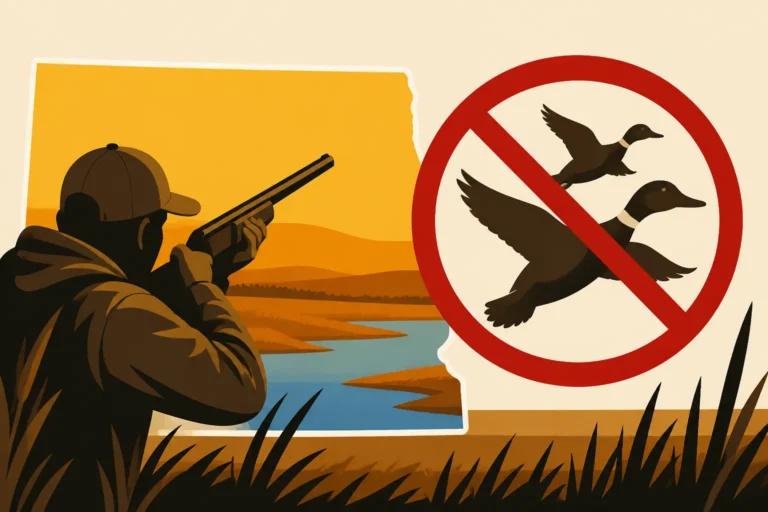
However, there's a significant and often confusing caveat for nonresident waterfowl hunters: the "Zone-Restricted" license. North Dakota implemented this system specifically to manage nonresident hunting pressure and ensure that its residents maintain priority access to migratory bird resources. This system divides the state into different zones and imposes limitations on the number of days or specific areas where a nonresident can hunt. This can be particularly intricate and confusing for first-time visitors, making it absolutely paramount to understand the specific regulations surrounding this license type. You can dive deeper into the complexities of this system by reading our comprehensive guide on North Dakota's New Nonresident Waterfowl Rule.
Furthermore, North Dakota also designates specific "resident-priority" days for waterfowl hunting, which typically encompass the first week or so of the season. During these crucial initial days, nonresidents are strictly prohibited from hunting migratory birds anywhere statewide. This means that any carefully planned waterfowl trip you arrange must meticulously account for these dates, often necessitating that nonresident trips are scheduled for later in the season. Always make it a priority to check the current year's hunting proclamation for the exact dates and zone boundaries, as these can be updated annually by the NDGFD. Failing to adhere to these rules can result in significant fines, forfeiture of your harvested game, and the potential loss of your hunting privileges.
Nonresident Archery Deer Licenses
For the dedicated archer seeking a challenging deer hunt, North Dakota does offer nonresident archery deer licenses, which is a significant opportunity that sets it apart from the highly competitive gun deer tags. These archery tags are typically available over the counter, meaning you don't have to enter a lottery drawing to obtain one. This makes archery a much more accessible and predictable option for nonresidents who are determined to hunt deer in the Peace Garden State, provided you've already secured your Nonresident General Game and Habitat License.
The archery season in North Dakota is remarkably long, usually stretching from early September well into early January. This extended season provides ample opportunities to hunt deer across various phases, from early-season patterns and the thrilling peak of the rut in November, to challenging late-season cold-weather hunts when deer are concentrated on food sources. This flexibility and duration are huge draws for nonresident bowhunters. Just as with small game, however, there are specific restrictions regarding public land access for nonresidents during the initial part of the season. The North Dakota Archery Season Dates provides full details.
A critical point to remember is that nonresidents are prohibited from hunting deer on any state-owned or state-managed lands—including Wildlife Management Areas (WMAs), State Forests, or State School Lands—during the first seven days of the archery season. This means that if you're planning to hunt public ground early in the season, you'll either need to delay your start or ensure you have secured private land access for that initial week. After this initial seven-day period, public land generally becomes fair game for nonresident bowhunters. Always confirm these specific dates and restrictions on the official NDGFD website or utilize powerful mapping tools like GoHunt that integrate up-to-date land ownership data. This thorough research will help you navigate these nuances and ensure you're hunting legally and ethically.
Navigating Limited Opportunity Hunts for Nonresidents
While small game and archery deer offer more accessible avenues, other big game species present significantly higher hurdles for nonresident hunters, often requiring participation in highly competitive lottery systems.
The Deer Gun Lottery for Nonresidents
If your heart is set on harvesting a North Dakota deer with a firearm, you need to understand that you'll be entering a highly competitive and often frustrating lottery system. Nonresident deer gun tags are extremely limited, often numbering only a few hundred statewide across all units. This scarcity makes them some of the hardest tags to draw in the state, serving as a prominent example of North Dakota's resident-first approach and its meticulous management of the deer herd.
The application period for the deer gun lottery is a critical window that cannot be missed, typically opening in May and closing swiftly in early June. During this time, you will apply for specific hunting units and weapon types, ranking your choices in order of preference. It's often a widely shared strategy among hunters to include antlerless tags as a secondary or tertiary choice on your application. While this might increase your overall odds of drawing any deer tag, it's important to note that even antlerless tags can be incredibly difficult for nonresidents to secure. Understanding the intricate North Dakota Deer Gun Lottery Application Process is absolutely essential for anyone hoping to participate.
The success rates for nonresident deer gun tags are, frankly, generally very low, often hovering in the single digits, particularly for desirable "any deer" tags. Many dedicated nonresidents will apply for years, even decades, without drawing a tag. This information isn't meant to discourage you, but rather to provide a realistic expectation for what you're up against. If you are truly serious about a gun deer hunt in North Dakota, you must commit to applying consistently, year after year, and understand that it is likely to be a very long game. The North Dakota Nonresident Deer Gun Lottery Cost also factors into this long-term strategy, as application fees, while modest individually, can accumulate over many years of applying.
Why Big Game Species Like Elk and Moose Remain Resident-Only
For out-of-state hunters who dream of pursuing the majestic elk or the elusive moose in North Dakota, it's crucial to grasp a fundamental reality: these particular big game species are almost exclusively reserved for residents. North Dakota manages very small, carefully monitored populations of both elk and moose. The demand for these highly coveted tags from its own residents vastly outstrips the extremely limited number of licenses available each year. It’s a tough pill to swallow for nonresidents, but it’s a necessary conservation measure.
The very few elk and moose tags that are issued annually are allocated through incredibly difficult lotteries, and these opportunities are almost invariably reserved solely for North Dakota residents. This policy ensures that the state's citizens, who directly contribute to the management and conservation of these animals through their taxes and license fees, have the primary opportunity to pursue these once-in-a-lifetime animals. It is a pragmatic and well-reasoned decision to protect these often-fragile populations and to honor the deep-seated hunting heritage and traditions of the state's residents. Therefore, if you're exploring options for an elk or moose guide, you'll find that specific nonresident guides for these species essentially don't exist, and most outfitters won't even entertain the idea unless you somehow already possess one of these rare resident tags.
While this policy can be undeniably frustrating for out-of-state hunters, it is absolutely crucial for the long-term health and viability of these unique and limited herds. The North Dakota Game and Fish Department invests considerable resources into carefully managing these populations, and keeping them resident-only significantly helps to reduce overall hunting pressure and ensure their continued presence on the landscape for future generations. So, while you might research the North Dakota Elk Herd Population Estimate or the North Dakota moose population estimate, understand that to actually hunt them, you will almost certainly need to be a North Dakota resident.
Key Considerations for Nonresident Hunters
Beyond understanding license types, successful nonresident hunting in North Dakota hinges on meticulous planning and timely execution. These practical considerations can make or break your hunting trip.
Understanding Application Deadlines and Processes
Missing a deadline is arguably the single biggest pitfall that can derail a nonresident hunter's plans for North Dakota. The state has notoriously strict application periods for its highly sought-after lottery draws, like the gun deer tags, and even for the purchase windows of certain over-the-counter licenses. These deadlines are absolute and non-negotiable; if you miss them, you are simply out of luck for that hunting season. Unlike some other states that might offer late purchase options or secondary draws, North Dakota operates very much by the book, and exceptions are almost unheard of.
The official North Dakota Game and Fish Department (NDGFD) website is, and always will be, the definitive source for all current dates, regulations, and application processes. However, to stay on top of things, many seasoned hunters find third-party apps and services incredibly helpful. Platforms like GoHunt, for instance, can be invaluable for tracking these critical deadlines, providing timely notifications, and even offering detailed insights into draw odds based on historical data. Proactively setting up calendar reminders for key application dates, especially for the gun deer lottery (which typically closes in early June), is an exceptionally smart move.
The actual application process itself, when done through the NDGFD's online licensing system, is usually quite straightforward and user-friendly. However, it’s imperative to ensure that all your personal information is accurate and up-to-date, as any discrepancies can lead to significant issues or delays later on. Many hunters advocate for applying early within the given window to avoid any last-minute technical glitches or website slowdowns, which can unfortunately happen when thousands of people are trying to apply simultaneously. Remember, securing your North Dakota General Game and Habitat License Cost is the very first and most fundamental step you need to complete before you can even begin applying for any specific hunting tags.
The Importance of Planning and Early Research
Given the often-stringent nonresident restrictions and the highly sought-after nature of hunting opportunities in North Dakota, thorough and proactive planning isn't just a recommendation—it's absolutely essential for a successful trip. This level of preparation means starting your research months, or ideally even a full year, in advance of your intended hunt. You need to fully understand the specific season dates for the species you intend to pursue, all the pertinent regulations for nonresidents (especially regarding public land access limitations), and the full breakdown of all license costs.
Beyond just the licenses, your research should extend to your chosen hunting units, carefully identifying potential public lands such as PLOTS (Private Land Open To Sportsmen) or Wildlife Management Areas (WMAs), and strategizing how you might secure private land access. Advanced mapping tools, often found within platforms like GoHunt, can be incredibly valuable for virtual scouting, allowing you to examine potential areas from the comfort of your home, identify precise land ownership boundaries, and gain a solid understanding of the terrain. Knowing details like the North Dakota Deer Density by North Dakota Region for your chosen area or current pheasant population trends can profoundly guide your unit selection and enhance your chances of success. Never underestimate the immense value of connecting with other hunters who possess experience in North Dakota.
Finally, your planning must also encompass practical logistics such as lodging arrangements, transportation, and all the gear you might need. North Dakota weather can be notoriously unpredictable, especially during the crucial fall hunting seasons, capable of swinging wildly from warm Indian summer days to brutal, deep-snow blizzards within hours. Packing appropriate, layered clothing for all contingencies and having a flexible backup plan for unexpected weather events is not just wise; it’s absolutely crucial for both safety and comfort. Comprehensive early research helps to significantly mitigate these unknowns, ensuring you arrive fully prepared for your adventure, rather than finding yourself scrambling and reacting to unforeseen challenges at the last minute.
North Dakota Nonresident Hunting License Overview
Here's a quick reference table summarizing common nonresident license options and key details:
| License Type | Availability for Nonresidents | Approximate Cost (2024)* | Key Restrictions/Notes |
|---|---|---|---|
| Nonresident General Game and Habitat | Required for almost all hunts | $75.00 | Prerequisite for all other specific hunting licenses. Funds statewide conservation efforts. |
| Nonresident Small Game (Upland Bird) | Yes | $110.00 – $160.00 | Covers pheasant, grouse, partridge. No hunting on state-owned/managed land for the first 7 days of the season. Options for full-season or short-term licenses may exist. |
| Nonresident Waterfowl | Yes, with caveats | $50.00 – $80.00 | Requires General Game & Habitat, Federal Duck Stamp, and HIP. Zone-restricted license required; nonresidents prohibited from hunting migratory birds during specified resident-priority days (typically early season). Check annual proclamation for specific zone maps and dates. |
| Federal Duck Stamp | Yes (Federal requirement) | $25.00 | Mandatory for all migratory bird hunters aged 16 and older across the U.S. Sign across the face and carry it with you. |
| HIP Certification | Yes (Federal requirement) | Free | Harvest Information Program certification is required for all migratory bird hunters. Integrated into online licensing system. |
| Nonresident Archery Deer | Yes (Over-the-counter) | $300.00 – $450.00 | No hunting on state-owned/managed lands for the first 7 days of the season. Long season from early Sept. to early Jan. |
| Nonresident Deer Gun | Extremely Limited (Lottery) | $300.00 – $450.00 | Very low draw odds, often single digits; highly competitive. Application period typically May-June. Residents are significantly prioritized. |
| Elk, Moose, Bighorn Sheep, Pronghorn | No (Resident-only lotteries) | N/A | Licenses for these species are exclusively available to North Dakota residents through highly competitive, once-in-a-lifetime lotteries due to extremely small populations and high resident demand. |
*Costs are estimates and subject to change annually. Always verify current pricing and regulations on the official North Dakota Game and Fish Department website before purchasing or applying.
Disclaimer
Please note that hunting regulations, license costs, season dates, and specific rules are subject to change annually by the North Dakota Game and Fish Department. While every effort has been made to provide accurate and up-to-date information in this guide, it is ultimately the hunter's responsibility to verify all current regulations directly with the NDGFD before planning or embarking on any hunting trip. This content is for informational purposes only and should not be considered legal advice.