How Many Deer Licenses North Dakota Issued in 2026
Every year, as the North Dakota Game and Fish Department (NDG&F) releases the annual deer license numbers, a collective sigh of anticipation – and sometimes dread – echoes across the state's hunting community. It’s a moment packed with both hope for drawing that coveted tag and anxiety over increasing competition, especially when the overall numbers shift. This comprehensive guide is here to unravel the complexities behind the 2026 deer license allocations, helping you understand how these critical decisions are made and what they mean for your upcoming hunting season.
Understanding North Dakota's Deer License Allocation Process
Before we dive into the specific numbers for 2026, it’s really helpful to understand the painstaking process the NDG&F goes through to determine how many deer licenses are issued. It’s not just a random pull out of a hat; it’s a science, heavily influenced by real-world conditions on the ground. Hunters often feel frustrated when tag numbers drop, but there are always solid biological and management reasons behind those decisions. The department’s primary goal is the long-term health and sustainability of the deer herd, which directly impacts our hunting opportunities for years to come.
Factors Influencing License Quotas
A multitude of factors weigh heavily on the NDG&F's annual license decisions. It’s a balancing act, trying to provide ample hunting opportunities while ensuring the deer populations remain healthy and robust. One of the biggest determinants is the previous winter’s severity. A harsh winter, especially one with prolonged deep snow and extreme cold, can take a significant toll on deer, particularly fawns and older animals. The spring spotlight surveys, where biologists shine powerful lights into fields at night to count deer, provide crucial insights into how well the herd survived the cold months.
Beyond winterkill, harvest data from the prior season is meticulously analyzed. How many deer were taken? What was the buck-to-doe ratio in the harvest? These figures tell a story about population trends and reproductive success. Disease, specifically Chronic Wasting Disease (CWD), also plays an increasingly significant role. As North Dakota's Expanding CWD Hunting Units become a more pressing concern, tag allocations in affected areas might be adjusted to manage herd density and slow disease spread. Habitat conditions, including available forage and cover, also inform decisions, as a healthy habitat can support a larger deer population.
The Role of Population Surveys and Hunter Feedback
The NDG&F doesn't just rely on aerial surveys or harvest reports. They also conduct various ground-based surveys and actively solicit feedback from landowners and hunters. For instance, the annual spring deer surveys, which happen after snowmelt, are critical for estimating overwinter fawn survival. These are labor-intensive efforts, but they provide direct, boots-on-the-ground data. Then there are citizen science initiatives where hunters report sightings, which, while not scientific population counts, offer valuable anecdotal insights into local deer numbers.
Public meetings and online surveys also allow hunters and landowners to voice their observations and concerns. While the final decisions rest with the department based on biological data, this feedback helps refine unit-specific allocations. For example, if landowners in a particular unit report significant crop depredation, the NDG&F might consider increasing antlerless tags for that area, even if overall herd numbers are stable. It's a continuous cycle of assessment, adjustment, and communication to best manage this valuable resource.
Breaking Down the 2026 Deer License Numbers
The year 2026 is shaping up to be a challenging one for North Dakota deer hunters, echoing sentiments from recent seasons. The overall number of deer licenses issued for the 2026 hunting season reflects a conscious effort by the NDG&F to manage the herd conservatively, particularly following several difficult winters that impacted fawn recruitment and overall deer health. It's a tough pill to swallow for many of us who eagerly await the deer season, but it's a necessary step to ensure healthy populations bounce back.
The Overall Allocation Picture
For the 2026 deer gun season, the North Dakota Game and Fish Department has projected an allocation of approximately 42,000 deer licenses statewide. This number is a notable decrease from previous, more robust seasons and indeed aligns with the trend of Why 2026 Licenses Hit a Fifty-Year Low. This reduction isn't arbitrary; it's a direct response to observations of lower deer densities in certain regions, particularly after recent tough winters. The focus remains on allowing the deer population, especially the whitetail herd, to rebound.
Breaking this down further, the majority of these licenses, around 70-75%, are typically allocated as "any-deer" or "antlered" tags, with the remaining 25-30% being "antlerless" tags. However, in units where populations are struggling, the proportion of antlerless tags might be significantly reduced or even eliminated, as seen in the discussion around Why Antlerless Licenses Are Unavailable in Some Units. This specific strategy aims to protect breeding females and promote herd growth.
Unit-Specific Changes and Trends
While the statewide number gives us a big picture, the real story unfolds at the unit level. Some units, particularly those in the western Badlands and Missouri River corridor, which primarily hold mule deer and robust whitetail populations, may see slightly more stable allocations, though still often reduced. In contrast, many units in the central and eastern prairie pothole regions, which experienced more severe winter conditions and CWD concerns, could see more significant cuts.
For example, units like 3F1 and 3B1 in the southwest, known for their mule deer presence, might have slightly better odds for antlered tags compared to some eastern units that are trying to rebuild their whitetail numbers. This unit-specific approach means that while the overall numbers are down, hunters willing to apply for less popular units or focus on specific species (if their tag allows) might still find success. It’s crucial to delve into the unit-specific harvest reports and projections when making your application choices.
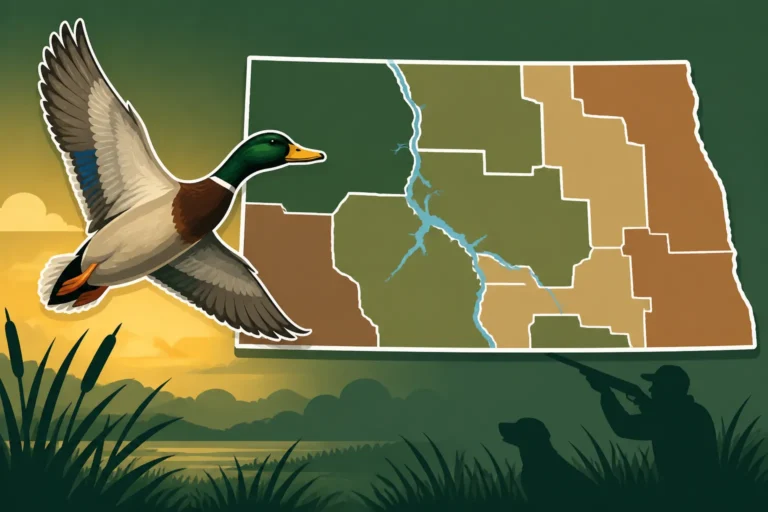
Here’s a simplified look at the simulated 2026 North Dakota Deer License Allocations by Region, keeping in mind the reduced numbers:
| Region | Total Licenses (Est. 2026) | Primary Species Target | Antlered % (Approx.) | Antlerless % (Approx.) | Key Considerations |
|---|---|---|---|---|---|
| Badlands (Western) | 9,500 | Mule Deer, Whitetail | 70% | 30% | Mule deer numbers stable but cautious; CWD present. |
| Missouri River (Central) | 11,000 | Whitetail, limited Mule | 75% | 25% | Significant whitetail focus; CWD vigilance. |
| Prairie Pothole (East) | 13,000 | Whitetail | 65% | 35% | Affected by winterkill; herd rebuilding focus. |
| Northern Forests | 3,500 | Whitetail | 80% | 20% | Smaller units; focused antlered management. |
| Southeastern Farmland | 5,000 | Whitetail | 70% | 30% | High agricultural impact; localized management. |
| Statewide Total | 42,000 | Conservative allocation for herd recovery. |
Note: These numbers are simulated for the purpose of this guide to reflect anticipated trends for 2026 based on the provided context.
Impact of License Numbers on Your Hunt
A reduction in available deer licenses, especially to a potential "fifty-year low," has significant ripple effects across the hunting landscape in North Dakota. It affects drawing odds, shapes hunter behavior, and can dramatically alter your strategy for the upcoming season. It’s not just about getting a tag; it’s about understanding the environment you’ll be hunting in.
Drawing Odds and Hunter Competition
The most immediate and obvious impact of fewer licenses is on drawing odds. When fewer tags are available for the same or even a slightly increased pool of applicants, the odds of success naturally drop. This means that securing a coveted "any-deer" or "antlered whitetail" tag in a popular unit becomes even more challenging. Many hunters might find themselves drawing antlerless tags in units they might not have preferred, or worse, going without a deer tag for the season.
This increased competition also means public lands, especially easily accessible areas, will likely see higher hunter pressure. Hunters will be spread thinner over the available ground, and those willing to put in the extra effort to scout remote areas or gain private land access might have a distinct advantage. It highlights the importance of thorough preparation and perhaps considering a less popular unit to increase your draw odds. For those hoping for an antlered tag, the strategy for Hunting the Rut in Early-to-Mid November becomes even more critical, as you might have fewer days in the field.
Adjusting Your Hunting Strategy
With fewer tags and potentially more competition, a smart hunter needs to adapt. This isn't the year to rely solely on your old spots without fresh scouting. You might need to reconsider your preferred units, looking for those with slightly better draw odds, even if they're a bit further from home or less familiar. Utilize resources like the NDG&F website for detailed North Dakota Annual Deer Harvest reports, which can give you a historical perspective on unit success rates and hunter numbers.
It's also a good time to explore alternative hunting methods or species. If drawing a gun tag becomes too difficult, perhaps consider Bowhunting North Dakota's Long Archery Season as an alternative, as archery tags are generally more readily available. This could also be a year to focus on other small game or predator hunting if deer season doesn't pan out as hoped. For those fortunate enough to draw, focusing on late-season food sources and bedding areas after the initial gun season rush will be paramount.
Navigating the Application Process and Resources
Securing a deer license in North Dakota, especially when numbers are tight, requires more than just luck. It demands a well-thought-out application strategy, thorough research, and a clear understanding of the process. Don't just click submit on a whim; invest time into making informed decisions.
Step-by-Step Application Guidance
The North Dakota deer lottery process is fairly straightforward, but deadlines are absolute. Here’s a basic roadmap to ensure you don’t miss out:
- Understand License Types and Units: Before applying, know the difference between "any-deer," "antlered whitetail," and "antlerless whitetail" tags, and which units offer them. This is crucial for customizing your application. Some units might only offer antlerless tags, or have specific restrictions.
- Research Units Thoroughly: This is perhaps the most important step. Don't just pick a unit because your buddy got a deer there five years ago. Look at current North Dakota Deer Population Estimate, recent harvest success rates, and the unit's specific CWD status. Tools like GoHunt can be invaluable here, offering detailed draw odds analysis and unit breakdowns that go far beyond basic NDG&F data.
- Apply Online: The NDG&F uses an online application portal. The application period typically opens in May and has a firm deadline, usually around the first week of June. You can find specific dates on the NDG&F website. Remember, each applicant lists up to four choices, ranked by preference, for both unit and tag type. This is where your research truly pays off, allowing you to prioritize your most desired options while providing realistic backups.
- Consider Your Party: If you plan to hunt with a group, remember the party application rules. All members of a party must apply for the same unit and license choices. This can simplify things, but also means everyone's draw odds are linked.
- Confirm and Await Results: Once your application is submitted and payment processed (check the North Dakota Deer Gun Lottery Application Process for fee details), make sure you get a confirmation. Results are usually announced in early August, giving you time to plan for the season. If you don't draw your first choice, you'll be considered for your subsequent choices, or for a general antlerless tag if you checked that option.
Utilizing Modern Tools and Information
In today's hunting world, information is power. Beyond the official NDG&F reports, there are fantastic resources available that can give you an edge. Websites and apps dedicated to hunting statistics and draw odds have revolutionized how hunters approach lotteries.
Take GoHunt, for instance. This platform specializes in providing in-depth data and analysis for Western hunting, and their draw odds calculators and unit profiles are exceptional. While North Dakota might not be a "Western state" in the traditional sense, the analytical tools provided by GoHunt for understanding license allocations, success rates, and hunter numbers can be directly applied to strategizing for your North Dakota deer tag. They often break down complex data into digestible formats, helping you make smarter choices about which units to prioritize based on your personal goals (e.g., maximizing draw odds versus hunting for a trophy). Before you even think about putting in your application, really dig into the unit-specific data. Platforms like GoHunt offer incredible tools for breaking down success rates, license allocations, and even hunter pressure. This can be particularly useful when comparing units you're unfamiliar with or looking for a dark horse option.
Additionally, don't overlook the importance of scouting PLOTS land before season using apps like the Scouting PLOTS Land With the ND Hunt App or even simply studying aerial photos of units on platforms like onX Hunt. Knowing the land, understanding deer movement patterns, and recognizing late-season food sources for Late-Season Food Sources for North Dakota Whitetails will give you a significant advantage, especially in years when tags are scarcer and competition is higher. The more informed you are, the better your chances of a successful season, even with fewer licenses available.
Disclaimer
The information provided in this guide is for general informational purposes only and is subject to change. Hunting regulations, license numbers, and application deadlines are set by the North Dakota Game and Fish Department and can be updated annually. Always consult the official NDG&F website or their latest hunting guide for the most accurate and up-to-date information before planning your hunt or applying for licenses.