North Dakota Bighorn Sheep Application Deadline
Trying to keep track of all the hunting application deadlines here in North Dakota can feel like a full-time job, especially when it comes to those coveted once-in-a-lifetime tags like bighorn sheep. It's incredibly frustrating to dedicate time to research and planning, only to realize you've missed a crucial window. This guide is here to cut through the confusion and give you the definitive scoop on the North Dakota Bighorn Sheep application deadline, along with vital details to ensure your shot at this incredible opportunity isn't lost before you even get out in the field.
The Critical North Dakota Bighorn Sheep Application Deadline
The absolute first thing you need to etch into your mind if you dream of hunting bighorn sheep in North Dakota is the application deadline. This isn't just a suggestion; it's a hard cutoff that determines whether you even have a chance at one of the state's most sought-after tags. For North Dakota bighorn sheep, the application deadline is typically in March, with the exact date often falling around mid-March. It's crucial to understand that this date can shift slightly year to year based on the North Dakota Game and Fish Department's (NDGFD) annual regulations, so always double-check their official website as soon as the new year begins.
Understanding the Annual Timeline
The NDGFD operates on a pretty consistent annual calendar for its big game draws, but those slight variations can trip up even seasoned hunters. While the deer and elk deadlines often come later in the spring, bighorn sheep, like moose and pronghorn, tend to have earlier application windows. This early deadline is largely due to the sheer complexity of managing these smaller, highly regulated herds and the exhaustive lottery process required for such limited tags. The department needs ample time to process thousands of applications, conduct the draw, and then notify successful applicants well in advance of the fall hunting season. It also allows time for the subsequent purchase of the actual license.
Think of it this way: missing this early March deadline means you've effectively put yourself out of the running for a bighorn sheep tag for the entire year, regardless of how many preference points you might have accumulated or how much research you've done. There are no extensions, no late applications accepted, and certainly no "oops, I forgot" mulligans. This is why many hunters, myself included, mark these dates on multiple calendars and set digital reminders weeks in advance. It’s an easy thing to overlook amidst the hustle and bustle of everyday life, but the consequences in the hunting world are significant.
Why Missing the Deadline is a Dealbreaker
It really stings to miss a deadline for something you're passionate about, and for bighorn sheep in North Dakota, it's particularly painful because of the rarity of the opportunity. Unlike deer or even turkey, where over-the-counter tags or easier draws might provide a fallback, bighorn sheep are truly a once-in-a-lifetime hunt in our state. Each year, only a handful of tags are allocated, making the draw incredibly competitive. We're talking about a very small quota, designed to carefully manage and conserve North Dakota's Small Bighorn Sheep Herd.
The NDGFD puts immense effort into maintaining healthy bighorn populations, particularly in the rugged terrain of the Badlands where they primarily reside. The application window is their mechanism for fairly distributing these incredibly scarce permits. If you're not in the applicant pool by that March deadline, you simply don't have a lottery ticket, and thus, no chance to win. It’s a harsh reality, but it’s the way highly regulated, limited-entry hunts operate to ensure conservation remains paramount while still offering a chance at an unparalleled hunting experience.
Navigating the Application Process
Once you’ve got that deadline burned into your brain, the next step is actually submitting a flawless application. This isn't just about filling out a form; it's about understanding the nuances of the North Dakota Game and Fish Department’s online system and ensuring every detail is correct. A small error could potentially jeopardize your application, and with so much at stake, you want to get it right the first time.
Essential Steps for a Successful Application
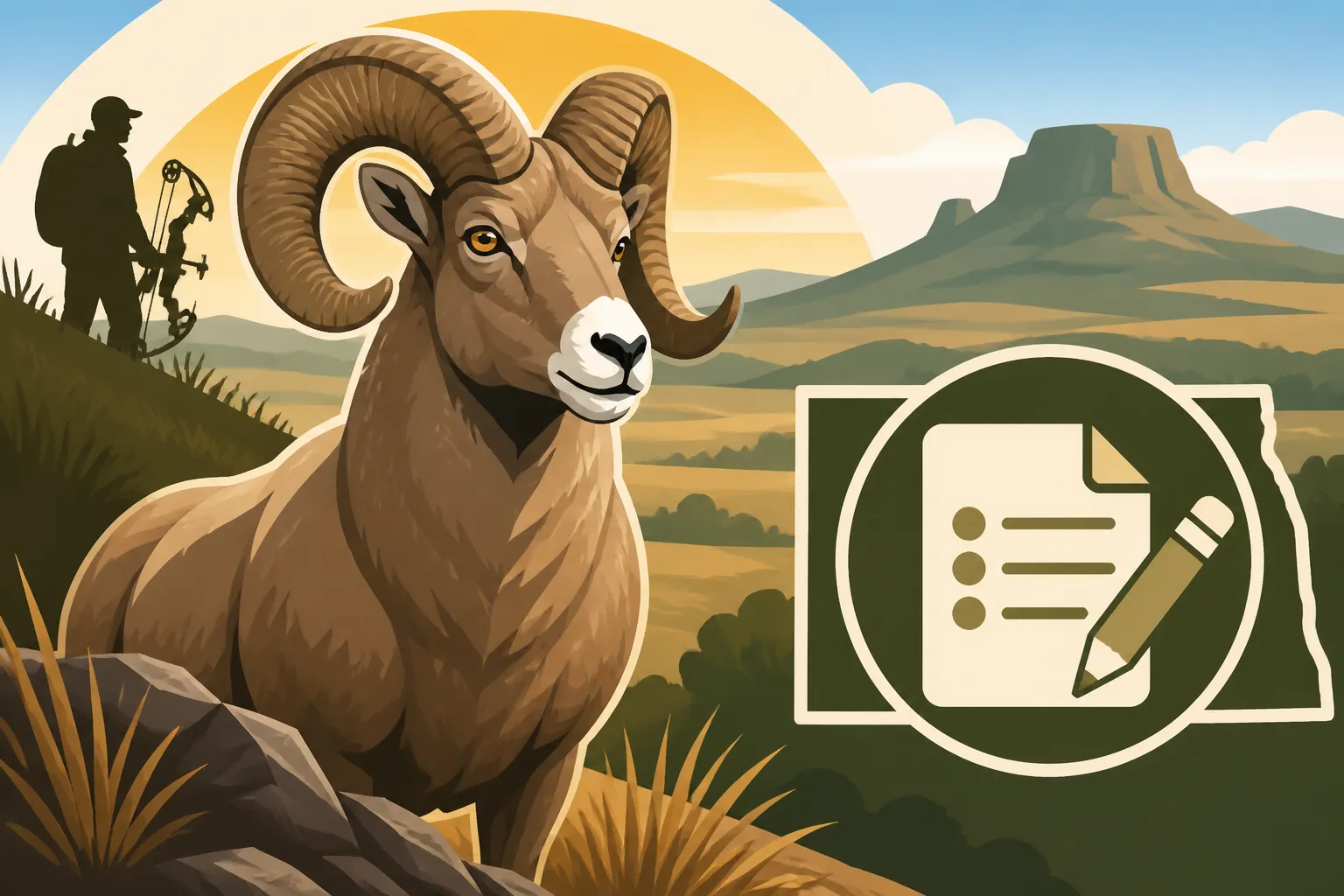
The application for a North Dakota bighorn sheep license, like most other big game draws, is handled through the NDGFD's online licensing portal. You’ll need an active customer account, which includes your hunter education certification information if you were born after 1961. (If you're unsure about this, it's always a good idea to brush up on North Dakota Hunter Education Requirements). Here’s a general rundown of the steps for the North Dakota Bighorn Sheep Lottery Application Process:
- Access the NDGFD Website: Start by navigating to the official North Dakota Game and Fish Department website. Look for the "Licenses & Lottery" section.
- Log In or Create Account: If you have an existing account, log in. If not, you'll need to create one. This usually involves providing personal details, your social security number, and confirming residency status.
- Select the Bighorn Sheep Lottery: Once logged in, find the specific application link for the bighorn sheep lottery. It's often grouped with other "once-in-a-lifetime" draws like moose and elk.
- Complete the Application Form: Fill out all required fields accurately. This includes confirming your eligibility, and potentially indicating preferred hunting units if options are available (though for bighorns, specific unit options are rare due to the very limited range).
- Pay the Application Fee: There is typically a non-refundable application fee. This fee covers the administrative costs of processing your application and conducting the draw, regardless of whether you are successful. Be prepared for this, as it's a standard part of most lottery systems.
- Review and Submit: Before hitting that final "submit" button, review absolutely everything. Check for typos, incorrect dates, or any missed fields. Once submitted, it can be very difficult, if not impossible, to make changes. You’ll usually receive a confirmation email once your application is successfully submitted.
Leveraging Tools Like GoHunt for Better Odds
While pure luck plays a huge role in drawing a bighorn tag, being informed about the odds and application strategies can sometimes give you a slight edge or at least manage your expectations. This is where resources like GoHunt come in handy. Many serious western hunters use platforms like GoHunt for their robust data analysis and application strategy tools. While North Dakota's bighorn sheep draw is incredibly tough, understanding trends and past draw statistics, which GoHunt often aggregates, can be invaluable.
For instance, GoHunt's Insider tool provides detailed information on draw odds, unit breakdowns, and application strategies for various states, including North Dakota. They might offer insights into how many applicants typically vie for these tags, historical success rates for the few tags available, and even potential changes in herd numbers that could subtly influence future tag allocations. While they can't magically grant you a tag, they empower you with knowledge to make the most informed decision possible when applying. They can also help you track deadlines and ensure you don't miss that critical March cutoff, which is perhaps their most direct benefit for a bighorn applicant. Even for a once-in-a-lifetime species, having all the available data from sources like GoHunt can help you understand the landscape of your application.
The Reality of North Dakota Bighorn Sheep Tags
Let's be brutally honest: drawing a North Dakota bighorn sheep tag is akin to winning a small lottery. It’s one of the rarest, most highly sought-after hunting opportunities in the entire state, and for good reason. Understanding this reality is key to managing expectations and appreciating the immense privilege if you ever are lucky enough to draw one.
North Dakota's Small Bighorn Sheep Herd and Limited Tags
The simple truth is that How Many Bighorn Sheep Live in North Dakota is a very small number. The state is not known for vast mountain ranges, but rather its rugged Badlands terrain which provides unique, albeit limited, habitat for these magnificent animals. North Dakota's bighorn sheep population, primarily concentrated in the western Badlands, is carefully managed to ensure its long-term health and stability. This herd is a testament to dedicated conservation efforts and has seen some impressive recovery since their initial North Dakota Badlands Bighorn Reintroduction History.
Because the population is relatively small and sensitive to environmental factors and disease, the North Dakota Game and Fish Department issues an extremely limited number of tags each year. We're talking single-digit numbers for the entire state, often just four or five tags in a given year. These tags are typically for mature rams, aiming to harvest animals past their prime breeding years and provide incredible trophy opportunities while maintaining a healthy herd structure. This scarcity is precisely why the draw odds are so astronomically low, making it a true hunt of a lifetime for those who are successful. The chances of drawing are often less than 1%, sometimes even closer to 0.1% depending on the specific year and applicant pool.
The Once-in-a-Lifetime Opportunity
North Dakota treats its bighorn sheep, moose, and elk tags as North Dakota's Once-in-a-Lifetime Big Game Licenses. This isn't just a catchy phrase; it's a legal designation. What this means is that if you are fortunate enough to draw and harvest a bighorn sheep in North Dakota, you are generally ineligible to apply for another bighorn sheep license in the state ever again. This rule is in place to give as many different hunters as possible the chance to experience these incredibly rare hunts. It ensures a wider distribution of these coveted opportunities across the hunting community rather than allowing a few individuals to draw repeatedly. This also applies to species like North Dakota's Once-in-a-Lifetime Moose Herd.
This "once-in-a-lifetime" status is a huge part of What a Once-in-a-Lifetime Bighorn Tag Means for hunters. It elevates the experience, making it not just a hunt, but a true capstone achievement in many hunters' careers. It often means a lifetime of applying, patiently accumulating preference points (though North Dakota's system for bighorns is a bit different than deer, focusing more on random lottery), and dreaming of that one lucky year. If you draw, it’s not just about the animal; it’s about the culmination of years of hope, the rarity of the landscape, and the profound respect for the animal itself.
What Happens After You Apply
After meticulously filling out your application, hitting submit, and perhaps consulting with GoHunt one last time to double-check everything, there's nothing left to do but wait. The period between the application deadline and the draw results can feel agonizingly long, filled with anticipation and hopeful speculation.
Drawing Results and Notification
The North Dakota Game and Fish Department typically conducts its big game lottery draws in late spring or early summer, usually after the application period for all major species (including deer and elk) has closed. For bighorn sheep, you can usually expect to hear results sometime in May or June.
How will you know if you drew?
- Email Notification: The most common method is an email from the NDGFD. Make sure the email address associated with your licensing account is current and check your spam folder regularly during the expected notification window.
- Online Portal: You can also log directly into your NDGFD online licensing account. Your application status will usually update there, indicating whether you were successful or unsuccessful in the draw.
- Public Announcement: The NDGFD often releases a general announcement about draw results on their website and social media channels. While this won't tell you your specific result, it signals that notifications are going out.
If you don't hear anything by the expected time, don't panic immediately. Sometimes emails get delayed or caught in spam filters. Always check your online account first. If you were unsuccessful, remember you’re in good company. The vast majority of applicants for bighorn sheep do not draw a tag in any given year. It’s a numbers game, and those numbers are stacked against you, but that’s what makes it such an incredible prize for the few who are successful.
Planning for the Hunt if You're Lucky Enough to Draw
If that email arrives and it delivers the incredible news that you've drawn a North Dakota bighorn sheep tag, congratulations! You've just won one of the most exclusive hunting opportunities in North America. Now, the real work (and excitement) begins. This isn't a hunt you just "wing."
- Tag Purchase: The first step is typically to purchase your actual bighorn sheep license within a specified timeframe. There will be a fee for the license itself, separate from the initial application fee. Ensure you pay this promptly to validate your tag. For details on various licenses, check out North Dakota Hunting Licenses and What They Cost.
- Scouting and Research: North Dakota bighorn sheep reside in incredibly rugged and often remote areas of the Badlands. Extensive scouting, both physically and through maps/aerial photography (e.g., onX Layers for North Dakota Land Status), will be critical. You’ll need to understand Where North Dakota's Bighorn Herd Ranges and identify potential access points, water sources, and bedding areas.
- Physical Preparation: A bighorn hunt in the Badlands is physically demanding. Think steep climbs, long hikes, and potentially hauling heavy gear and meat out of challenging terrain. This isn't a walk in the park; it demands serious Physical Prep for Badlands Elk Terrain, which is similar in difficulty. Start a rigorous fitness regimen well in advance.
- Gear Check: You'll need top-tier optics, reliable backcountry gear, and appropriate clothing for unpredictable Badlands weather. High-quality binoculars and a spotting scope are non-negotiable for finding sheep in vast landscapes. Consider how you'll pack out meat from remote areas, especially if you're hunting in a North Dakota Badlands Wilderness Study Areas where motorized access is restricted.
- Understanding Regulations: Re-read all specific bighorn sheep hunting regulations for the current season. Pay close attention to legal shooting hours, tag validation requirements, and any mandatory check-in procedures. Remember, this is a once-in-a-lifetime animal, so you want to ensure absolute compliance.
- Consider a Guide: While many North Dakota hunters pride themselves on DIY hunts, for a bighorn sheep, considering a guide or at least hiring an experienced scout can significantly increase your chances of success, especially if you're unfamiliar with the specific terrain. This is a once-in-a-lifetime opportunity, so many opt to maximize their chances.
| Key Application Information for North Dakota Bighorn Sheep | Detail |
|---|---|
| Application Deadline | Typically mid-March each year. Always verify the exact date on the NDGFD website for the current season. |
| Application Method | Exclusively online via the North Dakota Game and Fish Department (NDGFD) licensing portal. |
| Application Fee | Non-refundable, covers administrative costs. |
| Expected Draw Results | Late May to June. Notifications sent via email and updated on the online portal. |
| Tag Rarity | Extremely limited, usually 4-5 tags statewide annually. |
| License Type | Once-in-a-lifetime. Successful applicants who harvest a bighorn are generally ineligible to apply for another bighorn tag in North Dakota. |
| Residency Requirements | Generally, only North Dakota residents are eligible for bighorn sheep lottery tags. Non-residents cannot apply for this particular tag. |
| Hunter Education | Required for hunters born after 1961 (unless exempt under specific apprentice hunter rules). |
Drawing a bighorn sheep tag is the culmination of patience, perseverance, and a bit of good fortune. Once you have it, it’s a commitment to one of North America's most challenging and rewarding big game hunts.
Disclaimer
The information provided in this guide is for general informational purposes only and is subject to change. Hunting regulations, seasons, and application deadlines are determined by the North Dakota Game and Fish Department and can be modified annually. Always consult the official North Dakota Game and Fish Department website and current year’s hunting proclamation for the most accurate and up-to-date information before applying for licenses or planning any hunting trip. Compliance with all state and federal hunting laws is the responsibility of the individual hunter.