North Dakota Migratory Bird Stamp Cost
Navigating the myriad of hunting licenses and stamps can feel like trying to untangle a ball of yarn, especially when you're just trying to get out there and enjoy North Dakota's incredible waterfowl hunting. Many hunters, both new and seasoned, often find themselves scratching their heads, wondering exactly what a migratory bird stamp is, how much it truly costs, and if they even need one for their specific hunting plans. This guide is here to unravel that confusion, clearly outlining the North Dakota Migratory Bird Stamp cost and all the essential details you need to stay legal and enjoy the hunt.
Understanding the North Dakota Migratory Bird Stamp Requirements
It’s easy to get lost in the shuffle of different permits, but the North Dakota Migratory Bird Stamp is a crucial piece of the puzzle for anyone aiming to harvest migratory game birds in the state. This isn't just a state thing, either; it works hand-in-hand with a federal requirement. Think of it as a two-layered system designed to support conservation efforts for these amazing birds.
Why We Need These Stamps: A Conservation Lifeline
At its heart, the requirement for both state and federal migratory bird stamps is about conservation. When you purchase these stamps, a significant portion of the funds goes directly towards protecting and restoring wetland habitats, securing breeding grounds, and ensuring that future generations have the opportunity to experience the thrill of a North Dakota waterfowl hunt. It's a direct investment in the very resources we cherish. These funds contribute to programs that manage areas critical to species like ducks, geese, and cranes, especially in our rich North Dakota's Prairie Pothole Flyway. Without these dedicated funds, many vital habitats would disappear, and with them, the vibrant populations of birds we all love to pursue. It's a small price to pay for the future of the sport.
What Birds Are Covered by the Stamp
The term "migratory game birds" isn't just fancy jargon; it refers to a specific list of species. In North Dakota, this primarily includes all species of ducks, geese, swans, coots, sandhill cranes, rails, and snipe. Essentially, if it's a bird that migrates and is recognized as a game species by state and federal regulations, you'll need the stamps to hunt it legally. However, it's important to note that birds like pheasants, grouse, and turkeys, while also game birds, are not migratory game birds in this context and do not require this specific stamp. It's critical to be sure of what you're targeting and to ensure you have the correct licenses and stamps for each. If you're planning a trip specifically for ducks and geese, understanding the specific North Dakota Duck and Goose Bag Limits is another layer of important information.
Breaking Down the Costs and How to Acquire Them
Now let's get down to the brass tacks: what does this all cost? It’s important to remember that there are two separate stamps you'll need if you plan on hunting migratory waterfowl in North Dakota: the state migratory bird stamp and the federal duck stamp. Each has its own cost and purchasing process.
The North Dakota State Migratory Bird Stamp
For residents and non-residents alike, the North Dakota Game and Fish Department requires a state-specific migratory bird stamp. As of the current season, this stamp will cost you $10.00. It's a flat fee, regardless of whether you're a long-time resident or visiting from out of state. This money goes directly into North Dakota's state-level conservation programs, helping to maintain and improve public hunting areas, conduct wildlife surveys, and manage habitat specifically within our borders. It's a small but mighty contribution to local wildlife efforts.
The Federal Migratory Bird Hunting and Conservation Stamp (Federal Duck Stamp)
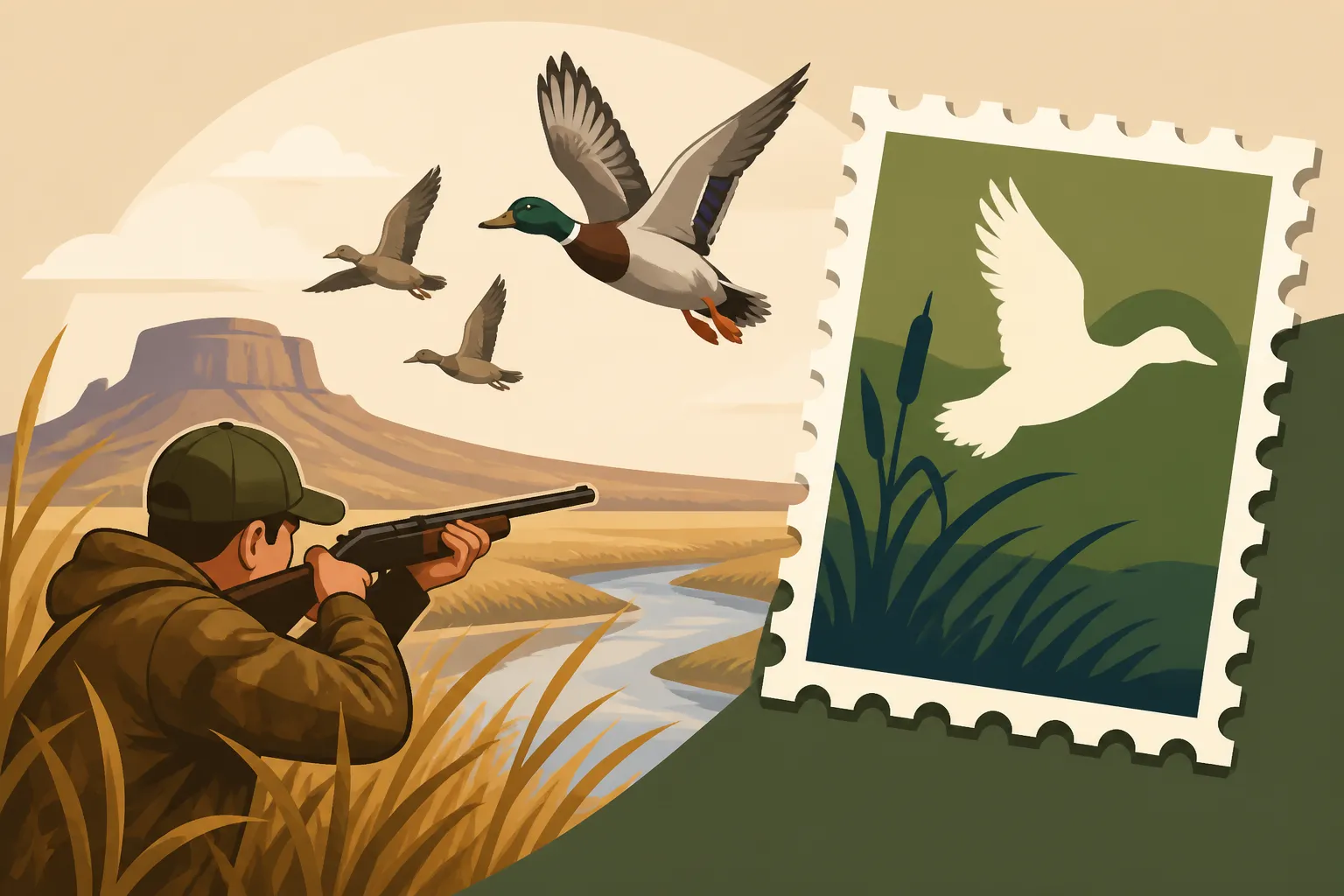
Beyond the state requirement, there's also the federal duck stamp. This one is mandatory for all waterfowl hunters aged 16 and over across the entire United States. The federal stamp, often just called the "duck stamp," currently costs $25.00. What's truly remarkable about this stamp is that 98 cents of every dollar goes directly to the Migratory Bird Conservation Fund, which is used to acquire or lease wetland habitats for the National Wildlife Refuge System. It's an incredibly efficient and impactful conservation program, directly funding the places where ducks and geese thrive. You can learn more about the specifics of the North Dakota Federal Duck Stamp Requirement to make sure you're fully compliant.
Total Out-of-Pocket for Migratory Bird Stamps
So, if you're planning to hunt migratory game birds in North Dakota, you'll need both.
Let's put it simply:
| Stamp Type | Cost | Who Needs It | What It Funds |
|---|---|---|---|
| North Dakota State Stamp | $10.00 | All hunters (16+) | State-specific wetland and migratory bird conservation programs in ND. |
| Federal Duck Stamp | $25.00 | All hunters (16+) | National Wildlife Refuge System and broader federal conservation efforts. |
| Total Combined Cost | $35.00 | All hunters (16+) | Comprehensive support for migratory bird populations and their habitats. |
This means, on top of your general hunting license and any other required tags, you'll be looking at $35.00 specifically for these two migratory bird stamps.
Purchasing Your Stamps: Where and How
Getting your stamps is usually pretty straightforward, but timing can sometimes be a factor, especially for the federal stamp.
- North Dakota State Migratory Bird Stamp: This one is easy. You can purchase it online through the North Dakota Game and Fish Department's licensing portal, or in person at any authorized license vendor across the state. Many bait shops, sporting goods stores, and even some gas stations are set up to sell these. It's often bundled into your license purchase when you go through the online system.
- Federal Duck Stamp: This is where it gets a little more interesting. You have a few options:
- Online: You can buy an e-stamp online through the U.S. Fish and Wildlife Service's website or other authorized vendors. This e-stamp is valid immediately and for up to 45 days, giving you time for the physical stamp to arrive in the mail. Just make sure to carry your e-stamp confirmation with you. Many hunters use apps or resources like GoHunt to keep track of these online purchases and ensure they have proof on their phone.
- Post Office: Traditionalists often head to their local post office. Most post offices, especially in rural areas or towns frequented by hunters, will carry the federal duck stamp. It's a classic way to get it, and you walk out with the physical stamp in hand.
- Sporting Goods Stores: Larger sporting goods retailers like Scheels or Fleet Farm often sell the federal duck stamp right at the counter.
It's absolutely critical to have both stamps in your possession, or valid proof of purchase for the e-stamp, before you head into the field to hunt migratory birds. Game wardens in North Dakota are diligent, and not having the proper documentation can lead to fines and a ruined hunt. Make sure you also understand the general North Dakota Migratory Bird Certification requirements, which are often tied to your license purchase.
Who Needs the Stamps and Specific Scenarios
The general rule is that anyone 16 years of age or older who intends to hunt migratory game birds needs both the state and federal stamps. However, there are always a few nuances and specific situations that can cause confusion. Let's dig into those.
Youth Hunters and Exemptions
For our younger hunters, the rules are slightly different, which is a great way to encourage new blood into the sport without all the upfront costs. If you are under 16 years old, you are not required to purchase either the federal duck stamp or the North Dakota state migratory bird stamp. This exemption is in place to make hunting more accessible for youth and is a fantastic way to introduce them to waterfowl hunting. However, they will still need any other applicable hunting licenses and must comply with all other state and federal hunting regulations, including bag limits and shooting hours. If you're mentoring a young hunter, it's a good idea to brush up on North Dakota Mentored Youth Hunting Rules to ensure a safe and legal experience.
Hunting Doves or Sandhill Cranes
This is a common point of confusion. Doves and sandhill cranes are indeed migratory game birds, which means if you plan to hunt them, you do need both the state and federal migratory bird stamps. Many hunters sometimes assume these birds fall outside the "waterfowl" category that the stamps are most commonly associated with. While they aren't ducks or geese, their migratory status places them under the same regulatory umbrella for these stamps. So, if your fall plans include a trip to chase doves over a sunflower field or call in some sandhills, make sure those stamps are in your wallet!
Non-Resident Considerations and Restrictions
For non-resident hunters, the cost of the migratory bird stamps remains the same ($10 state, $25 federal). However, it's important to be aware of other non-resident-specific rules that can impact your waterfowl hunting trip. North Dakota has specific regulations for non-residents, including a "zone-restricted" waterfowl license and certain days where resident hunters have priority. For instance, the state has North Dakota's Nine Resident-Priority Waterfowl Days where non-residents have limited access to public land. These rules, including the New 2026 North Dakota Nonresident Waterfowl Restrictions, are designed to manage hunting pressure and prioritize opportunities for state residents. While the stamps themselves are universally required for migratory birds, the access rules for non-residents add another layer of planning. It’s always best to check the latest Game and Fish regulations well in advance of your trip. Using tools like GoHunt can be incredibly beneficial for non-residents trying to navigate these specific rules and plan their hunts effectively.
The Importance of the HIP Certification
Beyond the stamps, anyone hunting migratory game birds in North Dakota, including doves and cranes, needs to complete a Harvest Information Program (HIP) certification. This is typically a quick, free process done when you purchase your license, where you answer a few simple questions about your previous year's hunting success. This data helps wildlife agencies estimate harvest numbers and monitor migratory bird populations. Without HIP certification, even with your stamps, you're not legal to hunt migratory birds. It's an easy step that is often overlooked. You can learn more about the North Dakota HIP Certification for Bird Hunters for more details.
Planning Your North Dakota Waterfowl Adventure
Once you have your licenses and stamps sorted, the real fun begins: planning your hunt! North Dakota offers some of the best waterfowl hunting opportunities in the nation, from buzzing prairie potholes to vast open fields.
Scouting and Location Choices
Whether you're looking to set up a massive decoy spread for mallards or jump-shoot a small slough, proper scouting is key. Public lands like Waterfowl Production Areas (WPAs) are excellent choices, but they can see pressure. You might consider driving around, looking for birds feeding in stubble fields, or even checking out large bodies of water for divers. For those who enjoy the excitement of a field hunt, understanding how to effectively Layout Blind Hunting Devils Lake Fields can be a game-changer. Don't forget to use resources like the North Dakota Game and Fish Department's PLOTS guide for public access land. Many hunters also rely on digital mapping tools, often integrated with services like GoHunt, to identify promising spots and understand land ownership.
Gear Essentials for a Successful Hunt
Beyond your licenses and stamps, your gear will make or break your hunt. For ducks and geese, this means reliable decoys, whether you're using a full spread of full-bodies for geese or a few floaters for ducks on a pond. A good calls for the species you're targeting is essential, and mastering the art of calling can significantly increase your success. Warm, waterproof clothing is non-negotiable in North Dakota's unpredictable fall weather. Good waders for retrieving downed birds, especially when Decoy Spreads for Prairie Pothole Mallards are involved, are a must. Don't forget your shotgun, plenty of appropriate non-toxic shot, and a good blind, whether it's a layout blind for fields or natural cover you brush into. Even if you're just Jump-Shooting a North Dakota Prairie Pothole, you'll need to be dressed for the elements and have your federal and state migratory bird stamps ready to go.
The Thrill of Late-Season Opportunities
North Dakota's waterfowl season offers incredible opportunities right up until the bitter cold sets in. Late-season hunting often means fewer birds, but those that remain are often big, wary, and present a formidable challenge. Hunting standing corn fields, especially after a snow, can be incredibly productive for geese that are looking for easy meals. Tactics for Hunting a Standing Corn Field for Late-Season Geese require patience and often large decoy spreads. The quiet, cold days of late fall and early winter can offer some of the most memorable hunts, with vast flocks of geese working your spread against a backdrop of frosted prairie. Just remember, the same stamp requirements apply, no matter the time of year.
Disclaimer
Please remember that hunting regulations can change. Always consult the most current North Dakota Game and Fish Department proclamations and federal regulations before heading into the field. This guide is for informational purposes only and should not be considered legal advice.