North Dakota Public Land Hunting Hours
One of the trickiest parts of planning a hunt in North Dakota, especially if you're exploring public lands, is getting a firm grasp on the exact legal hunting hours. It’s not always as simple as "daylight hours," and the exact sunrise and sunset times can shift dramatically throughout the season, leaving many hunters scratching their heads about when they can legally squeeze in those precious minutes at dawn or dusk. This guide aims to clear up all that confusion, giving you a solid understanding of North Dakota's public land hunting hours so you can hunt confidently and lawfully.
Understanding Legal Hunting Hours on North Dakota Public Land
Hunting isn't a free-for-all from sunup to sundown. North Dakota, like most states, has specific regulations governing when you can actually discharge a firearm or release an arrow. These rules are put in place for safety, fair chase, and to allow wildlife a period of undisturbed activity. On public lands, where multiple hunters might be present, these rules are particularly crucial to ensure everyone has a safe and enjoyable experience. The core of these regulations often revolves around official sunrise and sunset times, but with some important nuances depending on the game you're pursuing.
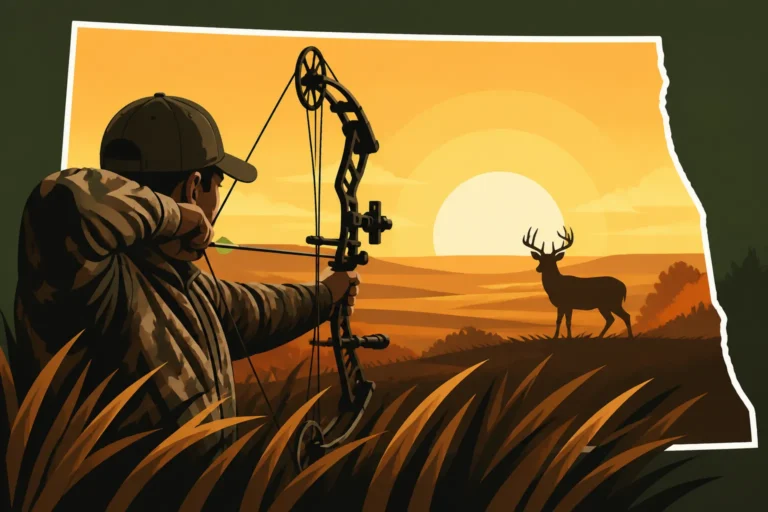
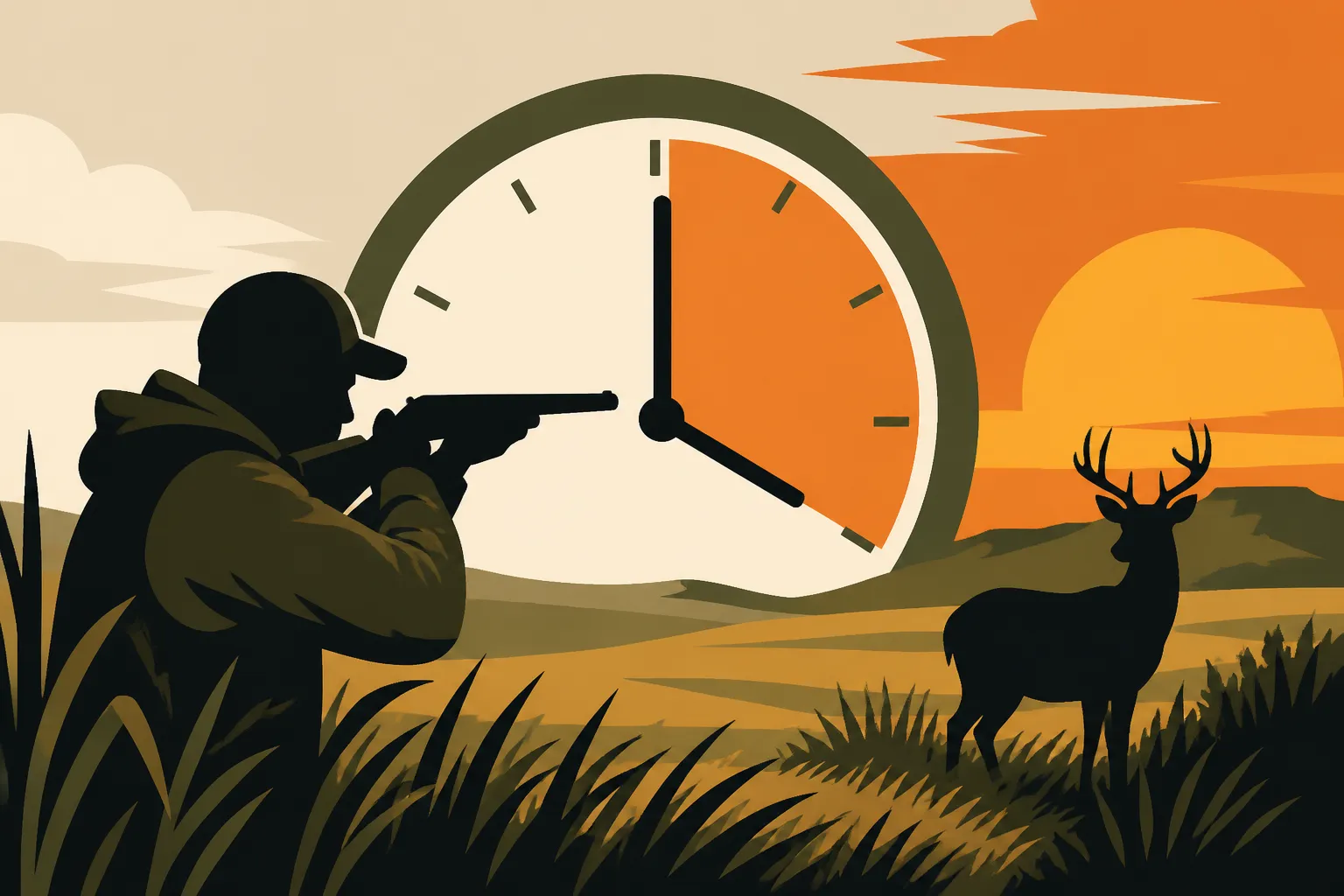
For big game, which primarily includes deer, moose, elk, and pronghorn, the general rule is that you can hunt from one half-hour before sunrise until one half-hour after sunset. This generous window allows hunters to be in position before the first light of day and to stay on stand or in the field well into the twilight hours, which are often prime times for these animals to be on the move. Imagine you're Hunting a Coulee Rim at Last Light in the Badlands for a mule deer; those extra minutes after sunset can be the difference between filling your tag and going home empty-handed. However, it's absolutely vital to know those official times for your specific location. They aren't static; they change daily and vary depending on where you are geographically within the state. A sunrise in Fargo will be different from one in Dickinson, and that difference can be enough to put you on the wrong side of the law if you're not paying attention.
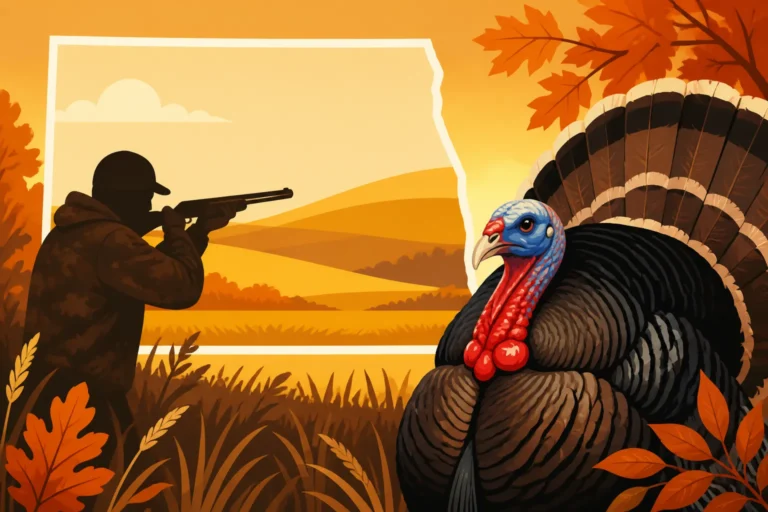
Migratory game birds, such as ducks, geese, doves, and sandhill cranes, operate under a slightly different set of rules. For these species, the legal shooting hours generally begin one half-hour before sunrise and extend until sunset. Notice that crucial distinction: you don't get that extra half-hour after sunset for migratory birds. This is a common regulation across waterfowl hunting, partly due to the challenge of positive identification in low light, and partly to give the birds a period of safety on their evening roosts. If you're Decoying Divers on North Dakota's Lake Sakakawea or Layout Blind Hunting Devils Lake Fields, you need to be packed up and off the water or out of the field as soon as that official sunset time hits. It's a key detail that can trip up even experienced hunters who might be more accustomed to big game rules.
Upland game birds, like pheasants, sharptail grouse, and Hungarian partridge, have their own specific set of hours. For these birds, legal hunting generally starts at sunrise and continues until sunset. This means you don't get the pre-dawn half-hour that big game and migratory bird hunters do. This regulation helps to manage pressure on these ground-roosting birds and often gives them a chance to leave their roosts naturally. If you're Walking North Dakota PLOTS Land for Pheasant, you'll want to wait until the sun crests the horizon before letting your dogs out or kicking up birds. These nuances underscore the importance of checking the official North Dakota Game and Fish Department (NDGFD) regulations each season, as slight adjustments can occur.
Specific Scenarios and Exceptions for Hunting Hours
While the general rules cover most situations, North Dakota hunting can present unique scenarios, especially given its diverse landscapes and varied species. Understanding these specific exceptions and how they apply to public lands is key to avoiding unintentional violations and ensuring a smooth hunt. Public lands, whether they are North Dakota Waterfowl Production Areas, North Dakota Wildlife Management Areas, or the expansive Hunting North Dakota's Little Missouri National Grassland, all adhere to these state-wide rules unless a specific area has more restrictive local ordinances, which are rare but worth checking if hunting near urban centers.
One significant exception to the general shooting light rules often revolves around youth hunts or special seasons. For instance, during the North Dakota Youth Deer Season Dates, while the standard big game hours usually apply, there might be specific conditions or mentoring requirements that indirectly affect how and when a hunt can take place. It's always a good idea to double-check the youth season pamphlets or the current hunting proclamation for any specific hour adjustments. These special seasons are designed to introduce new hunters to the tradition, and clarity on rules helps ensure a positive experience.
Another scenario where hunting hours might feel ambiguous is during early archery seasons. While North Dakota Archery Season Opening Day and subsequent days generally follow the half-hour before sunrise to half-hour after sunset rule for deer, the act of bowhunting itself often requires closer ranges and better light for ethical shots. So, while you can legally shoot, many archers choose to wait until there's more light for clear shot placement. This isn't a legal exception, but a practical consideration that experienced bowhunters embrace. Likewise, for big game like deer, if you wound an animal near the close of legal shooting hours, the act of Blood Trailing After Dark in North Dakota is generally permitted, but actual shooting stops at the legal time. Always check local ordinances for any unexpected restrictions, though state public lands rarely have additional limits beyond the NDGFD rules.
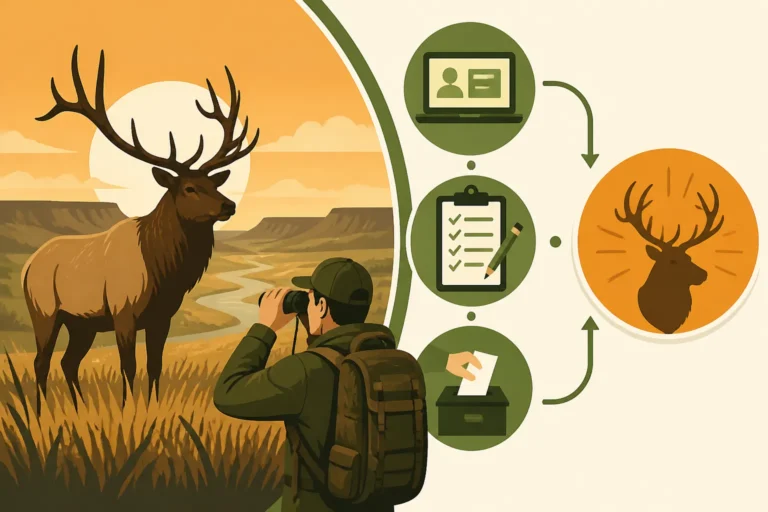
Furthermore, hunters pursuing species that have extremely limited seasons, like those holding one of the rare North Dakota's Once-in-a-Lifetime Big Game Licenses for moose or bighorn sheep, must be particularly diligent. Missing a day or making a mistake due to misunderstanding shooting hours is a high price to pay for such an exclusive opportunity. These hunts often occur in very remote, rugged terrain like the Badlands, where estimating light can be even trickier due to deep coulees and varying topography. Knowing your exact legal shooting times, down to the minute, becomes absolutely paramount.
Tools and Resources to Track Legal Hunting Times
In this day and age, guessing at "about when the sun comes up" just isn't cutting it. Thankfully, we have a wealth of resources at our fingertips to ensure we're always hunting within the legal window. The North Dakota Game and Fish Department (NDGFD) is, of course, your primary source for all official regulations and annual hunting proclamations. They detail the exact start and end times for various species, sometimes even providing tables or links to specific sunrise/sunset calculators.
Beyond the official state resources, technology has become an indispensable tool for many hunters. Smartphone apps are perhaps the most popular and convenient way to track legal shooting light. Many popular hunting apps, like those from GoHunt or onX Hunt, integrate local sunrise and sunset data directly into their mapping features. This means you can often see the exact legal hunting window for your specific location, down to the minute, overlaid on the map. This is incredibly helpful when you're Using the PLOTS App Without Cell Service or deep in the Badlands, away from reliable internet, as many of these apps can store data offline. They account for your precise GPS coordinates, giving you the most accurate times available.
A physical sunrise/sunset table, often printed in the annual hunting guide or easily found on the NDGFD website, is another reliable option. These tables usually list daily times for key cities or regions across the state, allowing you to quickly reference the correct hours. While not as precise as a GPS-enabled app, they provide a good general guideline. Some hunters prefer to print these out and carry them as a backup, especially when hunting in areas where battery life on electronic devices might be a concern during a long day in the field.
| Game Type | Start Time | End Time | Notes |
|---|---|---|---|
| Big Game (Deer, Elk, Moose, Pronghorn) | 1/2 Hour Before Official Sunrise | 1/2 Hour After Official Sunset | Applies to archery and gun seasons. |
| Migratory Game Birds (Ducks, Geese, Doves) | 1/2 Hour Before Official Sunrise | Official Sunset | No shooting after sunset. Crucial for positive ID and bird management. |
| Upland Game Birds (Pheasant, Sharptail, Partridge) | Official Sunrise | Official Sunset | No pre-dawn shooting. |
| Small Game (Rabbits, Squirrels) | 1/2 Hour Before Official Sunrise | 1/2 Hour After Official Sunset | General rule, but always check species-specific regulations. |
It's important to remember that "official sunrise" and "official sunset" are astronomical events, not just when you personally see the sun crest the horizon or dip below it from your specific hunting spot. Topography, such as being in a deep draw or on the east side of a tall hill, can significantly alter when you perceive the sun, but the legal times are based on the astronomical calculation for your general area. Always adhere to the official times to stay compliant. Many hunters use a quality GPS unit or a dedicated hunting watch that calculates these times for their current position, offering another layer of certainty.
Why These Regulations Matter for a Successful Hunt
You might think, "What's a few minutes here or there?" But when it comes to hunting, those few minutes can mean the difference between a legal harvest and a citation, not to mention ethical considerations. Understanding and adhering to North Dakota's public land hunting hours isn't just about avoiding trouble; it's about being a responsible, ethical, and ultimately more successful hunter. It’s part of the fabric of hunting tradition and conservation.
First and foremost, these regulations are about safety. Hunting in low light, whether before official sunrise or after official sunset, presents significant challenges for positive target identification. You need to be absolutely certain of your target and what's beyond it before taking a shot. The "half-hour before/after" rules for big game are carefully determined windows that balance opportunity with safety, ensuring enough ambient light to make confident decisions. This is especially true on public lands where other hunters may be present, walking to or from their stands. Knowing the exact times and sticking to them minimizes the risk of accidental injury or the mistaken harvest of non-target species. This is a core part of the North Dakota Hunter Education Requirements.
Beyond safety, these rules promote fair chase and wildlife management. By regulating hunting hours, wildlife agencies provide animals with periods of undisturbed movement, particularly during the transition from day to night and vice versa. This helps prevent undue stress on game populations and maintains a more natural behavioral pattern. For instance, the earlier close for migratory birds allows them to fly to their roosts without constant harassment, helping to ensure consistent patterns throughout the season. Ignoring these rules can disrupt these patterns, making future hunts more difficult and potentially leading to less successful seasons for everyone.
Finally, knowing your hunting hours meticulously contributes to your overall success and peace of mind. Imagine being perched in your stand on a Hunting a Shelterbelt Edge for Deer, the woods are waking up, and you’re confident you’re legally positioned. Or, you’re ending your pheasant hunt Working a Shelterbelt for Roosters, and you know precisely when you need to call it a day, avoiding any last-minute rush or illegal shot. When you're clear on the rules, you can focus on the hunt itself – reading sign, observing animal behavior, and making ethical decisions – rather than worrying about whether you're breaking the law. For those planning an expansive trip, perhaps even Booking a Guided North Dakota Pheasant Hunt, outfitters will expect you to understand these basic principles. Tools like the ones provided by GoHunt can give you real-time confidence in your legal hunting window, so you're not second-guessing yourself when that trophy buck steps out.
In essence, North Dakota's public land hunting hours are designed to create an equitable, safe, and sustainable hunting environment. Embracing these regulations, using the available technology to your advantage, and always staying informed will ensure your hunting experiences on the prairie are both enjoyable and compliant.
Disclaimer
Please remember that hunting regulations can change. While this guide provides a comprehensive overview of North Dakota's public land hunting hours, it is essential to consult the most current North Dakota Game and Fish Department (NDGFD) hunting proclamation or official website before heading into the field. This article is for informational purposes only and does not constitute legal advice. Always verify specific season dates, bag limits, and legal shooting hours for your chosen species and unit.