North Dakota Nonresident Combination License Options
Navigating North Dakota's hunting licenses as a nonresident can feel like solving a complex puzzle, especially if your goal is to pursue multiple exciting species without juggling a stack of individual tags. It's a common frustration for out-of-state hunters to feel overwhelmed by the options and requirements. This comprehensive guide aims to cut through that confusion, clearly outlining the nonresident combination license options available, what they cover, and how they simplify your multi-species hunting adventure in the Peace Garden State.
Understanding North Dakota's Nonresident Combination Licenses
North Dakota truly is a hunter's paradise, offering an incredible diversity of game from upland birds to waterfowl, and even some big game opportunities. For nonresidents, the appeal of a combination license lies in its ability to streamline the process, allowing you to chase more than one species under a single, overarching license framework.
The Allure of Multi-Species Opportunities
Imagine arriving in North Dakota, shotgun in hand, with the freedom to chase flushing pheasants across CRP fields in the morning and decoy cupped-wing mallards over a prairie pothole in the afternoon. This dream scenario is exactly why combination licenses are so popular. Without them, you'd be purchasing separate small game licenses, separate waterfowl licenses, and additional federal stamps, each with its own set of rules and costs. The sheer variety of huntable species, from the iconic ring-necked pheasant and speedy Hungarian partridge to abundant ducks and geese in North Dakota's Prairie Pothole Region Explained, makes the state a magnet for hunters. The combination license is designed to cut down on the bureaucratic hassle, letting you focus on the hunt itself rather than the paperwork. It acknowledges that many hunters want to experience the full spectrum of what North Dakota's rich ecosystems have to offer.
What These Licenses Generally Cover
At its core, a nonresident combination license in North Dakota typically serves as a foundational permit that grants you access to a broad category of game, which you can then augment with additional stamps or certifications for other species. Generally speaking, these licenses cover small game and furbearers. This means species like pheasants, sharp-tailed grouse, Hungarian partridge, rabbits, tree squirrels, fox, and coyote are often included. However, it's crucial to understand that while these combination licenses are incredibly convenient, they don't cover everything. Major big game species such as deer, elk, moose, or bighorn sheep are almost always separate, lottery-based tags that require their own application process. You wouldn't find a "pheasant-and-deer" combo, for example. The combination licenses are specifically tailored to the small game and migratory bird experience, providing a broad brushstroke of legal access for those species where nonresident opportunities are more readily available.
Delving into Specific Combination License Options
When you're planning your North Dakota hunt as a nonresident, you'll primarily be looking at two main components that, when combined, create your multi-species hunting package: the small game/furbearer license and the migratory bird endorsement. Understanding these, and any special waterfowl rules, is key.
The Nonresident Small Game & Furbearer License
This is often the cornerstone of any nonresident combination hunt in North Dakota. It's your ticket to pursuing the state's incredible upland bird populations, as well as a variety of furbearers. This single license typically includes species like the beloved ring-necked pheasant, the elusive sharp-tailed grouse, the fast-flying Hungarian partridge, and common small game like rabbits and tree squirrels. Beyond birds, it also covers furbearers such as fox and coyote, which can add an exciting predator calling component to your trip. This license basically lays the groundwork for most multi-species adventures, allowing you to pursue those traditional upland experiences that North Dakota is famous for. If your primary goal is to walk fields and coverts for birds, this is your starting point, and it's essential to understand the North Dakota Nonresident Small Game License Cost before you commit.
Adding Migratory Bird Privileges
Once you have your nonresident small game and furbearer license, if you're dreaming of duck blinds or goose fields, you'll need to add migratory bird privileges. This isn't just a simple add-on; it involves a few key steps and additional purchases. First, you'll need a separate North Dakota Migratory Bird Hunting License or endorsement. This specific license allows you to legally hunt ducks, geese, doves, and other migratory birds in the state. Secondly, and equally important, you'll need to purchase a Federal Duck Stamp, regardless of whether you're a resident or nonresident, if you're 16 years or older and plan to hunt ducks, geese, or swans. This stamp is a federal requirement and contributes significantly to wetland conservation. Finally, you must complete the Harvest Information Program (HIP) certification. This quick, free process is mandated by the U.S. Fish and Wildlife Service to gather data on migratory bird harvests. All three of these components—the state migratory bird license, the North Dakota Federal Duck Stamp Requirement, and North Dakota Migratory Bird Certification—must be in place to legally hunt waterfowl.
Considerations for Waterfowl-Focused Hunters
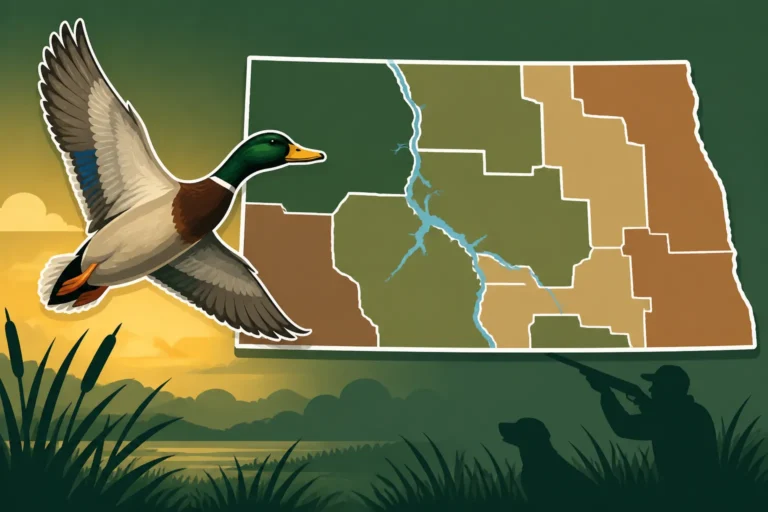
For those nonresidents whose hearts beat for the sound of honking geese and whistling wings, North Dakota has some specific rules you absolutely need to be aware of, especially concerning the Zone-Restricted Waterfowl License. In an effort to prioritize resident hunters, North Dakota introduced a new rule that specifically impacts nonresidents chasing waterfowl. The state now has a zone-restricted license that dictates where and when nonresidents can hunt waterfowl. This means you might be restricted to certain areas of the state or face limitations on hunting during the initial days of the waterfowl season. It’s critical to review North Dakota's New Nonresident Waterfowl Rule to understand these geographical and temporal restrictions fully. For instance, What Nonresidents Can Do During the First Nine Days of waterfowl season is often significantly different than later periods. Additionally, while you’re planning your hunts, always have the North Dakota Duck and Goose Bag Limits close at hand. These limits can vary by species and change from year to year, so staying informed is paramount to a legal and ethical hunt. This emphasis on zone-specific regulations means you might need to adjust your hunting locations or timing, making detailed planning with resources like GoHunt even more important.
| License Component | What it Covers | Required for | Typical Cost (Nonresident)* | Notes |
|---|---|---|---|---|
| General Game & Habitat License | Base license for all other licenses | Most hunting & fishing | ~$40-50 | Required for almost any other license purchase. |
| Nonresident Small Game & Furbearer License | Pheasant, grouse, partridge, rabbits, squirrels, fox, coyote, etc. | Upland Birds, Small Game, Furbearers | ~$150-200 | Your primary upland bird ticket. |
| Nonresident Migratory Bird License | Ducks, geese, doves, sandhill cranes, coots, snipe. | Waterfowl & Migratory Birds | ~$20-30 | Must be combined with Federal Duck Stamp & HIP. |
| Federal Duck Stamp | Wetland conservation | Waterfowl & Migratory Birds | $25 | Purchased federally, not through NDGFD. |
| HIP Certification | Harvest Information Program | Waterfowl & Migratory Birds | Free | Done online with NDGFD, annual requirement. |
| Zone-Restricted Waterfowl License | Specific to waterfowl areas/times | Nonresident Waterfowl | Varies | Check NDGFD for specific zone and date restrictions. |
*Costs are approximate and subject to change annually. Always check the North Dakota Game and Fish Department website for the most current pricing.
Navigating the Application and Purchase Process
Getting your North Dakota nonresident combination license isn't overly complicated, but it does require attention to detail and an awareness of deadlines. A little foresight will save you a lot of headaches later.
Online Portal and Important Deadlines
The most convenient and common way to purchase your North Dakota hunting licenses, including combination options, is through the North Dakota Game and Fish Department's (NDGFD) online licensing portal. This user-friendly system allows you to select your desired licenses, provide the necessary personal information, and pay securely. It's generally accessible year-round, but always be mindful of specific opening and closing dates for certain lottery applications, especially if you're also applying for big game. While small game and migratory bird licenses are typically available for purchase closer to or during their respective seasons, knowing the general annual license year — which usually runs from September 1st to August 31st — is helpful for planning. Websites like GoHunt offer invaluable tools and up-to-date information on season dates and regulations, which can be a huge time-saver when you're piecing together your hunting trip from out of state. Always double-check the current year's regulations on the official NDGFD website as rules can sometimes change.
Prerequisites: Hunter Education and Federal Requirements
Before you even click "add to cart" on the licensing portal, it's vital to ensure you meet all the necessary prerequisites. For many hunters, especially younger individuals or those new to hunting, completing a hunter education course is a mandatory step. North Dakota Hunter Education Requirements stipulate who needs this certification, typically based on age, with exemptions for those born before a certain date or participating in mentored youth hunting programs. If you need it, make sure to get this done well in advance. Beyond state requirements, federal mandates play a significant role for migratory bird hunters. As mentioned, the Federal Duck Stamp is a must-have for anyone 16 years or older pursuing waterfowl. Additionally, completing your Harvest Information Program (HIP) certification is non-negotiable for migratory bird hunters. These aren't just bureaucratic hurdles; they're essential for conservation efforts and ensuring your hunt is fully legal. GoHunt, for example, often aggregates information on these requirements, making it easier for nonresidents to keep track.
Beyond the License: Permits and Stamps
While the combination license handles your primary hunting privileges, a complete and legal waterfowl hunt requires a few additional pieces. First and foremost, you'll need that Federal Duck Stamp. Unlike state licenses, this stamp is typically purchased at U.S. Post Offices, through various sporting goods retailers like a local Scheels or Cabela's, or online via the U.S. Fish and Wildlife Service's website. It's a physical stamp you sign and carry with you, or you can carry proof of purchase digitally. Secondly, the Harvest Information Program (HIP) certification, while free, is an annual requirement. It's usually a quick series of questions about your previous year's migratory bird hunting success that you complete during the license purchase process on the NDGFD website. Neglecting either the Federal Duck Stamp or HIP certification can lead to fines, even if you have all your state licenses in order. Think of these as crucial supplements to your core combination license, ensuring you're fully compliant with both state and federal regulations for North Dakota Waterfowl on the Prairie Pothole Flyway.
Maximizing Your North Dakota Multi-Species Hunt
Having the right combination license is just the first step. To truly make the most of your North Dakota adventure, you need to plan strategically, understand the unique challenges of combining hunts, and ensure your gear is ready for anything.
Planning for Diverse Game Pursuits
With a combination license, the world of North Dakota hunting opens up. You might start your day walking the edges of a sprawling sunflower field for pheasants, then switch gears in the afternoon to set up decoys on a nearby slough for ducks. Or perhaps you'll spend a morning Sharptail Grouse Hunting Mixed Grass Prairie before heading to some agricultural fields for late-season geese. The key to successful multi-species hunting is careful planning, understanding habitat, and being flexible. Different species thrive in different environments, and knowing where to find them is paramount. For example, pheasants often prefer dense cover near food sources, while sharp-tailed grouse favor more open prairie. Ducks and geese, naturally, will be found near water or feeding in agricultural fields. Utilizing resources like the NDGFD PLOTS (Private Land Open To Sportsmen) map, along with scouting tools like those offered by GoHunt, can help you identify promising areas that hold multiple species. Being prepared to move between different types of terrain and habitat on the same day is crucial for maximizing your chances.
Combining with Other Hunting Opportunities
While the nonresident combination licenses are fantastic for small game and migratory birds, it's important to remember their limitations. These licenses do not cover big game like deer, elk, or moose. Those require separate, often lottery-based applications. However, if you are lucky enough to draw a deer tag, for example, your combination license allows you to pursue pheasants or ducks during your deer hunt, offering a truly diverse experience. This can make a Booking a Multi-Species North Dakota Trip incredibly rewarding. Just imagine: you're waiting for a whitetail along a river bottom, and a flock of mallards pitches into a nearby slough. Your combination license would cover that opportunistic bird hunt. This overlapping opportunity is one of the often-understated benefits of a comprehensive license package, allowing you to fill downtime or simply enjoy the rich biodiversity North Dakota offers. Just ensure you understand all the specifics of North Dakota Pheasant and Upland Season Rules and North Dakota Duck and Goose Bag Limits to avoid any legal issues.
Essential Gear for a Combination Hunt
A successful combination hunt often means being prepared for varying conditions and game. This isn't just about having the right license; it's about having the right gear. A versatile shotgun is usually at the top of the list, capable of handling different shot sizes for both upland birds and waterfowl. Many hunters opt for a 12-gauge that can manage everything from light pheasant loads to heavy goose loads. You'll also need a good selection of ammunition: appropriate shot sizes for upland birds (like 5s or 6s) and steel shot for waterfowl (like 2s or BBs), as lead shot is generally prohibited for migratory birds. Layers of clothing are a must, as prairie weather can change rapidly. Waterproof waders are essential for retrieving ducks in potholes, while comfortable, durable boots are critical for miles of walking in pheasant cover. If you hunt with a dog, ensure they are trained for both flushing and retrieving, and pack their gear accordingly. Consider a portable blind for waterfowl and a good pair of binoculars for spotting distant bird flocks or scouting new pheasant fields. Being prepared with the right equipment ensures you're ready for whatever opportunity North Dakota throws your way.
Disclaimer
Please remember that hunting regulations, license costs, and season dates can change annually. While this guide aims to provide comprehensive and up-to-date information, it is your responsibility to verify all rules and regulations with the official North Dakota Game and Fish Department website before planning or undertaking any hunting activities.