North Dakota Pronghorn Population Trends
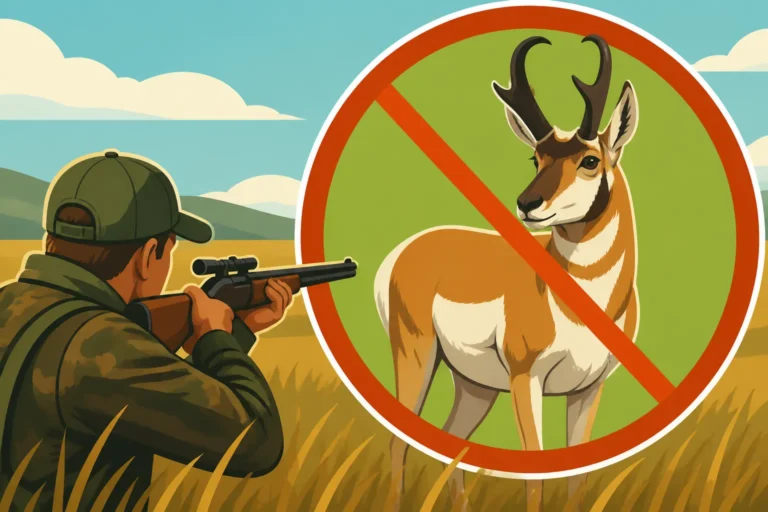
It's incredibly frustrating when you're dreaming of a wide-open prairie hunt for pronghorn, only to hear whispers of declining populations or limited tags. Many of us have felt that pang of worry, wondering if the chance to chase these incredible animals will be there year after year. This guide is here to shed light on the real story behind North Dakota's pronghorn population trends, helping you understand the forces at play and what it means for the future of hunting these magnificent speedsters.
The Unique Challenge of Pronghorn Management in North Dakota
Pronghorn, often called "speed goats" for their incredible swiftness, are truly a creature of the open plains, and North Dakota represents the eastern edge of their primary range. This unique geographic position means their populations here are often more volatile and susceptible to environmental pressures than in states further west. Unlike deer or even elk, pronghorn don't typically seek dense cover, relying instead on their keen eyesight and blazing speed to evade predators across vast, unobstructed landscapes. This specific ecological niche makes their survival and population stability deeply tied to the health of the prairie grasslands and the severity of winter weather, which can fluctuate dramatically in our state.
Managing pronghorn populations in North Dakota is a complex dance between biology, habitat, and the unpredictable nature of prairie weather. Our state's landscape, while rich in agricultural bounty, also presents challenges for species that thrive on expansive, unbroken native prairie. Fragmentation of habitat due to development, fences that impede migration, and changes in land use patterns can all stress pronghorn herds, making them more vulnerable. Understanding these inherent challenges is the first step in appreciating the efforts made to sustain a huntable population.
Historical Swings and Environmental Factors
If you've been following North Dakota hunting for any length of time, you'll know that pronghorn numbers aren't a straight line upwards. They've always ridden a bit of a rollercoaster, especially here on the fringes of their range. Historically, our pronghorn populations have seen dramatic highs and lows, often reflecting broader ecological shifts across the Great Plains. The settlement of the prairie, overhunting in the early 20th century, and drastic changes to the landscape all contributed to near extirpation in many areas, including parts of North Dakota. It's a testament to incredible conservation efforts that we even have a huntable population today, a direct result of reintroduction programs and dedicated habitat work.
The environmental factors that govern these swings are immense and often beyond human control. Think about the shifts from periods of ample moisture, which lead to lush forage and good fawn recruitment, to years of extended drought that parch the landscape and leave little sustenance. Pronghorn are grazers, and their survival is intrinsically linked to the quantity and quality of grasses and forbs available. When these resources dwindle, does struggle to nourish fawns, and the entire herd faces nutritional stress, which in turn impacts their ability to withstand other challenges.
The Role of Severe Winters and Drought
Without a doubt, the most significant drivers of pronghorn population swings in North Dakota are the brutal winters and prolonged droughts that our state occasionally experiences. A severe winter, characterized by deep, persistent snow and extreme cold, is absolutely devastating for pronghorn. Unlike deer, which can browse on woody vegetation or push through deeper snow more effectively, pronghorn are built for speed on open ground. Deep snow makes travel incredibly difficult, exhausting them rapidly as they try to navigate for food. It also covers their primary food sources, leading to starvation. A classic example is the devastating winter a decade or so ago that hammered the western North Dakota herds, practically wiping out huntable numbers in some units for years. This is why when you're hunting after a hard prairie winter, you might find game populations are noticeably lower across the board, and pronghorn are particularly sensitive.
Conversely, extended periods of drought, while not as immediately fatal as a harsh winter, chip away at the herd's resilience over time. When rainfall is scarce, the prairie becomes a brown expanse, offering little in the way of nutritious forage. This directly impacts North Dakota pronghorn fawn survival. Does that are poorly nourished are less likely to successfully carry fawns to term or produce enough milk for their young. Fawns born into drought conditions often struggle to gain weight and build the reserves needed to survive their first winter, even if that winter isn't particularly severe. These cumulative effects mean that recovery from a population dip often takes several years, even with milder conditions.
How North Dakota Monitors Pronghorn Herds
Effective wildlife management relies on solid data, and North Dakota Game and Fish Department (NDG&F) works tirelessly to gather the information needed to make informed decisions about pronghorn seasons and tag allocations. It's not just a guessing game; there's a methodical approach to tracking these elusive animals across our vast landscape. Understanding these methods helps hunters appreciate the science behind the season structures and why quotas might shift from one year to the next. They're constantly evaluating the health of the herd, looking for trends that inform how many tags can be sustainably issued.
The challenges in monitoring pronghorn are distinct from those for, say, whitetail deer. Pronghorn often inhabit remote, less accessible areas of western North Dakota, and their nomadic tendencies mean they can cover significant ground. This requires specialized techniques to get accurate counts and assessments. Using tools like the GoHunt app or other digital mapping resources can sometimes give hunters a feel for the type of terrain biologists are trying to cover during their surveys, highlighting the sheer scale of the effort involved in tracking these animals.
Aerial Surveys and Population Estimates
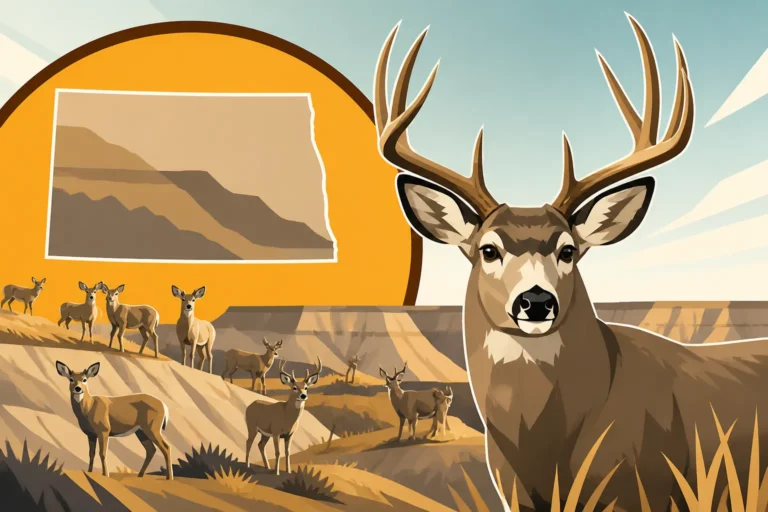
The backbone of pronghorn population monitoring in North Dakota is the annual aerial survey. Imagine flying low and slow over thousands of square miles of prairie, systematically counting every pronghorn you see. It's an intensive undertaking that requires experienced pilots and observers. These surveys are typically conducted in late summer or early fall, often using fixed-wing aircraft, covering established transects across known pronghorn habitat, particularly in units like those found in the Badlands and surrounding prairie. This method provides the most comprehensive snapshot of the herd size, distribution, and fawn-to-doe ratios in specific management units.
The data collected from these aerial surveys is critical. Biologists analyze these counts, factoring in previous years' data, observed fawn survival, and general habitat conditions, to arrive at an estimated population for each hunting unit where pronghorn are present. This estimate then directly influences the number of North Dakota pronghorn licenses that can be issued for the upcoming season. It’s a dynamic process, meaning if the survey shows a dip, you can bet the tag numbers will likely follow suit to protect the herd and allow for recovery. This scientific approach ensures that hunting remains sustainable and doesn't negatively impact the long-term health of the species.
Hunter Harvest Data and Biological Samples
Beyond the aerial surveys, hunter harvest data plays a crucial role in validating population estimates and providing additional insights into herd health. When you successfully harvest a pronghorn, reporting your take—often through online portals or designated check stations—is more than just a formality; it contributes directly to the larger management picture. This data includes information like the specific unit harvested, the date, and whether the animal was a buck or a doe. These details help biologists understand harvest pressure in different areas and confirm the sex ratios of the take.
Furthermore, biological samples, though less common for pronghorn than for deer (especially in CWD units), can also offer valuable information. In some cases, specific data like age and physical condition might be collected. This, combined with hunter observations from the field—what hunters are seeing, the condition of the animals, their distribution—paints a more complete picture for wildlife managers. Every piece of information helps the NDG&F fine-tune their understanding of North Dakota pronghorn herd size and make the best possible decisions for the future of the species and the hunting opportunities it provides.
Recent Pronghorn Population Trends and Their Impact on Hunting
The story of North Dakota's pronghorn population is one of resilience, but also vulnerability. If you're a long-time hunter, you've seen the pendulum swing from years of robust tag allocations to seasons where getting a license felt like winning the lottery, or even years with no season at all in certain areas. These fluctuations are a direct reflection of the factors we've discussed: harsh winters, drought, and the inherent challenges of managing a species at the edge of its core range. It's a reality that we as hunters have learned to accept and adapt to, always hoping for those banner years where the prairie is teeming.
For those eager to pursue these iconic prairie speedsters, understanding these trends is paramount. It manages expectations, informs application strategies, and ultimately shapes the opportunities available. While the overall picture has seen its ups and downs, dedicated conservation efforts by the state and private landowners continue to play a vital role in maintaining the species where it exists and encouraging its expansion where possible.
Fluctuations in License Numbers and Hunt Zones
Perhaps the most visible manifestation of pronghorn population trends for hunters is the annual shift in license numbers and even the availability of huntable units. Following a mild winter and good fawn recruitment, you might see an increase in available tags, particularly for antlerless pronghorn, which helps manage overall herd health and maintain appropriate buck-to-doe ratios. Conversely, a severe winter, like the one that can drastically impact North Dakota pronghorn herd size (and in turn, why a hard winter hurts pronghorn numbers), will almost certainly lead to a sharp reduction in tags, or even the closure of some units entirely, as we've witnessed in past years.
These decisions are not made lightly; they are directly driven by the aerial survey data and the goal of ensuring the long-term viability of the herd. Hunters, especially non-residents, will note that pronghorn tags are typically highly sought-after and part of North Dakota's Once-in-a-Lifetime Big Game Licenses lottery, making them a precious commodity. The availability directly correlates to the health and size of the population, emphasizing why keeping an eye on these trends is so important for those hoping to draw a tag for Pronghorn Hunting Western North Dakota.
Hunter Success Rates and Future Outlook
When license numbers are tightly controlled, hunter success rates for pronghorn in North Dakota tend to be quite high for those lucky enough to draw a tag. This is often because the number of permits issued is specifically tailored to ensure a reasonable chance of harvest, while still protecting the overall herd. Hunters are generally passionate and skilled, and when they invest the time in scouting and spotting pronghorn on North Dakota's open prairie, they often find success. However, the future outlook is always tied to the whims of Mother Nature.
If North Dakota experiences a string of mild winters and favorable spring and summer growing seasons, the pronghorn population has the potential to rebound remarkably quickly. Their reproductive capabilities, when conditions are good, are impressive. This would lead to more widespread hunting opportunities in the future. Conversely, another severe, deep-snow winter could set back recovery efforts for several years. For hunters, this means staying informed through the NDG&F website, keeping an eye on population reports, and understanding that patience and persistence are key when pursuing this species in our state. Using tools like GoHunt to scout areas can provide an edge, especially in understanding historical animal movements even if current numbers are lower.
The Importance of Habitat and Land Use
Beyond the weather, the availability and quality of suitable habitat are critically important for North Dakota's pronghorn. These animals are true prairie specialists, relying on vast expanses of grasslands, often in the rolling hills and broken country of the western part of the state. Fragmentation of these habitats by new development, agricultural conversion, or even fencing that restricts movement can have a direct, negative impact on pronghorn populations. They need connected landscapes to forage, escape predators, and migrate between seasonal ranges.
Land use practices, particularly those that maintain or restore native prairie, are vital for pronghorn survival. Ranchers who practice rotational grazing, for example, can contribute to healthier grass ecosystems that benefit pronghorn and other prairie wildlife. Access to both private and public hunting land in North Dakota becomes even more important in areas where pronghorn exist, as these areas often represent the last remaining bastions of quality habitat. Without dedicated efforts to preserve and enhance these specific habitat types, even the mildest winters won't be enough to foster robust, growing pronghorn herds.
Conservation Efforts and Future Outlook for North Dakota Pronghorn
The challenges facing North Dakota's pronghorn population are significant, but they are not insurmountable. The good news is that there are dedicated individuals and organizations actively working to ensure these magnificent animals continue to grace our prairies. From government agencies to private landowners and conservation groups, the collective effort aims to stabilize and, where possible, grow pronghorn numbers. This commitment to conservation is what gives us hope for future generations of hunters and wildlife enthusiasts.
For us, as hunters and stewards of the land, understanding these efforts is key. It helps us see where our license dollars go and how our actions in the field contribute to the bigger picture. The future of pronghorn hunting in North Dakota depends heavily on continued collaboration, adaptive management strategies, and a sustained focus on habitat preservation and improvement across their range.
Habitat Improvement and Connectivity Initiatives
One of the most crucial aspects of pronghorn conservation in North Dakota revolves around habitat improvement and ensuring connectivity across the landscape. This often means working with private landowners, who control the vast majority of pronghorn habitat in the state. Initiatives might involve restoring native prairie grasslands, implementing grazing strategies that benefit wildlife, or even modifying fences to allow pronghorn to move freely. Traditional barbed wire fences can be deadly barriers for pronghorn, which prefer to crawl under rather than jump over obstacles, making them vulnerable to entanglement. Programs exist to help landowners modify lower wires to allow for safe passage.
The NDG&F, along with partners like the North Dakota Natural Resources Trust and various private conservation organizations, invests in projects designed to create and maintain large, unbroken blocks of high-quality habitat. These efforts are particularly focused in areas like Hunting North Dakota's Badlands and surrounding counties, where pronghorn populations historically thrive. Enhancing these core areas and creating corridors for safe movement are paramount to allowing populations to expand and recover more quickly after environmental setbacks. It's a long-term game, but one with tangible benefits for the species.
Research and Adaptive Management Strategies
Conservation is an evolving science, and constant research is essential to understanding the specific needs and vulnerabilities of North Dakota's pronghorn. Biologists are continually studying various aspects of pronghorn ecology, including their movements, diet, reproductive success, and susceptibility to disease. This research helps refine management strategies, ensuring that decisions are based on the most current scientific understanding. For instance, studies on North Dakota pronghorn fawn survival directly inform population models and predictions for future herd growth.
Adaptive management means being flexible and willing to adjust plans based on new information and changing conditions. If aerial surveys indicate a struggling population in a particular unit, management might shift from harvest to recovery, perhaps by closing the season or issuing very few tags. If conditions improve, seasons can be gradually reopened. This iterative process, constantly monitoring, evaluating, and adjusting, is the most responsible way to manage a dynamic wildlife resource like pronghorn. Hunters can assist in this by providing accurate harvest reports and observations from the field when they are Stalking Pronghorn on Open Grassland, contributing valuable boots-on-the-ground data to the bigger picture.
How Hunters Can Support Pronghorn Recovery
Hunters are often the most passionate conservationists, and there are several ways we can actively support pronghorn recovery and sound management in North Dakota. First and foremost, adhering strictly to all hunting regulations, reporting harvests accurately, and respecting private land are fundamental. These actions directly contribute to reliable data collection and foster good relationships with landowners, which is crucial for access and habitat initiatives. Many hunters also contribute financially to conservation through their license purchases, as a portion of those funds often goes directly to wildlife management and habitat programs. You can review North Dakota Hunting Licenses and What They Cost to see how your money supports these efforts.
Beyond that, consider becoming involved with conservation groups that focus on prairie ecosystems and wildlife. Organizations often have volunteer opportunities for habitat projects, fence modifications, or even educational outreach. Advocating for responsible land use and supporting programs that incentivize wildlife-friendly practices on private lands also makes a significant difference. Every individual effort, no matter how small, adds up to a stronger future for North Dakota's pronghorn.
Summary of North Dakota Pronghorn Trends and Considerations
As we've explored, North Dakota's pronghorn population trends are a fascinating and sometimes challenging story, deeply intertwined with the unique environmental conditions of our northern prairie. They are a species that truly embodies the wildness of western North Dakota, captivating hunters and wildlife enthusiasts alike with their grace and speed. Their numbers fluctuate, often dramatically, largely at the mercy of harsh winters and drought cycles, making them one of the state's more sensitive big game species to manage.
However, the dedicated work of the North Dakota Game and Fish Department, in conjunction with landowners and various conservation partners, aims to provide sustainable hunting opportunities while ensuring the long-term health of these herds. Through rigorous aerial surveys, careful analysis of hunter harvest data, and a commitment to adaptive management, the state strives to balance conservation with recreational pursuit. Hunters play a critical role, not just as participants, but as essential partners in conservation.
To maximize your chances of a successful Pronghorn Hunting Western North Dakota experience, staying informed about current population estimates, understanding the lottery system for North Dakota's Once-in-a-Lifetime Big Game Licenses, and being prepared for varying tag allocations is key. Additionally, utilizing resources like GoHunt can aid in scouting and understanding public land access in prime pronghorn country. Remember that every hunting season is a gift, a testament to the hard work of many to keep these "speed goats" running free across our beloved North Dakota prairies.
| Factor | Impact on Pronghorn Population Trends | Management Response | Hunter Impact |
|---|---|---|---|
| Severe Winters | Primary cause of significant population declines due to deep snow, starvation, and limited mobility. | Immediate reduction or closure of hunting seasons; focus on habitat protection for surviving animals. | Fewer available tags, potentially no season in impacted units. Patience and understanding are crucial. |
| Prolonged Drought | Leads to reduced forage, poor fawn survival, and overall herd stress, slowing recovery. | Monitoring fawn-to-doe ratios; may lead to conservative tag allocations to allow for herd growth. | Limited tags during recovery periods; emphasis on North Dakota Pronghorn Fawn Survival impacts future opportunities. |
| Habitat Fragmentation | Disrupts movement corridors, limits foraging areas, and reduces overall carrying capacity. | Focus on habitat restoration, landowner incentives for wildlife-friendly practices, fence modification programs. | Increased importance of Public Hunting Land in North Dakota and gaining private land access where habitat is intact. |
| Reproductive Potential | When conditions are favorable, pronghorn can rebound quickly due to high fawn production. | Allows for increased tag allocations in good years, managing for healthy herd structure. | Potential for more tags and broader hunting opportunities in successive mild years. |
| Predation (Secondary Factor) | Can impact fawn survival, especially when populations are already stressed by other environmental factors. | Managed through broader ecosystem approaches and monitoring, but less direct management specifically for pronghorn predation than for primary environmental factors. | May indirectly affect available numbers; hunters are encouraged to report observations of predator activity. |
Disclaimer
This article is for general informational purposes only and does not constitute professional advice. Laws, prices and regulations vary by location and change over time. Consult a qualified professional for guidance on your specific situation.