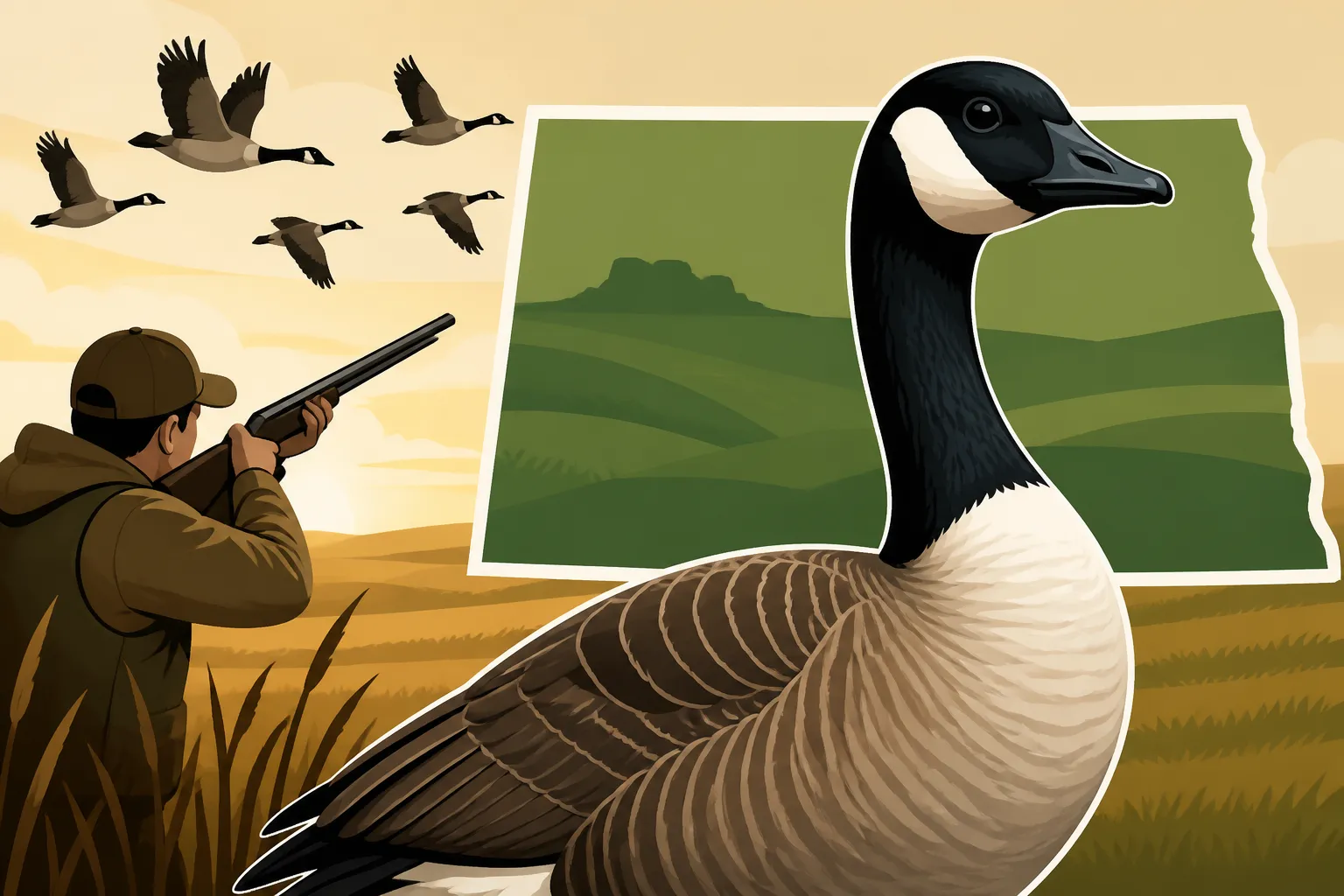
North Dakota Resident Canada Goose Population
It can be incredibly confusing to look out over a North Dakota prairie slough or a city park pond and see Canada geese seemingly everywhere, especially when you know big migrations are still far off. You might wonder if these birds are just early arrivals, or if they're a permanent fixture. This guide is here to unravel that mystery, focusing specifically on North Dakota's resident Canada goose population, helping you understand their presence, how they thrive, and what it means for hunters and conservation alike.
What Defines a "Resident" Canada Goose in North Dakota?
When we talk about "resident" Canada geese in North Dakota, we're not just talking about any goose that happens to be here. We're referring to the distinct populations that choose to nest, hatch their young, and spend the majority of their lives right here in the state, rather than migrating thousands of miles north to breed in the Canadian Arctic or further south to winter. These are the birds that call North Dakota home year-round, or at least for the spring, summer, and early fall before some might make shorter, localized movements.
The key difference lies in their breeding patterns. Migratory Canada geese travel extensively, using North Dakota as a stopover during their epic journeys along the Central and Mississippi Flyways. Resident geese, however, have established local breeding grounds, often in areas heavily influenced by human activity, like urban parks, golf courses, suburban ponds, and agricultural lands with abundant water sources. They nest in these familiar surroundings, raising their broods close to where they hatched. This familiarity makes them distinctly different in behavior from their wilder, migratory cousins. They can often appear less wary, having grown accustomed to human presence, which presents both opportunities and challenges for management.
Understanding this distinction is crucial for hunters. Knowing you're targeting local birds that haven't faced the same migratory pressures can influence your approach and expectations. Wildlife managers also treat these populations differently, implementing specific strategies and early hunting seasons designed to address their unique biology and local impacts. It’s not just semantics; it’s a fundamental difference in lifestyle that shapes their interaction with the landscape and us. For serious waterfowl enthusiasts, utilizing tools like the mapping features in GoHunt can help identify potential resident goose hotspots by showing areas with consistent water and green spaces that aren't necessarily major migratory staging points.
Factors Influencing North Dakota's Resident Canada Goose Population
North Dakota's landscape, with its abundant wetlands, agricultural fields, and even urban green spaces, has proven to be an ideal environment for resident Canada geese to flourish. Several interconnected factors contribute to the robust and often growing numbers of these birds. It’s a delicate balance of habitat, food, predator pressure, and human interaction that dictates how well these populations thrive.
First and foremost is habitat availability. Resident Canada geese are incredibly adaptable. While they prefer the natural solitude of a prairie pothole slough for nesting, they've also become very comfortable in proximity to humans. Man-made ponds, stormwater retention areas, golf course water features, and even backyard ponds offer safe nesting sites and easy access to food. The widespread distribution of these water bodies, particularly in the fertile prairie pothole region, provides countless niches for geese to establish territories. These birds aren't just surviving; they're expanding their range into areas that historically might not have supported such large, localized populations.
Food sources are another critical element. North Dakota's agricultural bounty provides an endless buffet. Geese readily feed on waste grain in stubble fields, graze on tender new shoots in pastures, and make use of planted crops like corn and wheat. This consistent and easily accessible food supply fuels their growth, supports large broods, and helps them maintain excellent body condition throughout the year, even during harsh winters when lingering snow cover might limit natural forage. Couple this with the relatively lower predation pressure in many human-modified landscapes compared to truly wild areas, and you have a recipe for successful reproduction and survival. While coyotes and foxes will prey on goslings and eggs, adult geese often find safe havens from common predators near human development.
Managing the Resident Canada Goose Population
Given their adaptability and thriving numbers, managing North Dakota's resident Canada goose population is a significant undertaking for wildlife agencies. It's not just about conservation; it's also about mitigating conflicts that arise when a successful species starts impacting human interests, whether that's agricultural damage, concerns over water quality, or nuisance issues in urban parks. The goal is to strike a balance, ensuring healthy goose populations while minimizing negative interactions.
One of the primary tools in management is strategic hunting seasons. North Dakota often implements an early September season specifically targeting resident Canada geese before the main migratory flocks arrive. This early opener is designed to maximize harvest on local birds, helping to control their numbers before they become mixed with the more vulnerable migratory populations. These seasons often come with liberal bag limits, reflecting the abundant nature of the resident population. Hunters play a crucial role in this management effort, and understanding the specific dates and regulations for these early seasons is paramount. You can always check the state's official hunting guide or use a platform like GoHunt to stay updated on critical season dates and rule changes, including details about North Dakota Duck and Goose Bag Limits and North Dakota Federal Duck Stamp Requirement.
Beyond hunting, wildlife managers also employ non-lethal methods, especially in urban or sensitive agricultural areas. These can include hazing programs to discourage geese from settling in certain locations, or more direct interventions like egg addling. Egg addling involves coating goose eggs with corn oil, which prevents them from developing, effectively preventing hatching without removing the nest or the parent birds. This method reduces reproductive success without prompting the adults to simply re-nest elsewhere. Nest destruction permits can also be issued in specific circumstances. These efforts, combined with habitat modification (like planting less palatable grasses in parks), contribute to a comprehensive management strategy. The objective is to proactively address population growth and distribution to prevent problems before they escalate, maintaining a healthy ecosystem for all species, including the resident geese themselves.
Hunting Opportunities for North Dakota Resident Canada Geese
For many hunters, the early September resident Canada goose season in North Dakota is a highly anticipated event. It’s a chance to get into the field before the full swing of fall hunting, often in pleasant weather, and pursue a challenging and rewarding bird. These localized populations offer unique opportunities and require specific tactics different from those used for their migratory counterparts. It's a fantastic way to experience waterfowl hunting without the intense pressures and often brutal weather of the late fall migrations.
Accessing prime hunting ground for resident geese can sometimes be less complicated than for migratory birds, as resident geese are often found on or near agricultural fields. Many hunters find success by knocking on doors and securing private land permission from landowners who are often keen to reduce goose numbers dueating to potential crop damage. However, excellent public hunting opportunities also exist. Areas designated as North Dakota Waterfowl Production Areas and The PLOTS Program Explained are fantastic resources, particularly those with a mix of wetlands and adjacent agricultural fields. Using mapping applications from services like GoHunt with PLOTS layers can be invaluable for scouting these areas and finding those less-pressured spots that hold resident birds. You might be surprised at how many opportunities there are if you do your homework before the season.
Hunting tactics for resident Canada geese often involve field hunting, setting up decoy spreads in cut grain fields where geese are actively feeding. Resident geese, while sometimes less wary than their migratory cousins, are still intelligent birds and require a good hide and realistic decoy spread. Early in the season, smaller, family-sized spreads can be very effective. Another popular method is jump-shooting smaller prairie potholes and sloughs, where you can sneak up on birds unawares. For those looking for a challenging hunt, pass-shooting geese as they travel between roosting and feeding areas, especially near large bodies of water like those around Devils Lake Fields or the James River Basin Farmland, can be thrilling. Regardless of your chosen method, scouting prior to the hunt is paramount. Observe flight patterns, feeding habits, and roosting locations to maximize your chances of success.
Resident vs. Migratory Canada Goose: Key Differences
Understanding the distinctions between resident and migratory Canada geese is fundamental for hunters and wildlife enthusiasts in North Dakota. While they are the same species, their behaviors and ecological roles vary significantly. This table highlights some of the key differences you'll notice in the field.
| Characteristic | Resident Canada Geese | Migratory Canada Geese |
|---|---|---|
| Primary Habitat | Local wetlands, urban parks, golf courses, agricultural fields, suburban ponds. | Large staging wetlands, major rivers, undisturbed agricultural areas along flyways. |
| Breeding Grounds | North Dakota and surrounding states; local nesting. | Arctic and sub-arctic regions of Canada and Alaska, with specific migratory corridors. |
| Migration Pattern | Minimal or localized movements; generally non-migratory. | Long-distance annual migrations between northern breeding grounds and southern wintering areas. |
| Waryness | Often less wary of human presence, especially in urban/suburban environments. | Highly wary, especially in heavily hunted areas; exhibit strong avoidance behaviors. |
| Diet | Grazers on fresh grasses, waste grains, planted crops, aquatic vegetation. | Similar diet, but often concentrated on larger agricultural fields for high-energy foods. |
| Hunting Season | Targeted in early special seasons (e.g., September in North Dakota) to reduce local populations. | Hunted during regular fall/winter seasons when larger migratory flocks are present. |
| Management Focus | Population control, mitigation of agricultural damage and urban nuisance. | Conservation of migratory pathways, habitat protection, sustainable harvest across flyways. |
Disclaimer
This article is for general informational purposes only and does not constitute professional advice. Laws, prices and regulations vary by location and change over time. Consult a qualified professional for guidance on your specific situation.