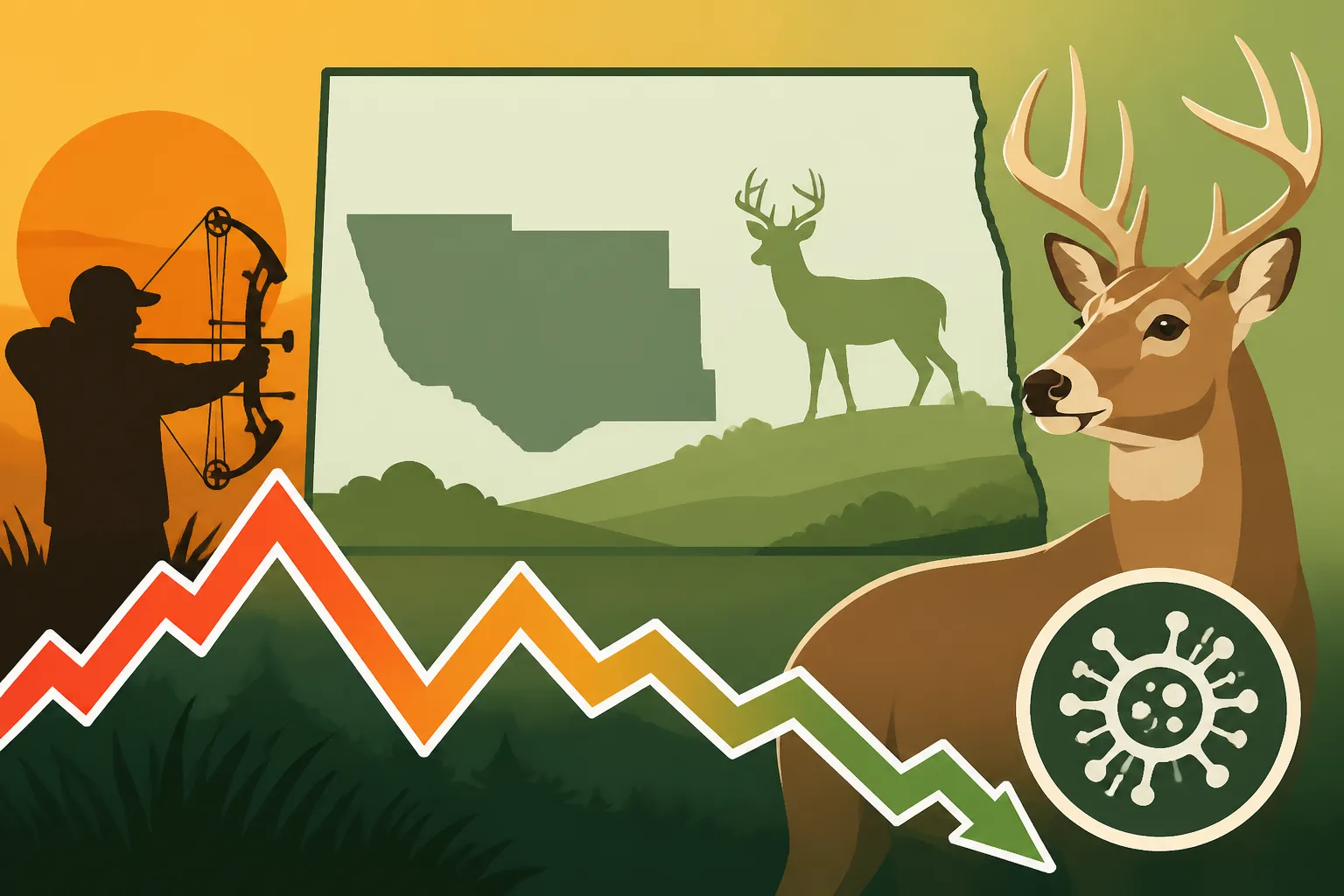
North Dakota CWD Prevalence Rate Trends
Chronic Wasting Disease (CWD) is one of those topics that sends a chill down every hunter's spine. It's not just a concern for the deer; it's a concern for the future of our hunting heritage in North Dakota. Understanding how CWD prevalence rates are trending across our state isn't just academic; it's crucial for making informed decisions about where and how you hunt. This guide will dive deep into what the numbers are really telling us about CWD in North Dakota, exploring its history, how we track its spread, and what it all means for you in the field.
Understanding CWD and Its History in North Dakota
When you hear about CWD, it's easy to feel a sense of dread. This disease has been a game-changer for deer management and hunting across the continent, and North Dakota is no exception. It’s something every hunter needs to be familiar with, not just in passing, but in its specifics as it pertains to our state.
What is Chronic Wasting Disease?
Let's start with the basics. Chronic Wasting Disease is a neurological disease that affects cervids – that’s deer, elk, and moose. It's caused by an abnormal protein, called a prion, that slowly destroys the brain and nervous system of infected animals. Unlike bacteria or viruses, prions aren't "alive" in the traditional sense, which makes them incredibly difficult to destroy and manage. Think of it like an insidious, slow-acting disease that once an animal contracts it, there's no recovery.
The symptoms of CWD are heartbreaking to witness in the wild. Infected animals typically become emaciated, hence the "wasting" in its name. You might also observe behavioral changes like listlessness, a wide stance, repetitive walking in patterns, drooling, and an increased thirst. Unfortunately, these symptoms don't usually become apparent until the late stages of the disease, long after the animal has been shedding prions into the environment. It's a truly insidious disease, always fatal, and poses a persistent challenge to wildlife managers.
One of the biggest concerns for hunters is the potential for transmission. CWD prions are shed through saliva, urine, and feces, contaminating the environment for years. This means even if a deer looks healthy, it could be spreading the disease, and other deer can pick it up from the soil or vegetation. This environmental persistence is what makes CWD so challenging to contain and eradicates, and why understanding its spread in North Dakota is so vital for the long-term health of our deer herds.
Early Detection and Initial Spread in North Dakota
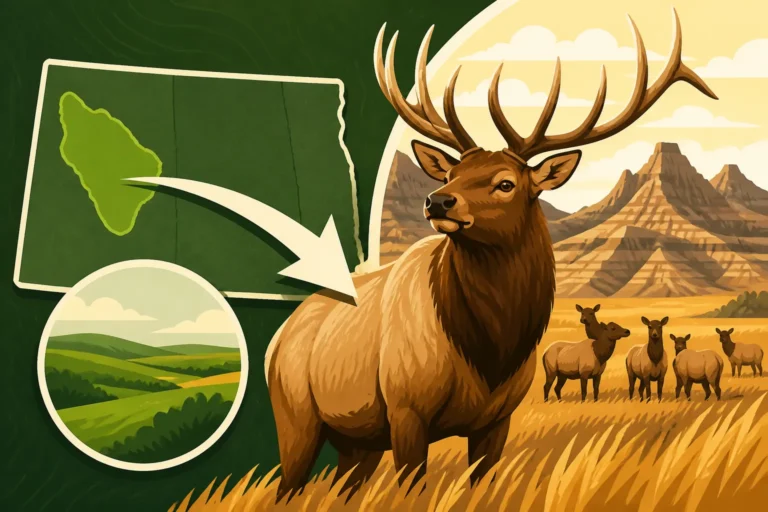
North Dakota isn't immune to CWD; it's a reality we've faced for some time. The first confirmed case in a wild deer in North Dakota was actually quite a few years ago, discovered in a mule deer harvested in unit 3F2, in the southwestern part of the state. This initial detection immediately put wildlife officials on high alert and sparked significant concern among the hunting community, bringing home the stark reality that this disease was now on our doorstep.
Following that initial discovery, proactive measures were quickly implemented. The North Dakota Game and Fish Department established a rigorous surveillance program, relying heavily on hunter submissions of harvested deer heads for testing. This allowed them to map out areas where the disease was present and begin to understand its distribution across the state. The early detections were critical because they helped to inform the creation of what we now refer to as North Dakota's Fourteen-Unit CWD Zone, designating specific areas where the disease had been identified or was at high risk.
The hunting community played a monumental role in this early response. Hunters, often the first eyes on the ground, became crucial partners in reporting sick animals and voluntarily submitting samples. This collaborative effort has been, and continues to be, the backbone of our state's CWD monitoring efforts. Understanding these early trends helps us appreciate the ongoing challenges and the long-term commitment needed to manage CWD in our deer populations.
Analyzing North Dakota's CWD Prevalence Rate Trends
When we talk about CWD trends, we're not just throwing out numbers. We're looking at patterns, hotspots, and how the disease is ebbing and flowing, or unfortunately, sometimes growing, in various parts of our state. This data helps everyone, from wildlife managers to the everyday hunter, make better decisions.
How Prevalence Rates Are Measured and Reported
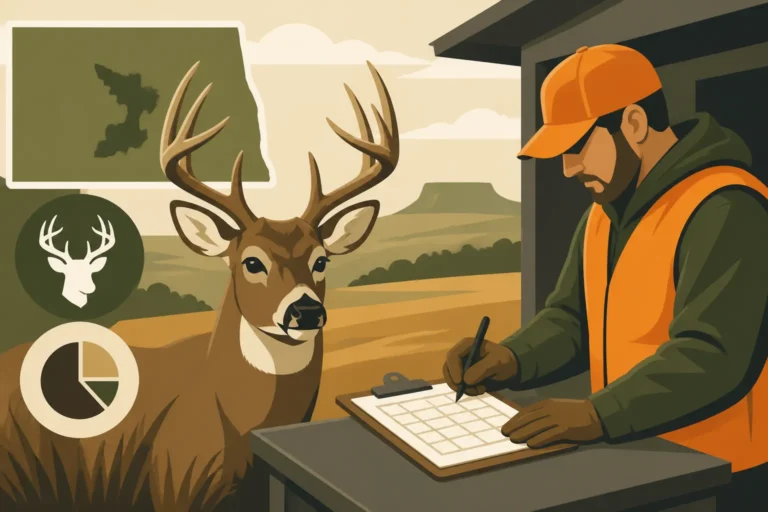
Measuring CWD prevalence isn't a simple task, and it relies heavily on hunter cooperation. The primary method involves collecting lymph node samples from harvested deer. In designated CWD hunting units, this often becomes a mandatory process. Hunters are required to submit the heads of their deer at specific sampling stations, which are strategically placed to ensure adequate coverage within the CWD zones. These stations might be manned by Game and Fish staff, or they could be self-serve kiosks where you drop off your sample.
Outside of the mandatory units, voluntary submissions are incredibly important. Hunters are encouraged to bring their deer heads to regional Game and Fish offices or participating meat processors. The more samples collected, the more accurate a picture we can paint of the disease's distribution and prevalence. After collection, these samples are sent to specialized labs for analysis. The results are then compiled, and the prevalence rate is calculated, which essentially tells us what percentage of the tested deer in a given area carried the disease. For hunters wanting to stay on top of the regulations and potential CWD information in their chosen hunt unit, platforms like GoHunt can be a valuable resource for research, often integrating state wildlife department data to help you make informed decisions.
The Game and Fish Department is pretty transparent with this data, typically releasing annual reports and interactive maps showing where CWD has been detected and at what rates. This allows hunters to see, often at a granular unit level, the ongoing status of the disease. It’s a huge undertaking, and the success of the monitoring program truly hinges on hunters taking that extra step to provide samples, understanding that their effort directly contributes to the health of North Dakota’s deer herds. This is why it’s so important to know about CWD Testing for North Dakota Hunters and how to participate.
Regional Differences in CWD Hotspots
One of the most critical aspects of understanding CWD in North Dakota is recognizing that its prevalence isn't uniform across the state. Certain regions, unfortunately, have become what we refer to as "hotspots," experiencing higher rates of infection than others. Historically, the areas along the Missouri River corridor, particularly in the southwest and central parts of the state, have shown higher prevalence. This isn't entirely surprising, as river bottoms often concentrate deer populations, creating more opportunities for disease transmission through close contact and environmental contamination.
For example, units like 3F1, 3F2, and 3C have often been mentioned in discussions about higher CWD rates. These areas often feature a mix of rugged badlands terrain, river breaks, and agricultural fields, all of which can support dense deer populations. Higher deer density can, unfortunately, accelerate the spread of CWD once it's introduced into an area. The natural movement patterns of deer, especially during the rut, can also contribute to disease spread across contiguous habitats. If you're planning a hunt, it's worth checking How Many North Dakota Units Have CWD to get a current picture.
These regional differences highlight the complex nature of CWD management. What works in one area might not be as effective in another due to varying habitat types, deer densities, and hunter access. Hunters need to be aware of these geographical variations, as it directly impacts their hunting strategies and the precautions they should take. It's not just about knowing that CWD exists, but where it's most prevalent, as How CWD Spread From the Missouri River Corridor highlights, showing the patterns of movement.
Interpreting the Trends: What the Numbers Tell Us
So, what are these prevalence rates actually telling us about CWD in North Dakota? It's rarely a simple "good news" or "bad news" story. Instead, we typically see a nuanced picture. In some of the long-standing CWD units, rates might show some fluctuations year to year, sometimes remaining stable, or in certain cases, increasing slowly. The good news is that we haven't seen a dramatic, exponential explosion across the entire state, which speaks to the efforts in surveillance and management.
However, stability isn't necessarily a victory when it comes to CWD; it means the disease is persistent in those areas. Increases, even slight ones, are a significant concern because CWD is always fatal and can, over time, impact the overall health and population dynamics of the local deer herd. Factors like harsh winters, which can concentrate deer around limited food sources, or changes in harvest strategies, can all influence these trends. It's a constant battle, and the numbers reflect that ongoing struggle.
For hunters, interpreting these trends means understanding that the disease is a long-term challenge. It influences deer herd health and potentially the availability of certain hunting opportunities. It's not just about the numbers themselves, but what they imply for the future of deer hunting in North Dakota. This ongoing monitoring and analysis directly inform decisions made by the Game and Fish Department, whether it's adjusting tag allocations or refining sampling strategies to best manage our resources, keeping an eye on the bigger picture of North Dakota Deer Population Estimate.
Implications for Hunters and Future Management
CWD isn't just a concern for wildlife biologists; it directly impacts every hunter in North Dakota. From how you plan your hunt to how you handle your harvest, the presence and trends of CWD require careful consideration and adaptation.
Mandatory Testing and Carcass Restrictions
Perhaps the most direct impact for hunters operating within North Dakota's Fourteen-Unit CWD Zone is the mandatory testing requirement. If you harvest a deer in one of these designated units, you're generally required to submit the animal's head for CWD testing within a specified timeframe. This isn't an option; it's a legal obligation designed to gather the critical data needed to monitor the disease. It means an extra step after the excitement of a successful hunt, often requiring a trip to a sampling station before you can fully process your animal.
Beyond testing, there are often strict carcass transportation restrictions. You can't just throw an entire deer from a CWD-positive unit into your truck and drive it across the state. This rule is in place to prevent the physical spread of CWD prions into uninfected areas. Typically, only certain parts of the carcass are allowed to leave a CWD management zone, such as deboned meat, quarters with no spinal column or skull, hides, and cleaned skull plates or antlers. This requires hunters to process their animals more thoroughly in the field or at a local facility within the zone, adding a layer of logistical planning. Make sure you understand Mandatory Testing Inside a CWD Hunting Unit before you head out.
These restrictions, while sometimes inconvenient, are vital for containing the disease. Imagine the frustration of having to debone your deer in adverse weather conditions, or finding a local processor who understands and complies with the rules. It’s a real challenge, especially for those traveling from further away. Knowing where to go for sampling, like Finding a North Dakota CWD Sampling Station, and being prepared for these restrictions is just part of hunting responsibly in a CWD era.
Hunting Decisions and Personal Risk Assessment
The presence of CWD in North Dakota naturally leads hunters to consider their personal risk assessment when making hunting decisions. For many, the joy of hunting is intertwined with the anticipation of bringing home venison for the table. When CWD enters the picture, it introduces questions about the safety of consuming meat from an infected animal. While there's no conclusive scientific evidence that CWD can jump to humans, health organizations still advise against consuming meat from CWD-positive animals.
This concern might lead hunters to carefully consider which units they apply for or hunt in. Some might prefer to hunt in areas with no known CWD detections, even if it means foregoing traditional spots or reducing their odds of drawing a tag. Others might choose to hunt in CWD units but commit to getting their harvested deer tested and discarding the meat if it comes back positive. It's a deeply personal choice, and it's one that often weighs heavily on a hunter's mind. Platforms like GoHunt can assist hunters in researching units with historical CWD data, which can be invaluable when making these nuanced decisions about where to focus your efforts.
Ultimately, your approach to hunting with CWD in mind will depend on your comfort level and willingness to adapt. The option to test your deer provides a degree of peace of mind, but it does mean a delay in processing and potential disappointment if the results are positive. Understanding Handling Venison From a CWD Hunting Unit is essential for any hunter navigating these waters.
Future Outlook for North Dakota's Deer Herds
The future of North Dakota's deer herds, in the face of CWD, is a topic of ongoing discussion and strategic planning. Wildlife managers are continually evaluating and adjusting strategies to mitigate the disease's impact. These strategies often involve targeted herd reduction in CWD hot zones, aimed at lowering deer densities to reduce transmission rates. Public education campaigns are also crucial, empowering hunters to be part of the solution by submitting samples and adhering to carcass restrictions.
The challenge with CWD is that there is no "cure" or easy fix. It's a slow-moving epidemic that requires long-term commitment and adaptation. The hope is that through continued surveillance, research, and responsible management, we can contain its spread and minimize its impact on our deer populations. This might mean future adjustments to hunting seasons, bag limits, or even the creation of North Dakota's Expanding CWD Hunting Units as new detections arise.
Hunter participation remains absolutely paramount. Without hunters providing samples, reporting sick animals, and adhering to regulations, wildlife managers would be largely blind in their efforts. It's a testament to the North Dakota hunting community's dedication that we've been able to track CWD as effectively as we have. The future health of our deer herds rests on this continued partnership and a shared commitment to responsible wildlife stewardship.
Here's a simplified look at how CWD prevalence might compare across different hypothetical North Dakota regions:
| Region Description | General CWD Status | Hunter Mandatory Testing | Carcass Transport Notes |
|---|---|---|---|
| Missouri River Corridor | Higher Prevalence | Often Mandatory | Strict restrictions; deboned meat, clean skull plates only |
| Western Badlands | Moderate Prevalence | Often Mandatory | Strict restrictions; deboned meat, clean skull plates only |
| Central Prairie Potholes | Low or Not Detected | Voluntary | Fewer restrictions, but still advised to debone if traveling far |
| Eastern Agricultural Plains | Low or Not Detected | Voluntary | Fewer restrictions, but still advised to debone if traveling far |
| Turtle Mountains/Northeast | Very Low/Undetected | Voluntary | Generally no specific CWD transport restrictions |
Disclaimer
This article is for general informational purposes only and does not constitute professional advice. Laws, prices and regulations vary by location and change over time. Consult a qualified professional for guidance on your specific situation.