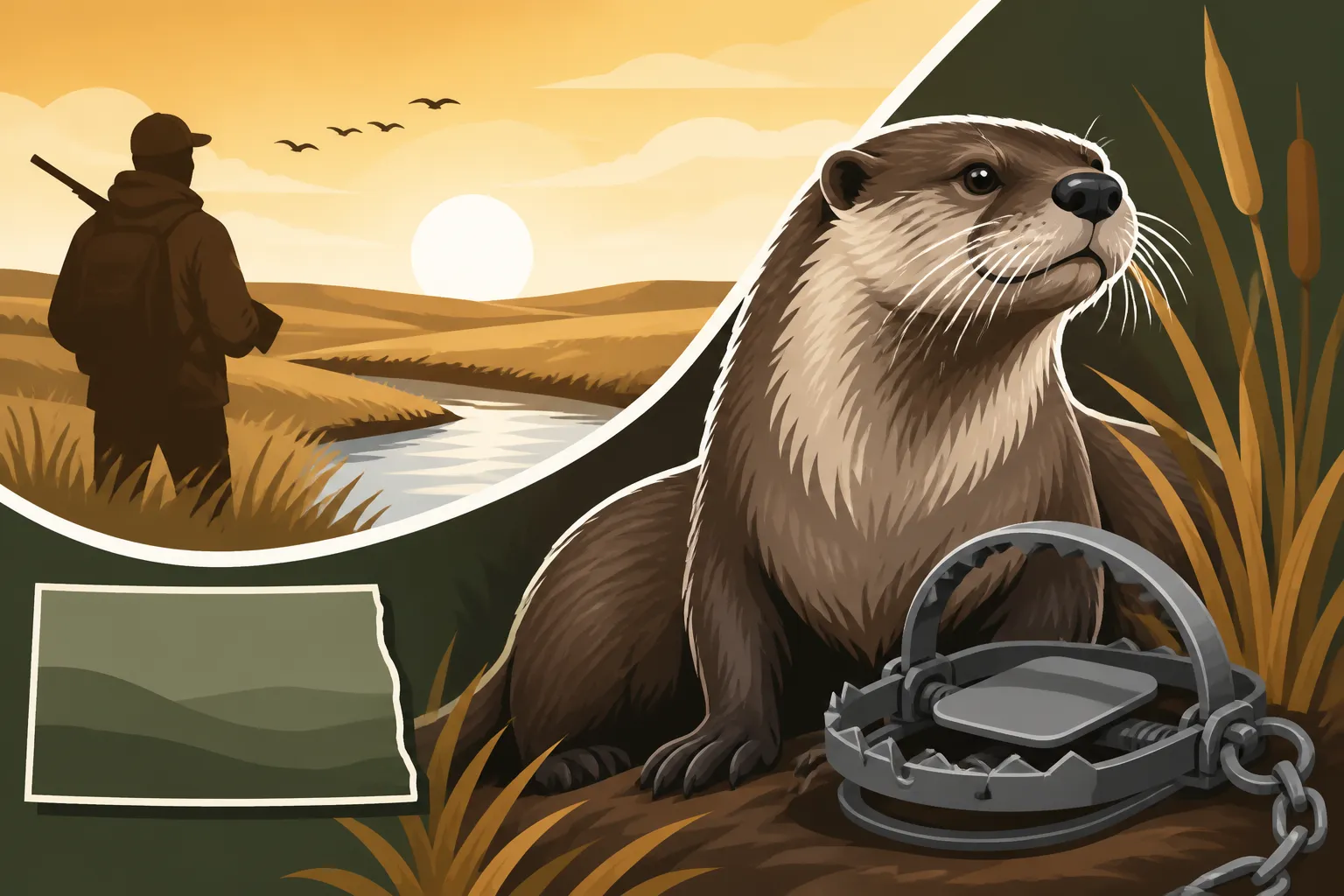
North Dakota River Otter Trapping Season
The idea of trapping a river otter in North Dakota can feel a bit like chasing a phantom, especially when you consider their remarkable comeback story and the specific regulations that govern their pursuit. Many trappers, new and seasoned alike, grapple with understanding the nuances of season dates, legal methods, and where these intelligent furbearers actually reside, often leading to frustration and missed opportunities. This comprehensive guide is designed to demystify the North Dakota river otter trapping season, providing you with the detailed, actionable information needed to approach this challenging yet rewarding endeavor with confidence and respect for the resource.
Understanding North Dakota's River Otter Trapping Season
River otters (Lontra canadensis) are one of North Dakota's most fascinating furbearers, with a history of near extirpation and a triumphant return. Their presence today offers trappers a unique challenge and a chance to engage with a truly wild species. Understanding their biology, the state's management goals, and the structure of the trapping season is the first step toward a successful and responsible trapping experience.
The Comeback of the River Otter in North Dakota
It’s hard to imagine now, but not so long ago, river otters were largely absent from North Dakota's waterways. Habitat destruction, unregulated trapping, and poor water quality had significantly reduced their numbers, pushing them to the brink in many areas. However, thanks to dedicated conservation efforts, including reintroduction programs and improved environmental stewardship, these playful creatures have made an incredible resurgence. Today, they are flourishing in many of the state's major river systems and even some of the larger prairie wetlands.
This comeback is a testament to what focused conservation can achieve, turning a species once thought lost into a sustainable resource for trappers. Their return is a delicate balance, though, and it's why the North Dakota Game and Fish Department carefully monitors their populations and sets specific trapping regulations. When you head out to set traps, remember you're participating in a program that manages a success story, helping to maintain healthy otter populations for future generations. For a deeper dive into their population status, check out North Dakota River Otter Population and Damage.
Why River Otter Trapping is Regulated
Trapping regulations aren't just arbitrary rules designed to make things difficult; they are scientifically formulated tools to manage wildlife populations and ensure ethical practices. For river otters, these regulations serve several critical purposes. Firstly, they prevent overharvesting, which could jeopardize the species' hard-won recovery. By setting specific season lengths, bag limits, and legal trapping methods, the state ensures that enough otters remain to breed and maintain a healthy population.
Secondly, regulations promote humane trapping practices. This includes specifying trap types and sizes that are effective yet minimize stress and injury to the animal. It's about respecting the animal and ensuring that trapping is conducted responsibly. Finally, regulations help gather vital data. When you report your harvest, you're contributing to the scientific understanding of otter populations, which in turn informs future management decisions. This cyclical process is crucial for sustainable furbearer management, making every trapper a data collector for conservation.
General Overview of the Trapping Season
The North Dakota river otter trapping season is often quite limited, a reflection of the species' managed recovery and the desire to maintain a robust population. Typically, it coincides with other furbearer seasons, but with very specific start and end dates and often restrictive bag limits. It's not a season where you can simply decide to head out; careful planning and strict adherence to the rules are paramount. The season usually targets late fall and early winter when pelts are prime, offering trappers the best quality furs.
Aspiring otter trappers need to keep a keen eye on the annual proclamation released by the North Dakota Game and Fish Department, as dates and specific regulations can shift based on population assessments and environmental factors. These changes might include adjustments to unit boundaries, changes in bag limits, or even a modification of permissible trap types. This dynamic approach ensures that management remains responsive to the health of the otter population, and platforms like GoHunt can be excellent for staying on top of the latest rules and updates, helping trappers quickly access the information they need to avoid any missteps.
Navigating Licenses and Regulations for Otter Trapping
Embarking on a river otter trapping adventure requires more than just knowing where to set a trap; it demands a thorough understanding of the legal framework. North Dakota has specific requirements that every trapper must meet, ensuring that the pursuit is not only ethical but also fully compliant with state law. Cutting corners here can lead to significant penalties, so it's vital to get it right.
Essential Licenses and Permits You'll Need
Before you even think about buying traps, your first stop should be securing the proper licenses. In North Dakota, you'll need a general furbearer trapping license to pursue river otters. This isn't just a formality; it's a legal requirement that supports the state's wildlife management programs. Additionally, you'll typically need a general game and habitat license, which is the foundational license for nearly all hunting and trapping activities in the state. North Dakota Trapping License Requirements provides all the details on the specific permits and certifications you'll need, including any required hunter or trapper education courses.
Remember that these licenses have specific validity periods, usually corresponding to the state's fiscal or license year. It’s crucial to purchase your licenses well in advance and ensure they are current before any trapping activity. You can often purchase these online through the North Dakota Game and Fish Department portal, which is incredibly convenient. Always carry proof of your licenses with you when you're in the field, as wardens can and will check. Understanding the North Dakota General Game and Habitat License Cost is also important for budgeting your season.
Key Season Dates and Bag Limits
The river otter season in North Dakota is generally short and often unit-specific, meaning it might open and close at different times depending on the management zone you intend to trap. This targeted approach allows the state to manage localized populations more effectively. The bag limit for otters is typically very conservative, often one or two per trapper per season, sometimes even a cumulative limit for multiple species like mink and muskrat. This low bag limit reinforces the idea that otters are a carefully managed species and that their harvest is a privilege.
It's absolutely paramount to consult the most current North Dakota Game and Fish Department proclamation each year. Relying on last year's dates or hearsay is a recipe for disaster. These proclamations detail the exact start and end dates, which units are open, and the precise bag limits. It also specifies reporting requirements, which are just as important as the actual harvest. Missing a reporting deadline can invalidate your take, so pay close attention to all the details. For an overview of how other aquatic furbearers are managed, you might find North Dakota Muskrat and Mink Trapping Trends helpful.
Legal Trapping Methods and Equipment
North Dakota has strict rules regarding the types of traps you can use for river otters, largely focused on ensuring humane and effective capture. Generally, water sets are mandatory for otters, meaning traps must be placed in or immediately adjacent to water, in a manner that ensures a quick and humane dispatch of the animal. Conibear-style traps (also known as body-gripping traps) of certain sizes and foothold traps with specific jaw spreads are often permitted, but snare regulations also need to be understood.
It's vital to research and understand the exact specifications for legal traps, including maximum jaw spread for footholds and spring strength for body-gripping traps. Modifications to traps might also be regulated. Using an illegal trap type or setting it incorrectly can lead to fines and loss of trapping privileges. Remember, the goal is always a clean, quick catch. This often means using sturdy, well-maintained traps and having a solid understanding of how otters move through their aquatic environment.
Here’s a simple table outlining common legal trap types and their general application for river otters:
| Trap Type | Description | Primary Use for Otter Trapping | Important Considerations |
|---|---|---|---|
| Conibear (Body-Gripping) | Designed for quick, humane dispatch. Comes in various sizes. | Often set in runs, culverts, or den entrances. | Must be set in water to ensure drowning; specific sizes are legal. Requires safety setters. |
| Foothold (Leg-Hold) | Catches and holds the animal by the paw. | Set on slides, crossover points, or underwater trails. | Must be drowned by using heavy weights or slide wires; specific jaw spreads are legal. |
| Snares | A cable loop designed to quickly constrict around the animal's neck. | Placed in tight runs, under log jams, or narrow channels. | Must be designed to ensure quick dispatch in water sets; specific cable length and diameter. |
Always double-check the current year's proclamation for precise legal dimensions and acceptable uses of these trap types.
Prime Locations and Effective Strategies for Otter Trapping
Otters are intelligent, elusive creatures that require a strategic approach. They are inherently tied to water, making river systems, large lakes, and even some extensive marshlands their preferred habitat. Knowing where to look and how to interpret their signs is the key to successfully intercepting them.
Identifying Productive Otter Habitat
River otters thrive in areas with abundant prey, good water quality, and secure denning sites. In North Dakota, this typically means the larger river systems like the Missouri River corridor, the Sheyenne River, and the Red River, as well as the deeper, more permanent lakes and wetlands that offer stable water levels. Look for meandering rivers with plenty of oxbows, backwaters, and undercut banks. These features provide diverse habitats for fish, crayfish, and frogs – their primary food sources – as well as secluded spots for dens.
Creek mouths where smaller tributaries flow into larger bodies of water are also prime locations, as otters often travel these waterways. Large, undisturbed wetlands with consistent water levels and plenty of emergent vegetation can also hold otters. Consider utilizing resources like Hunting North Dakota's Missouri River Corridor or scouting North Dakota Waterfowl Production Areas, as many of these public lands offer the exact type of aquatic habitat otters favor. Don't overlook culverts under roads and bridges, especially those where water flow is consistent, as these can be natural funnels for otter travel.
Setting Traps Responsibly and Effectively
Once you've identified potential otter habitat, the art of trap setting comes into play. Otters are creatures of habit, often using the same slides, runs, and feeding areas repeatedly. Your goal is to place your traps where an otter is most likely to encounter them naturally. Slides, where otters repeatedly enter and exit the water, are classic spots. Set a body-gripping trap right in the slide, ensuring it's submerged and properly secured. For foothold traps, set them at the base of a slide, often in shallow water, and incorporate a drowning device.
Another highly effective strategy is to locate "crossover" points, which are narrow land bridges or shallow stretches of water that otters regularly use to travel between two bodies of water or around an obstruction. Den entrances, often found in undercut banks, old muskrat lodges, or hollow logs near the water's edge, are also excellent locations for body-gripping traps, but always check local regulations regarding trapping near active dens. Utilize natural channels, log jams, and beaver dams, which create natural funnels that otters will swim through. Make sure your traps are securely anchored, as otters are incredibly strong animals. A robust anchoring system ensures the trap stays in place and the animal is held humanely. Using a reliable mapping app, like those found on GoHunt, can help you mark these precise locations and plan your trap line efficiently, ensuring you don't miss any critical spots.
Reading the Landscape for Otter Sign
Otters leave behind a wealth of clues if you know what to look for. Fresh tracks in the mud or snow, typically showing five toes with webbing, are a clear indicator of recent activity. Their distinct "galloping" gait often leaves a paired track pattern. Perhaps the most obvious sign is a "slide," a slick, worn path where otters repeatedly slide down banks into the water. These can be on muddy banks, snow, or even ice. Active slides are gold mines for trappers.
Look for "rolling spots" or "latrines" – areas where otters habitually scent-mark and defecate. These often contain fish scales, bone fragments, and crayfish shells, indicating a feeding area. Scat, dark and often containing undigested food remains, is another strong sign. Piles of mud, sticks, or grass on rocks or logs might also be present, used by otters for scent marking. Fresh sign means active otters, and that's where you want to focus your trapping efforts. Learning to interpret these signs is a skill developed over time, similar to Reading North Dakota Mud for Fresh Deer Movement, where understanding subtle cues on the landscape is paramount.
Ethical Considerations and Conservation in Otter Trapping
Trapping is an ancient practice that carries significant ethical responsibilities. For a species like the river otter, whose population has seen such a dramatic fluctuation, these responsibilities are even more pronounced. Being an ethical trapper means more than just following the law; it means actively contributing to the sustainable management of the resource.
Best Practices for Humane Trapping
Humane trapping begins with using the right equipment and maintaining it properly. Sharp, clean traps that are correctly sized for otters will ensure an efficient and quick dispatch. It's crucial to check your traps frequently, ideally every 24 hours, to minimize the time an animal spends in a trap. This not only prevents unnecessary suffering but also reduces the risk of non-target captures and potential depredation by scavengers.
Proper trap placement is also key to humane trapping. Water sets designed for drowning are generally preferred for otters as they provide the quickest end. Avoid situations where an otter might be caught in a non-lethal set and left exposed to the elements or predators for an extended period. Continuous education on the latest humane trapping techniques and equipment is vital. Trapper education courses often cover these best practices in detail, providing hands-on instruction that goes beyond simply reading a manual.
Contributing to Conservation Efforts
Every trapper plays a direct role in conservation. By adhering to regulations, reporting harvests accurately, and engaging in ethical practices, you help maintain healthy wildlife populations. The fees from licenses and permits often go directly back into funding wildlife management, habitat restoration, and research programs. Think of your trapping activity as a form of citizen science; the data you provide is invaluable to biologists.
Beyond the regulatory requirements, consider adopting a broader conservation mindset. Participate in clean-up efforts along waterways, support habitat improvement projects, and educate others about the importance of furbearer management. The goal is to ensure that future generations can also experience the thrill of working a trapline for species like the river otter. This long-term perspective is what truly defines a responsible outdoors person, ensuring that we continue to have wild places and wild animals to pursue. Remember that the overall North Dakota Trapping Furbearers program relies on all trappers doing their part.
Reporting and Data Collection
Reporting your otter harvest is not merely a bureaucratic step; it's a fundamental pillar of modern wildlife management. In North Dakota, successful trappers are typically required to report their otter catches to the Game and Fish Department within a specified timeframe. This might involve an online reporting system, a phone call, or physically bringing the pelt to a designated check station. The process often includes providing information such as the date of harvest, the county or unit where the animal was taken, and the sex of the otter.
This data is meticulously collected and analyzed by wildlife biologists. It helps them track population trends, assess the effectiveness of management strategies, and determine future season structures. Without accurate harvest data, it becomes incredibly challenging to make informed decisions about sustainable trapping levels. Your cooperation ensures that the state has the most accurate picture of the otter population, allowing for adaptive management that safeguards the species while providing opportunities for trappers. Make sure you understand the North Dakota License Year Start Date so you're always aware of reporting deadlines for the current season.
Disclaimer
This article is for general informational purposes only and does not constitute professional advice. Laws, prices and regulations vary by location and change over time. Consult a qualified professional for guidance on your specific situation.