North Dakota Bobcat Range Expansion
Have you started noticing more bobcat tracks along river bottoms or even caught a glimpse of one slinking through a shelterbelt further east than you might expect? Many North Dakota hunters and outdoors enthusiasts have reported seeing these elusive felines in places they haven't historically been common. This guide aims to demystify the recent trend of bobcat range expansion across our beautiful state, exploring why it's happening, where these crafty critters are showing up, and what it means for those of us who appreciate the wild.
Understanding North Dakota's Bobcat Population Dynamics
For a long time, bobcats in North Dakota were largely considered residents of the rugged western Badlands and the heavily timbered river breaks of the Missouri and other major tributaries. Their secretive nature and reliance on dense cover made them a true prize for trappers and a rare sighting for hunters. But things are changing, and understanding these shifts requires a look at both their past haunts and the forces shaping their future.
Historical Distribution and Current Observations
Historically, if you wanted to find a bobcat in North Dakota, your best bet was to head west. The broken terrain of the Badlands, with its deep coulees, rocky outcrops, and juniper breaks, provided the perfect blend of cover and varied prey species. Likewise, the thick woods and tangled undergrowth along the Missouri River, from the South Dakota border all the way up to Lake Sakakawea, created ideal bobcat habitat. These areas offered refuge from harsh winters and plenty of rabbits, small rodents, and birds to sustain them. Most sightings and harvest records came from these traditional strongholds, reinforcing the idea that they were primarily a western and river-corridor species.
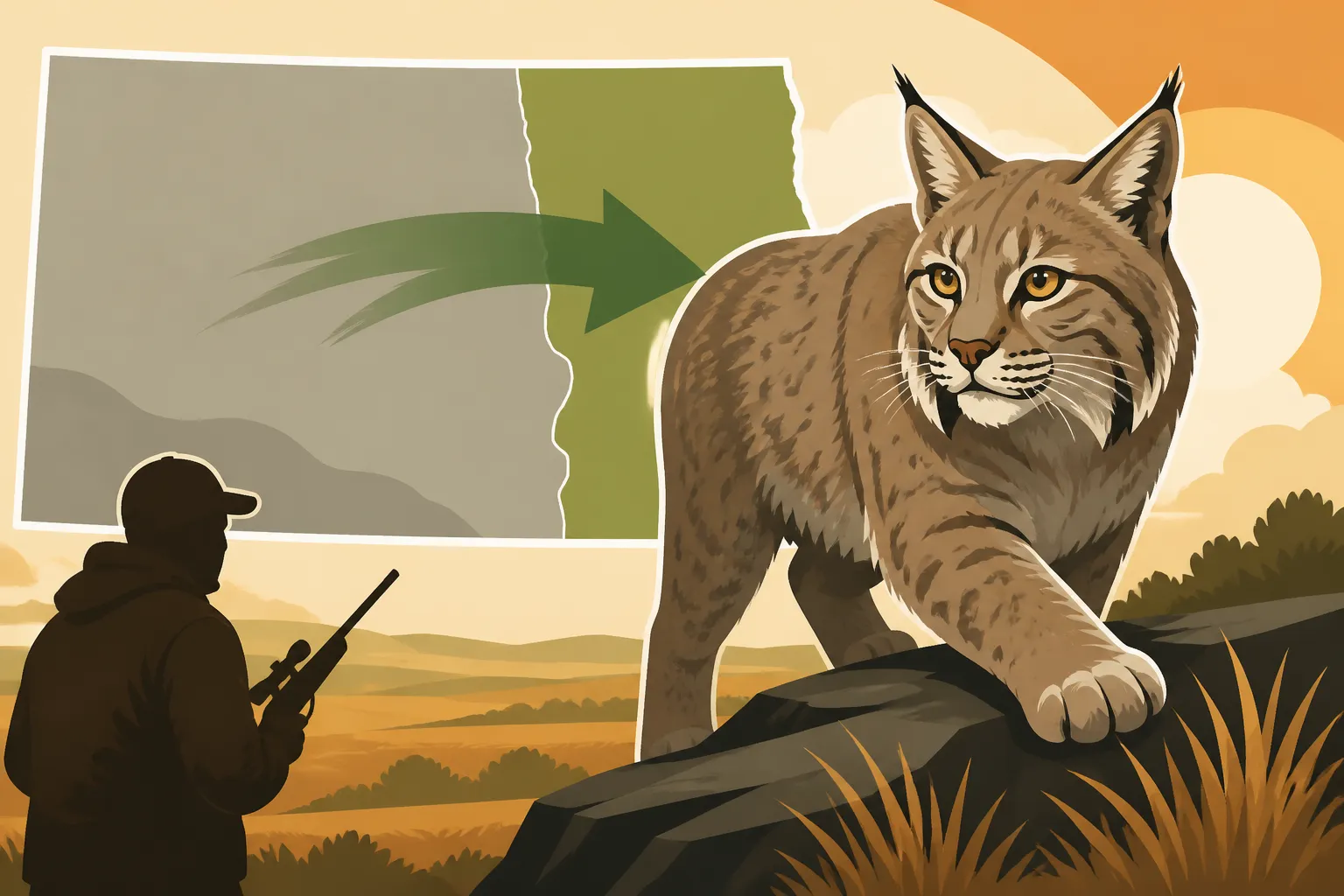
However, in recent years, conversations among hunters and trappers have shifted. Reports of bobcats turning up in unlikely places – a central North Dakota shelterbelt, a brushy draw near a prairie pothole, or even cruising farmsteads in the eastern part of the state – are becoming more frequent. It's not just anecdotal, either; wildlife agencies are noting this broader distribution in their observations and harvest data. This expansion challenges our preconceived notions of where bobcats thrive and suggests they are far more adaptable than once thought.
Factors Contributing to Range Expansion
So, what's driving this noticeable expansion? It's likely a combination of several interconnected factors, creating a perfect storm that allows bobcats to venture and thrive beyond their traditional territories. One significant element is probably the overall health of prey populations. A robust population of rabbits, pheasants, and other small game across the state provides a consistent food source, enabling bobcats to disperse and establish themselves in new areas. Another factor could be changes in habitat use, as bobcats learn to exploit linear cover like shelterbelts, drainage ditches, and riparian zones even in otherwise open agricultural landscapes. These corridors offer travel routes and hunting opportunities in areas that might lack extensive timber or rugged topography.
Furthermore, competition from other predators might play a role. While coyotes are widespread, their populations fluctuate, and less direct competition could open up niches for bobcats. Environmental changes, even subtle ones like milder winters in some years, could also contribute by reducing mortality rates and making survival easier in areas that were once too harsh. Finally, effective wildlife management strategies that have sustained healthy bobcat populations in their traditional ranges have likely created a "source" population that naturally pushes individuals into new, less saturated territories. Understanding these complex interactions is key to appreciating the resilience of these animals.
| Factor Contributing to Expansion | Observed Impact on Bobcat Range | Example Location Change |
|---|---|---|
| Healthy Prey Populations | Allows bobcats to sustain themselves in new areas with abundant small game. | Appearing in agricultural zones rich with rabbits and pheasants. |
| Habitat Adaptation | Utilizing linear cover and scattered woods in open landscapes for travel and hunting. | Documented sightings in shelterbelts and creek beds in central ND. |
| Reduced Competition | Potentially taking advantage of fluctuating coyote numbers to establish new territories. | Increased presence in areas with historical high coyote density. |
| Milder Winters | Improved survival rates in areas previously too cold or exposed. | Establishment in eastern prairie regions where extreme cold was a limiter. |
| Effective Management | Healthy populations in traditional areas leading to natural dispersal pressure. | Young bobcats dispersing further from the Badlands or river bottoms. |
How Population Monitoring Informs Expansion Trends
Understanding the expansion of a species like the bobcat isn't just about anecdotal sightings; it's backed up by diligent efforts in population monitoring. The North Dakota Game and Fish Department, along with collaborating researchers, gathers data through various means to keep tabs on furbearer populations. One primary method involves reviewing harvest data submitted by licensed trappers and hunters. When a bobcat is harvested, details about its location, date, and sometimes even its size and sex are recorded. Over time, a geographical analysis of this harvest data clearly illustrates shifts in where these animals are being taken, painting a picture of where their populations are strong and where they are emerging.
Beyond harvest reports, public sightings, while not always scientifically rigorous, do provide valuable supplementary information. When multiple credible reports come in from an area historically not known for bobcats, it prompts further investigation. Additionally, specific furbearer surveys and research projects can focus on particular regions, sometimes using trail cameras or tracking studies to confirm presence and estimate densities. For hunters or trappers who use tools like GoHunt to scout and research potential new hunting grounds, they might compare their current observations with historical data or even past harvest reports to identify emergent hot spots. This comprehensive approach, including reviewing sources like Reading a North Dakota Harvest Report, helps wildlife managers make informed decisions and helps us understand the true scope of the bobcat's expanding footprint across North Dakota.
Where Bobcats are Expanding Their Footprint
The classic image of a bobcat in North Dakota is often tied to the rugged beauty of the Badlands or the dense timber of the Missouri River breaks. However, that picture is becoming a bit outdated as these adaptable felines push into new territories. This expansion isn't just a slight creep around the edges of their traditional range; it's a more noticeable push into central and even eastern parts of the state.
Eastern and Central North Dakota Detections
While western North Dakota and the major river systems remain primary bobcat habitats, hunters and trappers are increasingly encountering them much further east. These new detection zones often include areas characterized by mixed agriculture, scattered woodlots, and extensive shelterbelts. For example, counties in central North Dakota, traditionally known for their pheasant and deer populations, are now seeing a steady increase in bobcat sightings. This is likely because the dense cover provided by large shelterbelts and the network of brushy creek beds and prairie coulees offer sufficient concealment and travel corridors, even if they don't mimic the expansive timber of a river bottom.
Further east, even into the edge of the Red River Valley, where the landscape flattens and farming dominates, there have been confirmed bobcat observations. These instances are often tied to major drainages or isolated pockets of dense cattails and brush that offer security cover. The prey base in these areas, particularly rabbits and various bird species, provides an ample food source, allowing these adaptable predators to establish themselves. If you're using a tool like GoHunt to analyze habitat, you might be surprised to see how linear features like fencerows and tree lines, combined with water sources, can create viable pathways for bobcats in what appears to be open country. Hunters targeting other species might stumble upon a bobcat while Hunting a Shelterbelt Edge for Deer or Hunting a North Dakota Prairie Pothole Slough Edge.
Impact on Local Ecosystems and Other Species
The expansion of bobcats into new regions naturally raises questions about their ecological impact. As a medium-sized predator, bobcats fill a niche that can influence local prey populations and even compete with other furbearers. In areas where bobcats are newly establishing themselves, there could be a localized impact on small game like cottontail rabbits and pheasants. While bobcats are opportunistic hunters and will readily take these species, their overall impact is usually part of a larger predator-prey dynamic, and healthy prey populations are typically resilient. It's not usually a cause for alarm, but rather a natural adjustment within the ecosystem.
Another aspect to consider is their interaction with other predators. Bobcats might compete with foxes and coyotes for food sources, and in some cases, coyotes might even predate on bobcat kittens. As bobcats expand, their presence could subtly shift the balance of these furbearer populations in certain localized areas. For instance, if you're out Coyote Calling North Dakota Farm Country, you might find yourself with a bobcat responding instead, signaling their increasing presence. For landowners, an increase in bobcats might mean being a bit more vigilant with small livestock or outdoor pets, as they are capable predators, though attacks on domestic animals are generally rare when natural prey is abundant.
Hunting and Trapping Opportunities Amidst Expansion
The changing distribution of bobcats in North Dakota presents both new challenges and exciting opportunities for hunters and trappers. As these secretive predators expand their territories, those willing to adapt their strategies might find success in unexpected locations. Understanding these shifts is crucial for ethical and effective engagement with the species.
Adjusting Hunting and Trapping Strategies
For years, targeting bobcats primarily meant focusing on the rugged, western portions of North Dakota, especially the Badlands or the dense river bottoms. Predator calling setups were often focused on the draws and bluffs where these animals were known to roam. Now, with bobcats showing up in central and eastern North Dakota, hunters need to rethink their approach. Instead of exclusively scouting traditional bobcat country, it pays to investigate those linear habitats mentioned earlier: extensive shelterbelts, large drainage ditches, and brushy creek beds that crisscross agricultural lands.
Trappers, too, might find new opportunities by setting snares and footholds in these emergent areas. Rather than solely focusing on the deep woods, consider scouting thick cover along field edges or in abandoned farmsteads. Using trail cameras to identify travel corridors can be incredibly effective in these new environments. You might find success using various calling techniques, from subtle mouse squeaks to rabbit distress calls, adapting them to the denser, smaller pockets of cover found outside of the Badlands. Remember, while bobcats are expanding, they are still elusive, and patience and careful scouting, perhaps with the aid of mapping tools on GoHunt, are always key. Hunters interested in general predator hunting should also review Predator Calling North Dakota's Badlands Draws or Trapping North Dakota Furbearers to refine their skills for these new areas.
Regulatory Considerations for the Evolving Range
As bobcat populations expand and their distribution shifts, it's natural for wildlife management agencies to monitor these changes closely. The North Dakota Game and Fish Department consistently reviews furbearer seasons and regulations to ensure sustainable management of all species, including bobcats. While current regulations may broadly apply across the state, future adjustments could occur if localized populations become particularly robust or, conversely, show signs of decline in specific areas. This might involve changes to bag limits, season dates, or even the creation of specific management units to address regional differences in population density.
It is absolutely imperative for all hunters and trappers to stay current with the latest regulations. Before heading afield, always check the current North Dakota Game and Fish proclamation for bobcats. Regulations can be updated annually, and ignorance of the law is never an excuse. Pay close attention to any changes regarding zones, licensing requirements, or reporting mandates. For instance, understanding North Dakota Trapping License Requirements and reporting procedures for any harvested furbearer is crucial. The state's approach to furbearer management, including species like fox and coyote, often considers the broader predator landscape, as seen in regulations like North Dakota Fox and Coyote Trapping Season. By staying informed, we ensure that we're participating in responsible and legal hunting and trapping practices as bobcats continue to make more of North Dakota their home.
Disclaimer
This article is for general informational purposes only and does not constitute professional advice. Laws, prices and regulations vary by location and change over time. Consult a qualified professional for guidance on your specific situation.