How PLOTS Access Works
Finding quality hunting land in North Dakota can often feel like an insurmountable challenge, especially if you're new to the state or don't have extensive private land contacts. It’s a vast state, but knowing where you can legally and ethically pursue game requires insider knowledge. This comprehensive guide will walk you through North Dakota's Private Land Open To Sportsmen (PLOTS) program, detailing how it works, how to find these vital hunting areas, and strategies to make your PLOTS hunting experiences successful and rewarding.
Understanding North Dakota's PLOTS Program: Your Gateway to Public Access
For many hunters, the acronym "PLOTS" is a beacon of hope in a landscape dominated by private property. It represents an innovative and highly effective program designed to bridge the gap between private land ownership and public hunting access. Without PLOTS, the opportunities for self-guided hunters in North Dakota would be significantly diminished.
What Exactly is PLOTS and How Did It Start?
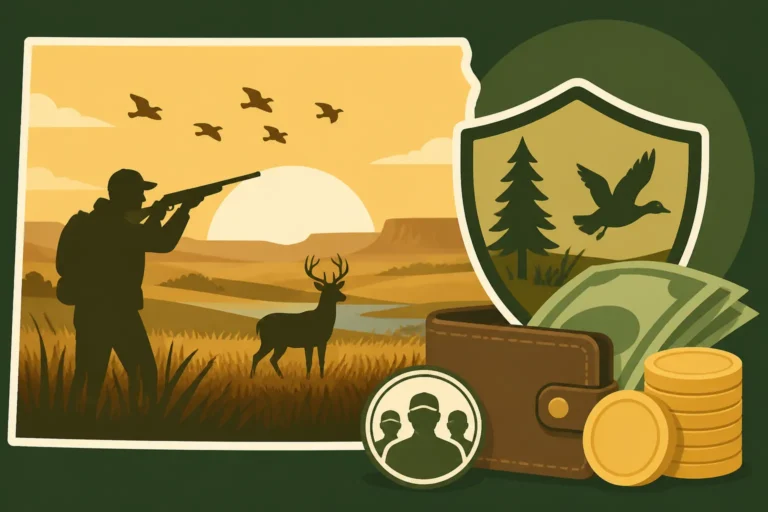
PLOTS stands for Private Land Open To Sportsmen. At its core, it's a program managed by the North Dakota Game and Fish Department (NDGFD) where private landowners receive an incentive – typically a financial payment – to allow public hunting access on portions of their property. These agreements are voluntary and generally run for a few years, after which landowners can choose to renew or withdraw. The program began as a way to increase hunting opportunities, especially for upland game and deer, by leveraging the extensive private lands that make up the majority of North Dakota's landscape. It’s a testament to cooperation between the state and its agricultural community, recognizing the importance of hunting heritage while respecting private property rights. The areas enrolled in PLOTS can vary dramatically, from small tracts of unharvested crops or shelterbelts to large expanses of grassland, wetlands, or river bottom habitat. Each tract is unique, offering different hunting challenges and opportunities depending on its location and the game species present.
The Philosophy Behind PLOTS: Farmer-Friendly Access
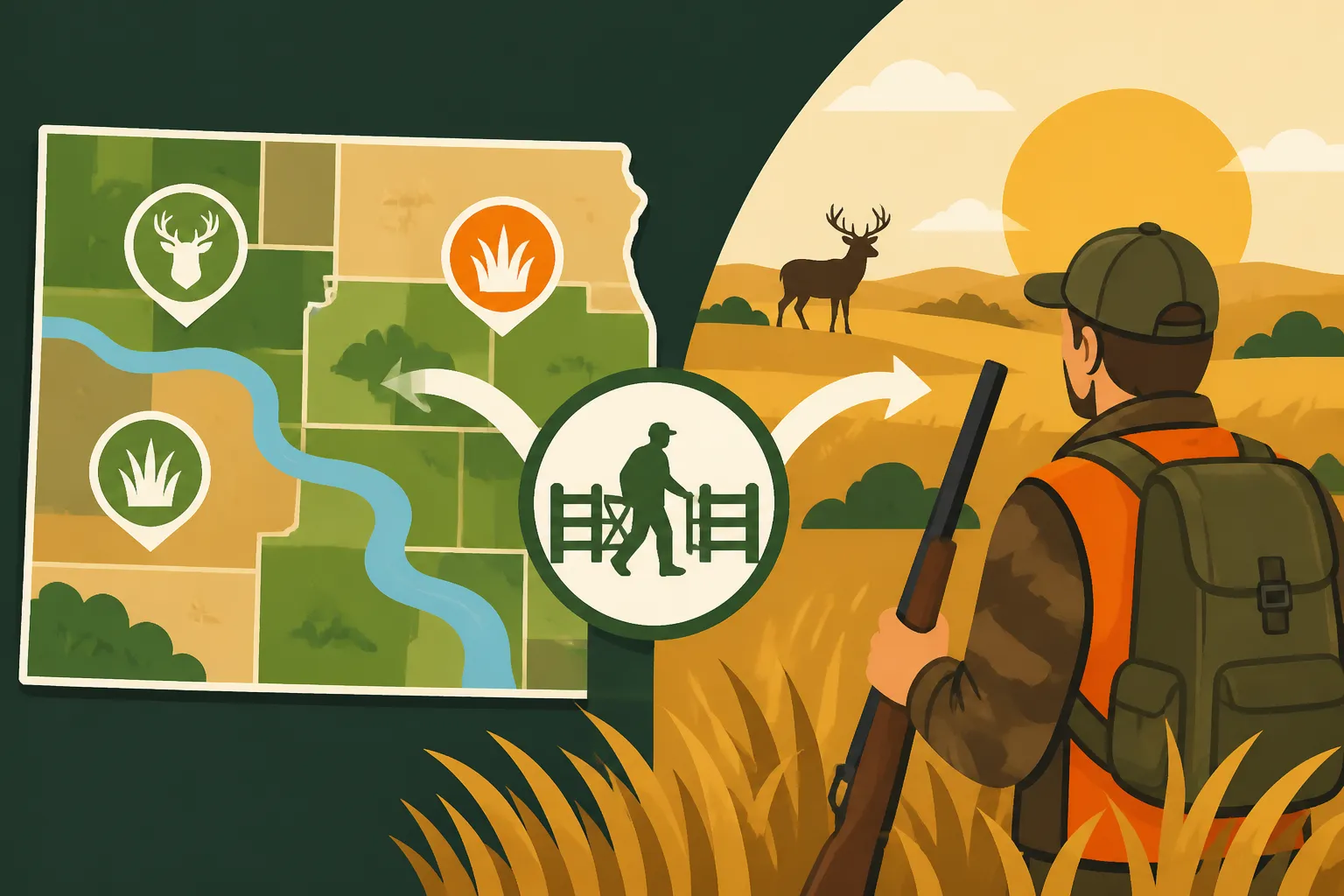
The genius of the PLOTS program lies in its farmer-friendly design. North Dakota is an agricultural state, and its farmers and ranchers are the backbone of its economy and landscape. The NDGFD understood that for any public access program to succeed, it had to be mutually beneficial and minimize burdens on landowners. Landowners receive compensation, which can help offset costs of maintaining wildlife habitat, pay property taxes, or simply provide supplemental income. In return, they open specified areas for public hunting. This approach fosters a sense of partnership rather than imposition, which is critical for long-term success. Hunters, in turn, are expected to act as responsible guests, respecting the landowner's property and livelihood. This means staying within marked PLOTS boundaries, closing gates, not littering, and generally leaving no trace of their presence except boot prints. It’s a social contract that relies on the integrity of both parties to maintain these valuable hunting opportunities.
The Benefits of PLOTS Land for Hunters and Landowners
The benefits of the PLOTS program extend far and wide, impacting both the hunting community and the landowners who participate. For hunters, PLOTS provides a vast network of accessible land that would otherwise be off-limits. This is especially crucial for nonresident hunters or those without established local connections, offering a crucial path to a self-guided hunt for species like pheasants, grouse, deer, and waterfowl. It democratizes access, ensuring that hunting isn't solely reserved for those with private land connections or deep pockets for guided hunts. You can truly experience Walking North Dakota PLOTS Land for Pheasant or Hunting a North Dakota Prairie Pothole Slough Edge without needing to knock on doors or pay lease fees.
For landowners, the program offers a reliable source of income, which can be particularly attractive during times of economic uncertainty or as a way to manage land that might otherwise be less productive for agriculture. Furthermore, it often comes with technical assistance from the NDGFD on habitat management, which can improve the ecological health of their property and, in turn, enhance wildlife populations. Many landowners take pride in contributing to North Dakota's hunting heritage, enjoying the idea that their land is providing memorable experiences for sportsmen and women. It’s a win-win scenario that has served North Dakota's hunting community exceptionally well for decades.
Navigating PLOTS: How to Find and Utilize These Special Areas
Once you understand what PLOTS is, the next step is learning how to effectively locate and use these areas. North Dakota has made significant efforts to provide accessible information, but it still requires some homework on the hunter's part to ensure a smooth and legal hunt.
The Indispensable PLOTS Guide and Mobile Apps
The primary resource for locating PLOTS land is the annual PLOTS Guide, published by the North Dakota Game and Fish Department. This guide, available in print and digitally, is a treasure trove of information, featuring maps that clearly delineate PLOTS tracts across the state. Each tract is typically numbered and includes details about the type of habitat, species present, and any specific access restrictions. While the physical guide is invaluable, many modern hunters rely on robust mapping applications to instantly see land boundaries and their own location within them. Services like onX Hunt and GoHunt have integrated PLOTS data directly into their platforms, allowing you to view PLOTS areas, public lands, and private property lines right on your phone or tablet. This digital access means you can zoom in on specific areas, mark waypoints, and navigate in real-time, even when you're out of cell service by downloading maps beforehand. It's truly revolutionized how hunters approach Scouting PLOTS Land With the ND Hunt App. Whether you prefer the tactile experience of a paper map or the convenience of a digital one, having the most current PLOTS information is non-negotiable for success.
Understanding PLOTS Signs and Boundaries
One of the most critical aspects of hunting PLOTS land is understanding the specific signage and boundaries. Every PLOTS tract is clearly marked with distinct yellow signs that read "Private Land Open To Sportsmen," often accompanied by the tract number and the NDGFD logo. These signs indicate where public access is permitted. It is absolutely essential to stay within these designated boundaries. Straying onto un-enrolled private land, even accidentally, constitutes trespassing and can have serious legal repercussions. This is where a reliable mapping app, like onX Hunt, can be an absolute lifesaver, providing a real-time visual of your position relative to property lines. However, even with the best technology, you should always pay attention to the physical signs on the ground. Boundaries might follow natural features like coulees or tree lines, but they often follow fence lines or survey lines, so Reading a PLOTS Sign Correctly is paramount. Always err on the side of caution; if you're unsure if you're on PLOTS land, assume you are not, and verify your position before proceeding.
Rules and Regulations Specific to PLOTS Lands
While PLOTS land offers public access, it's still private property, and certain rules apply beyond general North Dakota hunting regulations. First and foremost, respect the landowner's property. This includes closing all gates, staying on established trails or access roads when driving (and only where vehicles are allowed), and never leaving any litter behind. Many PLOTS tracts are adjacent to active farming operations, so avoid disturbing crops or livestock. Vehicle access rules can vary by tract; some allow driving on two-track trails, while others are foot-traffic only. Always check the PLOTS guide or app for specific notes on each tract. Camping is generally not permitted on PLOTS land unless explicitly stated, and permanent tree stands or ground blinds are usually prohibited. If you use a portable blind, it must be removed at the end of your hunt each day. Understanding and adhering to these specific rules helps maintain the integrity of the PLOTS program and ensures that landowners remain willing participants. Remember, these lands are a privilege, not a right, and treating them with respect safeguards future hunting opportunities. You can find more details about Vehicle Rules on North Dakota Public Land in the NDGFD regulations.
Maximizing Your PLOTS Hunt: Strategies for Success
Hunting PLOTS land effectively goes beyond simply knowing where the tracts are. It involves strategic planning, adaptable hunting tactics, and a deep understanding of how game animals use these varied landscapes.
Scouting Smart: Pre-Season Prep and In-Season Adaptations
Successful PLOTS hunting often begins long before opening day with thorough scouting. Start by studying the PLOTS guide and digital maps, identifying tracts that offer promising habitat for your target species. Look for features like dense cover, water sources, natural funnels, and food plots. Tools like onX Hunt and GoHunt allow you to overlay satellite imagery with PLOTS boundaries, giving you a bird's-eye view of the terrain. This can help you pinpoint potential bedding areas, travel corridors, and feeding grounds. You can use these insights to start Reading Aerial Photos for Badlands Deer even if you're not in the Badlands, as the principles apply to any varied terrain.
Once the season arrives, be prepared to adapt. Conditions change rapidly in North Dakota, from crop harvest impacting cover to shifts in weather moving game. If you arrive at a PLOTS tract and find it's been heavily hunted, or the birds aren't there, have a backup plan. Be willing to move to another tract, or even switch to a different area if necessary. Early season might see birds scattered in light cover, while late season often finds them concentrated in heavier thermal cover like cattail sloughs or thick shelterbelts. Pay attention to fresh sign – tracks, scat, feather piles – to confirm game presence and recent activity.
Dealing with Hunting Pressure on PLOTS Tracts
Let's be realistic: PLOTS land, being publicly accessible, will see hunting pressure, especially on weekends and during opening days. This is a reality you need to account for in your strategy. Don't be discouraged if you see other vehicles parked at a PLOTS access point. Often, hunters stick close to the parking areas, leaving the deeper sections of larger tracts undisturbed. Being willing to walk further than others is often the key to finding unpressured game. Many hunters will be content Hunting Pressure on North Dakota Public Land right near the road.
Consider hunting during weekdays if your schedule allows, or focusing on mid-day hunts when others might be taking a break. Another effective strategy is to look for smaller, less obvious PLOTS tracts that might be overlooked, or those that require a bit more effort to reach. Sometimes, even just a few hundred yards off a well-traveled path can feel like a different world. Using a mapping app can help you identify these lesser-known pockets or find remote access points. Don't overlook tracts that might not appear "prime" on a map; sometimes, overlooked areas hold fantastic hunting, especially for opportunistic species like pheasants. Thinking outside the box and being prepared to put in the legwork will set you apart. For those seeking solitude, actively Finding PLOTS Ground Others Walk Past is a vital skill.
Pairing PLOTS with Other Public and Private Access Options
While PLOTS is an incredible resource, it's just one piece of the public access puzzle in North Dakota. A truly successful hunter often combines PLOTS access with other available public lands, and even secured private land permission, to maximize their opportunities. North Dakota also boasts extensive Wildlife Management Areas (WMAs), Waterfowl Production Areas (WPAs), and federal lands like the Little Missouri National Grassland and Sheyenne National Grassland. Each of these land types comes with its own set of rules and unique habitat.
For instance, you might hunt pheasants on a PLOTS field edge in the morning, then move to a nearby WPA in the afternoon to target waterfowl. Or, if you're fortunate enough to secure private land permission, you might use a PLOTS tract as a strategic entry or exit point to access an adjacent piece of private ground where you have permission. Always know precisely which type of land you're on and what regulations apply. Having a diverse portfolio of accessible hunting spots – whether PLOTS, WMA, or private – increases your chances of consistent success throughout the season and helps you adapt to changing conditions and hunting pressure.
Common Questions and Misconceptions About PLOTS Access
Even with its popularity, the PLOTS program can sometimes be misunderstood, leading to confusion for hunters. Addressing these common questions can help you utilize the program more effectively and avoid potential issues.
PLOTS Acreage: Why It Fluctuates and What That Means for You
One common observation among seasoned North Dakota hunters is that the total acreage and specific locations of PLOTS tracts can change from year to year. This fluctuation is a natural and expected part of the program. Because PLOTS agreements are voluntary and generally run for a few years, landowners can choose not to renew their contracts. Conversely, new landowners enroll their property each season. This means that a fantastic hunting spot you relied on last year might no longer be enrolled, while new opportunities could pop up in unexpected places. This dynamic nature is why it's absolutely crucial to obtain the most current PLOTS Guide and update your mapping apps annually. Relying on outdated information could lead to wasted time or, worse, accidental trespassing. Understanding Why PLOTS Acreage Changes Year to Year is key to adapting your hunting plans and staying informed. It means you can't set it and forget it; ongoing scouting and information gathering are essential for consistent success.
Nonresident Access and PLOTS: What You Need to Know
For nonresident hunters, PLOTS land is often a cornerstone of their North Dakota hunting strategy. Unlike some states with highly restrictive nonresident public land access, North Dakota's PLOTS program is generally open to all licensed hunters, resident and nonresident alike, with some specific considerations. The most significant restriction for nonresidents concerns deer bowhunting: nonresidents cannot hunt deer on any public land, including PLOTS, for the first nine days of the archery season. After those nine days, PLOTS land becomes fully accessible for nonresident bowhunters pursuing deer.
For upland game and waterfowl, nonresident access to PLOTS is generally available according to the season dates and regulations. However, always double-check the current North Dakota Game and Fish Department regulations for any changes or specific dates that might impact nonresident access. While PLOTS provides invaluable opportunities, nonresidents should also be aware of other public land options like National Grasslands or some WMAs, which typically have fewer restrictions than the initial bowhunting period. Planning your trip around these access rules is essential to a successful and legal hunt. It’s important to understand the broader context of Nonresident Access to North Dakota Public Land.
The Role of Technology: Beyond the Paper Map
While the physical PLOTS guide remains a staple for many, the advent of sophisticated hunting apps has undeniably transformed how hunters interact with PLOTS land. Beyond simply showing boundaries, these apps, including onX Hunt and GoHunt, offer a wealth of additional features that can dramatically enhance your planning and in-field experience. You can drop pins to mark sign, game sightings, or even parked vehicles. You can track your movements, measure distances, and utilize various map layers (like topographic, satellite, or even winter habitat maps) to gain a deeper understanding of the terrain.
The ability to download maps for offline use is especially critical in many rural North Dakota areas where cell service is spotty or nonexistent. This ensures you always know your location and the property boundaries, preventing costly mistakes. Furthermore, many apps provide information on weather, wind direction, and sunrise/sunset times, which can be crucial for planning your approach and maximizing your hunting windows. While technology should never replace good old-fashioned woodsmanship and scouting, integrating these powerful digital tools into your PLOTS hunting strategy will give you a significant advantage.
Comparing North Dakota Public Land Access Options
To help you visualize the different types of public access available in North Dakota, here's a comparison of PLOTS and other common public land categories:
| Feature | PLOTS (Private Land Open To Sportsmen) | Wildlife Management Areas (WMAs) | National Grasslands (e.g., Little Missouri) | Waterfowl Production Areas (WPAs) |
|---|---|---|---|---|
| Land Ownership | Private (leased by NDGFD) | State (NDGFD owned) | Federal (USDA Forest Service) | Federal (US Fish & Wildlife Service) |
| Primary Purpose | Public Hunting Access, Habitat | Wildlife Habitat, Public Hunting | Multiple Use (Grazing, Hunting, Recreation) | Waterfowl Production, Public Hunting |
| Vehicle Access | Varies by tract, generally limited | Limited to designated roads/trails | Limited to designated roads/trails | Typically foot traffic only |
| Camping | Generally Prohibited | Generally Prohibited | Permitted with specific rules | Prohibited |
| Tree Stands/Blinds | Portable only, must be removed daily | Portable only, must be removed daily | Portable only, must be removed daily | Portable only, must be removed daily |
| Signage | Yellow "PLOTS" signs | Brown "WMA" signs | Boundary markers, "National Grassland" | Blue "WPA" signs |
| Nonresident Access | Generally open (bow deer restriction) | Generally open | Generally open | Generally open |
| Common Game | Deer, Pheasant, Sharptail, Waterfowl | Deer, Waterfowl, Upland Game | Mule Deer, Elk, Sharptail, Pronghorn | Waterfowl, Pheasant, Sharptail |
Disclaimer
This article is for general informational purposes only and does not constitute professional advice. Laws, prices and regulations vary by location and change over time. Consult a qualified professional for guidance on your specific situation.