Booking a North Dakota Missouri River Duck Hunt
Navigating the vast and often unpredictable waters of the Missouri River for a duck hunt can feel like an overwhelming challenge, especially if you're not intimately familiar with its ever-changing currents, hidden backwaters, and prime waterfowl resting areas. This guide aims to demystify the process of booking a North Dakota Missouri River duck hunt, providing you with the insights and practical advice needed to ensure a memorable and successful experience, whether you're a seasoned waterfowler or considering your first adventure on this iconic waterway.
Why the Missouri River is a Waterfowler's Paradise
The Missouri River, as it snakes through North Dakota, isn't just a picturesque waterway; it's a vital artery in the Central Flyway, drawing in an incredible diversity of ducks and geese year after year. Hunters often dream of those massive flocks descending, and on the right day, the Missouri can deliver in spades. It presents a unique blend of hunting opportunities, distinct from the smaller prairie potholes or vast marsh systems, offering both challenges and rewards that keep hunters coming back.
Unique Habitat and Migration Corridor
Unlike the smaller, often frozen sloughs and ponds of the surrounding prairie as the season progresses, the Missouri River typically maintains open water much longer, providing crucial refuge and feeding grounds for migrating ducks. This continuous flow creates diverse habitats, from shallow backwater sloughs and flooded timber to deep main channel currents and sandbars. These varied environments cater to different duck species, attracting everything from dabblers like mallards and pintails to diving ducks such as canvasbacks, redheads, and scaup. The river acts as a natural funnel, guiding huge numbers of birds on their southbound journey, making it a hotspot during the peak migration periods. Understanding this unique dynamic is key to appreciating why a guided hunt here can be so effective.
The constant movement of the river also means that duck patterns can change quickly based on weather, water levels, and hunting pressure. What was a hot spot yesterday might be barren today. A good guide, with years of experience on these particular stretches of river, knows how to read these subtle shifts. They’ll understand where ducks are likely to be staging, feeding, or resting, utilizing local knowledge that no map or app can fully replicate. This is particularly true when focusing on specific segments of the river, where local intelligence becomes invaluable.
Targeting Specific Species on the Missouri
While mallards are often the bread and butter of many duck hunts, the Missouri River offers opportunities for a much broader bag. The river's varied depths and food sources attract a wide array of waterfowl. In the shallower backwaters and flooded field edges, you'll often find a mix of mallards, gadwall, wigeon, and pintail. These dabblers are looking for submerged vegetation, waste grain, and insects in the calmer waters. Your guide will often set up large decoy spreads here, sometimes incorporating spinning wing decoys to grab attention from afar.
As you move towards the main channel and deeper areas, especially on larger reservoirs like Lake Sakakawea, you'll encounter diver ducks. Canvasbacks, redheads, and scaup prefer these deeper, open waters where they can dive for mollusks and aquatic plants. Hunting these birds often involves layout blinds or specialized boat blinds, positioning decoys in large rafts to mimic a resting flock. A guide intimately familiar with the Missouri knows the specific stretches of river and adjacent flooded areas that reliably hold these different species, ensuring that your hunt is tailored to the types of ducks you're most interested in pursuing. Understanding how to approach these different habitats is a skill developed over seasons on the water.
Timing Your Missouri River Duck Hunt
Timing is everything when it comes to waterfowl hunting, and the Missouri River is no exception. The peak of the migration and the onset of colder weather dramatically influence bird numbers and behavior. Choosing the right time for your hunt can be the difference between a few birds buzzing by and constant action.
Early Season vs. Late Season Opportunities
The Missouri River offers distinct hunting experiences depending on whether you visit in the early or late season. Early season, typically September through early October, sees local birds and the first waves of migrants. The weather is generally milder, and ducks might be more spread out across the landscape, including smaller potholes and agricultural fields. This can mean less intense river hunting, but still good opportunities, especially if scouting reveals consistent patterns. Water levels are also generally higher, opening up more backwater areas.
Late season, from late October through the closure of the season, is often considered prime time for Missouri River duck hunting. As ice forms on smaller waters to the north, huge numbers of ducks are pushed south, congregating on the open water of the river. This is when large concentrations of mallards, divers, and even Canada geese can be found. The trade-off is often much colder weather, which requires specialized gear and more robust preparations. However, the sheer volume of birds can make these late-season hunts incredibly rewarding. Guides often have a detailed understanding of how migratory pushes impact river hunting, making their expertise invaluable during these crucial weeks. This is also when the ducks are often more predictable, sticking to the main river and associated open water.
Understanding Migration Patterns and Weather Fronts
Ducks are incredibly responsive to weather, and a guided hunt on the Missouri River will often hinge on understanding these patterns. Cold fronts from the north are a waterfowler's best friend, as they push new birds down the flyway. Conversely, warm spells can stall migration, leading to slower hunting. A reputable guide continuously monitors weather patterns, often having established networks to gather intelligence on bird movements further north. They can advise you on the best windows to book based on historical migration data and real-time forecasts.
Beyond major cold fronts, even subtle changes in wind direction or daily temperature fluctuations can impact where ducks feed and rest. On days with strong winds, birds might seek more sheltered pockets along the river. After a fresh snowfall, they might shift their feeding patterns to newly exposed grain fields adjacent to the river. A guide’s ability to interpret these environmental cues on the ground is what sets a truly great hunting experience apart. Knowing when these big pushes are likely to occur can help you schedule your trip for maximum potential. For insights into general duck migration, you can explore topics like North Dakota Duck and Goose Bag Limits.
What to Expect from a Guided Hunt
Booking a guided hunt takes a lot of the guesswork out of hunting unfamiliar territory. On a vast system like the Missouri River, a guide's local expertise and specialized equipment can be the deciding factor between a frustrating day and a successful one. They handle the logistics, allowing you to focus on the pure enjoyment of the hunt.
Services and Equipment Provided
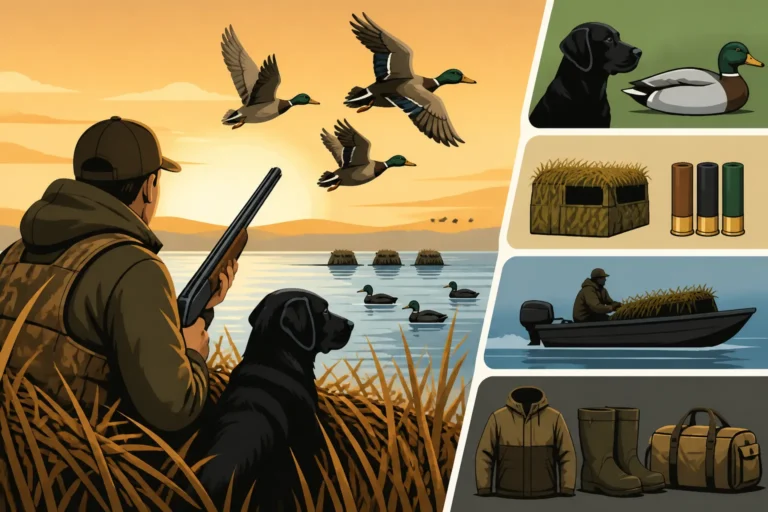
When you book a Missouri River duck hunt with a reputable outfitter, you can generally expect a comprehensive package that covers most of your needs. This typically includes a seasoned guide with intimate knowledge of the river's hotspots and bird behavior. They'll provide specialized boats suitable for river conditions, decoys, and blinds. Depending on the outfitter, this could range from comfortable pit blinds dug into riverbanks to mobile boat blinds that allow for flexibility in pursuit of birds. Many guides also provide dog work, employing well-trained retrievers to fetch downed birds from the often-swift currents.
Beyond the direct hunting setup, some outfitters offer additional amenities. This might include meals during your hunt, accommodations in a nearby lodge or bunkhouse, and even bird cleaning services at the end of the day. It's crucial to clarify what's included in your package before booking, as services can vary widely. Don't be shy about asking for a detailed breakdown. For a general overview, you might want to read What's Included in a Waterfowl Guide Day.
A Typical Day on the Missouri River
A guided Missouri River duck hunt usually starts well before dawn. You’ll meet your guide at a predetermined location, often a boat ramp or their lodge, for a quick briefing over coffee. From there, you'll head out to the chosen hunting spot, which could be a sandbar, a sheltered backwater slough, or a field near the river, depending on the birds' current patterns. The guide will have scouted these locations extensively in the days leading up to your hunt. Setting up decoys and blinds in the dark is part of the experience, ensuring you're ready when legal shooting light arrives.
Once set up, the waiting game begins, interspersed with periods of intense action as ducks buzz the decoys. Your guide will call the birds, advise on shooting lanes, and direct the retrieve. Mid-morning might bring a break for a warm drink or snack, especially if the weather is cold. Depending on bird activity and bag limits, the hunt might conclude by late morning or early afternoon. After the hunt, you’ll help pick up decoys, and then return to a processing area where birds are counted and cleaned. The communal experience of sharing stories and a meal with your guide and fellow hunters is often as memorable as the shooting itself.
| Aspect | Early Season (Sept – Early Oct) | Late Season (Late Oct – Season Close) |
|---|---|---|
| Weather | Generally mild, comfortable | Cold, potentially freezing, windy, snow |
| Bird Focus | Local birds, early migrants (teal, gadwall, wood ducks) | Peak migration (mallards, pintails, divers, Canada geese) |
| Habitat | More dispersed, smaller potholes, flooded fields, river | Concentrated on open river, large reservoirs |
| Clothing | Layered, waterproof, lighter insulation | Heavy duty insulated, waders, windproof, thermal layers |
| Pressure | Moderate, can be spread out | High, especially on weekends and public access spots |
| Challenges | Birds less predictable, more scattered | Extreme cold, ice, strong currents, wary birds |
| Rewards | Pleasant weather, diverse bag opportunities | High volume of birds, classic big-water hunting |
Choosing the Right Outfitter for Your Missouri River Hunt
Finding the perfect outfitter is paramount to a successful and enjoyable Missouri River duck hunt. With many guides operating in the region, knowing how to vet them, what questions to ask, and what red flags to watch for will protect your investment and ensure a high-quality experience.
Vetting Potential Guides and Outfitters
The best way to vet an outfitter is through reputation. Start by asking for references from past clients. A good outfitter will be happy to provide contact information for recent hunters who can share their experiences. Pay attention to not just the hunting success, but also the guide’s communication, professionalism, safety practices, and overall demeanor. Online reviews on platforms like BookYourHunt can also offer insights, but always cross-reference them with personal recommendations if possible. Look for consistency in positive feedback regarding their knowledge of the Missouri River and their ability to put clients on birds.
Additionally, check to see if the outfitter is properly licensed and insured to operate in North Dakota. This is a basic but critical step. You'll want to ensure they adhere to all state hunting regulations and safety protocols. Websites like GoHunt might list licensed outfitters or provide resources to help you confirm credentials. Don't underestimate the value of a solid conservation ethic; a guide who respects the resource and follows ethical hunting practices is always a better choice.
Key Questions to Ask Before Booking
Once you've narrowed down your choices, prepare a list of specific questions to ask each outfitter. This will help clarify expectations and ensure there are no surprises. Here are some essential queries:
- What is included in the price? (e.g., meals, lodging, bird cleaning, decoys, blinds, dog)
- What is the typical group size? (Some prefer smaller, more intimate hunts, others don't mind a larger group.)
- What kind of hunting will we be doing? (e.g., pit blinds, boat blinds, jump shooting, field hunting – this will dictate your gear and expectations.)
- What is your cancellation policy? (Especially important for weather-dependent hunts.)
- How far in advance do I need to book? (Popular dates, especially late season, can fill up quickly.)
- What personal gear do I need to bring? (Weapon, ammunition, licenses, appropriate clothing, waders.)
- What are your success rates, and how do you define success? (Be wary of guides guaranteeing limits; ethical hunting is about the experience.)
- Do you offer any guarantees or refunds if conditions are poor? (Rare, but worth asking.)
These questions, detailed in posts like Questions to Ask a North Dakota Outfitter, will help you gather a complete picture of what to expect and avoid any misunderstandings.
Red Flags to Watch For
While most outfitters are legitimate, it's wise to be aware of potential red flags. Be wary of guides who:
- Promise guaranteed limits or unrealistic success rates. No ethical guide can guarantee nature.
- Have poor communication or are difficult to get a hold of. This can indicate disorganization.
- Don't have a clear cancellation or refund policy.
- Can't provide references or are evasive about their licensing/insurance.
- Have consistently negative reviews regarding safety, professionalism, or ethics.
- Suggest bending or breaking hunting regulations. This is a serious red flag and should prompt you to walk away immediately.
- Demand full payment upfront without a clear contract or invoice.
Your intuition is a powerful tool. If something feels off, it probably is. Trust your gut and move on to another option.
Costs and Logistics of a Guided Missouri River Hunt
Understanding the financial commitment and logistical planning involved is crucial for any guided hunt. While specific figures will vary by outfitter and year, knowing the general range and what impacts cost will help you budget effectively.
What Impacts the Cost of a Guided Hunt
The cost of a guided Missouri River duck hunt can fluctuate based on several factors. First and foremost, the duration of the hunt plays a significant role; a single day hunt will naturally cost less than a multi-day package that includes lodging and multiple outings. Group size can also affect per-person pricing, with larger groups sometimes receiving a slight discount. Inclusions are another major factor—a hunt that provides meals, lodging, bird cleaning, and all equipment will be more expensive than a "guide-only" service where you bring most of your own gear and find your own accommodations.
The reputation and experience of the guide can also influence pricing. Highly sought-after guides with a proven track record of success and exceptional client experiences may command higher rates. Lastly, the time of season can sometimes impact cost. Prime migration windows, when bird numbers are at their highest, might see slightly elevated prices due to demand. It's best to discuss all these variables with the outfitter to understand the breakdown of their pricing structure.
Essential Licenses and Permits
Before you even think about booking, you’ll need to ensure you have all the necessary North Dakota hunting licenses and permits. For waterfowl, this typically includes a North Dakota hunting license, a small game license, a state duck stamp, and a federal duck stamp. Additionally, you'll need to be HIP (Harvest Information Program) certified. Non-residents have specific licensing requirements, which can be found by looking into North Dakota Nonresident License Options. Non-residents also need to be aware of North Dakota's New Nonresident Waterfowl Rule that dictates some zone restrictions and resident-priority days. It’s highly recommended to purchase these well in advance of your trip to avoid any last-minute stress or delays. Your guide might be able to offer advice on the specific licenses needed, but ultimately, it's your responsibility to be legal.
Travel and Accommodation Considerations
North Dakota is a vast state, and traveling to your Missouri River hunting destination will require some planning. Most hunters fly into major airports like Bismarck (BIS) or Fargo (FAR), then rent a car to drive to their outfitter’s location. The drive can range from a short hop to several hours, depending on where your outfitter is based along the river. Consider booking your flights and rental car well in advance, especially during peak hunting season, as demand can be high.
For accommodations, if your guided package doesn't include lodging, you'll need to scout out hotels, motels, or Airbnbs in nearby towns. Towns along the Missouri River, such as Bismarck, Mandan, and Washburn, offer various options. Look for places that are accustomed to hunters, often offering early breakfast times or freezer space for cleaned birds. Make sure to factor in travel time from your lodging to your meeting point with the guide each morning.
Making the Most of Your Guided Missouri River Hunt
A guided hunt is an investment, both in time and money. To truly maximize your experience on the Missouri River, a little extra preparation and a positive attitude can go a long way.
Physical and Mental Preparation
While duck hunting might not always be as physically demanding as an elk hunt, hunting the Missouri River, especially in late season, can be rigorous. You might need to walk through muddy fields, navigate uneven riverbanks, or handle cold, wet conditions for extended periods. Being in decent physical condition will make the experience much more enjoyable. Mentally, be prepared for unpredictable weather and the inherent challenges of hunting wild animals. Some days the birds will fly thick, others will be slow. Maintaining a positive attitude, even when the action isn't fast and furious, is key. Enjoy the camaraderie, the stunning North Dakota sunrises, and the sheer beauty of the Missouri River.
Pack for all possible weather conditions. North Dakota weather is notorious for changing rapidly. Layers are your best friend. Quality waterproof and windproof outerwear is non-negotiable, as are warm, waterproof boots or waders. Consider bringing hand warmers, a thermos of hot coffee, and plenty of snacks. For more on what to pack, you can look up articles like Packing for an Eight-Day North Dakota Elk Hunt, which, while for elk, offers good general cold-weather packing advice.
Etiquette and Communication with Your Guide
Effective communication with your guide starts long before the hunt. Be clear about your expectations, your skill level, and any physical limitations you might have. During the hunt, listen attentively to your guide's instructions. They are the experts on their specific stretch of river and know how to safely and effectively hunt it. Ask questions if you're unsure about anything, but always respect their authority in the field. They are working hard to put you on birds and ensure your safety.
Proper hunting etiquette is also important. Be mindful of shot zones, ensure your gun is safe, and only shoot at birds your guide calls. Remember that a guided hunt is a team effort. Finally, consider the tradition of tipping your guide. This is a common practice in the industry and a way to show appreciation for their hard work and dedication. A standard tip often ranges, but you can find more specific guidance by reading Tipping a North Dakota Hunting Guide.
Capturing Memories and Respecting the Harvest
The Missouri River offers incredible photo opportunities, from stunning sunrises over the water to magnificent ducks in hand. Bring a waterproof camera or ensure your phone is protected to capture these moments. However, always prioritize the hunt and safety over photos. Ask your guide for the best times and ways to snap a picture without disrupting the flow of the hunt or spooking incoming birds.
When it comes to the harvest, treat every bird with respect. Learn how to properly field dress and care for your birds to ensure the meat is of the highest quality. Your guide can often provide advice or assistance with this. If you plan to mount a bird, let your guide know early so they can help you select the best specimen and ensure it's handled carefully immediately after the shot. Remember, hunting is about more than just pulling the trigger; it's about connecting with nature and appreciating the game you pursue.
Disclaimer
This article is for general informational purposes only and does not constitute professional advice. Laws, prices and regulations vary by location and change over time. Consult a qualified professional for guidance on your specific situation.