Stalking Pronghorn on Open Grassland
Pronghorn stalking on North Dakota grasslands requires utilizing subtle terrain, wind direction, and animal senses for hunting success.
Close the distance.
Archery, muzzleloader, and firearm techniques — calling, stand placement, still-hunting, spot-and-stalk, and the weapon rules that change at the state line.
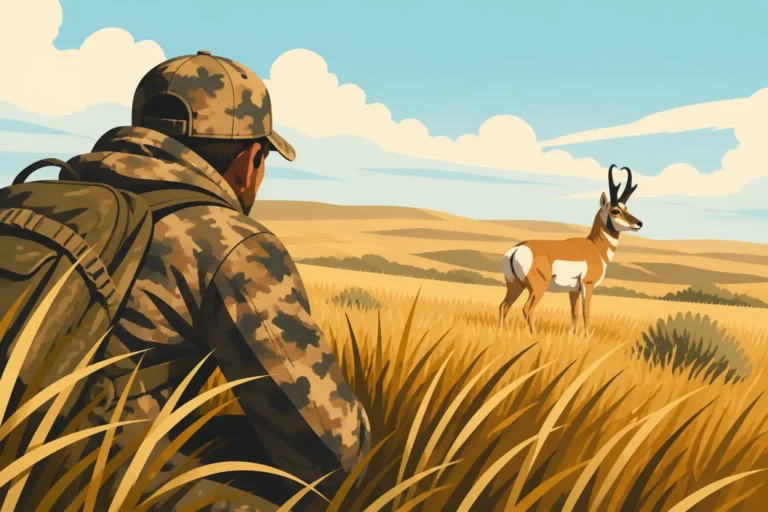
Pronghorn stalking on North Dakota grasslands requires utilizing subtle terrain, wind direction, and animal senses for hunting success.
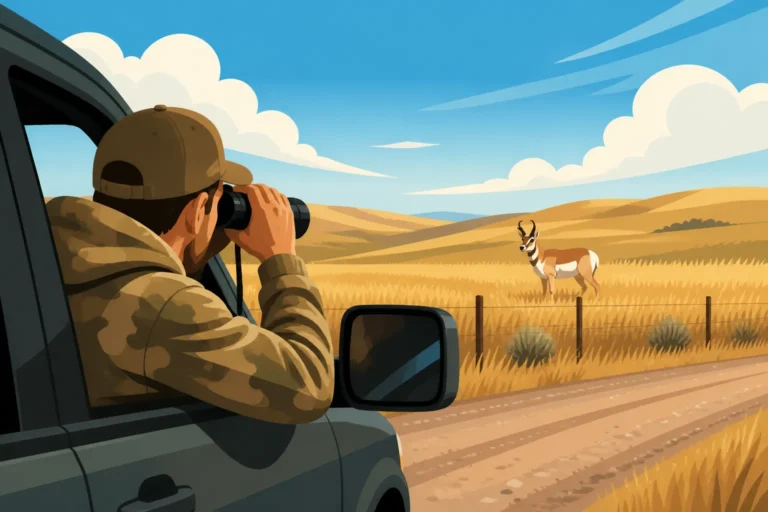
Roadside pronghorn scouting in western North Dakota counties helps hunters locate prairie game using daily habits and terrain knowledge.
North Dakota moose tags mean a once in a lifetime opportunity because hunters only get one single tag in their entire career.
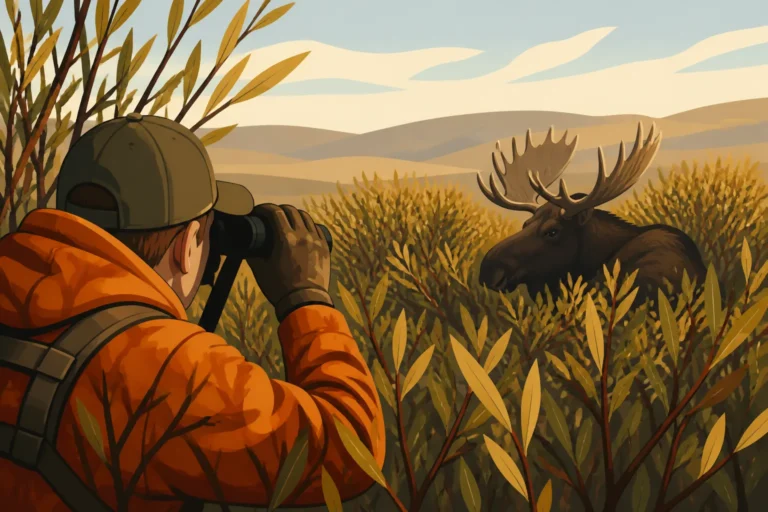
Spotting a bedded North Dakota moose in dense willow thickets requires understanding local habitat, feeding habits, and bedding patterns.

North Dakota once-in-a-lifetime elk tags mean permanent ineligibility for future draws, ensuring rare hunting opportunities.
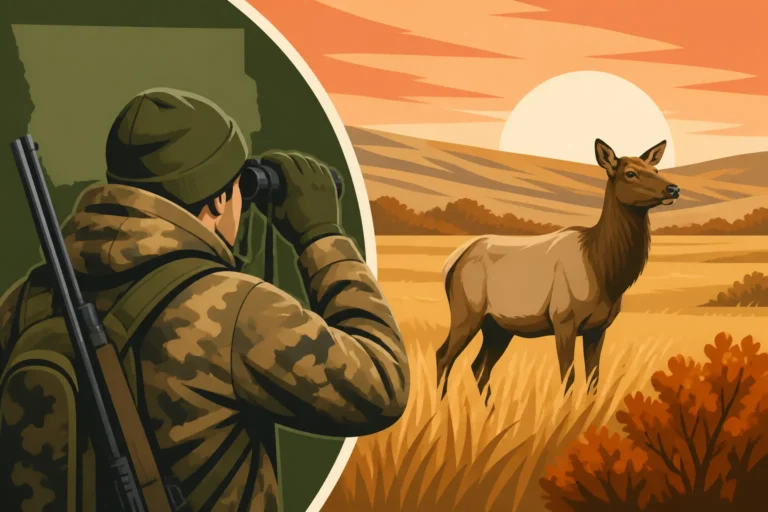
North Dakota late antlerless elk hunting strategies help hunters navigate winter weather and manage herd populations successfully.
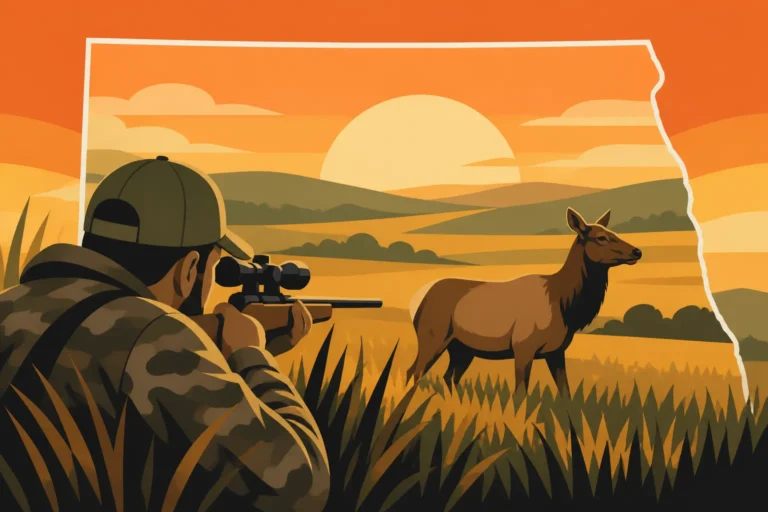
North Dakota early antlerless elk hunting rules, August and September dates, and Badlands summer feeding strategies for success.
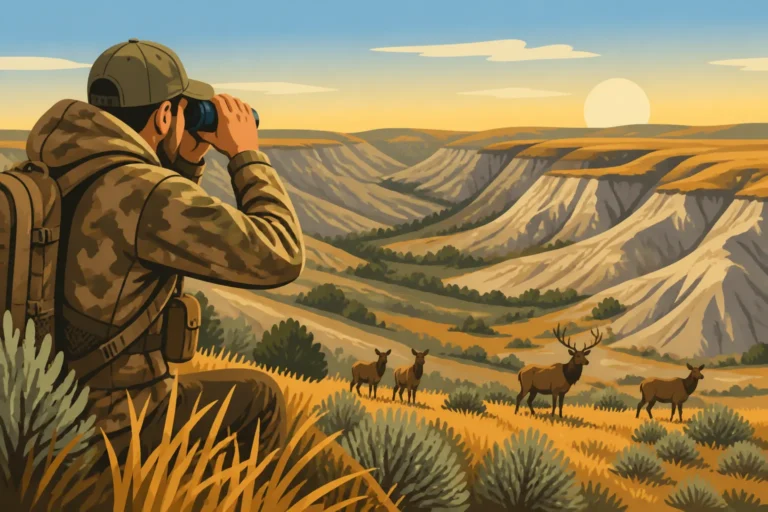
Precise glassing techniques for North Dakota Badlands coulees help elk hunters locate animals hiding in rugged terrain and cedar pockets.

Physical preparation for North Dakota Badlands elk terrain details fitness strategies for steep grades, loose scree, and elevation changes.
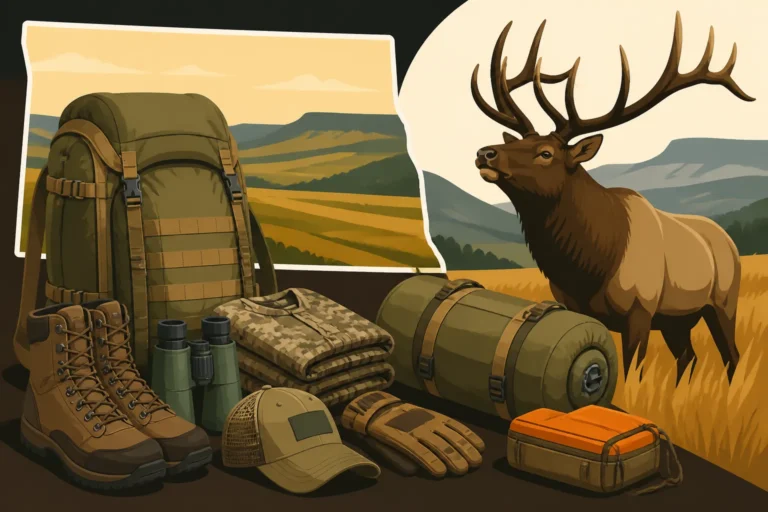
Packing strategies for an eight-day elk hunt in North Dakota cover 65 to 80 liter backpacks, navigation devices, and optics.