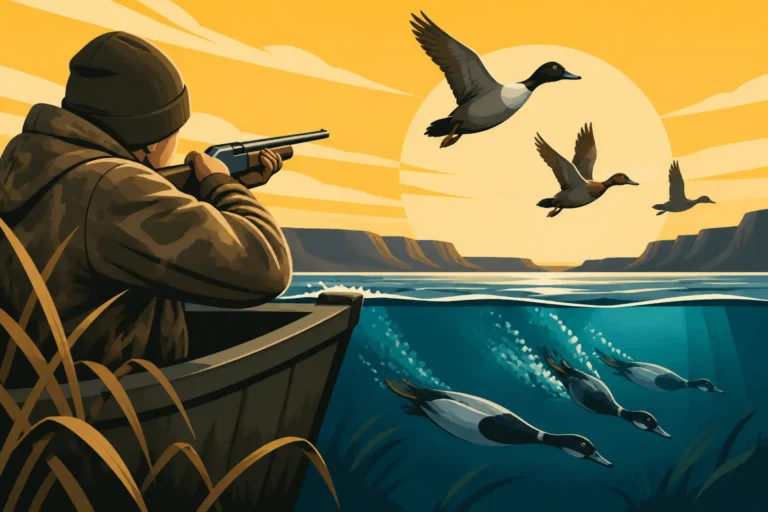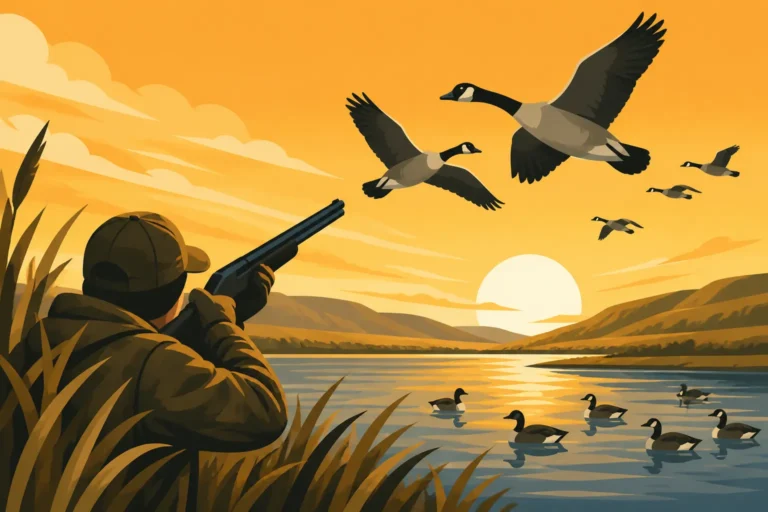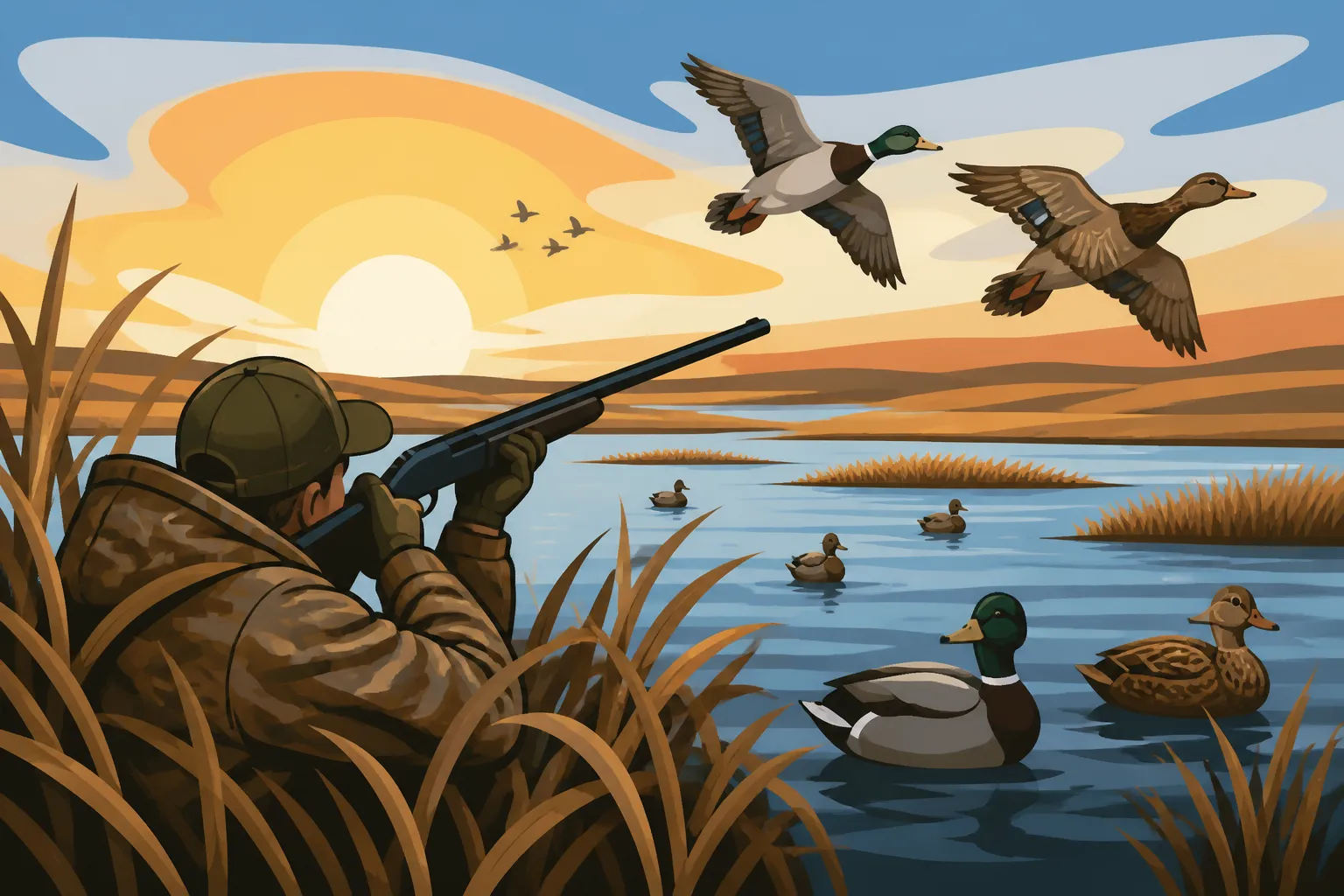
Duck and Goose Hunting North Dakota’s Potholes
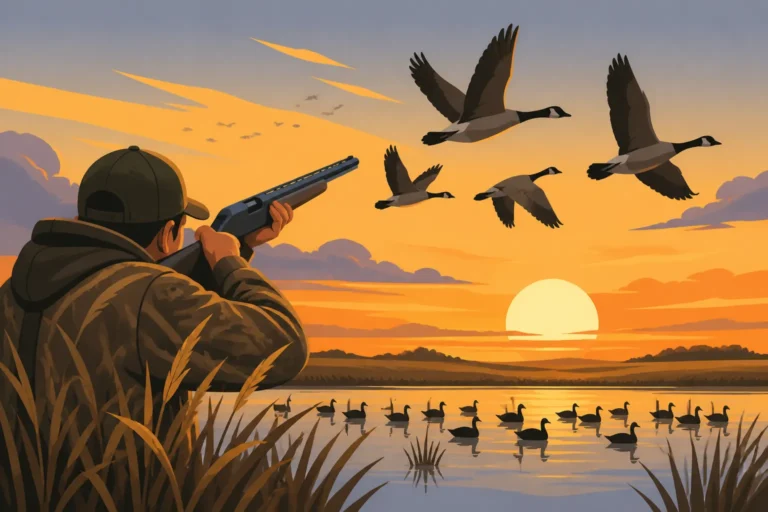
The crisp North Dakota mornings, often signaling the first hint of autumn, can be both exhilarating and utterly frustrating for waterfowl hunters. You've heard tales of skies black with ducks and geese, yet facing a barren spread or birds flaring at a thousand yards can leave you questioning everything. This guide is here to unravel the complexities of duck and goose hunting in North Dakota's legendary Prairie Pothole region, giving you the insights and strategies to confidently pursue these incredible migratory birds.
Understanding North Dakota's Prairie Pothole Region
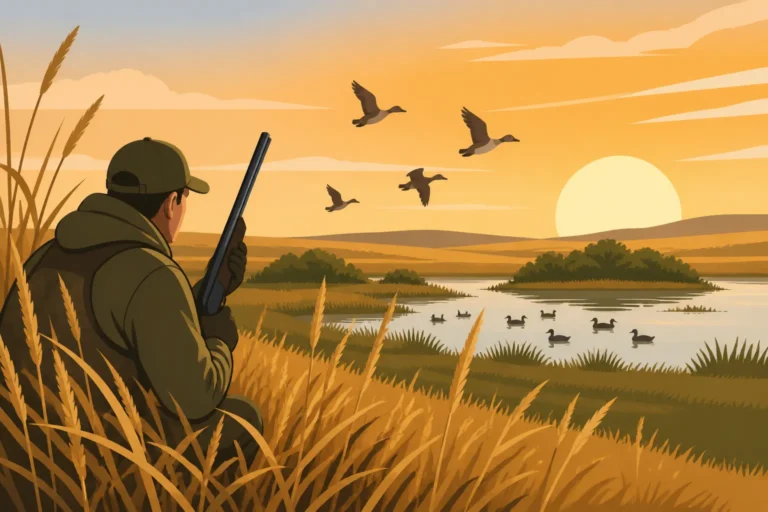
When people talk about waterfowl hunting in North Dakota, they're often talking about the Prairie Pothole Region. This isn't just a catchy name; it's an ecological marvel, a landscape scarred by ancient glaciers that left behind millions of shallow depressions. These "potholes" fill with water, creating an unparalleled breeding and staging ground for ducks and geese. Understanding this unique environment is the first step to unlocking its secrets.
The Unique Ecology of Potholes
Imagine a vast, flat to gently rolling landscape, dotted with countless small wetlands. That's the Prairie Pothole Region, often called "North America's duck factory." These potholes are incredibly productive, fueled by seasonal snowmelt and rainfall, supporting an explosion of aquatic invertebrates and vegetation. This rich buffet provides crucial nutrition for ducks and geese, particularly during the breeding season and their arduous migrations. The sheer density of these wetlands means birds have an abundance of options, making them less predictable but offering endless opportunities if you know where to look.
What often surprises new hunters is how varied these potholes can be. Some are ephemeral, drying up by late summer, while others are semi-permanent, holding water year-round. This dynamic nature means that the "best" spots can change dramatically from one year to the next, or even week to week, depending on precipitation and agricultural cycles. Hunters who succeed here are those who pay close attention to water levels and crop rotations, understanding that the birds will go where the food and cover are most abundant. It’s a constant puzzle, but that’s part of the allure.
The surrounding agricultural fields — think wheat, barley, corn, and sunflower — are just as vital to the waterfowl equation as the potholes themselves. Geese, especially, will rely heavily on waste grain in harvested fields, flying out from larger bodies of water to feed before returning to roost. Ducks, too, will hit flooded stubble fields or feed on seeds in shallow edges. This interrelationship between wetlands and agriculture creates a dynamic ecosystem that draws in millions of birds, making North Dakota a premier destination for many species.
Migration Patterns and Peak Times
The timing of your hunt is absolutely critical in North Dakota, as the waterfowl migration is a constantly moving target. Early season, often beginning in early September, sees a lot of local birds, primarily early-hatching teal, wood ducks, and resident Canada geese. These hunts can be fast and furious, but they often require different tactics than later in the season. The local birds tend to be less wary and might be found in smaller, more isolated potholes.
As September rolls into October, the real magic begins. Northern birds start to arrive, pushed by cold fronts from Canada. This is when the diversity of species really ramps up, with more mallards, pintails, wigeon, gadwall, and a greater influx of Canada geese. The middle of October is often considered peak duck migration, with incredible numbers of birds passing through. However, this is also when hunting pressure can increase, so having your scouting dialed in becomes even more important.
Late season, typically from late October through November, is often dominated by mallards and Canada geese as smaller potholes freeze up, consolidating birds onto larger, deeper water bodies like Lake Sakakawea or Devils Lake. These hunts can be brutal cold but incredibly rewarding, offering opportunities for large flocks of hardy greenheads or big Canadas. Understanding these seasonal shifts in bird behavior and location is paramount. Tools like the GoHunt app can be incredibly helpful for tracking weather patterns and historical migration data, helping you plan your trip for optimal timing.
Key Waterfowl Species You'll Encounter
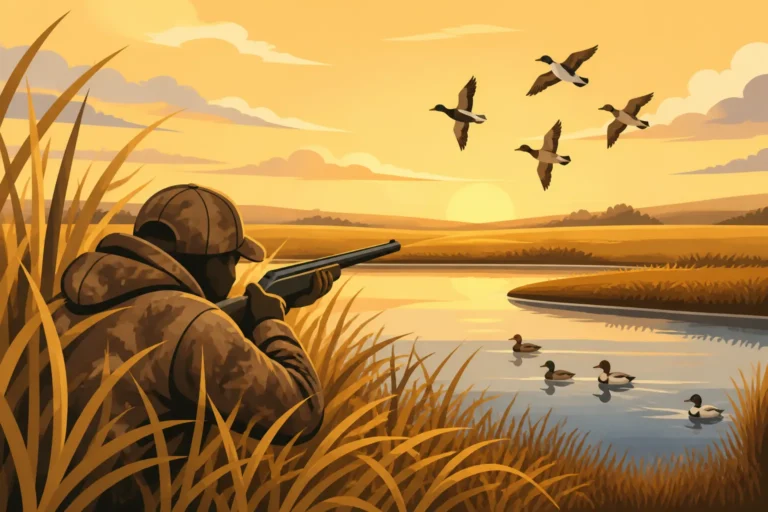
North Dakota is a mosaic of waterfowl species, each with its own characteristics and challenges. Understanding what you're likely to encounter can help you tailor your setup and calling strategy. Mallards are, of course, the king of the prairie potholes for many hunters. Their vibrant green heads and distinctive quacks are iconic, and they readily decoy if you play your cards right. You'll find them in almost any pothole or field throughout the season.
Beyond mallards, pintails are another highly sought-after duck, known for their elegant appearance and speedy flight. They tend to be a bit warier than mallards but will often commit to a well-placed spread. Wigeon, gadwall, and blue-winged and green-winged teal are also common, especially in the early to mid-season. Divers, like canvasbacks, redheads, and scaup, prefer deeper water, so you'll encounter them more on the larger sloughs and lakes, though some will briefly use deeper potholes.
For geese, Canada geese are omnipresent. From smaller "resident" honkers to the giant "giant Canadas" that migrate through, they are a staple of North Dakota waterfowling. They are incredibly smart birds and can be frustratingly difficult to decoy if your spread or hide is off. Snow geese and Ross's geese migrate through in immense numbers, particularly in the spring, but also offer incredible fall hunting opportunities, though they require a very specific, large-scale approach. White-fronted geese, or "specklebellies," are also present and are considered a prized bird by many for their unique call and delicious table fare.
Scouting for Success: Finding the Birds
You can have the best gear, the most expensive decoys, and a call that could win championships, but if you're not where the birds want to be, you're just practicing. Scouting is the absolute cornerstone of consistent success in North Dakota waterfowl hunting. It’s a commitment, but it’s what separates the consistently successful from those who just hope for the best.
Pre-Season Digital Reconnaissance
Before you even set foot in North Dakota, or even before the season opens, you can do a tremendous amount of valuable scouting from your computer. Start with aerial imagery from tools like Google Earth or dedicated hunting apps like GoHunt. Look for key features: water bodies of various sizes, particularly those adjacent to grain fields. Identify potential roosting areas (larger, deeper sloughs, lakes) and feeding areas (harvested crop fields, shallow sheet water). Pay attention to access points – section roads, public land boundaries, and potential areas to set up.
Don't forget to leverage online resources from the North Dakota Game and Fish Department (NDGFD). They often provide waterfowl migration updates, hunting reports, and crucial information on North Dakota's Prairie Pothole Region Explained. Check their website for current conditions, CWD updates, and any potential changes to regulations. Use digital maps to mark potential spots, noting distances from roads, power lines (which birds avoid), and any obvious human structures. This initial digital legwork helps you narrow down vast areas and create a scouting plan that maximizes your time once you're on the ground.
One crucial aspect of digital scouting is understanding land ownership. North Dakota has a mix of private, state, and federal lands. Identifying Public Land Open To Sportsmen (PLOTS) areas is vital, as these offer guaranteed public access. Use tools that overlay land ownership data to pinpoint these tracts. For private land, you'll need permission, which often starts with identifying landowners through plat maps and then a good old-fashioned knock on the door. It’s a lot of work, but knowing where you can legally hunt is non-negotiable.
Boots-on-the-Ground Field Scouting
Once you're in the region, your digital intel needs to be confirmed with physical scouting. This is where you put miles on your truck and your boots. Drive the backroads, especially in the late afternoon and evening, looking for birds. Pay attention to flight paths: where are they coming from, and where are they going? Are they heading to a specific field to feed, or moving between potholes? This "flight line" observation is critical for understanding daily patterns.
When you spot birds, don't rush in. Observe from a distance. Are they ducks or geese? How many? What are they doing? Are they feeding aggressively, or just loafing? If they're in a field, try to pinpoint the exact area they're utilizing. This might mean watching them for an hour or more until they leave, so you can then go examine the field for waste grain or other signs. Remember to be discreet; you don't want to spook birds that you plan to hunt the next morning.
Consider the wind. Waterfowl almost always land and take off into the wind. This is crucial for planning your setup. If you find a good feeding field, consider how the wind will affect where the birds approach and land. Ideal setups allow birds to finish into the wind directly in front of your blind. You also need to scout for cover. Is there a natural ditch, a clump of weeds, or a fenceline that can break up your silhouette? The best spot for birds might not be the best spot for hiding, so you’ll need to weigh these factors. Remember, the North Dakota landscape can be deceptively open.
Reading the Landscape and Bird Behavior
Successful waterfowl hunters are keen observers of bird behavior and the subtle cues the landscape provides. When scouting, look for "loafing" areas – these are typically larger, more secure bodies of water where birds rest and roost between feeding forays. These aren't always ideal hunting spots due to bird numbers and difficulty of setup, but they tell you where the birds are staging from. Then, find the "X" – the specific field or shallow pothole where they are actively feeding. That’s your target.
Observe bird temperament. Are they jumpy and flaring high, indicating heavy hunting pressure? Or are they relaxed, cupping their wings and dropping in with abandon? This can tell you a lot about how you’ll need to approach your setup and calling. Early in the season, birds might be more forgiving, but by mid-October, especially after a few cold fronts push new, wary birds down, they become much harder to fool. This is when attention to detail really pays off.
Don't overlook the impact of weather. A sharp cold front, especially one bringing snow, can dramatically alter bird behavior, pushing them to feed more aggressively before conditions worsen, or consolidating them on the few remaining open water bodies. A sudden change in wind direction can also shift flight patterns. Always check the forecast and adjust your scouting and hunting plans accordingly. What worked yesterday might not work today, and that's just the nature of hunting migratory birds.
Essential Gear for Pothole Waterfowling
Hunting North Dakota's potholes demands specific gear, tailored to the often-rugged conditions and the unique environment. Being prepared isn't just about comfort; it's about safety and effectiveness. Skimping on the right equipment can lead to a miserable or unsuccessful hunt.
Waders and Weather-Appropriate Clothing
Good waders are non-negotiable. You'll be wading through muddy edges, crossing shallow sloughs, and setting decoys in cold water. Chest waders, preferably insulated neoprene or breathable with good layering underneath, are essential. Make sure they fit well, allow for comfortable movement, and are free of leaks. There's nothing worse than starting a cold morning hunt with wet feet. Brands like LaCrosse and Avery offer durable options that stand up to the abuse of prairie hunting.
Layering is the name of the game for clothing. North Dakota weather can change rapidly, often swinging from mild mornings to frigid afternoons, or vice-versa. Start with a moisture-wicking base layer, add insulating layers (fleece or down), and top it off with a waterproof, windproof outer shell in an appropriate camouflage pattern (prairie camo for field hunting, marsh camo for wetlands). Don't forget a warm hat, waterproof gloves, and neck gaiter. The wind is often the biggest factor, and proper insulation will make a world of difference when you're sitting still for hours.
Having extra dry clothes in the truck is also a smart move. Accidents happen – waders leak, you trip, or you just get soaked retrieving birds. A complete change of warm, dry clothes can save the rest of your day, or even prevent hypothermia. Think about it: after a successful morning in the duck marsh, you want to be able to warm up, not shiver all the way home.
Shotguns and Ammunition Choices
For waterfowl, a reliable 12-gauge shotgun is the standard. Semi-automatics like the Browning A5, Winchester SX4, or Benelli Super Black Eagle are popular choices for their fast follow-up shots and ability to handle various loads. Pump-action shotguns, such as the Remington 870 or Mossberg 500, are also excellent, reliable workhorses. Whatever you choose, make sure you're comfortable and proficient with it. Practice mounting and swinging, especially with gloves on, before the season.
Ammunition choice is critical. Federal law mandates non-toxic shot for waterfowl hunting. Steel shot is the most common and affordable option, but it performs differently than lead. You'll generally need to go up one or two shot sizes with steel (e.g., #2 steel for ducks instead of #4 lead) to achieve similar knockdown power, and often with a larger pellet count. Bismuth and Tungsten Super Shot (TSS) are premium non-toxic alternatives that offer much denser patterns and more energy transfer than steel, performing closer to lead, but they come at a higher price point. Many hunters find #3 or #2 steel shot adequate for ducks, while BB or BBB steel is better for geese.
Always match your choke to your ammunition and the expected shooting distance. Improved cylinder or light modified chokes are good all-around choices for decoying birds at closer ranges, allowing for a wider pattern. For longer pass-shooting, a modified or full choke might be preferred, but be aware that steel shot patterns tighter than lead, so some might use an improved modified or even modified for longer shots with steel where they would use a full with lead. Experiment with different chokes and loads at the patterning board to see what performs best with your shotgun.
Retrievers and Their Importance
A well-trained retriever is arguably the most valuable piece of "gear" you can bring on a North Dakota waterfowl hunt. The sheer amount of water, thick cover, and often cold conditions make retrieving downed birds without a dog incredibly challenging, if not impossible. A good retriever saves countless birds from being lost, which is not only ethical but also ensures you recover your hard-earned harvest. Labs, Chessies, and Goldens are the classic choices for their innate retrieving abilities, loyalty, and tolerance to cold water.
Beyond just fetching, a retriever adds so much to the hunting experience. Their enthusiasm is infectious, and watching a skilled dog work is a joy in itself. However, a retriever needs to be under control. A dog that busts out of the blind early or whines constantly can ruin a hunt. Proper training, including obedience, steadiness, and hand signals, is paramount. Start early, reinforce consistently, and make sure your dog is conditioned for the cold and physical demands of a waterfowl hunt.
Remember to bring essential dog gear too: a kennel for transport, a dog stand or platform to keep them out of the icy water in the blind, plenty of fresh water and food, and possibly a dog vest for added warmth and protection in heavy cover or frigid water. Your dog works hard for you; make sure you take care of them. The investment in a good retriever and their training pays dividends for years to come.
Decoy Spreads and Calling Techniques
The art of decoying and calling is where the magic of waterfowl hunting truly lies. It's the conversation you have with the birds, trying to convince them that your spot is the safest, most appealing place to land. There’s no single "right" answer, as conditions and bird behavior constantly change, but there are fundamental principles that will greatly increase your success.
Duck Decoy Strategies for Different Situations
For ducks, particularly mallards, you'll generally want a spread that looks natural and inviting. A common setup is the "J" or "U" shape, with the open end of the J (the landing zone) downwind of your blind. Ducks prefer to land into the wind, so this configuration directs them right into your shooting zone. Mix in various species like mallards, pintails, and wigeon to add realism. Numbers can vary, but 1-2 dozen decoys are a good starting point for potholes, increasing for larger water.
Consider adding motion. A spinning-wing decoy (SWD), like a Mojo Duck, can be incredibly effective, especially on calm days, by mimicking the flash of wings from landing ducks. Just be aware that some birds, particularly highly pressured ones, can become "spinner shy," so be ready to pull it if birds are flaring. A jerk cord system that creates ripples and movement in your spread is another excellent, subtle way to add realism without the potential downside of an SWD. Ducks are attracted to movement on the water.
In shallow, flooded fields, consider puddle duck decoys that sit low in the water or even full-body field decoys if the water is very shallow. For deeper potholes or sloughs, divers will respond to larger, more visible spreads of canvasbacks and redheads set off the edge of the puddle duck spread. Always try to make your spread look like contented, feeding birds, not a static group. A GoHunt subscription can offer valuable insights into local preferences and decoy trends from other successful hunters.
Goose Decoy Rigs and Numbers
Goose hunting, especially for Canada geese, often demands more decoys than duck hunting. Geese feel safety in numbers. For Canada geese, a spread of 3-5 dozen full-body decoys is a good starting point, often increasing to hundreds for snow geese. Full-body decoys offer the most realism and visibility, especially in open fields. Shells and silhouettes can supplement full-bodies, increasing your numbers without breaking the bank.
The key to a good goose spread is realism and motion. Set your decoys in family groups or small feeding clusters, leaving a large, clear landing zone (again, downwind of your blind). Canada geese are very sensitive to unnatural patterns. Avoid straight lines or perfectly symmetrical setups. Use feeder decoys, sentry decoys, and resting decoys to mimic a relaxed flock. Motion comes from wind socks or flags, particularly for snow geese, which are incredibly responsive to movement.
For field hunting, consider using "sleeper" shell decoys or even a few full-bodies laid on their sides to represent resting birds. This adds to the illusion of a comfortable, undisturbed feeding area. If hunting over water, floaters are necessary, but remember that geese will often land in the shallowest parts of a pothole or on the very edge, so place some decoys accordingly. For white-fronted geese, you don't necessarily need as many decoys as Canadas, but realism and good hiding are still paramount.
Mastering Waterfowl Calls
Calling is an art form that takes practice and observation. For ducks, a good mallard call is indispensable. Start with basic greetings (hail calls), feeding chuckles, and comeback calls. Learn to "quack" naturally and not just blow air through the call. Listen to real ducks; their calling is often much subtler than what you hear on competition stages. A soft contented "quack-quack-quack" can be more effective than a loud, aggressive hail call when birds are close.
For geese, a Canada goose call is essential. Learn the basic honks, clucks, and moans. Again, listen to live geese. The "cluck" is often the most important sound, mimicking feeding and contentment. A soft cluck from a flock leader, followed by a chorus of clucks from the rest of the flock, is incredibly convincing. Snow goose calls are different, often a high-pitched "kekk-kekk" sound, and require a different technique, often involving multiple callers for a realistic effect.
Confidence calling is key. Don't overcall. If birds are locked up and coming, get quiet or just offer soft, reassuring clucks or quacks. If they start to drift or ignore you, then pick up the volume and try to get their attention. Pay attention to how the birds react to your calling and adjust accordingly. Different birds will respond differently on different days, so flexibility and a good ear are your best assets. Remember, less can often be more when it comes to calling, especially once birds are close.
Blind Setups and Concealment Strategies
The best decoys and calls in the world won't matter if the birds see you. Concealment is paramount in North Dakota's often-open prairie environment. Waterfowl have incredible eyesight, and they've evolved to spot anything out of place. Your blind setup and how well you hide are often the make-or-break factors of a successful hunt.
Layout Blinds and Field Edges
For hunting harvested crop fields, layout blinds are the ultimate concealment tool. These low-profile blinds allow you to lie flat, essentially disappearing into the stubble. Brands like Avery, Final Approach, and Alps OutdoorZ make excellent layout blinds that are comfortable and easy to brush in. When setting up, position your layout blinds downwind of your decoy spread, facing the landing zone. This allows you to sit up and shoot into the birds as they finish their approach.
Brushing in your layout blind is not optional; it’s absolutely critical. Use natural vegetation from the field itself—stubble, weeds, cornstalks—to cover every inch of your blind. Break up the hard edges of the blind by piling vegetation around it. Don't be shy; over-brushing is always better than under-brushing. Think about the sun angle throughout the morning; shadows can reveal you, so consider how they will play into your concealment.
Hunting field edges can be incredibly productive, particularly for geese flying out to feed. Look for a natural break in the landscape, like a fenceline, a drainage ditch, or even a slight rise in topography that can help hide your blinds. Entry routes are also important; approach your setup in the dark and avoid walking through the intended landing zone. The less disturbance, the better.
Natural Cover and Portable Blinds
Sometimes, the best hiding spot isn't a purpose-built blind, but existing natural cover. A thick cattail stand in a pothole, a dense willow patch along a slough edge, or even a small clump of brush can provide excellent concealment. The key is to melt into the cover, breaking up your outline and ensuring you don't create any unnatural shapes. If you're using natural cover, make sure you have enough room to swing your shotgun safely and comfortably.
Portable blinds, like pop-up panel blinds or A-frame blinds, are versatile options when natural cover is sparse but you still need to stand or sit upright. These blinds are fantastic for Hunting a Prairie Pothole Slough Edge or larger water bodies. They offer more comfort and space than a layout blind but require diligent brushing in. Use the same principles as with layout blinds: use local vegetation to make the blind disappear into the surroundings. Don't forget to cover the top, as overhead vision is crucial for approaching waterfowl.
Consider the background behind your blind. A dark blind against a bright sky will silhouette you instantly. Try to position your blind against a darker backdrop, like a treeline, a taller cattail stand, or even a dirt bank, to help you blend in. A good rule of thumb is to look at your setup from a bird's eye view. If it looks unnatural to you, it will definitely look unnatural to an incoming duck or goose.
Concealing Your Spread from Wary Birds
Beyond hiding yourself, think about concealing elements of your spread. Don't leave shiny gear exposed. Make sure your decoy bags are tucked away. Even the glint of a metal call or a thermos can flare birds. Your dog, if you have one, also needs to be well-hidden and steady. A dog standing on top of the blind is a surefire way to educate incoming birds.
When setting up on sunny days, pay attention to glare from your decoys. Some older decoys can be shiny, or even new ones might catch the sun just wrong. Consider dulling them down or repositioning them if glare becomes an issue. The less unnatural reflection, the better. This level of detail might seem excessive, but it's often the small things that make the biggest difference, especially when hunting pressured birds later in the season.
Finally, movement management within the blind is crucial. Only move when birds are committed and have their attention fixed on the decoys, or when their heads are turned away. A sudden movement or the flash of a face can send a flock spiraling away. Wear face paint or a face mask to eliminate skin glare. Coordinate with your hunting partners so everyone knows when it’s time to shoot. A well-executed shot comes from a well-concealed and disciplined hunting party.
Navigating Licenses and Regulations
The North Dakota Game and Fish Department (NDGFD) works hard to manage the state's incredible waterfowl resources, and understanding their rules is essential for a legal and ethical hunt. Regulations can be complex, especially for nonresidents, so take the time to study them thoroughly before you arrive.
Understanding North Dakota Waterfowl Licenses
To hunt waterfowl in North Dakota, you'll need several key licenses. First, all hunters (resident and nonresident) need a basic hunting license, often referred to as the North Dakota General Game and Habitat License Cost. Nonresidents will also need a separate nonresident small game license, which covers waterfowl. Beyond these state licenses, you'll need federal requirements: a Federal Migratory Bird Hunting and Conservation Stamp (Federal Duck Stamp) and proof of Harvest Information Program (HIP) certification.
North Dakota has specific regulations regarding nonresident waterfowl hunting. Notably, nonresidents face a zone-restricted waterfowl license. This means you must declare which waterfowl zone you plan to hunt in, and you are limited to hunting only within that zone for the season. This rule was put in place to help distribute nonresident hunting pressure. It's crucial to understand North Dakota's New Nonresident Waterfowl Rule before purchasing your license, as changing zones mid-season is not an option.
Furthermore, there are North Dakota's Nine Resident-Priority Waterfowl Days. During the first nine days of the waterfowl season, nonresidents are restricted from hunting on any state-owned or state-managed land, including PLOTS, Waterfowl Production Areas (WPAs), and State Wildlife Management Areas (WMAs). This is a significant consideration for nonresidents planning an early-season hunt, as it limits public land access. Always check the current year's proclamation for exact dates and details, as these regulations can sometimes change. You can usually find a detailed North Dakota Nonresident Waterfowl Zone Map on the NDGFD website.
Bag Limits and Shooting Hours
North Dakota has specific daily bag limits and possession limits for various waterfowl species, which are designed to manage populations sustainably. For ducks, the daily bag limit is typically six, but there are species-specific restrictions within that limit (e.g., no more than four mallards, with only two being hens; no more than three wood ducks; no more than two redheads, etc.). Goose limits also vary by species: for Canada geese, it might be eight per day, while for light geese (snow/Ross's), it can be up to 50 per day during certain seasons. Always consult the current year's North Dakota Game and Fish Department hunting guide for precise and up-to-date bag limits.
Shooting hours for waterfowl are generally from one-half hour before sunrise to sunset. However, these times are based on local sunrise and sunset, which change daily and vary across the state. Many hunters use hunting apps or online tables to get the exact legal shooting times for their specific location. It's critical to be out of the blind and packed up by sunset, and never shoot before legal shooting time, as violating these rules can lead to serious penalties.
It's also important to remember possession limits, which typically mean you can have two or three times the daily bag limit in your possession after the first day of hunting. This applies to birds kept at your camp, home, or in transit. Once you've reached your possession limit, you cannot hunt until you've consumed or processed some of your birds. Keep meticulous records and wing-tag your birds if required, especially if you’re crossing state lines.
Zone Restrictions and Resident-Priority Days
The nonresident waterfowl zone restrictions are a critical component of North Dakota’s waterfowl management strategy. If you’re a nonresident hunter, you must choose one of the zones—Zone 1 or Zone 2—and hunt exclusively within that zone for the entire season. This means if you’ve chosen Zone 1, you cannot cross into Zone 2 to hunt waterfowl, even if the birds are seemingly better there. This emphasizes the importance of your pre-season scouting and planning to decide which zone best suits your hunting style and target species.
The nine resident-priority days early in the season can also be a significant challenge for nonresident hunters, especially those who prefer public land access. During this period, nonresidents are limited to hunting on private land where they have secured permission. This policy aims to provide North Dakota residents with an opportunity to enjoy the opening of the waterfowl season with reduced competition on public lands. If you plan to hunt during these first nine days as a nonresident, securing private land permission in advance is absolutely essential. Many nonresidents simply plan their trips to begin after this restriction lifts, ensuring full access to all legal hunting areas.
Finally, be aware of specific regulations that might apply to particular public land areas. For instance, some Waterfowl Production Areas might have additional restrictions on vehicle access, blind construction, or retriever use. Always check the signage at the entrance to public areas, and when in doubt, consult the NDGFD website or contact a local game warden. Ignorance of the law is not an excuse, and game wardens in North Dakota are diligent in enforcing waterfowl regulations.
Ethical Hunting and Conservation in the Potholes
Hunting is not just a pursuit; it's a privilege, and with that comes a profound responsibility to hunt ethically and contribute to conservation. In North Dakota, where migratory birds are a shared resource, this responsibility is amplified. Your actions in the field impact not only your hunt but also the future of waterfowling for everyone.
Respecting Private Land and PLOTS
North Dakota is predominantly private land, and respecting landowner rights is paramount. If you plan to hunt private land, securing explicit permission before you step foot on it is non-negotiable. Don't assume anything. Even if land isn't posted, it's still private. A simple knock on the door, a polite conversation, and a promise to be respectful can often open doors to incredible hunting opportunities. Always carry your written permission with you if a landowner provides it.
The PLOTS (Private Land Open To Sportsmen) program is a fantastic initiative by the NDGFD, offering public hunting access on private land. However, even on PLOTS land, certain rules apply. Always read the PLOTS signs carefully. Some may specify walk-in access only, while others might allow vehicle use on designated trails. Respect the designated boundaries and conditions. Remember that PLOTS land is often still managed by a private landowner who has generously enrolled their property for public access; treat it with the utmost respect. For more information, you can always check out The PLOTS Program Explained.
Always pack out what you pack in. Leave no trash, spent shells, or anything else behind. Close gates you opened, and don't damage fences or crops. A good impression from one hunter can mean continued access for others, while a bad impression can lead to private land being closed off entirely. Show courtesy to other hunters, too. If someone is already set up in a spot, find another. North Dakota has a lot of ground, and there's usually room for everyone.
Responsible Shot Placement and Retrieval
Ethical hunting dictates that we strive for clean, humane kills and recover every bird we shoot. This comes down to responsible shot placement and having the tools for effective retrieval. Practice shooting before the season to ensure you're proficient with your shotgun and chosen ammunition. Know your effective range; for most hunters with steel shot, this means birds within 40 yards. Don't takeHail Mary shots at birds outside your comfort zone, as this often leads to wounded birds that escape and are never recovered.
Aim for the head and neck if possible, or the body of the bird where the vital organs are located. This maximizes the chances of a quick, clean kill. Once a bird is down, watch it carefully to mark its fall. Look for landmarks like a specific bush, a fence post, or a change in terrain. Even if you have a retriever, knowing the general area helps immensely. A good retriever will do the rest, but you're their partner in recovery.
A well-trained retriever, as mentioned earlier, is a conservation tool. They significantly reduce crippling losses, ensuring that nearly every bird you harvest makes it into your bag. If you don't have a dog, consider hunting with a partner who does, or be prepared to wade into cold water and heavy cover yourself. Losing birds is not only wasteful but unethical. Make every effort to recover every single bird you knock down.
Contributing to Waterfowl Conservation
Every waterfowl hunter directly contributes to conservation through the purchase of licenses and duck stamps. The funds generated from these sales go directly to habitat conservation and management efforts across North America. But your contribution can extend beyond just buying licenses. Consider joining conservation organizations like Ducks Unlimited or Delta Waterfowl, both of which have a strong presence and impact in North Dakota and the Prairie Pothole Region.
These organizations work tirelessly to restore and enhance wetland habitats, advocate for hunter's rights, and conduct vital research into waterfowl populations. Volunteering your time, even for a few hours, or making additional donations can significantly amplify your impact. Conservation is an ongoing effort, and hunters are, and always have been, its most important advocates.
Educate yourself and others about the importance of wetland conservation. The future of waterfowl hunting relies on healthy habitats, and the Prairie Pothole Region is ground zero for many species. By being an ethical hunter, respecting the land, making clean kills, and contributing to conservation efforts, you ensure that the tradition of waterfowl hunting in North Dakota can continue for generations to come.
Post-Hunt Considerations and Meat Care
The hunt doesn't end when the shooting stops. Proper post-hunt procedures are essential for honoring your harvest, ensuring delicious meals, and complying with regulations. From field dressing to storage, how you handle your birds makes all the difference.
Field Dressing and Transporting Birds
Once you've retrieved your birds, the first step is often to field dress them. This usually involves removing the entrails to help cool the bird down, especially in warmer weather. This prevents spoilage and improves the flavor of the meat. Some hunters also remove the head and feet, leaving just a wing attached for species identification during transport, as required by some state or federal laws. Always check current regulations regarding how much of the bird must be intact for identification.
When transporting waterfowl, especially across state lines, specific regulations apply. You'll need to leave at least one fully feathered wing attached to each migratory bird until it reaches its final destination at your home or a processing facility. This allows game wardens to identify the species and sex if needed. Birds should be stored in a cooler with ice, or in cool temperatures, to prevent spoilage. Never just toss them in the back of a warm truck bed, particularly on a sunny day.
If you're hunting in a Chronic Wasting Disease (CWD) unit, while CWD is primarily a concern for deer and elk, it's a good habit to be aware of any specific directives from the NDGFD, even if they don't directly apply to waterfowl. Staying informed about all wildlife health concerns in the region is just good practice.
Cleaning and Storing Your Harvest
Cleaning your ducks and geese can be done in several ways. Breast removal is common for ducks, yielding two nice fillets per bird. For geese, many hunters opt to pluck them entirely, as goose legs and thighs offer a good amount of dark, rich meat. Whatever method you choose, ensure you have a clean workspace, sharp knives, and plenty of water. Many outfitters or hunting lodges, especially those catering to pheasant hunters, might offer bird cleaning services as part of their package, but for ducks and geese, it’s usually a DIY affair.
After cleaning, the meat should be rinsed thoroughly, patted dry, and then packaged for storage. Vacuum sealing is the best option for long-term freezer storage, as it prevents freezer burn and keeps the meat fresh for months. Label each package with the date and species. Properly cared-for waterfowl meat is absolutely delicious and versatile, perfect for roasting, grilling, or slow-cooking.
Don't let any part of your harvest go to waste. If you don't plan to eat all the meat yourself, consider donating it to local programs or sharing it with friends and family. Many communities have wild game donation programs that accept venison and other game, providing healthy protein to those in need. It's another way to honor the animal and contribute positively to your community.
Celebrating the Hunt
Beyond the meat in the freezer, a successful hunt in North Dakota's potholes offers memories that last a lifetime. Take time to celebrate the experience – the camaraderie with hunting partners, the beauty of the prairie landscape, the thrill of decoying birds, and the satisfaction of a hard-earned harvest. Share your stories, photos, and recipes. These moments are what truly make waterfowl hunting special.
Perhaps you'll share a special meal of roast goose with family, recounting the crisp morning air and the sound of wings overhead. Or maybe you'll gather with your hunting crew, planning next year's trip and poring over maps, anticipating another chance to experience the magic of Duck and Goose Hunting North Dakota's Potholes. The journey itself, the effort, the learning, and the challenges faced and overcome, are as much a part of the reward as the birds you bring home.
Whether you're a seasoned veteran or new to North Dakota waterfowling, every hunt is a chance to learn, adapt, and deepen your connection to the land and its wildlife. Keep notes on what worked and what didn't. Experiment with new tactics. And always remember the profound privilege it is to participate in this timeless tradition in such an incredible place.
Disclaimer
Please note: Hunting regulations and seasons can change frequently. Always consult the most current North Dakota Game and Fish Department (NDGFD) regulations and proclamations before planning and engaging in any hunting activities. This guide is for informational purposes only and should not be considered legal advice.