Morton County Public Hunting Access
Trying to find dependable public hunting access in North Dakota, especially near a growing area like Bismarck, can sometimes feel like an uphill battle. You’ve driven for hours, scouted satellite maps until your eyes hurt, and still feel unsure if you'll actually find a decent spot that isn't already crawling with other hunters. This guide is here to cut through that frustration, focusing specifically on Morton County, offering a deep dive into where to find public land and how to make the most of your hunting opportunities in this diverse region.
Understanding Morton County's Public Hunting Landscape
Morton County, situated right on the doorstep of Bismarck, presents a unique blend of hunting opportunities, but navigating its public access can be tricky if you don't know where to look. While it's not known for vast swaths of national forest, what it offers is a patchwork quilt of managed lands and private land enrollment programs that, when understood, can yield fantastic hunting experiences. The county is characterized by rolling plains, fertile agricultural fields, and significant river breaks along the Missouri River, providing a diverse habitat that supports a variety of game species, from whitetail deer and pheasants to waterfowl and various predators.
The challenge often lies in the fragmented nature of these public lands. Unlike areas further west with large national grasslands, Morton County's public hunting opportunities are often smaller, more spread out, and require a bit more legwork and digital mapping savvy to pinpoint. Hunters frequently feel overwhelmed by the sheer amount of private land, making those crucial public access points feel like hidden gems. This creates a need for diligent scouting and a good understanding of the different types of public land designations available. Understanding the lay of the land, both in terms of geography and ownership, is the first critical step to a successful hunt here.
Morton County's proximity to a major population center also means it can see higher hunting pressure, especially during opening weekends and popular seasons. However, this doesn't mean it's impossible to find quality hunting. It simply means adapting your strategy, perhaps hunting mid-week, focusing on less accessible parcels, or walking further than others are willing to go. The key is knowing what to look for and how to leverage the available resources. This region truly demands a hunter who is willing to put in the effort, but the rewards can be well worth it, especially if you're targeting the healthy populations of white-tailed deer or the plentiful pheasants that call this area home.
Key Public Land Programs in Morton County
North Dakota’s public hunting access largely relies on a few core programs, and Morton County benefits from each of them, albeit in varying degrees. Knowing what these programs are and how to identify them on a map is fundamental to unlocking hunting opportunities in this area.
PLOTS: Private Land Open To Sportsmen
The PLOTS program, or Private Land Open To Sportsmen, is perhaps the most widespread and critical source of public hunting access in Morton County, as it is across much of North Dakota's agricultural landscape. These are private lands where landowners have voluntarily enrolled their property into an agreement with the North Dakota Game and Fish Department, opening it up for public hunting access. You'll recognize PLOTS land by the yellow triangular signs posted along boundaries, clearly indicating "Walk-In Hunting Access."
The beauty of PLOTS land is its dynamic nature. These tracts often consist of prime habitat, like dense cattail sloughs, CRP grasslands, unharvested food plots, or timbered creek bottoms that would otherwise be inaccessible. However, it's a program that changes annually, with new lands enrolled and others withdrawn, which means that the exact locations of PLOTS tracts can shift from year to year. Hunters need to stay updated by checking the latest PLOTS guide or using a mapping application like onX Hunt, which regularly updates its landownership layers to show current PLOTS boundaries. For more detail, you can learn about The PLOTS Program Explained. Finding these productive pockets, often interspersed within large blocks of private land, can be a game-changer for deer, pheasant, and even waterfowl hunting. Don't be surprised to find excellent pheasant cover adjacent to standing corn, or thick brush perfect for whitetail bedding.
Wildlife Management Areas (WMAs)
Morton County also contains several Wildlife Management Areas (WMAs), which are lands owned and managed by the North Dakota Game and Fish Department specifically for wildlife habitat and public recreation, including hunting. These areas are typically larger and more permanent than PLOTS tracts, offering consistent access year after year. WMAs in Morton County might be found along the Missouri River breaks, offering prime whitetail and even turkey habitat, or in wetland-rich areas providing excellent waterfowl opportunities.
WMAs often feature diverse habitats, from mature timber and brushy draws to native prairie and cultivated food plots. They are generally well-marked with official WMA signs. Because they are managed for wildlife, these areas can be incredibly productive, but they can also attract significant hunting pressure due to their consistent availability. It’s crucial to scout these areas ahead of time, both physically and using digital maps, to identify less pressured spots, escape cover, and natural travel corridors. While they offer fantastic opportunities, successful hunting on WMAs often requires venturing deeper into the unit, away from easy road access points. Consider Hunting North Dakota's Missouri River Corridor for prime WMA locations near the river.
Waterfowl Production Areas (WPAs)
Scattered across Morton County, particularly in the eastern and central parts where wetland complexes are more prevalent, are Waterfowl Production Areas (WPAs). These lands are owned and managed by the U.S. Fish and Wildlife Service, primarily to provide breeding and nesting habitat for ducks, geese, and other wetland-dependent birds. While their primary focus is waterfowl, WPAs often hold significant populations of pheasants, sharptail grouse, and even whitetail deer, especially in the upland grass and brush surrounding the potholes.
WPAs are generally open to public hunting, and they are marked with brown U.S. Fish and Wildlife Service signs. Like WMAs, their boundaries are static, offering reliable, year-to-year access. Hunters often overlook WPAs for upland or deer hunting, making them potential hidden gems, particularly if you're willing to walk a bit. These areas can be especially productive for jump-shooting ducks or walking up pheasants in cattail edges. Be aware of federal regulations that might apply differently to WPAs compared to state-managed lands, such as restrictions on specific types of hunting or equipment. Always check the current regulations before heading out.
Strategies for Finding and Utilizing Public Access in Morton County
Finding the actual parcels of public hunting land in Morton County, and then successfully hunting them, requires a methodical approach. It’s not just about knowing that they exist, but where they are and how to effectively use them.
Leveraging Digital Mapping Tools
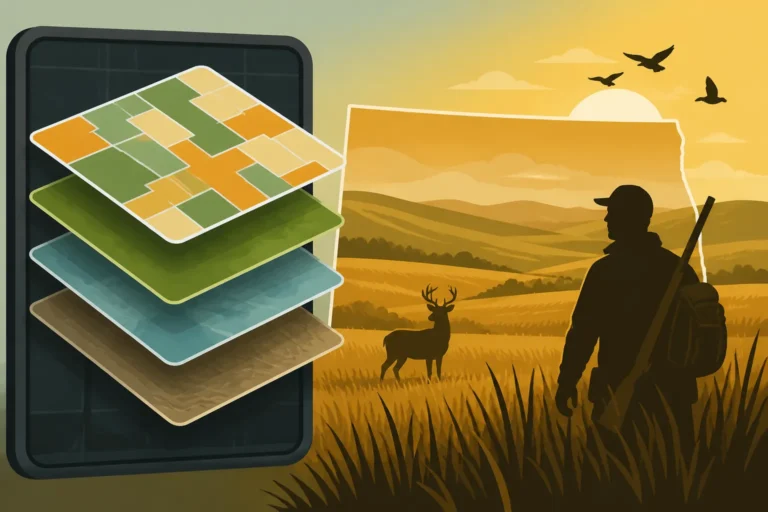
In today's hunting world, digital mapping applications are indispensable, and nowhere is this more true than in a patchwork county like Morton. Platforms like onX Hunt have revolutionized how hunters locate and navigate public and private land. These apps use GPS technology to display land ownership boundaries, PLOTS tracts, WMAs, WPAs, and other public lands directly on your smartphone or tablet. This allows you to identify public ground, scout remotely, and navigate confidently in the field, knowing exactly where you stand in relation to property lines.
Before you even leave home, spend time poring over these maps. Look for areas where public land abuts private land with prime habitat, or where a public parcel might be difficult for others to access, such as being surrounded by private property with limited road frontage. Many hunters only hunt what they can see from the road, so looking for those walk-in opportunities or tracts that require a longer hike can significantly increase your chances of finding unpressured game. You can also use features like aerial imagery to identify cover, water sources, and travel corridors, helping you plan your approach. GoHunt is another valuable resource, often providing detailed analysis and scouting tools that can help identify high-potential areas, though its focus can sometimes be on larger big-game hunts. For general access, though, onX Hunt is an invaluable tool for on-the-ground navigation. Consider learning more about Scouting PLOTS Land With the ND Hunt App.
Understanding Landowner Relations and Posted Land
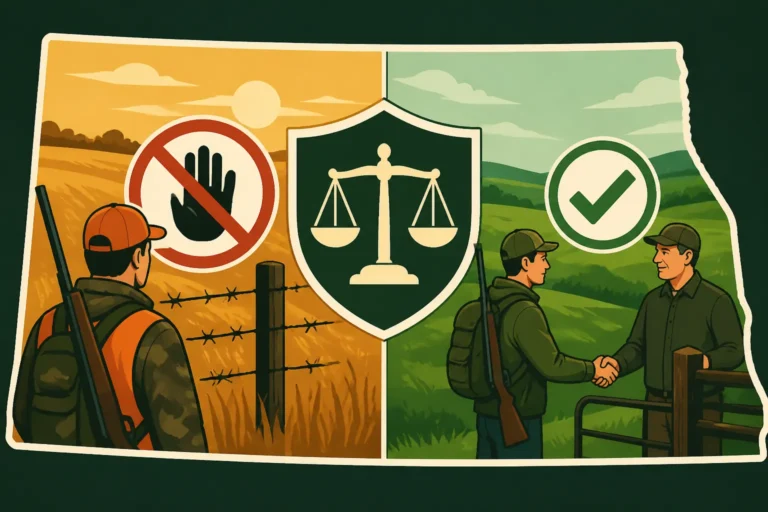
Even when hunting public land, being a good neighbor to adjacent private landowners is paramount in North Dakota. Morton County is primarily private land, and respecting those boundaries and the property rights of farmers and ranchers is not just good etiquette, it’s the law. Always be aware of signs indicating "Posted" land, and never cross them without explicit permission, even if you're just retrieving game. North Dakota has strict trespass laws, and ignorance is no excuse.
While this guide focuses on public access, don't be afraid to knock on doors if you identify a promising area on private land that borders public access. Sometimes, a friendly conversation with a landowner can open up opportunities you wouldn't otherwise have had. Even if they don't allow hunting, they might offer valuable insights into deer movement or where other hunters tend to congregate. A polite request, dressed appropriately, and offered with respect can sometimes turn a "no" into a "yes" for future seasons, or at least gain you some goodwill. Remember, many landowners are fed up with trespassers, so distinguishing yourself as a respectful, ethical hunter goes a long way.
Scouting and On-the-Ground Reconnaissance
Digital maps are powerful, but they are no substitute for boots on the ground. Once you've identified potential public hunting areas in Morton County, it's crucial to scout them in person, preferably before the season opens. Walk the boundaries, look for game trails, bedding areas, food sources, and water. Identify pinch points, funnels, and natural barriers that can influence how deer or pheasants move through the area. Pay attention to signs of other hunters, like old boot tracks, discarded shells, or tree stands, which can indicate higher pressure areas.
Scouting can reveal crucial details that satellite imagery can't, like the height of grass, the density of brush, or the presence of fresh rubs and scrapes. For waterfowl, scouting means identifying active feeding fields or secluded potholes not visible from the road. Even a short walk through a WMA or PLOTS tract can provide invaluable information. If you're targeting deer, consider setting up trail cameras in key areas to monitor activity. This hands-on approach allows you to tailor your hunting strategy to the specific conditions of the ground you plan to hunt, rather than relying solely on assumptions from a map. This physical preparation can also include familiarizing yourself with Wind and Thermals in Badlands Terrain if your Morton County hunt takes you close to the western river breaks.
Navigating Challenges and Maximizing Success in Morton County
Hunting in Morton County comes with its own set of challenges, particularly due to its location and land use. However, by understanding these hurdles, you can develop strategies to overcome them and enjoy a successful hunt.
Dealing with Hunting Pressure
As mentioned, Morton County's proximity to Bismarck means public hunting areas can experience significant pressure, especially during prime times. However, savvy hunters can still find success. The most effective strategy is often to hunt during off-peak hours or days. While everyone else is hitting the field at sunrise on opening weekend, consider a mid-week hunt, or focus your efforts during the midday lull when many hunters take a break. Game animals, particularly deer and pheasants, quickly learn to avoid areas with heavy human activity, often moving into thicker cover or holding tight until the pressure subsides.
Another tactic is to "go where others won't." Many hunters are unwilling to walk more than a quarter-mile from their vehicle. If you identify a PLOTS tract or WMA that requires a longer hike, or perhaps one that's tucked away with challenging access, you might find yourself in unpressured territory. This means being physically prepared and having the right gear for extended walks. Even seemingly small public parcels can hold game if they offer dense cover or are difficult for most hunters to reach. For a deeper look at this, check out Hunting Pressure on North Dakota Public Land.
Species-Specific Considerations
Morton County offers a variety of game, and tailoring your approach to each species will improve your odds.
- White-tailed Deer: Morton County has a healthy whitetail population, especially along the Missouri River bottomlands and in areas with agricultural fields interspersed with woody draws and dense cover. During the bow season, focusing on bedding areas and travel corridors between food and cover can be effective. Hunting a Shelterbelt Edge for Deer is a great strategy. For gun season, deer often become nocturnal under pressure, so early morning and late evening hunts near thick cover are crucial. Drives can also be effective in larger blocks of timber or cattails, especially with a small group of hunters. Look for natural funnels and pinch points.
- Pheasants: Pheasants thrive in Morton County, particularly in areas with good winter cover like cattail sloughs, dense grasslands, and unharvested food plots on PLOTS land or WMAs. A good strategy is to walk these areas slowly, working into the wind, and utilizing blockers if you're hunting with a group. Don't overlook smaller, brushy draws or fencerows that might connect larger fields; pheasants often use these as travel corridors and escape routes. Early season birds might be in thinner cover, but as the season progresses and pressure mounts, they'll seek out the thickest refuge available.
- Waterfowl: The county's western edge along the Missouri River offers significant waterfowl opportunities, as do smaller prairie potholes and larger reservoirs scattered throughout. Decoying ducks and geese in agricultural fields, or setting up on a slough edge, can be highly productive. Scouting active feeding fields is crucial for goose hunting, and having a good spread of decoys, along with proper concealment, will make a big difference. For detailed tactics, consider Decoying Divers on North Dakota's Lake Sakakawea for larger water, or Setting Decoys on a Prairie Dugout Pond for smaller ones.
- Predators: Coyotes are abundant across Morton County, especially in the more open agricultural areas and along river breaks. Calling them in during the colder months can be an exciting challenge. Focus on areas with good visibility and prevailing wind, often near farmsteads or livestock, where coyotes hunt for rodents and other small game. Coyote Calling North Dakota Farm Country offers great insights.
Ethical Considerations and Regulations
Always remember to hunt ethically and within the bounds of North Dakota's hunting regulations. This includes adhering to bag limits, season dates, legal shooting hours, and weapon restrictions. Ensure you have all necessary licenses and stamps, and carry proof of them. Blaze orange requirements are strict during the gun deer season, so always wear the appropriate amount of visible orange. Be mindful of setbacks from dwellings and occupied buildings when discharging firearms.
Above all, leave no trace. Pack out everything you pack in, including spent shell casings, trash, and any other litter. Respect the land, whether it’s a public WMA or a private PLOTS tract, and demonstrate the kind of responsible hunting behavior that fosters positive relationships with landowners and the non-hunting public. Your actions reflect on all hunters, and upholding a strong ethical standard ensures that these valuable public hunting opportunities continue to be available for future generations.
| Public Land Type | Description | Primary Game Species | Morton County Presence | Key Feature |
|---|---|---|---|---|
| PLOTS | Private land enrolled for public walk-in hunting | Deer, Pheasant, Waterfowl | Widespread | Changes annually, requires current maps like onX Hunt |
| WMA | State-owned for wildlife and public recreation | Deer, Pheasant, Waterfowl, Turkey | Moderate | Stable boundaries, diverse managed habitats |
| WPA | Federally-owned for waterfowl breeding and habitat | Waterfowl, Pheasant, Deer | Scattered | Federal regulations, often wetland-rich |
Disclaimer
This article is for general informational purposes only and does not constitute professional advice. Laws, prices and regulations vary by location and change over time. Consult a qualified professional for guidance on your specific situation.