Booking a Fall Turkey Hunt in North Dakota
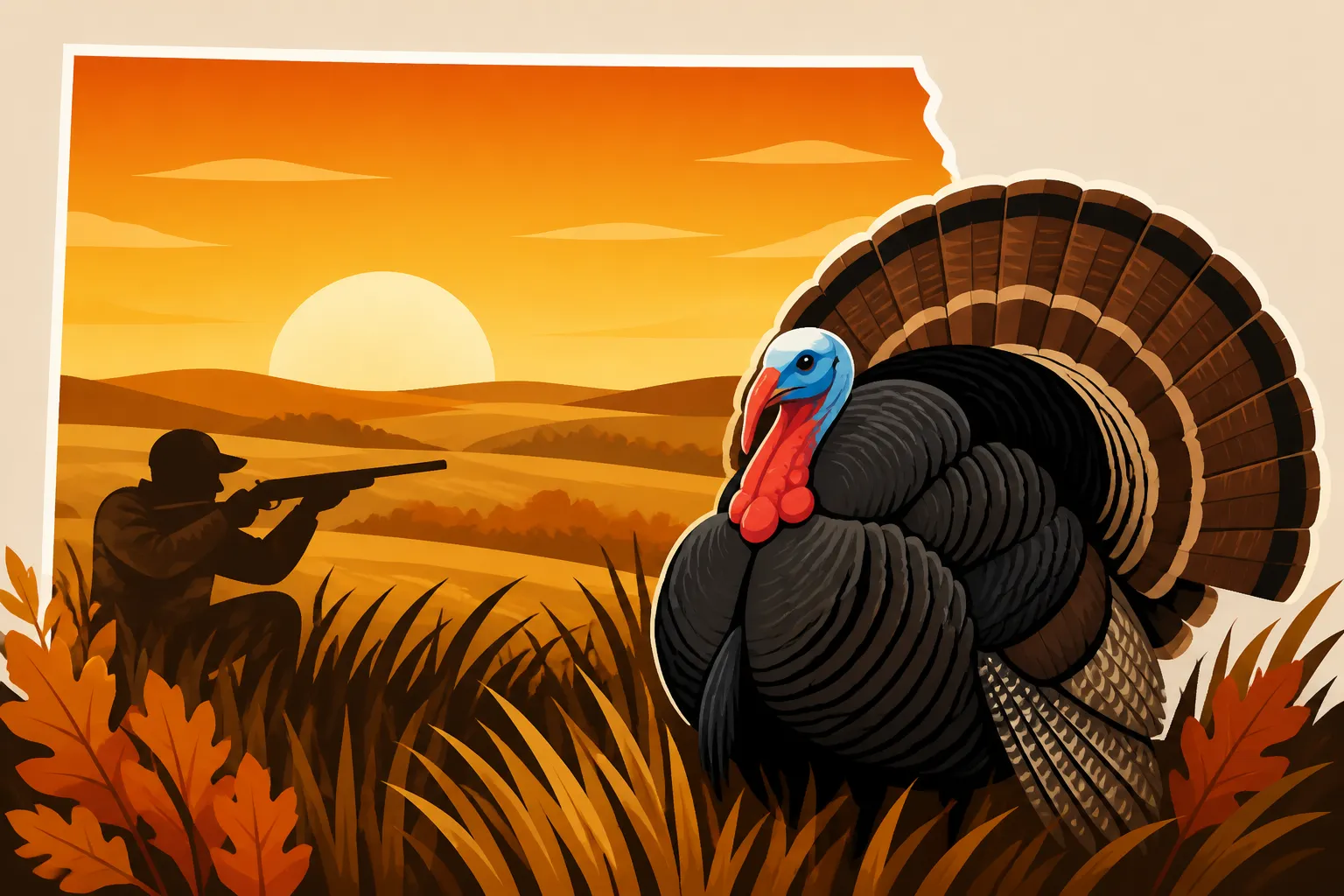
Trying to piece together a fall turkey hunt in North Dakota can feel like you’re staring at a jigsaw puzzle with half the pieces missing. Between understanding the unique dynamics of fall flocks, navigating license requirements, and figuring out whether to go it alone or hire a guide, it's easy to get overwhelmed. This comprehensive guide is here to untangle that complexity, offering practical advice and deep insights into successfully booking and executing your North Dakota fall turkey adventure.
Understanding North Dakota Fall Turkey Hunting
Fall turkey hunting in North Dakota is a completely different beast than the spring gobbler pursuit most hunters are familiar with. While spring is about intercepting love-struck gobblers, fall is about finding scattered family groups and manipulating their strong social instincts. It's an incredibly rewarding experience, but one that requires a shift in mindset and tactics.
The Uniqueness of North Dakota Fall Turkey Season
Unlike the booming calls and strutting displays of spring, fall turkey hunting hinges on breaking up flocks and then calling the birds back together. This often involves locating a flock, spooking them into scattering, and then using a variety of calls—especially the "kee-kee run" of a lost young bird—to bring them within range. The season typically opens later in the fall, often after crops are off the fields, which can significantly alter bird distribution and access to hunting grounds. Hunters will find both Merriam's and Eastern strains, sometimes hybridized, offering a diverse challenge across the state's varied landscapes. Nonresident opportunities exist, but they often come with specific considerations regarding unit availability and public land access. You'll want to review the North Dakota Fall Turkey Season Rules carefully.
North Dakota Fall Turkey Habitat
North Dakota's fall turkeys are masters of adapting to their environment, and their habitat can vary wildly depending on where you're hunting. Along the major river drainages like the Missouri, Heart, and Knife, you'll find them concentrated in extensive river bottom timber, heavy with cottonwoods, ash, and elm. These areas provide crucial roosting cover and abundant mast crops. Move west into the rugged Badlands, and turkeys will utilize the wooded coulees and draws, seeking out pockets of juniper and brush for cover and escape routes. Further east, particularly in the Turtle Mountains and Pembina Hills, look for them in mixed deciduous forests and dense pockets of shelterbelts, often adjacent to agricultural fields. Understanding these diverse habitats is key to locating fall birds, as their survival depends on finding secure roosts, escape cover, and reliable food sources, which often shifts throughout the season as crops are harvested and natural foods become scarce.
Why Fall Turkey is Different
The core difference in fall turkey hunting is the social structure. In spring, gobblers are focused on breeding, often alone or in small bachelor groups. In fall, turkeys are in large family flocks – hens with their poults, and separate bachelor groups of mature gobblers. This means your calling strategy has to shift dramatically. Instead of alluring a lonesome gobbler, you're aiming to disrupt a flock and then exploit their instinct to regroup. This often involves flushing a flock and then waiting quietly for 20-30 minutes before beginning soft, reassuring assembly calls, such as the kee-kee run of a lost young bird, or soft clucks and purrs. The challenge isn't just finding birds, but breaking them up effectively and then setting up quickly to call in scattered individuals. It’s also much more of a spot-and-stalk or ambush game, focusing on food sources like harvested grain fields, oak ridges, or plum thickets rather than strut zones.
Self-Guided vs. Outfitted Fall Turkey Hunts
When planning your North Dakota fall turkey hunt, one of the biggest decisions you'll face is whether to tackle it on your own or enlist the help of a professional outfitter. Both options have their merits and drawbacks, and the best choice often depends on your experience level, budget, time constraints, and desired hunting experience.
The Appeal of Self-Guided Hunting
For many hunters, the allure of a self-guided hunt is irresistible. It offers unparalleled freedom to explore, learn the land on your own terms, and experience a true wilderness adventure without external pressures or schedules. The cost is generally much lower, as you're only paying for licenses, travel, food, and lodging, rather than guide fees. This option forces you to develop your scouting skills, map reading, and turkey behavior knowledge, leading to a profound sense of accomplishment when you finally tag a bird. North Dakota offers ample public land opportunities, including vast expanses of PLOTS (Private Land Open To Sportsmen) acres and federal lands like national grasslands and Waterfowl Production Areas. However, success on a self-guided hunt often requires significant pre-season scouting, strong woodsmanship, and the ability to adapt to changing conditions. You'll need to research Hunting Public Hunting Land in North Dakota to understand where to go. The challenge of gaining private land permission can also be a significant hurdle for those unfamiliar with knocking on doors in rural North Dakota.
Benefits of Booking an Outfitter
Opting for an outfitted fall turkey hunt in North Dakota removes much of the logistical headache and can significantly increase your chances of success, especially if you're a nonresident or new to hunting fall turkeys. Outfitters possess invaluable local knowledge, having spent countless hours scouting and patterning birds on specific properties. They often have exclusive access to prime private land, circumventing the need for you to secure permission yourself. A good guide can interpret turkey sign, understand local flock dynamics, and put you in the right place at the right time, adjusting strategies based on weather, crop harvest, and bird movement. Their expertise extends to calling techniques specific to fall turkeys, field dressing, and even assistance with game recovery. For hunters with limited time or those seeking a higher probability of success, a reputable outfitter provides a streamlined, often more comfortable, and highly educational hunting experience. The Average Cost of a Guided Fall Turkey Hunt will be higher, but the value can be well worth it.
When a Semi-Guided Hunt Makes Sense
A semi-guided hunt often strikes a desirable balance between the independence of a self-guided trip and the expertise of a fully outfitted experience. In a semi-guided setup, an outfitter might provide access to private land, offer pre-scouted areas, or furnish general advice on where to hunt, how to call, and what to look for, but then leave you to execute the hunt largely on your own. This can be an excellent option for hunters who have some turkey hunting experience but are unfamiliar with North Dakota's terrain or fall turkey behavior. You get the benefit of local knowledge and private land access without the full cost or constant presence of a guide. It allows you to develop your skills, make your own decisions in the field, and still have a safety net or a resource for questions. It's a stepping stone for those who want to eventually go fully self-guided but aren't quite ready for all the challenges involved in learning a completely new area and species behavior.
Choosing the Right Fall Turkey Outfitter or Guide
Selecting the right outfitter is paramount to the success and enjoyment of your North Dakota fall turkey hunt. Just like any service, quality can vary wildly, and doing your due diligence before handing over a deposit is essential. A good outfitter will be transparent, professional, and genuinely invested in giving you the best possible experience.
Researching Potential Guides
The first step in finding a quality fall turkey guide is thorough research. Start by looking for outfitters with a proven track record specifically in North Dakota fall turkey hunting, as tactics differ significantly from spring hunts or other species. Online platforms can be incredibly helpful here; for example, sites like BookYourHunt often list various North Dakota outfitters, complete with hunt descriptions, availability, and user reviews. Another great resource is the hunting community itself – forums and social media groups dedicated to North Dakota hunting can yield honest feedback and recommendations. You might even find some outfitters featured on outdoor media platforms like GoHunt, which often highlights reputable services. Pay close attention to consistency in positive reviews, specifically mentioning success rates, guide professionalism, and the overall experience. Don't be shy about asking outfitters for references from previous fall turkey hunters they've guided.
| Research Method | Pros | Cons |
|---|---|---|
| Online Platforms | Wide selection, user reviews, detailed descriptions. | Reviews can be biased, difficult to vet legitimacy fully. |
| Hunting Forums/Groups | Authentic peer recommendations, specific regional insights. | Can be slow, information may be outdated, strong opinions. |
| Direct Outfitter Websites | Most current information, often includes photo galleries, direct contact. | Only shows what the outfitter wants you to see, no external validation. |
| References | Direct, candid feedback from past clients. | Provided by outfitter, so likely to be positive. |
Key Questions to Ask Before Booking
Once you've narrowed down your choices, it's time to start asking questions. This is where you really get a feel for the outfitter's operation and whether it aligns with your expectations. Don't hesitate to ask about what precisely is included in the package: Does it cover meals and lodging, or is it a day rate for guiding only? What is the typical group size per guide? What are their typical success rates for fall turkey, and what factors might influence those rates (e.g., weather, crop cycles)? Inquire about the land they hunt – is it private, public, or a mix? For private land, how much acreage do they have access to? Ask about their approach to fall turkey hunting: Do they focus on roosting birds, breaking flocks, calling, or spot-and-stalk? What equipment do they provide, and what should you bring? Clarify all costs, including deposits, final payment schedules, and any potential hidden fees. Understanding What's Included in a Fall Turkey Package will prevent surprises. A good outfitter will appreciate your thoroughness and be happy to answer all your questions honestly.
Red Flags and How to Avoid Them
While most outfitters are legitimate, it's crucial to be aware of potential red flags that could indicate a less-than-reputable operation. Be wary of any outfitter who guarantees a harvest or promises unrealistic success rates – hunting is unpredictable, and no ethical guide can guarantee a kill. Vague answers to direct questions about pricing, inclusions, or hunting methods are also warning signs. An outfitter who pressures you for an immediate deposit without providing detailed information or references should raise an eyebrow. Avoid any operation that doesn't openly discuss their licensing and insurance; reputable North Dakota outfitters should be properly licensed. Finally, check recent reviews and try to find a balanced perspective. If all reviews are overwhelmingly positive and generic, it might be a sign of curated feedback. Look for specifics, both good and bad, that reflect genuine hunter experiences. Doing your homework can save you a lot of disappointment and potentially a wasted trip.
What to Expect from a North Dakota Fall Turkey Hunt Package
Booking a guided fall turkey hunt in North Dakota means investing in an experience, and understanding what that experience typically entails can help you set realistic expectations and ensure you get the most out of your trip. While packages can vary, there are common elements and approaches you'll likely encounter.
Typical Package Inclusions
Most fall turkey hunt packages in North Dakota will cover the essentials for a successful and comfortable trip. You can generally expect your package to include a professional guide who knows the local terrain and turkey habits. This guide will often provide transportation during the hunt itself, from the lodge or meeting point to various hunting locations. Meals are frequently included, ranging from hearty breakfasts before dawn to packed lunches in the field and delicious dinners at the end of the day. Lodging is also a common feature, often in a comfortable lodge or cabin near the hunting grounds, allowing for early starts and convenient returns. Post-harvest services, such as field dressing and assistance with game recovery, are usually part of the deal. Some outfitters might even offer initial processing or preparation for taxidermy. Always confirm these inclusions beforehand, as some "day hunts" might be guide-only, leaving you responsible for your own food and accommodation.
Variations in Hunt Styles
North Dakota fall turkey hunting isn't a one-size-fits-all endeavor; successful guides employ a variety of tactics tailored to the birds' behavior, the habitat, and the weather conditions. One common method is "roosting" birds the evening before the hunt, locating where they fly up to spend the night. This allows for an early morning ambush as they fly down. Another popular strategy, especially once birds are located, is the "flock break." This involves actively busting a flock of turkeys to scatter them in all directions, then waiting patiently for a period before beginning to call scattered birds back in. Calling is a cornerstone of fall turkey hunting, often involving kee-kees, yelps, and clucks designed to sound like lost or regrouping birds. Calling a Fall Gobbler Flock is a specialized skill. Spot-and-stalk can also be effective, particularly in open country or when birds are feeding in fields. Depending on the outfitter and the specific conditions, your guide might incorporate a ground blind setup near a food source or travel corridor. The best guides will remain flexible and adapt their approach to what the turkeys are doing on any given day.
Managing Expectations and Success Rates
It's crucial to approach a fall turkey hunt with realistic expectations. While an outfitter significantly increases your chances, hunting is never a guarantee. Fall turkeys, while social, can be incredibly wary, and their behavior can be influenced by anything from recent hunting pressure to sudden weather changes or crop harvest schedules. Success rates will vary between outfitters and even from year to year. A good outfitter should be upfront about their typical success rates for fall turkey hunts. Rather than focusing solely on punching a tag, embrace the entire experience: the early mornings, the strategizing with your guide, the breathtaking North Dakota sunrises, and the thrill of hearing a distant kee-kee. A guided hunt is also an incredible learning opportunity to hone your own turkey hunting skills. Remember, weather can be a major factor in North Dakota, with anything from warm, sunny days to early snowfalls possible in the fall, which can impact bird movement and accessibility.
Navigating Licenses and Regulations for Fall Turkey
Understanding the licensing and regulatory framework is a critical step for any hunter planning a fall turkey hunt in North Dakota. These rules are in place to manage game populations and ensure fair chase, and they can vary significantly for residents and nonresidents, as well as by specific hunting unit.
North Dakota Fall Turkey License Availability
North Dakota offers fall turkey licenses, but their availability and the application process can differ. Typically, both residents and nonresidents can apply for or purchase licenses, though nonresidents may face more limited opportunities or specific unit restrictions. Turkey licenses are usually allocated by unit, and you'll need to specify your desired hunting unit when applying. It's not uncommon for certain units, particularly those with higher turkey populations or more desirable habitat, to be more popular and have fewer available tags. Hunters should always check the North Dakota Game and Fish Department's official website for the most current information regarding application deadlines, unit availability, and any changes to the licensing structure. Planning ahead is key, as licenses can sell out quickly or have specific application windows you don't want to miss. You can find detailed information on North Dakota Fall Turkey License Numbers and North Dakota Fall Turkey License Availability.
Understanding Season Dates and Unit Rules
The fall turkey season dates in North Dakota are set annually and can vary slightly by unit. It's imperative to consult the official proclamation each year to confirm the exact opening and closing dates for your chosen hunting unit. Beyond the general season, there are often specific unit rules that hunters must adhere to. For instance, certain units might have restrictions on weapon types, or special access rules for public lands. A notable example is the Standing Rock Nation, which offers its own tribal hunting tags that are separate from state licenses. If you plan to hunt on Standing Rock, you'll need to purchase their specific tribal tags and adhere to their regulations, which may differ from state law. This is a unique opportunity, and understanding Hunting the Standing Rock Fall Turkey Option is important. Always cross-reference the state regulations with any local or tribal rules if you plan to hunt on special lands. Ignorance of the rules is never an excuse, and violations can lead to hefty fines or loss of hunting privileges.
Reporting and Tagging Requirements
Once you've successfully harvested a fall turkey in North Dakota, your responsibilities don't end there. The state has specific reporting and tagging requirements that must be followed. Immediately after harvesting a bird, you must attach your valid license tag to the turkey in a visible and secure manner. This tag typically contains unique identifying information and confirms that the bird was taken legally. Furthermore, North Dakota often requires hunters to report their harvest, either online through the Game and Fish Department's portal or via their mobile app. This data is crucial for wildlife managers to monitor turkey populations, assess harvest rates, and make informed decisions about future seasons. Always confirm the specific deadline for reporting your harvest, as failing to do so can result in penalties. Keeping the tag attached and reporting your bird promptly ensures you remain in compliance with all state regulations. Make sure you understand North Dakota Turkey Checking Requirements.
Pre-Hunt Preparation and Gear Essentials for Fall Turkey
Success in fall turkey hunting often comes down to preparation. Unlike spring, where you might be able to get by with less, the varied conditions and demanding nature of fall turkey hunting in North Dakota necessitate a thoughtful approach to both your physical readiness and your gear selection.
Physical and Mental Preparation
North Dakota's landscape, particularly in the Badlands or large river bottoms, can be surprisingly challenging. Fall turkey hunting often involves a lot of walking, sometimes through uneven terrain, thick brush, or even early snow. Being in good physical shape will allow you to cover more ground, keep up with your guide if you have one, and retrieve your bird more easily. Incorporate hiking, cardio, and leg strength exercises into your routine in the weeks leading up to your hunt. Mentally, fall turkey hunting demands patience and adaptability. Flocks can be elusive, calling sequences might take time to work, and weather can change dramatically. Be prepared for slow periods, for quiet mornings, and for the need to change plans on the fly. A positive, persistent attitude is just as important as physical endurance. Embrace the process, and every small success, from finding fresh tracks to hearing a distant kee-kee, becomes part of the adventure.
Essential Gear List
Packing the right gear can make or break your fall turkey hunt. Layering is crucial for North Dakota's unpredictable fall weather. Start with moisture-wicking base layers, add insulating mid-layers like fleece or wool, and top it with a waterproof and windproof outer shell in a good camouflage pattern. Quality, comfortable, waterproof hunting boots are non-negotiable, as you'll be covering miles over varied terrain. Don't forget a warm hat, gloves, and neck gaiter.
Key Gear Checklist for Fall Turkey Hunting:
| Category | Essential Items | Notes |
|---|---|---|
| Clothing | Layered camouflage (base, mid, outer), waterproof/windproof shell, warm hat, gloves, neck gaiter. | Layers are critical for changing weather; blaze orange may be required depending on concurrent seasons (e.g., North Dakota Blaze Orange Requirements). |
| Footwear | Waterproof, insulated hiking boots, wool socks. | Comfort and dryness are paramount for long walks. |
| Calls | Box call, slate call, diaphragm calls (various pitches). | Focus on kee-kees, yelps, clucks for fall birds. |
| Weapon | Shotgun (12 or 20 gauge, turkey choke) or bow/crossbow (check regulations). Ammunition/arrows. | Ensure your firearm is patterned, or your bow is sighted in. |
| Optics | Binoculars (8x-10x), rangefinder. | Essential for spotting birds at a distance and confirming yardage. |
| Navigation | GPS device or smartphone with hunting app (e.g., onX Hunt, GoHunt), compass, physical map. | Even with a guide, knowing your location is good practice. |
| Safety/Survival | First-aid kit, headlamp, knife, fire starter, emergency shelter, water filter/purifier, high-energy snacks. | Be prepared for unexpected delays or emergencies. |
| Turkey Specific | Ground blind (optional), turkey vest/pack, decoy (subtle hen or jake). | A good vest organizes calls and gear. |
For your weapon, a 12 or 20-gauge shotgun with a good turkey choke and appropriate loads is standard. If you prefer archery, ensure your bow or crossbow is tuned and you have plenty of practice with broadheads. Always carry a good set of binoculars to scan distant fields and draws, and a rangefinder is invaluable for confirming shot distances. Don't forget a quality knife for field dressing, and plenty of water and snacks. For navigation, a reliable GPS or a hunting app like the one offered by GoHunt, paired with a physical map and compass, is a must, even with a guide. Packing for an Eight-Day North Dakota Elk Hunt offers some good general packing tips, even if for a different species.
Scouting and Pre-Season Intel
Even if you're using a guide, doing some pre-season homework can greatly enhance your experience. If you're self-guided, this step is absolutely critical. Start by studying aerial maps of your chosen hunting unit, identifying potential roosting areas (tall timber along rivers or in coulees), feeding areas (agricultural fields, oak stands, plum thickets), and travel corridors. Look for water sources, as turkeys need to drink daily. The North Dakota Game and Fish Department website is an excellent resource for public land maps, harvest reports, and turkey population trends. If using a service like GoHunt, take advantage of their mapping tools and data. Don't hesitate to make phone calls to local Game and Fish offices for general area information. If possible, consider a pre-season scouting trip to look for fresh tracks, droppings, and dusting bowls. This intel, combined with your guide's knowledge, will put you in the best position for a successful fall turkey hunt. Roosting a Fall Gobbler the Night Before is an excellent scouting tactic.
Making the Most of Your Fall Turkey Hunt
With your licenses secured, gear packed, and expectations set, the final piece of the puzzle is understanding how to effectively hunt fall turkeys and manage your harvest. This is where strategy meets execution, and small details can make a big difference.
Calling Strategies for Fall Turkeys
Fall turkey calling is often a more subtle and nuanced game than the aggressive tactics used in spring. The primary goal is to exploit the birds' strong social instinct to regroup after being scattered. The "kee-kee run" is arguably the most effective fall call, mimicking the plaintive cry of a lost young turkey trying to find its flock. Start with soft kee-kees, gradually increasing volume if there's no response, and intersperse them with soft yelps and clucks. Another potent tactic is the "lost hen" call, using a series of yelps that sound like an adult hen trying to gather her scattered brood. After breaking up a flock, wait quietly for 20-30 minutes to let the birds settle and feel the urge to regroup before starting your calling sequence. Always set up quickly and quietly after a break, choosing a spot with good visibility and a clear shot lane, anticipating birds will come in cautiously, often from the direction they scattered.
Understanding Turkey Behavior in Fall
Fall turkeys are driven by survival: finding food, water, and secure roosting sites, while avoiding predators. Their behavior is largely dictated by these needs. Family flocks, which can number from a dozen to over fifty birds, will often spend their days feeding in agricultural fields, along creek bottoms, or in timber stands rich with mast crops. As the day progresses, they'll often move towards water. In the late afternoon, they'll begin moving towards their roost trees, typically large, mature trees along riverbanks, in sheltered coulees, or within dense shelterbelts. Bachelor groups of gobblers tend to be smaller and can be even warier than hen and poult flocks. Understanding these daily patterns—where they feed, where they water, and where they roost—is critical. Factors like recent harvests can change feeding locations overnight, so being adaptable and actively scouting for fresh sign is key. Learning to interpret fresh tracks, droppings, and dusting areas will tell you where the birds have been and where they might be headed. North Dakota Turkey Population Trends data can provide general insights into regional bird numbers.
Post-Harvest Care and Logistics
Once you've successfully harvested a North Dakota fall turkey, proper post-harvest care is essential to preserve the meat and any trophy elements. Immediately after the shot, secure your tag to the bird as required by regulation. Field dress the bird as quickly as possible, especially if temperatures are warm, to cool the carcass and prevent spoilage. You can either remove the entrails entirely or "gut" the bird by making an incision at the vent and reaching in to remove the organs. Place the heart and liver in a plastic bag if you intend to keep them. Once field dressed, cool the bird as rapidly as possible. If you're in the field for an extended period, try to hang the bird in the shade or place it on ice. When transporting, ensure the tag remains affixed and visible. If you're taking your bird to a professional processor, call ahead to confirm their services and turnaround times. If you plan to mount the bird, pay special attention to preserving the head, neck, and tail fan, following your taxidermist's instructions. Always confirm Transporting a Tagged Turkey in North Dakota rules.
Disclaimer
This article is for general informational purposes only and does not constitute professional advice. Laws, prices and regulations vary by location and change over time. Consult a qualified professional for guidance on your specific situation.