Why You Can’t Book a North Dakota Elk Guide Without a Tag
It's incredibly frustrating when you're dreaming of a big North Dakota elk hunt, meticulously planning every detail, only to hit a brick wall: you can't even book a guide until you've actually drawn that coveted elk tag. This isn't just a minor hurdle; it's a fundamental aspect of hunting North Dakota's biggest game. This guide will dive deep into why this rule exists, what it means for your hunting plans, and how you can navigate the process to maximize your chances of success, even with this unique limitation.
The Core Rule: Tag First, Guide Second for North Dakota Elk
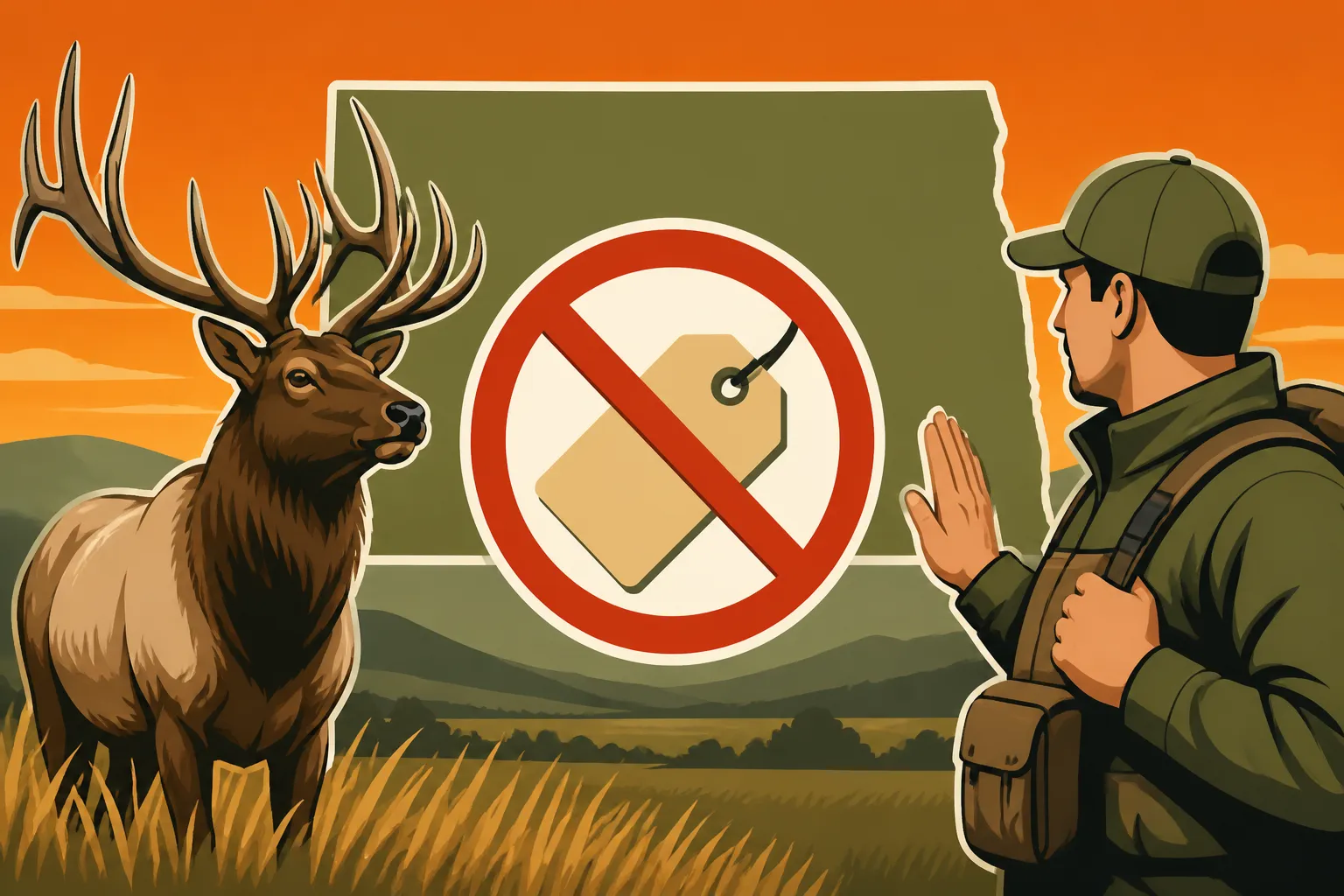
The first and most important thing to understand about hunting elk in North Dakota is that the entire process hinges on securing a tag through the state's lottery system. Unlike some other states or species where you might book an outfitter well in advance and they handle some of the tag logistics or apply on your behalf, North Dakota operates differently for its trophy big game. For species like elk, moose, and bighorn sheep, your personal draw success is paramount before any guiding services can formally be engaged for the hunt itself.
Understanding North Dakota's Lottery System for Elk
North Dakota's elk population, while thriving in certain pockets, is not as widespread or abundant as, say, its whitetail deer or pheasants. Because of this, the state manages elk hunting opportunities very carefully through a highly competitive lottery system. Every year, a limited number of tags are allocated to specific hunting units, often in the rugged Badlands regions where these majestic animals roam. These tags are considered once-in-a-lifetime for residents, further emphasizing their scarcity and the state's commitment to managing the herd for quality and sustainability. Nonresidents typically cannot even apply for these tags, making it an exclusive opportunity for those who call North Dakota home.
When you apply for an elk tag, you're entering a lottery, not simply purchasing a license. Your application goes into a pool, and winners are drawn randomly, though preference points can sometimes improve long-term odds for residents. This means there's no guarantee you'll draw a tag, even after years of applying. The uncertainty of the draw is precisely why outfitters cannot book you for a hunt until you have a confirmed tag in hand. They can't promise a hunt that you legally can't participate in without that critical piece of paper. You can find more details on this process in North Dakota Elk Lottery Application Process.
The Legal Framework Behind Guide Restrictions
The legal framework in North Dakota is quite clear: it's unlawful for an outfitter or guide service to solicit, book, or accept payment for a hunting trip for species like elk unless the client already possesses a valid, legal tag for that species. This isn't a loophole or a suggestion; it's a hard-and-fast rule designed to protect both the hunters and the wildlife. The North Dakota Game and Fish Department sets these regulations to prevent speculative bookings, to ensure fair practices among guides, and most importantly, to align hunting opportunities directly with the state's conservation goals.
Imagine the chaos if outfitters could book dozens of hunters for a unit that only issues five elk tags. It would lead to massive cancellations, financial disputes, and misrepresentation of hunting opportunities. By requiring the tag first, the state ensures that every hunter who books a guide is legally eligible to harvest an animal. This rule reflects a broader philosophy of wildlife management in North Dakota, where the resource comes first, and access is carefully controlled. This is especially true for North Dakota's Once-in-a-Lifetime Big Game Licenses, where scarcity dictates strict adherence to the rules.
Why This Rule Exists: Protecting Wildlife and Fair Chase
At its heart, North Dakota's "tag first, guide second" rule for elk is deeply rooted in the principles of sound wildlife management and promoting fair chase. It's not designed to be an inconvenience, but rather a safeguard for a precious and limited resource.
Managing Limited Elk Populations
North Dakota's elk herds are a success story, having been reestablished and carefully managed over decades. However, they are still relatively small compared to their counterparts in larger western states. The Badlands, while rugged and wild, can only support a certain number of elk, and allowing unlimited hunting pressure would quickly decimate the population.
The lottery system, coupled with the guide restriction, ensures that the harvest is precisely controlled. By limiting the number of tags, the state can regulate the number of elk taken each year, ensuring the health, genetic diversity, and long-term viability of the herd. If outfitters could pre-book hunters without tags, it could create pressure to influence tag allocations or lead to a market for reselling spots, neither of which benefits the integrity of the lottery or the elk herd itself. The intent is to conserve, and every regulation, including this one, plays a role in that larger picture. This management is crucial for the continued success of Elk Hunting North Dakota's Badlands.
Ensuring Equal Opportunity for Hunters
Another crucial aspect is fairness. In a lottery system, everyone who applies has an equal chance (or an advantage through preference points, if applicable) to draw a tag. If outfitters could essentially "reserve" clients who hadn't yet drawn, it could create an uneven playing field. Wealthier individuals might be able to put down deposits with multiple outfitters, effectively cornering the market for guide services if they do draw, leaving those who waited until drawing their tag with fewer options.
The current system ensures that once a hunter successfully draws an elk tag, they then enter the market for guide services on equal footing with every other successful tag holder. It removes any incentive for outfitters to engage in practices that might circumvent the lottery's intent of random allocation. It keeps the focus on the hunter's individual success in the draw, rather than their ability to pre-book services. This approach underlines the state's commitment to providing a fair opportunity for all eligible hunters to pursue these magnificent animals.
Navigating the Application Process for North Dakota Elk Tags
Since securing your elk tag is the absolute prerequisite for booking a guide, understanding and successfully navigating the application process is your first, and most important, step. This isn't just filling out a form; it's a strategic annual endeavor for many hopeful hunters.
Key Application Dates and Deadlines
The North Dakota Game and Fish Department (NDGFD) runs its lottery application periods on a strict schedule. For elk, these usually align with other big game species like moose and bighorn sheep. Typically, the application period opens in the spring, often around May, and closes in early June. Missing this window means you'll have to wait an entire year for the next opportunity, effectively pushing your elk hunting dreams back significantly.
It's absolutely critical to mark these dates on your calendar, set reminders, and make sure all your information is correct before submitting. Errors can lead to disqualification, and that's the last thing you want after potentially waiting years to even have a reasonable chance at a tag. Many hunters use resources like GoHunt to stay on top of application deadlines and changes in regulations across different states. They provide valuable tools and reminders for complex lottery systems. Always double-check the official NDGFD website for the most current dates, as they can shift slightly from year to year. You can find out more about specific timelines in North Dakota Elk Application Deadline.
Strategies for Improving Your Odds
For resident hunters, North Dakota employs a preference point system for species like elk. This means that for every year you apply for an elk tag and are unsuccessful, you accrue a preference point. When you apply in subsequent years, these points essentially give you a slight statistical advantage in the draw. It's not a guarantee, but it does mean that the longer you apply, the better your chances become over time. This system rewards persistence.
Beyond simply applying every year, your unit choice can also subtly impact your odds. Some units are notoriously difficult to draw due to very low tag numbers or exceptional trophy potential, while others might have slightly higher tag allocations. Researching harvest statistics and draw odds for specific units in previous years can help you make an informed decision, balancing trophy potential with draw likelihood. Remember, it's a "once-in-a-lifetime" tag for residents, so many hunters hold out for specific units or prioritize drawing any tag over a specific one. Understanding North Dakota Elk License Odds can help shape your application strategy.
What to Do Once You Draw (or Don't Draw)
The moment of truth arrives when draw results are announced, typically in the late summer or early fall. If you're one of the fortunate few who draws an elk tag, it's time to celebrate, but then it's immediately time to get serious about planning your hunt. This is where researching and contacting guides becomes your top priority, as they can now legally engage with you.
If, like most applicants, you don't draw a tag, it's a bummer, but it's also part of the process. Don't despair. You'll accrue another preference point, and you can start planning for next year's application. Use the off-season to continue your research, scout potential hunting areas (if you're planning a self-guided hunt), and continue improving your physical fitness, because hunting North Dakota's Badlands for elk is no walk in the park. This is also a good time to consider other hunting opportunities available in North Dakota, even if they aren't for big game, to keep your skills sharp and your passion alive.
What Hunters Can Do Before Drawing an Elk Tag
While the "tag first, guide second" rule means you can't officially book an outfitter, it doesn't mean you have to sit idly by. There's a lot of crucial preparatory work you can and should do to get ready for that day when your name does get drawn.
Researching Outfitters and Their Services
Even without a tag, you can thoroughly research potential outfitters who operate in the North Dakota elk units you're interested in. Look into their experience, reputation, and the types of services they offer. Do they specialize in archery or rifle hunts? What kind of terrain do they typically hunt? What is their philosophy on fair chase and ethical hunting? Websites like BookYourHunt can be a great place to start, as they often list outfitters and allow you to filter by species and location, providing initial contact information and sometimes reviews from past clients.
Make a list of questions you'd want to ask once you have a tag in hand. Investigate their success rates, but also understand how they achieve those rates. Are they hunting heavily managed private ground, or are they focusing on more challenging public land opportunities? Understand what a typical Average Cost of a Guided Badlands Elk Hunt might entail. Remember, a good outfitter will be transparent and happy to discuss their operations in general terms, even knowing you don't have a tag yet. They'll appreciate that you're doing your homework and are serious about a future hunt. This pre-research saves invaluable time and helps you make a quick, informed decision when that tag notification finally arrives. Learning how to properly vet potential guides is covered in Vetting a North Dakota Hunting Outfitter.
Pre-Scouting and Physical Preparation
North Dakota's elk country, primarily within the Little Missouri National Grassland and surrounding areas in the rugged Badlands, is physically demanding terrain. Even if you're planning a guided hunt, being in peak physical condition will greatly enhance your experience and your chances of success. This means focusing on cardiovascular fitness, strength training, and especially hiking in rough, uneven terrain. The Badlands are full of steep coulees, sharp ridges, and vast open spaces. Physical Prep for Badlands Elk Terrain is not just a suggestion, it's a requirement for an enjoyable and safe hunt.
You can also engage in "pre-scouting" without ever setting foot in the Badlands. Utilize online mapping tools, satellite imagery, and topographic maps to familiarize yourself with the landscape. Identify potential bedding areas, water sources, and travel corridors. This kind of homework can give you a significant advantage, whether you eventually go with a guide or decide to attempt a self-guided hunt. Knowing the lay of the land, even from afar, builds confidence and helps you understand the challenges ahead. For practical advice on packing, check out Packing for an Eight-Day North Dakota Elk Hunt.
The Role of Outfitters After You Draw a Tag
Once you've beaten the odds and drawn that coveted North Dakota elk tag, the relationship with an outfitter changes dramatically. Now, they can legally offer their services, and your planning shifts into high gear.
Services a Guide Provides for Tagged Hunters
A reputable North Dakota elk outfitter offers a comprehensive suite of services designed to maximize your chances of success and provide an unforgettable experience. This isn't just about pointing you toward an elk; it's about leveraging their intimate knowledge of the area, the animals, and the hunting methods best suited for the challenging Badlands environment.
Typically, a guided elk hunt includes:
- Expert Knowledge: Guides spend countless hours in the field year-round, scouting, observing elk behavior, and monitoring herd movements. They know the best glassing points, bedding areas, and travel routes. They understand Glassing Badlands Coulees for Elk like the back of their hand.
- Logistics: This often covers transportation within the hunting area, field dressing, and sometimes even packing out your animal from remote locations. They have the gear and the experience to handle these tough tasks.
- Equipment: While you'll bring your personal hunting gear, guides often provide specialized equipment like high-quality spotting scopes, bivvy sacks for overnight sits, and communication devices.
- Camps and Meals: Many outfitters offer full-service camps, which include lodging and meals, allowing you to focus entirely on the hunt itself. This is particularly valuable for multi-day hunts in remote areas.
- Strategy and Execution: From developing a daily hunting plan based on weather and elk activity to executing spot-and-stalk maneuvers or calling strategies, the guide is your tactical partner in the field. They will help you implement methods like Spot-and-Stalk Elk in the Little Missouri Badlands.
In essence, a guide drastically reduces the learning curve and physical burden, allowing you to concentrate on making a good shot when the opportunity arises.
Vetting and Booking Your Elk Guide
Even with a tag in hand, the importance of thoroughly vetting your potential outfitter cannot be overstated. This is a significant investment of time, money, and hope, so you want to ensure you're working with a professional and ethical operation.
Here’s a practical checklist:
- License and Insurance: Confirm that the outfitter is properly licensed by the North Dakota Game and Fish Department and carries adequate liability insurance.
- References: Ask for references from recent clients, preferably within the last year or two. Don't just get names; actually call them and ask detailed questions about their experience, the guide's professionalism, the quality of the hunt, and the accuracy of the outfitter's claims. Questions to Ask a North Dakota Outfitter are critical here.
- Contract: Insist on a clear, written contract that outlines all services included, costs, payment schedules, cancellation policies, and any other pertinent details.
- Communication: Pay attention to how responsive and transparent the outfitter is during your initial inquiries. Good communication is a hallmark of a professional operation.
- Ethics and Philosophy: Discuss their hunting ethics. Do they align with your own? Are they focused solely on trophy size, or do they prioritize a quality, fair chase experience?
Booking should happen as soon as possible after drawing your tag. The number of reputable elk guides in North Dakota is limited, and they book up quickly, especially for prime season dates. Be prepared to put down a deposit to secure your spot.
Making the Most of Your Guided Hunt
Once you've booked your guide, it's time to prepare yourself for the actual hunt. Your guide is a professional, but your success also depends on your contribution.
- Be Realistic: Understand that hunting is hunting. There are no guarantees. Weather, elk movement, and pure chance all play a role. A good guide will give you the best possible chance, but they can't control everything.
- Listen and Learn: Your guide knows the area and the animals. Listen to their advice, follow their instructions, and be open to learning. They are there to help you succeed.
- Physical and Mental Readiness: Continue your physical conditioning right up until the hunt. Being physically prepared allows you to focus on the hunt, not on your aching muscles. Mentally, be prepared for early mornings, long days, and potential setbacks. Persistence is often key to elk hunting success. Hunting North Dakota's Badlands Mule Deer Country offers insights into the physical demands of Badlands hunting, which often overlap with elk hunting challenges.
- Clear Communication: Don't hesitate to communicate your expectations, physical limitations, or any concerns you have before and during the hunt. A good guide will appreciate this.
A guided North Dakota elk hunt, when successful, is an incredible experience, a culmination of years of applying and careful planning. Enjoy every moment of it.
Comparing Pre-Tag and Post-Tag Actions for Guided Elk Hunts
To summarize, here's a look at what you can and cannot do at different stages of your North Dakota elk hunting journey when considering a guide:
| Action / Stage | Before Drawing Elk Tag | After Drawing Elk Tag |
|---|---|---|
| Booking an Outfitter | No (Illegal) | Yes (Legally Permitted) |
| Researching Outfitters | Yes (Highly Recommended) | Yes (Final Vetting & Selection) |
| Contacting Outfitters | Yes (General Inquiries) | Yes (Specific Booking Discussions) |
| Paying a Deposit | No (Illegal) | Yes (To Secure Your Spot) |
| Physical Training | Yes (Essential Preparation) | Yes (Maintain Peak Condition) |
| Gear Procurement | Yes (Research & Purchase) | Yes (Finalize & Test Gear) |
| Scouting Area | Yes (Maps, Satellite, General) | Yes (More Specific, Guide Input) |
| Application Process | Yes (Focus on Draw Odds/Deadlines) | Not Applicable (Tag Secured) |
| Financial Planning | Yes (Budget for Hunt/Guide) | Yes (Execute Budget & Payments) |
This table clearly illustrates the shift in permissible actions once that coveted tag is in your possession, highlighting why planning is so critical even before the draw.
Disclaimer
This article is for general informational purposes only and does not constitute professional advice. Laws, prices and regulations vary by location and change over time. Consult a qualified professional for guidance on your specific situation.