Average Cost of a Guided Duck Hunt
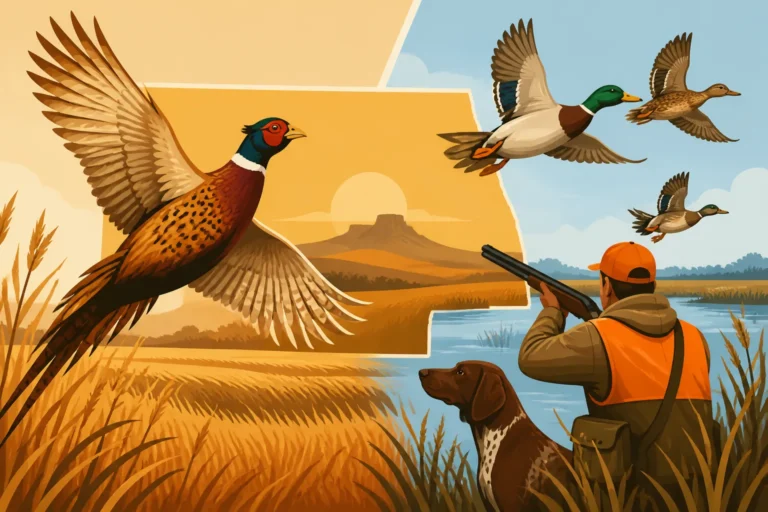
Trying to figure out what a guided duck hunt in North Dakota actually costs can feel like trying to hit a fast-flying mallard in a crosswind – confusing and often frustrating. Between day rates, package deals, and all the variables that go into a successful hunt, it’s easy to get overwhelmed. This guide is here to untangle that financial flight path, helping you understand the average expenditures involved in booking a guided duck hunt on the vast and waterfowl-rich prairies of North Dakota.
Understanding the Investment: What Shapes a Guided Duck Hunt Price Tag?
When you start looking into guided duck hunts here in North Dakota, you'll quickly realize there isn't one single price. It's not like buying a gallon of milk where the cost is pretty standard. Instead, it's a dynamic range influenced by several key factors, much like the changing flight patterns of a migrating flock. Understanding these variables is the first step to setting a realistic budget and finding the right experience for you.
Location, Reputation, and Guide Experience
North Dakota is a big state, and not all duck hunting opportunities are created equal, nor are the guides. Areas like the Prairie Pothole Region, especially around major waterfowl hubs like Devils Lake or the Missouri River corridor, often command higher prices due to consistent bird numbers and established guide services. A guide operating within these prime zones has often invested heavily in scouting, equipment, and maintaining relationships with landowners.
Consider a guide who specializes in Hunting a Devils Lake Flooded Field or a seasoned veteran who knows the intricate patterns of the North Dakota Waterfowl on the Prairie Pothole Flyway. Their deep understanding of local conditions, bird movements, and access points can be invaluable. A guide with a long-standing reputation for putting hunters on birds, especially during challenging conditions, will naturally have a premium price compared to someone just starting out. You're not just paying for a day in the field; you're paying for years of experience, knowledge, and dedicated preparation that often translates into a more successful and enjoyable hunt. This expertise means they’ve likely spent countless hours Scouting PLOTS Land Before Season and have developed effective strategies for Decoy Spreads for Prairie Pothole Mallards.
Duration of the Hunt and Group Size
The length of your hunt is another significant factor. Most guides offer either single-day hunts or multi-day packages. A single-day hunt will, of course, have a lower overall cost, but it might not include lodging or meals. This can be great for local hunters or those staying nearby who want to handle their own accommodations and food.
Multi-day packages, however, tend to bundle more services. For example, a three-day, two-night hunt package might include all your meals, comfortable lodging near the hunting grounds, and even bird cleaning services. While the upfront cost is higher, the per-day value can sometimes be better, and the convenience is undeniable. It allows you to immerse yourself fully in the experience without worrying about logistics after a long morning in the blind.
Group size also plays a role. Many guides set their prices per person, often with a minimum group size required. If you're a solo hunter or a pair, you might pay a slightly higher individual rate, or the guide might try to pair you with another small group. Larger groups, say four to six hunters, often benefit from a slightly reduced per-person rate, as it helps the guide fill out a blind more efficiently. Always clarify the minimum and maximum group sizes and how pricing scales accordingly.
Inclusions, Amenities, and Time of Year
What comes with your guided hunt? This is where costs can really diverge. A basic hunt might include the guide, decoys, a blind, and transportation to the field. A more premium experience could offer all of that plus gourmet meals, high-end lodging (think a dedicated hunting lodge with amenities), professional photography, and even a dog handler with well-trained retrievers. The more "all-inclusive" a package is, the higher the price will climb.
The time of year also impacts pricing due to demand. Early season hunts, when the local birds are plentiful, or late-season hunts, when migrating geese might dominate, can sometimes be more budget-friendly. However, hunts during the absolute peak of the migration, particularly in prime areas known for massive duck concentrations, will often be at the higher end of the pricing spectrum. Everyone wants to be there when the skies are black with birds, and that demand drives up the cost. Weekday hunts are typically more affordable than popular weekend slots.
Peeling Back the Layers: What Your Guided Duck Hunt Cost Includes (and Excludes)
It’s easy to see an advertised price for a guided duck hunt and assume everything is covered. But just like a tricky retrieve in heavy cover, there are often hidden elements or necessary additions you need to factor in. Understanding what's typically included and what you'll need to budget for separately is crucial for avoiding any unwelcome surprises down the line.
Standard Day Rates and Package Deals
Let's talk about the bedrock of pricing: the day rate. For a typical guided duck hunt in North Dakota, you're looking at a per-person, per-day cost that generally covers the guide's time, expertise, and essential equipment for the hunt itself. This usually means:
- Guide Services: The guide's knowledge of the area, scouting efforts, and their ability to call birds and direct the hunt.
- Decoys: All the necessary decoys, often a spread of hundreds, which is a significant investment for an outfitter.
- Blinds/Setups: Access to comfortable and effective blinds, whether layout blinds in a field or permanent blinds on a pothole edge.
- Transportation: Getting you from a designated meeting point to the hunting location, which could involve ATVs, UTVs, or trucks.
Many outfitters will also offer multi-day package deals that bundle the daily hunt with accommodations and meals. These are particularly popular with nonresident hunters coming in from out of state. A two or three-day package might include:
- Lodging: Usually a comfortable lodge, cabin, or hotel near the hunting grounds.
- Meals: Often home-cooked breakfasts, lunches in the field, and hearty dinners.
- Bird Cleaning: Some packages include basic bird cleaning, helping you prepare your harvest for transport.
It's important to read the fine print on these packages. Does "lodging" mean a shared bunkhouse, or a private room? Are all meals included, or just certain ones? These details directly influence the overall value proposition.
The Essential Extras: Licenses, Stamps, and Gear
Beyond the outfitter's fee, there are non-negotiable costs you must factor into your budget to legally hunt ducks in North Dakota. These are your responsibility, regardless of what the guide charges.
- Hunting Licenses: You'll need a North Dakota hunting license. For nonresidents, this usually means a North Dakota Nonresident Small Game License Cost or a combination license that covers small game and habitat. Remember, there's also the North Dakota's Zone-Restricted Waterfowl License that nonresidents might need to consider depending on their hunt dates and location.
- Federal Duck Stamp: This is a federal requirement for all waterfowl hunters 16 years or older. It's a separate purchase from your state license.
- HIP Certification: The Harvest Information Program (HIP) certification is free but mandatory for all migratory bird hunters in the state.
- Ammunition: You'll need plenty of non-toxic shot, as lead shot is illegal for waterfowl hunting. Depending on how many birds are flying, you can go through a lot of shells in a few days.
- Waders and Rain Gear: North Dakota weather is famously unpredictable. High-quality, comfortable waders are a must for duck hunting, and reliable rain gear is essential.
- Warm Clothing Layers: Early season can be mild, but late season can bring brutal cold. Layering is key, and you'll want good gloves, hats, and insulated outerwear.
- Gratuities: It's customary to tip your guide and any dog handlers. This is a significant part of their income and a way to show appreciation for their hard work. Plan for a percentage of the hunt cost or a set amount per day per hunter.
- Meat Processing/Shipping: If you're successful, you'll need to process your birds. Some guides offer basic cleaning, but if you want more extensive processing or need to ship birds home, those costs add up.
- Travel Expenses: Don't forget the cost of getting to North Dakota, whether by car or plane, and any lodging or food expenses before or after your guided hunt if they aren't part of a package.
To illustrate the variety in pricing and what you might expect, here's a general comparison of hunt types:
| Hunt Type | Typical Inclusions | Considerations | Experience Level |
|---|---|---|---|
| Economy Day Hunt | Guide, decoys, blind, field transport | No meals or lodging. Bring your own everything else. | Experienced, Budget-conscious |
| Mid-Range Day Hunt | Guide, decoys, blind, field transport, simple lunch | No lodging or breakfast/dinner. Might include bird retrieval dogs. | Mixed, Value-focused |
| Standard Package | Guide, decoys, blind, field transport, lodging, all meals | Bird cleaning often an add-on. May share lodge rooms. | All hunters, Convenience |
| Premium Package | All of the above, plus bird cleaning, dog handler, higher-end lodge, maybe airport shuttle | Top-tier experience, often includes amenities like private rooms or a hot tub. | Less budget-focused, Luxury |
Navigating the Options: How to Find Value in North Dakota Guided Duck Hunts
Finding a great guided duck hunt isn't just about the lowest price; it's about finding the best value for your hard-earned money and ensuring the experience matches your expectations. With so many options out there, knowing how to compare and what questions to ask can make all the difference.
Researching and Comparing Outfitters
Before you commit, do your homework. Start by looking at different outfitters in various regions of North Dakota. Sites like BookYourHunt or GoHunt can be great starting points for discovering outfitters and seeing what kinds of packages they offer. They often provide details on what's included, photos of their camps, and sometimes even reviews from past clients.
Don't just look at the total dollar amount. Instead, break down what each outfitter is offering on a per-day or per-person basis and compare the inclusions. Is one outfit significantly cheaper but doesn't include meals or lodging? That might be a great deal if you're local, but if you're flying in, the savings could be eaten up by separate hotel and restaurant bills. Conversely, a higher-priced package that covers everything from field transportation to gourmet meals and comfortable lodging might be a better overall value, saving you logistical headaches.
Another aspect of research involves understanding the specific types of hunting offered. Some guides focus on large field spreads for geese, while others excel at Jump-Shooting a Prairie Slough for ducks. Make sure the guide's specialty aligns with the duck hunting experience you're dreaming of.
Asking the Right Questions
When you contact potential guides, have a list of questions ready. Don't be shy; a reputable outfitter will be happy to answer them thoroughly.
- What exactly is included in the stated price? Be specific: decoys, blinds, transportation to the field, meals, lodging, bird cleaning, dog usage?
- Are there any additional fees I should be aware of? This is crucial for things like taxes, gratuities, or processing fees.
- What is the typical group size for a hunt? Will you be hunting with strangers, or is it a private group setup?
- What kind of lodging is provided? Is it a shared bunkhouse, private rooms, or a hotel? What amenities are available?
- What are your policies regarding weather or poor hunting conditions? What happens if a blizzard rolls in or the birds just aren't flying? Do they offer rebooking options or partial refunds?
- What dates are available, and do you have any flexibility for special requests?
- Can you provide references from past hunters? Speaking with previous clients can give you invaluable insight into the guide's style and the overall experience.
- What are the recommended gear and clothing items I should bring? They know their local conditions best.
- Do you offer any assistance with game processing or shipping? This can be a major logistical concern for nonresidents.
By asking these detailed questions, you'll gain a clearer picture of what you're truly getting for your money and can make an informed decision.
Timing Your Booking
North Dakota duck hunting is incredibly popular, especially with nonresidents, and the best guides and prime dates book up quickly. If you have specific dates in mind, especially opening weekend or during the peak migration periods, you'll need to book well in advance – often six months to a year out.
Booking early not only secures your spot but can sometimes give you access to early bird discounts or better flexibility in choosing your dates. Waiting until the last minute might leave you with limited options, less experienced guides, or having to pay a premium for late availability. It's much like planning any major trip; the sooner you lock in your arrangements, the smoother the process tends to be. Consider key periods like Hunting North Dakota's Nine Resident-Only Waterfowl Days when nonresident access might be limited unless pre-arranged with a guide on private land.
Beyond the Brochure: Vetting and Booking Your Ideal Duck Hunting Experience
Once you have a handle on costs and what goes into them, the next step is to ensure you're booking with a reputable outfitter who will deliver on their promises. A successful guided hunt isn't just about bagging birds; it's about the entire experience, from the professionalism of the guide to the camaraderie in the blind.
Finding Reputable Outfitters
There are several avenues to discover top-notch North Dakota duck hunting guides. Personal referrals are golden – if a friend or acquaintance had an incredible experience, that's a strong endorsement. Online hunting forums and social media groups dedicated to North Dakota hunting can also be excellent resources for honest reviews and recommendations.
Beyond word-of-mouth, many state tourism websites or hunting and fishing associations list licensed outfitters. Online booking platforms, such as BookYourHunt, aggregate various outfitters, often with detailed profiles and reviews. When researching, pay close attention to the consistency of positive feedback, communication style, and how they handle any negative comments. A guide's prompt, transparent response to criticism can often be more telling than a string of perfect reviews.
Another valuable tool is to explore resources like GoHunt, which often provides deeper insights into specific hunting units or regions, helping you understand the type of experience an outfitter in that area might offer. Look for guides who have been operating for several years and have a strong local presence.
What to Look For and What to Avoid
When vetting potential guides, several key indicators can help you separate the exceptional from the merely adequate, or even worse, the unreliable.
Look for:
- Clear Communication: A professional guide will be prompt and thorough in their responses to your inquiries, providing detailed information about their services and costs.
- Proper Licensing and Insurance: Always ensure your guide is properly licensed to operate in North Dakota. Don't hesitate to ask for proof.
- Safety Protocols: What are their safety procedures in the field, especially concerning firearms, water, and emergency situations?
- Passion and Knowledge: You want a guide who genuinely loves hunting and the outdoors and is eager to share their knowledge of North Dakota Duck and Goose Bag Limits, North Dakota Resident Canada Goose Population, and local bird behavior.
- Well-Maintained Equipment: From decoys and blinds to vehicles, well-maintained gear indicates a professional operation that takes pride in its service.
- Ethical Hunting Practices: A good guide emphasizes fair chase and responsible hunting.
Be wary of:
- Vague Pricing or Hidden Fees: If a guide is unwilling to provide a clear breakdown of costs or seems evasive about extra charges, that's a red flag.
- Guaranteed Success Rates: No hunt is ever guaranteed. Wildlife is wild. A guide promising 100% limits every day is being unrealistic. They can promise their best effort and put you in the best position, but actual harvest depends on many factors.
- Lack of References or Poor Reviews: If they can't provide references, or if online reviews are consistently negative about key aspects like organization, communication, or ethics, steer clear.
- Unlicensed Operations: Hunting with an unlicensed guide can lead to legal trouble for both you and them.
Confirming Your Booking and Final Preparations
Once you've chosen an outfitter, ensure you get all the details of your hunt in writing. This should include dates, inclusions, total cost, payment schedule (deposit and final balance), and cancellation policy. A clear, written agreement protects both you and the outfitter.
Before your trip, make sure you've purchased all necessary licenses and stamps, including your North Dakota Federal Duck Stamp Requirement and North Dakota Migratory Bird Certification. Double-check your gear list against the guide's recommendations, paying special attention to appropriate clothing for North Dakota's fickle weather. This foresight ensures you'll be comfortable and prepared, ready to focus on the exhilarating experience of a guided duck hunt on the vast North Dakota landscape.
Disclaimer
This article is for general informational purposes only and does not constitute professional advice. Laws, prices and regulations vary by location and change over time. Consult a qualified professional for guidance on your specific situation.