Walking North Dakota PLOTS Land for Pheasant
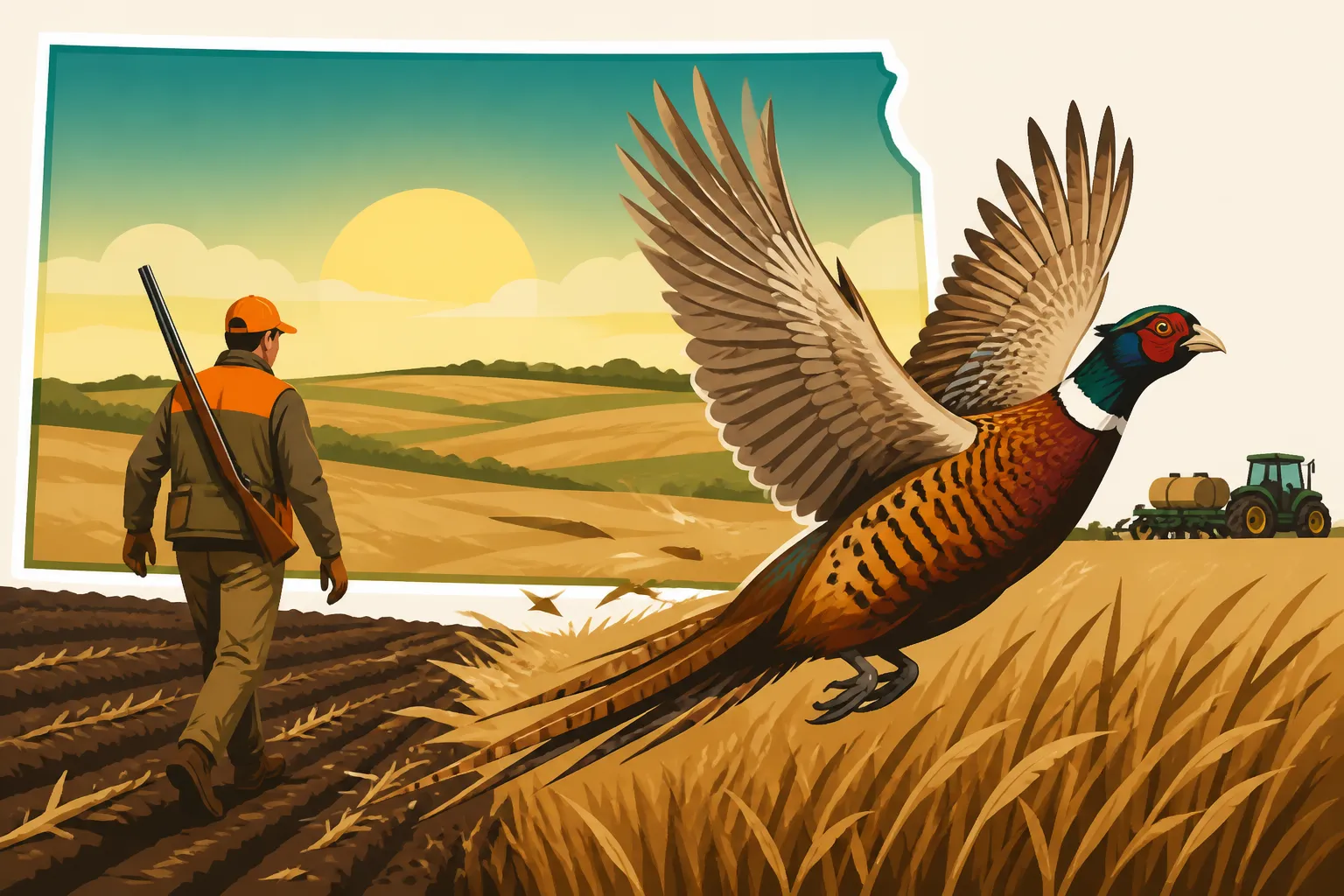
It's no secret that North Dakota is a pheasant hunter's paradise, but for many, the sheer volume of public hunting opportunities, especially the Public Land Open To Sportsmen (PLOTS) tracts, can feel overwhelming when you're trying to figure out where to begin. You see all those iconic yellow signs, beckoning you to some prime habitat, but transforming that promising access into actual birds in the bag requires more than just showing up. This guide aims to demystify the art of walking North Dakota PLOTS land for pheasants, turning those big stretches of prairie into productive hunting grounds.
Understanding North Dakota's PLOTS Program
Navigating public land in a state like North Dakota, especially for pheasant hunting, starts with truly understanding what PLOTS is and how to use it effectively. It's more than just a yellow sign; it's a vital program that opens up hundreds of thousands of acres to hunters like us, often in areas that hold fantastic pheasant populations.
What is the PLOTS Program and How Does it Work?
The Public Land Open To Sportsmen (PLOTS) program is a cornerstone of hunting access in North Dakota. Essentially, it's a voluntary program where private landowners agree to open their land to public hunting, fishing, and trapping in exchange for an annual payment from the North Dakota Game and Fish Department (NDGFD). These lands are typically enrolled for specific periods, often with habitat improvements in mind, making them magnets for wildlife, especially pheasants. The beauty of PLOTS is that it’s designed to provide habitat and access, often focusing on key areas that benefit upland birds, deer, and other game.
When you see a PLOTS sign, it means the landowner has made a commitment to allow public access. This is a game-changer for hunters who don't have private land connections, offering opportunities that would otherwise be unavailable. The NDGFD works closely with these landowners to ensure a positive experience for both the hunter and the land manager, which often means clear boundaries and specific rules posted at access points. It's a fantastic example of conservation and public access working hand-in-hand, creating hunting grounds that might otherwise be locked away.
Deciphering PLOTS Signs and Navigating with Maps
Once you understand the program, the next step is to know how to interpret the PLOTS signs themselves and effectively navigate these areas. Every PLOTS tract is marked with distinctive yellow signs at all public entry points. These signs usually include the name of the tract, the specific activities allowed (hunting, fishing, trapping), and any special restrictions. It's crucial to read these signs carefully, as some tracts may have unique rules, such as walk-in only access or specific restrictions on certain weapons.
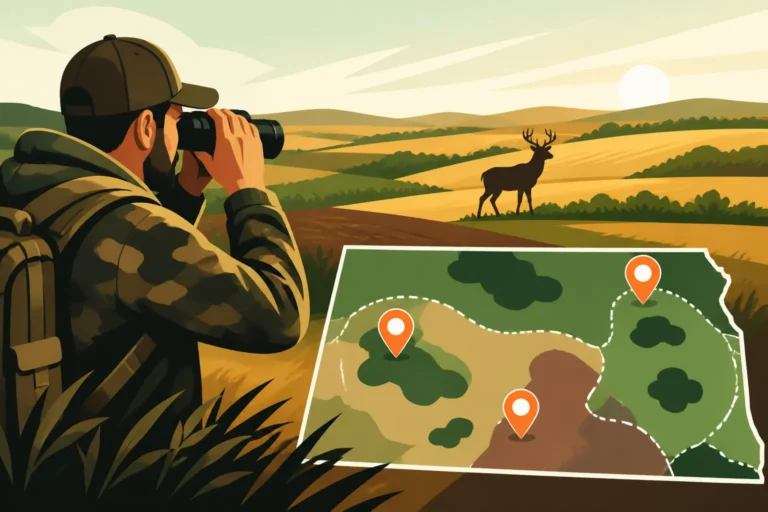
Beyond the physical signs, the NDGFD publishes an annual PLOTS Guide, both in print and digitally, and also offers the ND Hunt App. These resources are your absolute best friends for planning a walk-up pheasant hunt. The app, in particular, leverages GPS technology to show your exact location relative to PLOTS boundaries, which is invaluable when you're deep in a cattail slough or working a large field. Mapping tools like those found on GoHunt also integrate PLOTS data, allowing you to scout potential pheasant hotspots from the comfort of your home, identifying crucial features like shelterbelts, wetlands, and crop fields that often hold birds. This pre-season scouting, combined with on-the-ground sign reading, significantly increases your odds of finding pheasants. You can learn more about this by checking out the guide on Scouting PLOTS Land With the ND Hunt App.
Essential Gear and Preparation for Walking PLOTS
Pheasant hunting, especially when you're covering miles on foot across varied terrain, is not a casual stroll. It demands the right gear and thoughtful preparation to ensure both your comfort and success. Don't underestimate the impact of comfortable boots or the necessity of clear communication in the field.
Footwear and Clothing for Prairie Hunting
When you're walking miles of North Dakota prairie for pheasants, your feet are your most important asset. Investing in high-quality, waterproof, and comfortable boots is non-negotiable. Look for boots with good ankle support, as you'll be traversing uneven ground, matted grass, and potentially muddy or snowy conditions. Brands like Schnee's or Kenetrek are often favored by serious upland hunters for their durability and comfort, though many reputable hunting boot brands offer excellent options. Break them in well before the season to avoid blisters that can quickly ruin a hunt.
Layering is also key for clothing. North Dakota weather can be notoriously fickle, with crisp mornings giving way to surprisingly warm afternoons, or vice-versa. Start with a moisture-wicking base layer, add an insulating mid-layer like fleece, and top it with a durable, briar-resistant outer shell. Briar pants or chaps are highly recommended to protect your legs from thorns, sharp stubble, and the general abrasion of walking through dense cover. And, of course, remember your North Dakota Blaze Orange Requirements to ensure you're visible to other hunters and for safety.
Navigational Tools and Pre-Season Scouting
Even with distinct yellow signs, it’s surprisingly easy to get disoriented in the vastness of the prairie, especially when focused on working a bird. A reliable GPS device or a smartphone with a hunting app is crucial. Applications like the ND Hunt App provide real-time maps with PLOTS boundaries, land ownership, and your exact location. This helps you stay on public land and avoid accidental trespass. Similarly, platforms like GoHunt offer detailed satellite imagery that allows for extensive pre-season scouting. You can identify potential pheasant holding cover, travel corridors, and access points without ever leaving your home.
Before you even hit the field, spend time studying maps. Look for transitions in habitat – where a dense cattail slough meets a grass field, or where a shelterbelt borders a corn stubble field. These edges are often prime pheasant locations. Identifying these features beforehand gives you a solid game plan and helps you focus your efforts once you're on the ground, rather than just aimlessly wandering. Learning to Scouting PLOTS Land Before Season can drastically improve your chances.
Canine Companions: Considerations for Your Hunting Dog
For many, pheasant hunting simply isn't complete without a good bird dog. If you're bringing a canine companion, their preparation is just as important as yours. Ensure your dog is in excellent physical condition, capable of covering many miles. Start their conditioning well before the season, gradually increasing their exercise regimen. Pack plenty of water for your dog, even more than you think they'll need, and a collapsible bowl. The dry prairie air and strenuous activity can quickly dehydrate them.
A good quality e-collar is also essential for control, especially on public land where you might encounter other hunters or livestock. Consider a protective vest for your dog to prevent cuts and abrasions from sharp stubble, barbed wire, or the occasional cactus. Training your dog to respond to commands even when birds are flushing is paramount for safety and success. Remember, a well-behaved dog is a welcome hunting partner on any PLOTS tract.
Effective Strategies for Hunting Pheasants on Foot
Walking up pheasants on PLOTS land is an art form, requiring patience, observation, and a methodical approach. It's not about running through the field as fast as possible; it's about understanding how pheasants behave and using that knowledge to your advantage.
The Art of the Walk-Up: Pace and Observation
The walk-up is the classic pheasant hunting technique, and it's particularly effective on PLOTS land where pheasants might be holding tight in dense cover. The key is a slow, methodical pace. Many hunters walk too fast, allowing birds to flush wild far ahead or simply run out the front of the cover. A slow, steady pace, often with frequent pauses, allows your dog (if you have one) to work thoroughly and gives pheasants less time to decide whether to run or flush.
When walking, pay close attention to the wind direction. Pheasants typically flush into the wind, as it aids their takeoff. Position yourself and any hunting partners to cover areas where birds are likely to flush. As you walk, observe every clump of grass, every rise in the terrain, and any subtle changes in cover. Pheasants are masters of camouflage, and often, the only clue to their presence will be a flicker of movement or a subtle change in the dog's behavior. Don't just walk; hunt with your eyes and ears, anticipating the flush. This technique is similar to what you'd employ when Walking a Pheasant Field at Midday.
Working Cover Efficiently: Different Habitat Types
North Dakota PLOTS land offers a diverse range of habitats, and understanding how to work each type efficiently is crucial.
- Tall Grass (CRP): Conservation Reserve Program (CRP) land, often found on PLOTS, provides excellent nesting and loafing cover. When hunting CRP, walk against the wind in a zig-zag pattern or make long passes. Pheasants will often hold tight in this dense cover, especially on cold or windy days. If hunting with a group, spread out in a line to cover the breadth of the field. Don't be afraid to circle back or work the same area from a different angle if you suspect birds are present. For those with dogs, sending them to Running a Pointer Through CRP Grass is a great way to cover ground.
- Cattail Sloughs and Wetlands: These areas are often late-season havens for pheasants, offering thermal cover and protection from predators. Hunting sloughs is tough work and often requires wading. Focus on the edges and drier islands within the slough first. If you have multiple hunters, one or two can push through the dense center while others walk the perimeter, ready for birds that flush out the sides.
- Shelterbelts and Tree Rows: These linear strips of trees and shrubs provide vital winter cover and travel corridors. Working a Shelterbelt for Roosters is a classic strategy. Hunt them similarly to CRP, walking the length with hunters on both sides. Pheasants often hold in the thickest parts or at the very end of the shelterbelt, so be ready for a flush as you approach the end.
- Crop Fields (Stubble, Standing Corn): After harvest, stubble fields, especially corn, can hold a surprising number of birds feeding. Walk these fields methodically, focusing on fence lines, ditches, or any remaining strips of cover within the field. Standing corn is a beast to hunt but can be incredibly productive, especially later in the season. You'll need multiple hunters to effectively push standing corn, making sure to block the ends.
Team Hunting Tactics for Groups
While solo hunting is rewarding, hunting with a group can significantly increase your success rate on larger PLOTS tracts. The key is coordination and clear communication. Form a line, spacing yourselves appropriately to cover the width of the cover. Appoint a "line leader" to dictate the pace and direction, ensuring the line stays even.
Another effective group tactic is the "block-and-drive." This works well on long, linear pieces of cover like shelterbelts or larger sections of CRP. A few hunters are designated as "blockers" and quietly position themselves at the far end of the cover, ready to intercept birds that try to run out. The rest of the group acts as "drivers," slowly walking through the cover towards the blockers. This puts immense pressure on the pheasants, forcing them to flush. Remember, safety is paramount, so always be aware of where your partners are and maintain clear shooting lanes.
Reading the Landscape and Pheasant Behavior on PLOTS
Understanding why pheasants are in a particular spot is just as important as knowing how to hunt them. The landscape, coupled with current weather conditions and hunting pressure, dictates where birds will be found.
Identifying Prime Pheasant Habitat on PLOTS
Pheasants are creatures of habit and thrive in specific types of habitat. On PLOTS land, look for areas that offer a combination of three critical elements: food, cover, and water.
- Food Sources: Adjacent crop fields (corn, wheat, sunflower, soybeans) provide essential food. Look for unharvested rows, spilled grain, or fields recently cut. Pheasants will often move from dense cover to feed in these areas, especially in the mornings and evenings.
- Dense Cover: This is where pheasants spend most of their day, safe from predators and the elements. CRP grass, thick cattail sloughs, brushy draws, and shelterbelts are prime examples. The thicker and nastier the cover, the more likely pheasants are to hold there. Think about what would make it difficult for a hawk to spot a bird or a coyote to move quickly.
- Thermal Cover: During harsh North Dakota winters, pheasants need cover that protects them from cold winds and snow. Shelterbelts, dense plum thickets, and deep cattail sloughs provide crucial thermal protection. On sunny, cold days, pheasants will often be found on south-facing slopes or edges where they can bask in the sun's warmth.
Always look for the transition zones where these elements meet. For instance, the edge where a dense cattail slough borders a cornfield is a classic pheasant hotspot, as it offers food and immediate refuge. Upland areas with good grass cover near water sources are also excellent bets.
Wind, Weather, and Bird Movement
Weather plays a huge role in pheasant behavior, and successful hunters learn to adapt their tactics accordingly.
- Wind: On windy days, pheasants will seek refuge in dense, protected cover. This might mean the leeward side of a shelterbelt, a deep coulee, or the thickest part of a cattail slough. They will often hold tighter in these conditions to conserve energy and avoid being blown around. Hunters should plan to walk into or across the wind to maximize scenting conditions for dogs and give birds a natural flushing direction.
- Cold and Snow: As the season progresses and North Dakota gets its first snowfalls, pheasants will concentrate in heavy thermal cover. Think large cattail sloughs, dense shelterbelts, and unharvested food plots. Their survival depends on finding protection from the cold. Hunting after a fresh snow can be excellent, as tracks can reveal movement patterns, and birds often stand out more against the white backdrop. For more on this, check out Late-Season Pheasant Tactics in Deep Snow.
- Rain/Fog: Pheasants tend to hunker down in dense cover during rain or heavy fog. They might be less inclined to move, offering tighter flushes if you can find them. However, wet conditions can make scenting more difficult for dogs.
- Sun/Warmth: On cold, sunny days, pheasants will often be found sunning themselves on the edges of cover, particularly on south-facing slopes or field edges. They might be more apt to run on warmer days, so a faster pace or more aggressive blocking might be necessary.
Pressure and Roosting Patterns
Pheasants are smart, and they quickly learn to avoid pressure. PLOTS land, being public, often sees significant hunting pressure, especially early in the season and on weekends. Understanding how this pressure affects their behavior is crucial.
- Early Season/High Pressure: During opening weekend and periods of high pressure, pheasants on easily accessible PLOTS tracts will become extremely wary. They'll often flush wild, running far ahead, or simply sit tight until you've passed, only to flush behind you. In these situations, focus on less accessible areas, deeper into large tracts, or those with thicker, nastier cover that other hunters might avoid. Hunting midweek can also yield better results when pressure is lower.
- Late Season/Low Pressure: As the season wears on and hunting pressure dwindles, pheasants might become slightly less wary, but they will still prefer heavy cover. They'll have learned escape routes and will use them. Focus on areas that offer excellent thermal protection and easy access to food.
- Roosting: Pheasants typically roost in tall grass or dense cover overnight. In the mornings, they'll often fly or walk to feeding areas. As the day progresses, they'll move back to loafing cover. Understanding these daily movements can help you time your hunts. Early morning or late afternoon, near food sources, can be productive. Midday, focus on dense loafing cover. Recognizing Hunting Pressure on North Dakota Public Land is a key component to finding success.
Overcoming Challenges and Maximizing Success
Hunting North Dakota PLOTS land for pheasants isn't always easy. There are common frustrations and challenges that every hunter faces. Learning to adapt and persist is part of the game.
Dealing with Hunting Pressure on Public Land
One of the biggest realities of hunting PLOTS land, especially for popular species like pheasants, is the presence of other hunters. It's frustrating to arrive at your planned spot only to see other vehicles already there, or to hear shots echoing from where you intended to hunt. However, this doesn't mean your day is over.
The key is to think like a pheasant. Where would they go to escape pressure? Often, it's the nastiest, hardest-to-reach cover. Look for those deep cattail sloughs, the thickest plum thickets, or the farthest corners of a large CRP field. Many hunters stick to easily accessible areas near roads or designated parking. By being willing to walk a little farther, push through tougher cover, or explore tracts that require more effort, you can often find birds that have been overlooked. GoHunt maps can be invaluable here, helping you identify these less-pressured pockets. Sometimes, simply waiting an hour for other hunters to clear out of an area can make a difference. The guide on Finding PLOTS Ground Others Walk Past offers valuable insights into this strategy.
The Late Season Grind: Tactics for Wary Birds
As the season progresses, pheasants become incredibly wary. They've been shot at, chased by dogs, and have learned every trick in the book. This is when the "grind" truly begins, but it can also be some of the most rewarding hunting.
Late-season pheasants will prioritize survival. This means they'll be concentrated in the heaviest cover available that also offers thermal protection and nearby food. Think the deepest, nastiest cattail sloughs, dense shelterbelts with heavy undergrowth, and standing corn that offers both food and cover. They are also much more prone to running than flushing. To counter this, consider employing more aggressive blocking tactics with a group, or making wider, sweeping movements to push birds towards a natural barrier. For solo hunters or those with dogs, a very slow, deliberate pace, with frequent stops, can sometimes coax a tight-holding bird into flushing. Hunting after a fresh snow can also make birds more visible and concentrated in key cover, simplifying your search.
Persistence, Adaptability, and Learning from Each Hunt
The biggest takeaway for any hunter walking North Dakota PLOTS land for pheasants is the need for persistence and adaptability. Not every hunt will be a banner day, and there will be frustrating moments. You might walk for miles without seeing a feather, or have birds flush just out of range.
The successful hunter doesn't get discouraged easily. They learn from each outing. Did the birds run? Try a different approach next time, perhaps with more blockers. Was the cover too thin? Seek out denser areas. Did you miss a particular habitat feature? Make a note for your next scouting trip. Use your mapping apps to mark where you saw birds, where you flushed them, and what kind of cover they were in. Over time, you'll develop a keen sense of what works on specific types of PLOTS land in various conditions. North Dakota offers incredible opportunities, but it often rewards those who are willing to put in the effort and learn from their experiences.
Safety and Etiquette on North Dakota PLOTS
Hunting is a privilege, and with that comes a responsibility to ensure safety and respect for the land, wildlife, and fellow outdoor enthusiasts. These considerations are especially important on shared public lands like PLOTS tracts.
Hunter Orange and Visibility Requirements
Safety is always the number one priority, and on PLOTS land, where multiple hunters may be present, visibility is paramount. North Dakota law requires hunters to wear blaze orange during certain seasons and for specific species, especially during the deer gun season, which often overlaps with pheasant season. Even if not legally mandated for your specific hunt on a particular day, wearing plenty of blaze orange (or blaze pink, which is also allowed) is highly recommended for pheasant hunting.
This means a blaze orange cap, vest, or jacket, ensuring you are clearly visible from all directions. It's not just about protecting yourself from other hunters, but also making yourself visible to anyone else who might be using the land, such as landowners or other recreationists. Always assume there are other hunters in the field, even if you don't see them. Emphasize this with your hunting partners and ensure everyone in your group is well-marked. For detailed requirements, refer to North Dakota Blaze Orange Requirements.
Respecting Property Boundaries and Fellow Hunters
When hunting PLOTS land, you are on private land that has been generously opened for public access. It is absolutely critical to respect those boundaries. Always carry a reliable map (like the ND Hunt App or GoHunt) to ensure you stay within the marked PLOTS boundaries and do not inadvertently trespass onto adjacent private land that is not part of the program. Pay attention to fence lines, distinct changes in cover, or any other markers that might delineate property lines. If you are unsure, err on the side of caution.
Furthermore, extend courtesy to other hunters. If you see another group already working a tract, consider moving to a different area. If you must enter the same tract, give them ample space and avoid cutting off their drives or crowding their hunting area. Communication is key; a friendly wave or quick conversation can prevent misunderstandings. Public land is for everyone, and shared respect ensures a positive experience for all.
Leaving No Trace and Preserving Access
The principle of "leave no trace" is fundamental to responsible hunting and outdoor recreation. This means packing out everything you pack in – spent shotgun shells, food wrappers, water bottles, and any other trash. Do not leave behind empty shells in the field; they are easily collected and detract from the natural beauty of the land.
Beyond trash, consider your impact on the land itself. Avoid driving vehicles off designated trails or established access points unless explicitly permitted. Be mindful of fences and gates, closing them behind you as you found them. The continued success of the PLOTS program relies heavily on positive relationships between the NDGFD, landowners, and hunters. By demonstrating respect for the land and the generosity of the landowners, we help ensure that these valuable public hunting opportunities remain available for future generations.
PLOTS Cover Types and Pheasant Preferences
To help you visualize where pheasants might be holding, here's a quick reference guide to common PLOTS cover types and how birds typically use them.
| Cover Type | Typical Location | Pheasant Use | Hunting Approach |
|---|---|---|---|
| CRP Grass | Large fields, often undulating hills | Roosting, loafing, nesting, escape cover. Hold tight in dense stands. | Slow, methodical walk-ups, zig-zag patterns. Group lines spread out. |
| Cattail Sloughs/Wetlands | Low-lying areas, often near water | Heavy thermal cover, escape cover, late-season refuge. | Focus on edges, dry islands. Aggressive pushes with blockers in late season. Tough walking. |
| Shelterbelts/Tree Rows | Linear strips, often bordering fields | Thermal cover, travel corridors, escape cover. Birds hold in thickest parts, especially at ends. | Walk the length with hunters on both sides. Be ready for flushes at the ends. Working a Shelterbelt for Roosters is common. |
| Food Plots (Corn, Milo) | Often adjacent to dense cover | Primary food source, some escape/thermal cover. | Walk lanes, focus on edges. Aggressive drives with multiple hunters for standing corn. |
| Plum Thickets/Brush Piles | Dense, thorny patches, often in draws | Excellent escape cover, thermal cover. Birds will hold extremely tight. | Very slow, deliberate pushes. Expect close flushes. Tough on dogs and clothing. |
| Stubble Fields (Wheat, Bean) | Recently harvested agricultural fields | Feeding areas, less cover. Birds might be present early morning/late evening. | Quick walks, focus on ditches, fence lines, or remaining stubble patches. |
Disclaimer
The information provided in this guide is for general informational purposes only and does not constitute legal advice. Hunting regulations and conditions can change rapidly. Always consult the official North Dakota Game and Fish Department regulations and current year's PLOTS guide before heading into the field. Ensure you understand all applicable laws, obtain the necessary licenses and permits, and prioritize safety above all else.