What a Public Land Pheasant Hunt Actually Costs
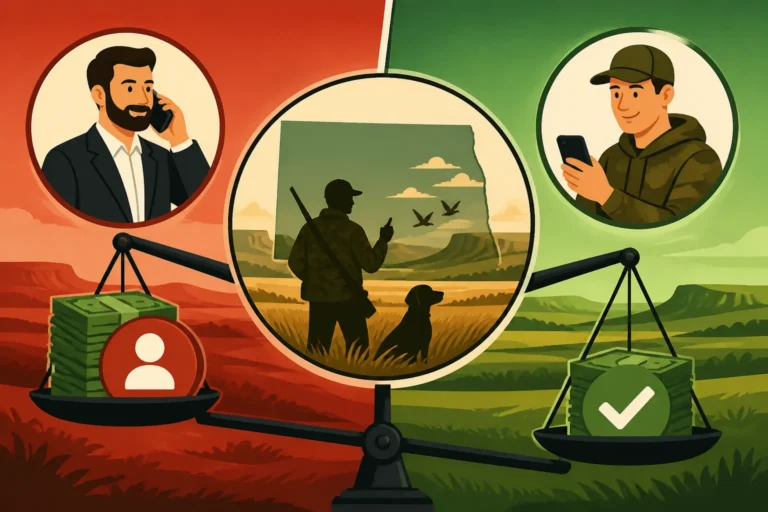
Many hunters dream of chasing ring-necked pheasants across the vast public lands of North Dakota, envisioning a budget-friendly adventure without the hefty price tag of a guided outfitter. However, the reality is that a truly "free" hunt is a myth, even when you're walking public ground. There are numerous direct and indirect expenses that pile up, and understanding them beforehand is crucial for any hunter planning a self-guided trip. This guide will meticulously break down the actual costs involved in a public land pheasant hunt in North Dakota, helping you budget wisely and avoid unwelcome surprises.
The Illusion of "Free" Public Land Hunting
It’s easy to look at a map, see vast tracts of public land, and think, "This is it! My chance to hunt without breaking the bank." And while it's true that you won't be paying a daily access fee to a private landowner or an outfitter, the expenses start mounting long before you ever step foot in a prairie pothole or a CRP field. Public land hunting requires a significant investment in licenses, gear, travel, and time – all of which contribute to the real, often overlooked, cost.
Beyond the Sticker Price of a License
The first and most fundamental cost is always the hunting license itself. For many, especially nonresidents, this can be a substantial initial outlay. You're not just buying a "pheasant license"; there's often a hierarchy of permits you need to acquire. Typically, you'll need a base hunting license, a general game and habitat license, a small game license, and then specific endorsements like the pheasant stamp. If you're hunting migratory birds as well, there's the federal duck stamp and the Harvest Information Program (HIP) certification.
While residents enjoy significantly lower rates, nonresidents face a steeper cost curve, reflecting the state's efforts to manage hunting pressure and generate revenue. It's not just a single fee; it's a stack of fees that, when combined, can surprise the uninitiated. Imagine meticulously planning your route to a prime piece of Public Hunting Land in North Dakota only to realize you're missing a critical stamp because you only budgeted for the "main" license. Always check the North Dakota Game and Fish Department's website for the most current fee structure, as these figures can change. For nonresidents, particularly, these license costs can form the largest single expense before even leaving home. You might think, "Well, it’s just a license," but for a nonresident, that combined cost can be hundreds of dollars, making it a critical part of your initial budget. You can find more specific details on parts of this package in articles like North Dakota Nonresident Small Game License Cost.
The Hidden Costs of Self-Sufficiency
When you opt for a self-guided hunt on public land, you are, in essence, becoming your own outfitter. This means taking on all the responsibilities and, consequently, all the costs that an outfitter typically handles. A guided hunt might have a higher upfront price, but it bundles services like scouting, lodging, meals, and often even bird cleaning. When you go it alone, every single one of those elements becomes your direct financial and time responsibility.
Consider the effort and expense of scouting. An outfitter does this year-round, analyzing habitat, tracking bird numbers, and knowing precisely where to go. You, on the other hand, might spend days driving gravel roads, consulting maps, and walking potential areas, all before the season even opens. That's gas money, time off work, and wear and tear on your vehicle. You're researching North Dakota Pheasant and Upland Season Rules, reading harvest reports, and trying to predict bird movements. All of this effort, while rewarding, isn't free. It’s a stark contrast to arriving at a lodge where everything is prepared, and your guide already knows the best spots, as discussed further in Self-Guided Versus Outfitted North Dakota Hunts. The self-guided experience is incredibly fulfilling, but that fulfillment comes with a cost of both money and dedicated effort.
Essential Gear and Equipment Investments
Hunting pheasants in North Dakota means being prepared for a demanding environment. The prairie can be unforgiving, with diverse terrain, thick cover, and rapidly changing weather conditions. Having the right gear isn't just about comfort; it's about safety and success. While you might already own some hunting essentials, a dedicated pheasant hunt often requires specialized items or upgrades that add to your overall expenditure.
Firearms, Ammunition, and Dog Gear
Let's start with the basics: your shotgun and ammunition. Most pheasant hunters prefer a 12 or 20-gauge shotgun, typically a pump, semi-automatic, or over/under. While you might already have one, ensuring it's in top condition and properly choked for upland birds is important. Then there's the ammunition. Pheasants are tough birds, and you'll want quality shells, usually in sizes like 4, 5, or 6 shot. Prices per box can fluctuate significantly, and you'll go through more than you think, especially if the birds are running or flushing wild. It's not uncommon for a serious pheasant hunter to bring several cases of shells for a week-long trip, and those costs add up quickly.
If you bring a hunting dog, and for many, a pheasant hunt just isn't the same without a trusty canine companion, your gear list expands considerably. Dogs need protective vests to navigate thorny cover like multiflora rose or thick cattails without injury. An e-collar is often essential for effective communication and control in vast open spaces. Basic supplies like leashes, water bowls, and a substantial amount of dog food for active days are also necessary. Beyond the field gear, consider the cost of proper health checks and any necessary vaccinations or preventative medications before travel. A healthy, well-equipped dog is an invaluable asset, but ensuring they are ready for the rigors of a North Dakota pheasant hunt is an investment, as outlined in articles like Running a Pointer Through CRP Grass.
Clothing, Footwear, and Safety Essentials
North Dakota weather is notoriously unpredictable. A beautiful, crisp autumn morning can quickly turn into a windy, spitting snowstorm by afternoon. Proper layering is key, and that means investing in quality technical clothing that can adapt. You'll need moisture-wicking base layers, insulating mid-layers, and a durable, waterproof, windproof outer shell. Brightly colored blaze orange is a legal requirement in many situations and a smart safety choice even when not strictly mandated. Your outer vest or jacket should have a prominent blaze orange component. Blaze Orange Options Under North Dakota Law provides more detail on what’s acceptable.
Beyond clothing, your footwear is paramount. You’ll be walking miles, often through uneven terrain, tall grass, and potentially wet or muddy conditions. High-quality, waterproof, comfortable hunting boots are non-negotiable. Don’t skimp here; blisters or wet feet can ruin a hunt faster than anything. Many hunters also swear by upland chaps or briar pants to protect their legs from sharp stubble, thorns, and burrs. Finally, essential safety gear includes a well-stocked first-aid kit, a reliable GPS device or a smartphone with mapping apps (and backup battery!), and a means of communication, especially if you're hunting alone in remote areas. Even a simple whistle can be a lifesaver.
Game Processing, Field Accessories, and Other Needs
While the primary focus is pheasant, many hunters enjoy the possibility of a mixed bag, adding sharptail grouse or Hungarian partridge to their daily tally. Your gear should also include items for handling the game once it's down. A good bird vest with a large game bag is essential for carrying your daily limit. You'll also want a bird cleaning kit, complete with sharp shears and a knife. Cooler and ice are vital for preserving your birds, especially if you’re staying for several days.
Other helpful field accessories might include shooting glasses, hearing protection, and a quality pair of binoculars for spotting distant birds or observing other wildlife. While not strictly "pheasant" specific, a good thermos for coffee or soup can be a morale booster on a cold day. For longer hunts, especially if you're camping, you'll need portable cooking gear, a camp stove, fuel, and storage for food and water. These items, though seemingly minor individually, collectively add to the overall cost of your self-guided adventure. Exploring different upland species, such as highlighted in Hunting Sharptail Grouse at First Light, often means you’ll want to be prepared for varied terrain and conditions that might require different gear.
Travel, Lodging, and Sustenance on the Prairie
Getting to and staying in North Dakota for a pheasant hunt involves significant logistical planning and associated costs. The state is vast, and many prime hunting areas are a considerable distance from major towns. You’ll need a reliable vehicle, a place to rest your head, and plenty of provisions to fuel your efforts in the field.
Fuel, Vehicle Maintenance, and Transportation
North Dakota is a big state, and reaching those prime public land spots often means covering hundreds of miles, both on highways and on gravel roads. Fuel costs for a truck or SUV, often necessary for navigating rural routes, can quickly become one of your largest expenses. Remember, you're not just driving to North Dakota; you're driving in North Dakota, often zigzagging across townships and sections each day.
Beyond the gas pump, consider the wear and tear on your vehicle. Gravel roads, while generally well-maintained, can take a toll on tires and suspension. An unexpected flat tire or a mechanical issue in a remote area can be a major headache and an unplanned expense. Before heading out, a thorough vehicle inspection – oil change, tire rotation, fluid checks – is a smart preventative measure. Some public lands may have restrictions on vehicle access, so understanding rules like those covered in ATV Rules on North Dakota Section Roads is important, as you’ll likely be relying on your primary vehicle or foot power. Budgeting for fuel should not be an afterthought; it’s a primary operational cost for any self-guided hunter.
Accommodation Choices: From Camping to Motels
When it comes to lodging, you have a spectrum of choices, each with its own cost implications. The most budget-friendly option is often camping, whether in a tent or an RV. Many public lands, like certain areas within the national grasslands or state parks, offer designated camping spots, some with minimal fees. However, camping still requires an investment in camping gear (tent, sleeping bag, stove, cooler, lighting), and in colder shoulder seasons, robust equipment is essential for comfort. If you plan to camp, it's worth reviewing guidelines such as those found in Camping Rules on North Dakota National Grasslands.
Alternatively, staying in a motel or hotel in a small prairie town offers more comfort and amenities. Prices vary widely depending on the town and time of year, but even basic accommodations can add up over several nights. Booking well in advance is highly recommended, especially during peak hunting seasons, as rooms in popular hunting hubs fill up quickly. For larger groups, renting an Airbnb or a cabin might offer a more communal and cost-effective solution, balancing privacy with shared expenses. The convenience of a warm bed and hot shower after a long day in the field often outweighs the extra cost for many hunters.
Food, Drink, and Camp Comforts
Hunting is physically demanding, and you'll need to stay well-fed and hydrated. Your approach to food can significantly impact your budget. Packing groceries and cooking most of your meals, whether at a campsite or in a motel room with a kitchenette, is generally the most economical option. This requires bringing a cooler, ice, and basic cooking supplies. Don't forget snacks for the field, coffee for crisp mornings, and plenty of water or sports drinks.
Eating out in small North Dakota towns, while a nice treat, can quickly inflate your expenses. Even a few restaurant meals or nightly stops at the local diner can add hundreds to your trip budget over a week. Factor in the cost of ice, propane for cooking, and other creature comforts like a camp chair, a small radio, or a good book for downtime. These small expenditures, when accumulated, represent a genuine financial commitment to your hunting experience. Thinking through your meal plan and being disciplined about preparing most of your own food can make a big difference in the final tally of your self-guided hunt.
Time and Opportunity Cost
Beyond the tangible costs of licenses, gear, and travel, a self-guided public land pheasant hunt demands a significant investment of your most valuable, and often unquantified, resource: your time. This "time cost" manifests in preparation, actual hunting days, and the opportunity cost of what you might have been doing otherwise.
The Value of Your Time in Scouting and Preparation
A successful public land pheasant hunt doesn't just happen; it's the culmination of diligent research and preparation. This starts long before you ever leave home. You'll spend hours pouring over maps, reviewing aerial photographs, and studying habitat types to pinpoint promising areas. Websites and apps like GoHunt can be invaluable resources for this digital scouting, allowing you to identify public land boundaries, potential cover, and access points. However, subscribing to these services also has a cost, albeit a worthwhile one for serious hunters.
Then there's the physical scouting. Ideally, you'd spend a day or two on the ground, driving to potential areas, walking field edges, and looking for sign. This upfront investment in time is crucial for understanding bird movements and pressure from other hunters. If you're traveling a long distance, those scouting days add to your fuel, lodging, and food expenses, all without pulling the trigger. The time spent learning about Scouting PLOTS Land With the ND Hunt App is time not spent earning money or on other leisure activities. It's a dedication to the craft that often goes uncalculated but is undeniably a part of the true cost.
Missed Work and Vacation Time
For many, a multi-day hunting trip means taking precious vacation days from work. While your employer may not send you a bill for "missed work," those days represent lost wages or valuable time that could have been spent on other activities. If you take five days off work for a hunt, that's five days you're not earning income. This is a very real, albeit intangible, financial cost.
For nonresidents especially, the travel days on either end of the hunt only add to this time commitment. A week-long hunt might easily turn into 9 or 10 days away from home when factoring in driving time. This commitment impacts not just your personal finances but also your family life and other responsibilities. It highlights why understanding restrictions, such as How Many Days Nonresidents Wait for Public Land Bow Access, is important, as they directly impact your available hunting window and how you plan your time off. The enjoyment and memories created are priceless, but it's important to acknowledge the trade-off.
The "What If" Costs and Contingencies
No matter how meticulously you plan, unexpected events can and do happen. What if your vehicle breaks down on a remote gravel road? What if a sudden blizzard rolls in, making travel impossible for a day or two? What if you lose a critical piece of gear like your GPS or your dog's e-collar? These "what if" scenarios carry potential financial and time costs.
Having an emergency fund or easily accessible credit for unforeseen expenses is a wise move. This could be anything from calling a tow truck in a rural area to needing to replace lost items or even extending your stay due to weather. Some hunters consider trip insurance, especially for longer, more expensive nonresident trips, though this is less common for self-guided pheasant hunts than for big game. While BookYourHunt primarily focuses on guided services, it illustrates the peace of mind that can come with pre-planning for contingencies. As discussed in What Happens If Weather Cancels Your Hunt, being prepared for the unpredictable North Dakota environment is crucial, and that preparation often comes with a financial safety net.
| Cost Category | Typical Items Included | Resident Cost Shape | Nonresident Cost Shape | Notes |
|---|---|---|---|---|
| Licenses & Permits | Base, General Game & Habitat, Small Game, Pheasant Stamp, HIP, Federal Duck Stamp | Moderate | High | Varies by state; critical for legality. |
| Firearms & Ammo | Shotgun, Chokes, Ammunition (multiple boxes) | Existing + Moderate Ammo | Existing + Moderate Ammo | Ammo costs add up quickly. |
| Dog Gear | Vest, E-collar, Leash, Food, Bowls, Vet check | Moderate to High | Moderate to High | Essential for effective hunting with a dog. |
| Apparel & Safety | Layers, Waterproofs, Blaze Orange, Boots, Chaps, First Aid, GPS | Moderate to High | Moderate to High | Comfort and safety are paramount in varying weather. |
| Travel | Fuel, Vehicle Maintenance, Tires | Moderate to High | Very High | Long distances on rural roads. |
| Lodging | Camping fees, Motel/Hotel, Cabin rental | Low to Moderate | Moderate to High | Varies greatly by choice and season. |
| Food & Drink | Groceries, Restaurant meals, Snacks, Water | Moderate | Moderate to High | Self-catering saves significant money. |
| Scouting Tools | Mapping apps (e.g., GoHunt), Binoculars, Spotting scope | Low to Moderate | Low to Moderate | Digital tools save time, but often involve subscriptions. |
| Contingencies | Emergency fund for breakdowns, lost gear, unexpected delays | Variable | Variable | Essential "peace of mind" budget item. |
| Time | Vacation days, Lost wages, Preparation time | Unquantifiable (Personal) | Unquantifiable (Significant) | Often the biggest "hidden" cost. |
Disclaimer
This article is for general informational purposes only and does not constitute professional advice. Laws, prices and regulations vary by location and change over time. Consult a qualified professional for guidance on your specific situation.