Pass-Shooting Geese on the James River
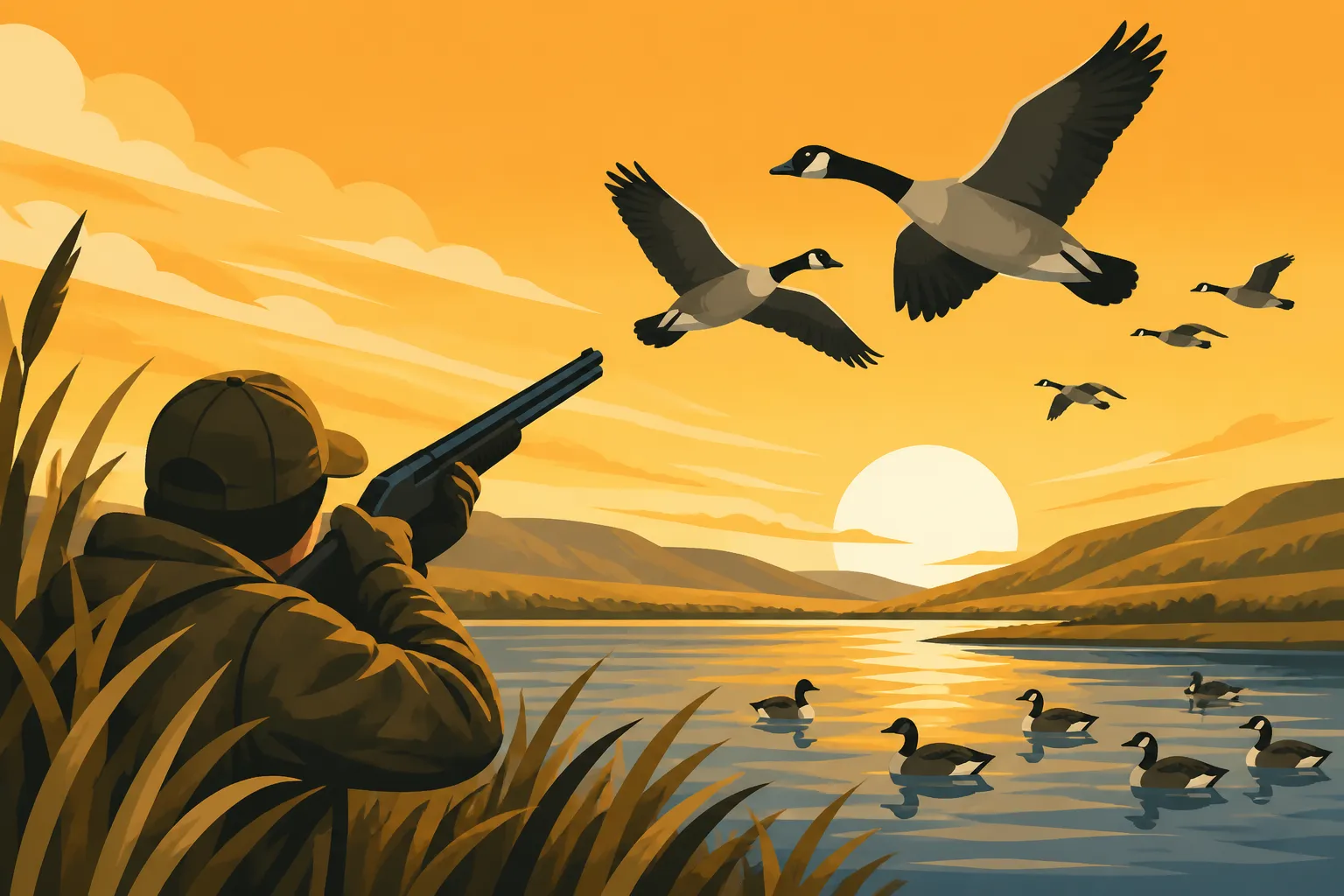
Hunting geese in North Dakota can often feel like a constant battle for field access, endless knocking on doors, or navigating crowded public land fields. The sheer intelligence of geese, combined with their tendency to feed in wide-open spaces, can make traditional decoying a daunting challenge. But there's a lesser-talked-about, equally thrilling, and often more accessible method for harvesting these magnificent birds: pass-shooting along natural flyways like the James River. This guide will walk you through everything you need to know to successfully intercept geese as they commute between roosts and feeding grounds.
Understanding the James River Basin and Goose Movement
The James River, meandering through eastern North Dakota, is more than just a waterway; it's a vital artery in the Central Flyway, a natural highway for migratory waterfowl. Understanding how geese utilize this unique landscape is the cornerstone of effective pass-shooting. It’s not about convincing them to land, but about being in the right place at the right time as they travel.
The James River as a Natural Flyway
The James River basin, part of the broader North Dakota's Prairie Pothole Region Explained, creates a distinct geographical feature that influences bird movement. Unlike vast, flat prairies where geese might disperse widely, the river corridor, with its associated tree lines, shelterbelts, and slightly elevated banks, acts like a funnel. Geese, whether local birds or those migrating from further north, use these linear features for navigation. They'll follow the river upstream or downstream, often just above the tree line or the immediate river banks, on their daily flights. This predictable behavior is precisely what pass-shooting capitalizes on. You're essentially setting up an ambush along their established travel routes, rather than trying to lure them into a specific field. This method can feel incredibly rewarding because it relies more on observation and strategic positioning than elaborate decoy spreads. It’s a game of chess against their instincts, trying to predict their flight path based on the landscape and prevailing winds.
Identifying Key Roosting and Feeding Areas
Geese are creatures of habit. They require safe, open water for roosting at night, providing protection from predators. The James River itself, along with numerous larger sloughs, reservoirs, and even deep, wide prairie potholes within the basin, serve as critical roost sites. From these roosts, geese will make daily flights to nearby feeding grounds, which are almost always agricultural fields. Think corn, wheat, barley, or even pea fields – anything that offers a high-energy food source. In the mornings, they leave the roost, often in smaller family groups or larger flocks, heading directly to their chosen breakfast spot. In the late afternoon, they reverse course, flying back to the safety of the water for the night.
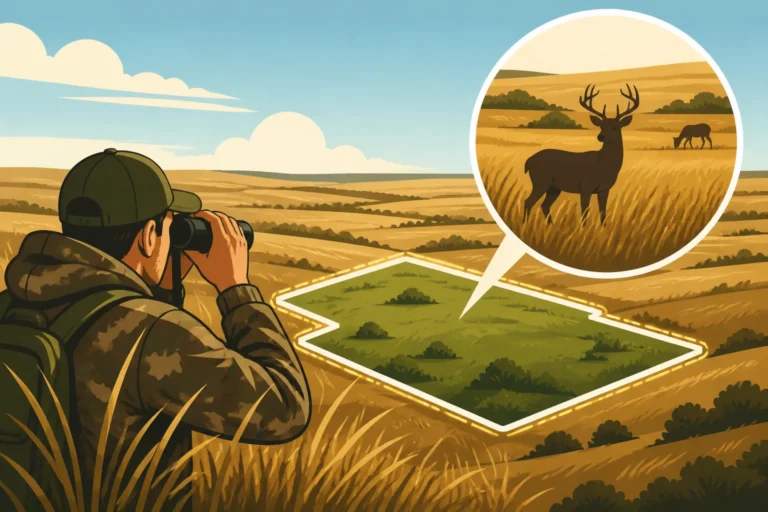
Your scouting mission, therefore, is two-fold: identify the major roosting bodies of water along the James River and pinpoint the primary feeding fields in the surrounding countryside. This often means driving rural roads, glassing with binoculars, and even using tools like a good mapping app to spot large water features and open fields. Once you know where they sleep and where they eat, the James River corridor between these two points becomes your hunting ground. The key is to find those natural bottlenecks or constrictions along the river that concentrate their flight path, making it easier to intercept them. This could be a sharp bend in the river, a narrow strip of timber, or a slight rise in elevation that birds tend to fly over. For those looking to learn more about the seasonal movements of these birds, understanding North Dakota Waterfowl on the Prairie Pothole Flyway can provide valuable context.
Essential Gear and Setup for Successful Pass-Shooting
Effective pass-shooting isn't just about showing up; it's about being prepared with the right tools and knowing how to blend into the environment. Unlike decoy hunting, where the allure of your spread does most of the work, pass-shooting puts the onus squarely on your concealment and shooting prowess.
Shotguns, Ammunition, and Choke Selection
When you're pass-shooting geese, you're generally taking longer shots at high-flying birds, which means your equipment needs to be up to the task. A 12-gauge shotgun is almost universally recommended for goose hunting due to its versatility and power. While a 10-gauge can offer an extra punch, modern 12-gauges with appropriate loads are more than sufficient.
Now, for ammunition, North Dakota, like everywhere else, requires the use of non-toxic shot for waterfowl. This means steel, bismuth, or tungsten-based loads. Steel shot is the most common and affordable. For geese, you'll want larger shot sizes to ensure enough energy and penetration at extended ranges. Think BB, BBB, T, or even F for the largest Canada geese. Bismuth and tungsten alternatives, while pricier, offer superior density and energy retention, meaning you can often drop down a shot size (e.g., use #1 or #2 bismuth where you'd use BB steel) and still achieve excellent results, sometimes even with a slightly more open choke.
Choke selection is critical. For pass-shooting, where distances are often 40-60 yards or more, a full or improved modified choke is generally preferred. This tightens your shot pattern, putting more pellets on the bird. However, remember that steel shot patterns differently than lead; a modified choke with steel can sometimes pattern as tightly as a full choke with lead. It's always a good idea to pattern your shotgun with your chosen load and choke before the season to understand its true performance.
Here’s a quick guide to common choke and shot size pairings for geese:
| Gauge | Choke Type | Recommended Steel Shot Sizes | Best Use Case |
|---|---|---|---|
| 12ga | Improved Modified | BB, BBB | Versatile for varying distances, good pattern density |
| 12ga | Full | T, F, BBB | Longer range shots, denser patterns |
| 10ga | Full | T, F | Maximum range, large geese |
| 12ga | Modified | #1, BB | Closer shots, or with denser non-toxic alternatives |
Concealment: Blinds, Clothing, and Natural Cover
Geese possess incredible eyesight, and even a slight glint or an unnatural outline can send them veering off course. Therefore, effective concealment is paramount. The James River environment offers varied cover. Along the banks, you might find stands of cattails, willow bushes, or even small timber. Your goal is to become an invisible part of this landscape.
Layout blinds, while excellent for field hunting like Layout Blind Hunting Devils Lake Fields, can be effective if you can dig them in or integrate them seamlessly into the riverbank. More often, a panel blind brushed in with natural vegetation or simply using the existing cover – like a dense thicket of willows or tall reeds – is your best bet. Think about breaking up your silhouette, not just hiding completely. A blob of dark camo against a lighter background will still stand out.
Your clothing needs to match the environment. Earth tones, browns, and grays with natural patterns will serve you well. A face mask and gloves are non-negotiable to hide exposed skin. If you anticipate needing to wade into the shallow edges for retrieval or positioning, a good pair of chest waders will be essential. Always scout your chosen spot with an eye for how you can disappear before the geese make their appearance. For those using mapping applications, the detailed satellite imagery and public land overlays on GoHunt can help you pinpoint those subtle changes in terrain that act as natural funnels for geese, and also identify natural cover.
Decoys and Calls: Lures and Loud Vocals
The beauty of pass-shooting is that it minimizes the need for an elaborate decoy spread. Unlike hunting over a spread where dozens or even hundreds of decoys might be deployed, for pass-shooting, you're not trying to bring birds down to the ground. You're trying to influence their flight path just enough to bring them into shooting range.
Some pass-shooters opt for a minimal spread of a few full-body or shell decoys placed on a nearby bank or even floating in the river. This can add a touch of realism and sometimes give passing birds a bit more confidence to fly closer. However, many successful pass-shooters use no decoys at all, relying solely on their concealment and calling.
This is where calling becomes critical. Unlike the soft, contented clucks and murmurs used when birds are locked on decoys, pass-shooting calls are often louder, more aggressive, and designed to grab attention. Hail calls, comeback calls, and insistent clucks are your primary tools. You want to make your presence known just enough to make them curious or to turn them slightly, but not so much that they detect your position or become alarmed. The goal isn't to land them, but to make them commit to flying within your effective shooting range. Practicing your calling well before the season, listening to real geese, and refining your cadence will pay dividends.
Strategic Approach to Pass-Shooting Geese
Pass-shooting geese on the James River is a dance between patience, precision, and understanding the subtleties of goose behavior in a linear environment. It's less about volume and more about maximizing your few, critical opportunities.
Site Selection and Wind Considerations
Choosing the right location along the James River is arguably the most crucial aspect of pass-shooting. You're looking for natural bottlenecks or funnels that concentrate goose traffic. This could be:
- River Bends: Geese often cut corners or follow the inside curve of a significant bend, which can bring them closer.
- Narrow River Sections: Where the river temporarily narrows or the tree lines on either side close in, geese will naturally be funneled into a tighter corridor.
- Elevation Changes: A sudden rise in the riverbank or a cluster of taller trees can force geese to fly higher or, conversely, dip lower to maintain their preferred flight altitude, potentially bringing them into range.
- Breaks in Tree Lines: A gap in an otherwise continuous line of trees along the river can be a prime spot, as geese might dip down to pass through the opening.
Wind is another massive factor. Geese, like all birds, prefer to fly into the wind or with a crosswind. They rarely fly directly with a strong tailwind unless absolutely necessary, as it makes controlling their flight and landing more difficult.
- Crosswinds: These are often ideal. Set up on the downwind side of the river, facing into the wind. Geese flying across the river into the wind will be fighting it, slowing them down and giving you a better shot.
- Headwinds: If the wind is blowing directly up or down the river, set up slightly off to the side of their flight path. Geese will be working harder, flying slower, and often lower, to make progress.
For those unfamiliar with the area, a good mapping tool like GoHunt can be invaluable for identifying potential choke points and access routes along the river. Combining satellite imagery with topographical maps will highlight these natural funnels before you even set foot on the ground.
Timing Your Hunt and Shot Presentation
Goose movement is heavily influenced by the sun. The best times for pass-shooting are typically the first two to three hours after sunrise and the last two to three hours before sunset. These are the peak times for geese commuting between their roosts and feeding fields. Midday can be productive if weather conditions (like a sudden cold front or snowfall) push birds to feed more actively or shift roosts, but it's generally slower. For specific details on when to hunt, check out the North Dakota Goose Season Dates.
When geese are approaching, the natural instinct is to track the lead bird. However, if you're pass-shooting a flock, often the birds directly behind the lead bird are more likely to be in your optimal shooting window as the lead bird may pass quickly. Focus on a specific bird, swing through it, and follow through after your shot. Resist the urge to "sky-bust" – taking shots at birds too far away. This not only leads to missed shots but also wounded birds, which is unethical. An ethical shot range for pass-shooting geese with steel shot is typically within 40-55 yards, depending on your load, choke, and shooting ability. Practice shooting clays to hone your lead and swing before the season. For more on late-season tactics, particularly around agricultural fields, consider consulting guides like Hunting Standing Corn for Late-Season Geese.
Safety, Retrieval, and Ethical Practices
Hunting along a river presents unique safety challenges. Always be aware of your surroundings, including other hunters who might be on either side of the river, recreational users, and nearby residences. Know your safe zones of fire and always ensure you have a clear backstop. Never shoot towards another person, structure, or vehicle. Respect all private property boundaries, even if a bird falls on the other side of the fence. Retrieve your game legally and courteously.
Retrieval on the James River is a major consideration. Unlike dry fields, a goose falling into the river, especially if there's current or dense bank vegetation, can be difficult to recover. A trained retriever dog is an invaluable asset for river hunting. If you don't have a dog, consider bringing a small, lightweight boat or kayak, or hunting with a partner who can assist with retrieval. Leaving a downed bird is not only unethical but also illegal. Ensure every effort is made to recover all harvested game. Finally, only take ethical shots. If a bird is too high or too far, let it pass. The challenge and reward of pass-shooting come from making clean, decisive shots within your capabilities.
Adapting to Changing Conditions and Maximizing Success
The prairie environment is dynamic, and goose behavior can shift quickly with weather and hunting pressure. Being able to adapt your strategy is key to consistent success on the James River.
Reading Weather Patterns and Pressure
Weather is a goose hunter's constant companion and biggest influencer.
- Cold Fronts and Snow: These are often a pass-shooter's best friend. A significant drop in temperature or a fresh snowfall will increase geese's urgency to feed, leading to more active flights and potentially longer feeding periods. They'll also often fly lower to conserve energy in colder air or to stay under cloud cover.
- Clear, Calm Days: While beautiful, these days can be tougher. Geese might fly higher, spread out more, and have less urgency in their movements. You might need to rely more heavily on calling to get their attention.
- Wind: We've already touched on wind, but remember how it changes. A shifting wind can completely alter a flight path that was productive just yesterday. Always set up to account for the current wind direction relative to the geese's expected travel.
- Hunting Pressure: If a particular area of the James River or surrounding fields receives heavy hunting pressure, geese will quickly adjust their flight paths, feeding times, and even roost locations. They might fly earlier, later, or take entirely new routes to avoid areas where they've been shot at.
Keeping a hunting journal can help you identify patterns specific to the James River in different weather conditions. Note down wind direction, temperature, cloud cover, and goose activity each time you hunt. Over time, this data will build a valuable understanding of local goose behavior.
Scouting the River Corridor
Pre-season scouting is absolutely non-negotiable for pass-shooting. You can't just show up on opening day and expect birds to fly exactly where you're standing.
- Virtual Scouting: Before you even leave the house, spend time with satellite imagery on a mapping app. Platforms like GoHunt offer detailed aerial views that can reveal subtle oxbows, narrow timber strips, or breaks in cover along the James River that might serve as natural funnels. You can identify potential setup locations and gauge access points, distinguishing between public and private land.
- Physical Scouting: Nothing beats boots on the ground. Drive the roads that parallel the James River, especially around dawn and dusk, to observe actual goose flight paths. Watch where they leave the roost, which direction they fly, and where they tend to cross the river. Pay attention to how they react to different winds. Look for droppings in fields to confirm feeding areas.
- Post-Hunt Analysis: Even after a hunt, take a few minutes to evaluate why birds flew where they did. Did they flare at a particular point? Was your concealment adequate? This continuous learning process refines your strategy with each outing. Knowing Hunting North Dakota's James River Basin in more detail can further aid in scouting efforts.
Navigating Regulations and Access for James River Hunting
Understanding the legal framework and how to gain access to hunting spots along the James River is just as important as your gear and strategy. North Dakota has specific rules that all hunters must follow.
North Dakota Licensing and Stamps
To hunt geese in North Dakota, you'll need several key documents:
- North Dakota Hunting License: This typically involves a General Game and Habitat License, which is the base license for all resident hunters. Non-residents have different options, generally a Nonresident Small Game License. You can find more comprehensive details on these costs and options in North Dakota Hunting Licenses and What They Cost.
- Federal Duck Stamp: Anyone 16 years of age or older who hunts migratory waterfowl must possess a valid Federal Migratory Bird Hunting and Conservation Stamp (Federal Duck Stamp). This stamp must be signed across the face.
- HIP Certification: The Harvest Information Program (HIP) is a federal requirement. You need to register annually with HIP if you plan to hunt migratory birds, including geese. This is usually a simple online process when you purchase your license. More information can be found in North Dakota HIP Certification for Bird Hunters.
- Other Potential Licenses: Depending on your age and residency, you might also need other specific licenses or endorsements. Always check the current North Dakota Game and Fish Department (NDGFD) regulations each year, as rules can change.
Remember, all these licenses and stamps must be on your person (physical or digital proof) while hunting.
Public vs. Private Access on the James River
The James River, being a natural watercourse, presents a unique situation regarding access. While the riverbed itself might be considered public, the land directly adjacent to it is almost always private.
- Riparian Rights: In North Dakota, landowners typically own to the middle of a non-navigable stream or lake. However, state law ensures public access for navigation on all navigable waters. This means you can generally float the James River. But hunting from the water or accessing the banks of the river requires permission if those banks are privately owned. Never assume you can step onto the bank or hunt from the bank without explicit permission.
- Public Land Along the River: The NDGFD manages several Wildlife Management Areas (WMAs) and other public land parcels along the James River and its tributaries. These areas often include river frontage and are specifically managed for public hunting access. You can find these on NDGFD maps, county plat books, or through mapping apps like GoHunt. State school lands, identified by specific legal descriptions, also offer public access; for more on these, refer to North Dakota State School Land in North Dakota.
- Gaining Private Land Permission: Many prime pass-shooting locations will be on private land. The only way to access these is by asking the landowner for permission. Be respectful, offer to share game, and always follow any rules they set. A friendly knock on the door, well in advance of the season, can open up many opportunities. Recognize that Hunting Pressure on North Dakota Public Land can be significant, making private land access even more valuable.
Always carry proof of your licenses, permission (if on private land), and have a clear understanding of where property lines lie. A GPS with land ownership layers can be invaluable.
Disclaimer
Please note: Hunting regulations, license requirements, and season dates are subject to change. Always consult the most current North Dakota Game and Fish Department (NDGFD) regulations and proclamations before planning your hunt. The information provided in this guide is for general informational purposes only and should not be considered legal advice or a substitute for official regulations. It is the hunter's responsibility to know and follow all applicable laws.