Jump-Shooting a North Dakota Prairie Pothole
There’s a unique thrill to waterfowl hunting on the vast North Dakota prairies, but let’s be honest: not everyone has the gear, the time, or the budget for massive decoy spreads, layout blinds, or a full complement of highly trained retrievers. Sometimes, you just want to grab your shotgun, lace up your waders, and hit the field for an honest chance at some ducks. That’s where the art of jump-shooting a prairie pothole shines, offering a dynamic and often incredibly effective way to fill your strap. This guide will walk you through everything you need to know to successfully stalk and flush waterfowl from the countless wetlands dotting North Dakota’s landscape.
Understanding North Dakota's Prairie Pothole Landscape
North Dakota is famous for its "Prairie Pothole Region," an area literally peppered with millions of small, glacially formed wetlands. These aren't just puddles; they are vital ecosystems, often called the "duck factory of North America," and understanding them is key to successful jump-shooting.
What Makes Potholes So Productive for Waterfowl?
The sheer abundance of these potholes is what truly sets North Dakota apart, particularly within the central and eastern parts of the state. These depressions, carved by ancient glaciers, vary wildly in size from a few dozen square feet to several acres, and they come in different types – temporary, seasonal, semi-permanent, and permanent. What makes them so incredibly productive for waterfowl is their incredible biodiversity. They are rich with aquatic invertebrates, seeds from wetland plants like smartweed and sedges, and submerged vegetation, all providing an endless buffet for ducks and geese. This region is a critical breeding ground, a vital staging area during migration, and an essential feeding stop for ducks and geese traversing the continent on the Central and Mississippi Flyways. You'll find everything from mallards, pintails, gadwalls, wigeon, and teal to various diving ducks like redheads and canvasbacks utilizing these wetlands. To truly appreciate the scale, consider diving into a resource like North Dakota Waterfowl on the Prairie Pothole Flyway for a broader perspective on why this region is a magnet for birds.
The cyclical nature of these potholes, often drying and refilling with rain and snowmelt, helps to "recharge" their productivity, ensuring a continuous supply of food resources. Unlike larger, deeper lakes where food sources can be depleted or inaccessible, the shallow nature of many potholes makes their bounty readily available to dabbling ducks. This natural cycling means that even a smaller, seemingly insignificant pothole can hold a treasure trove of protein and energy that ducks desperately need during breeding season or migration. It’s this combination of shallow water, abundant food, and a vast network of interconnected wetlands that makes them ideal targets for hunters willing to put in the legwork to find hidden pockets of birds.
Identifying Ideal Potholes for Jump-Shooting
Not all potholes are created equal, especially when it comes to jump-shooting. The ideal pothole for this technique usually has a few specific characteristics. First, look for wetlands with good cover along the edges – think cattails, rushes, tall grasses, or even brush. This cover not only provides concealment for you as you approach but also makes ducks feel secure, often holding tight until you're right on top of them. Second, consider accessibility. Potholes near roads or in open fields might be heavily pressured, making the ducks warier. Seek out those that require a bit of a walk, perhaps tucked away in a larger expanse of CRP grass or a remote corner of a public access area. These less-pressured spots are often goldmines.
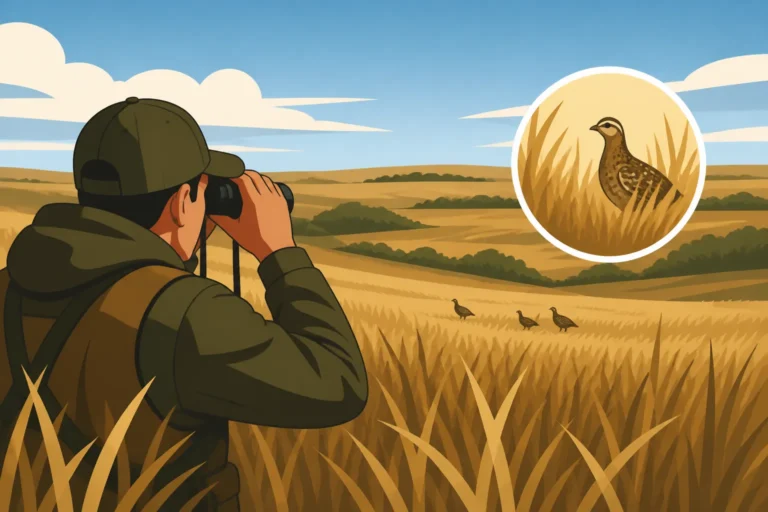
Beyond cover and remoteness, observing recent activity is crucial. Are there fresh tracks in the mud along the edge? Is there a subtle sheen on the water from recent duck activity? Binoculars are your best friend here, allowing you to glass from a distance for any signs of birds without spooking them. Tools like GoHunt can be invaluable for identifying prime jump-shooting locations, showing land ownership and topographic features that might indicate good cover or a secluded bowl. Many hunters also use the ND Hunt App for detailed maps of PLOTS (Private Land Open To Sportsmen) tracts, which often contain excellent pothole complexes. A shallow, muddy shoreline with plenty of emergent vegetation is often more attractive to dabbling ducks than a deep, clear-water slough, as it typically offers a richer feeding environment.
Essential Gear for Jump-Shooting Success
Jump-shooting is minimalist waterfowl hunting at its best, but that doesn’t mean you can skimp on crucial gear. Having the right tools makes all the difference in comfort, safety, and success.
Firearm and Ammunition Choices
When it comes to jump-shooting ducks over a prairie pothole, your shotgun is your primary tool. A 12-gauge is by far the most popular and versatile choice, offering a wide range of loads and sufficient power for waterfowl. A 20-gauge can also be effective, especially for hunters who prefer a lighter firearm or have smaller frames, but it does limit your shot payload somewhat. As for chokes, an improved cylinder or modified choke is generally ideal for jump-shooting. You'll often be taking shots at relatively close range as birds flush, and a more open choke pattern allows for quicker, more forgiving shots at fast-moving targets. For a deeper dive into the overall waterfowl hunting experience, consider the comprehensive guide on Duck and Goose Hunting North Dakota's Potholes.
North Dakota, like all states, requires the use of non-toxic shot for waterfowl hunting. Steel shot is the most common and affordable option, but bismuth and tungsten-based alternatives are also available, offering denser patterns and better knockdown power, albeit at a higher cost. For ducks, typically 3-inch shells loaded with #2 or #3 steel shot are excellent all-around choices. If you’re primarily targeting smaller ducks like teal, #4 steel might be adequate. For bigger ducks like mallards, especially later in the season when they’re tougher, #2 steel is a reliable choice. Always carry a variety of shells if unsure, and make sure your firearm is safe and properly maintained for the loads you intend to use. Remember to check current bag limits and regulations for specific species before heading out; the North Dakota Duck Daily Bag Limit provides current details.
Waders, Camo, and Other Essentials
Your clothing and personal gear are just as critical as your firearm for jump-shooting. High-quality chest waders are non-negotiable. You’ll be wading through water that can be anywhere from ankle-deep to waist-deep, and staying dry and comfortable is paramount, especially in North Dakota’s often chilly conditions. Neoprene waders offer excellent insulation for colder weather, while breathable models are better suited for early season hunts or more physically demanding stalks. Ensure they fit well, allowing for freedom of movement but not so baggy that they become cumbersome. Layering underneath your waders is also key for temperature regulation.
Camouflage is another essential. While ducks often flare from movement, a good natural-patterned camo that blends with prairie grasses, cattails, and dry vegetation will help you get closer undetected. Think patterns with browns, tans, and dull greens. A good game vest or backpack is invaluable for carrying extra shells, a water bottle, snacks, a knife, and any birds you successfully harvest. Don't forget bug spray for early season, and a pair of binoculars to scout from a distance. While not strictly necessary, a well-trained retrieving dog can be a huge asset, not only helping to locate downed birds in thick cover but also adding an element of enjoyment to the hunt. For longer hikes or hunting in areas with varied terrain, reliable, comfortable boots within your waders are also a must to prevent blisters and fatigue.
The Art of the Stalk: Techniques for Jump-Shooting
Jump-shooting isn't just about walking up to a pothole; it's a careful, calculated maneuver that blends stealth, observation, and understanding of waterfowl behavior. It's a true cat-and-mouse game.
Approaching the Pothole Undetected
The approach is everything in jump-shooting. Before you even get close, take time to observe the pothole from a distance with binoculars, looking for any signs of birds. Pay attention to wind direction, as birds typically take off into the wind, meaning you want to approach from downwind or crosswind so they fly towards or across you, not directly away. Use any available terrain features for cover – coulees, fencelines, tall grass, brush, or even standing crops like corn or sunflowers. The goal is to remain as low profile as possible, moving slowly and deliberately. Avoid skyline yourself on ridges, and move at a pace that allows you to react quickly if birds flush unexpectedly. Often, a slow, deliberate crawl or a bent-over walk is necessary as you get within range.
As you draw closer, listen for the tell-tale chirps, quacks, or splashes that indicate ducks are present. When you suspect you're near the edge, slow down even further. Many hunters will drop to a crouch or even crawl the last 20-30 yards, trying to get a peek at the water without exposing themselves. A good technique is to pick a landmark on the opposite side of the pothole and try to visualize where ducks might be sitting. If the pothole has a prominent "point" or a denser patch of cattails, those are often prime spots where ducks will be resting or feeding. Remember, even a small patch of cover can hide a dozen birds, so treat every pothole edge with respect and stealth. This kind of careful scouting is often what separates a successful hunt from an empty game vest, much like how you might approach Hunting a North Dakota Prairie Pothole Slough Edge with extreme caution.
Strategic Flushing and Shooting Opportunities
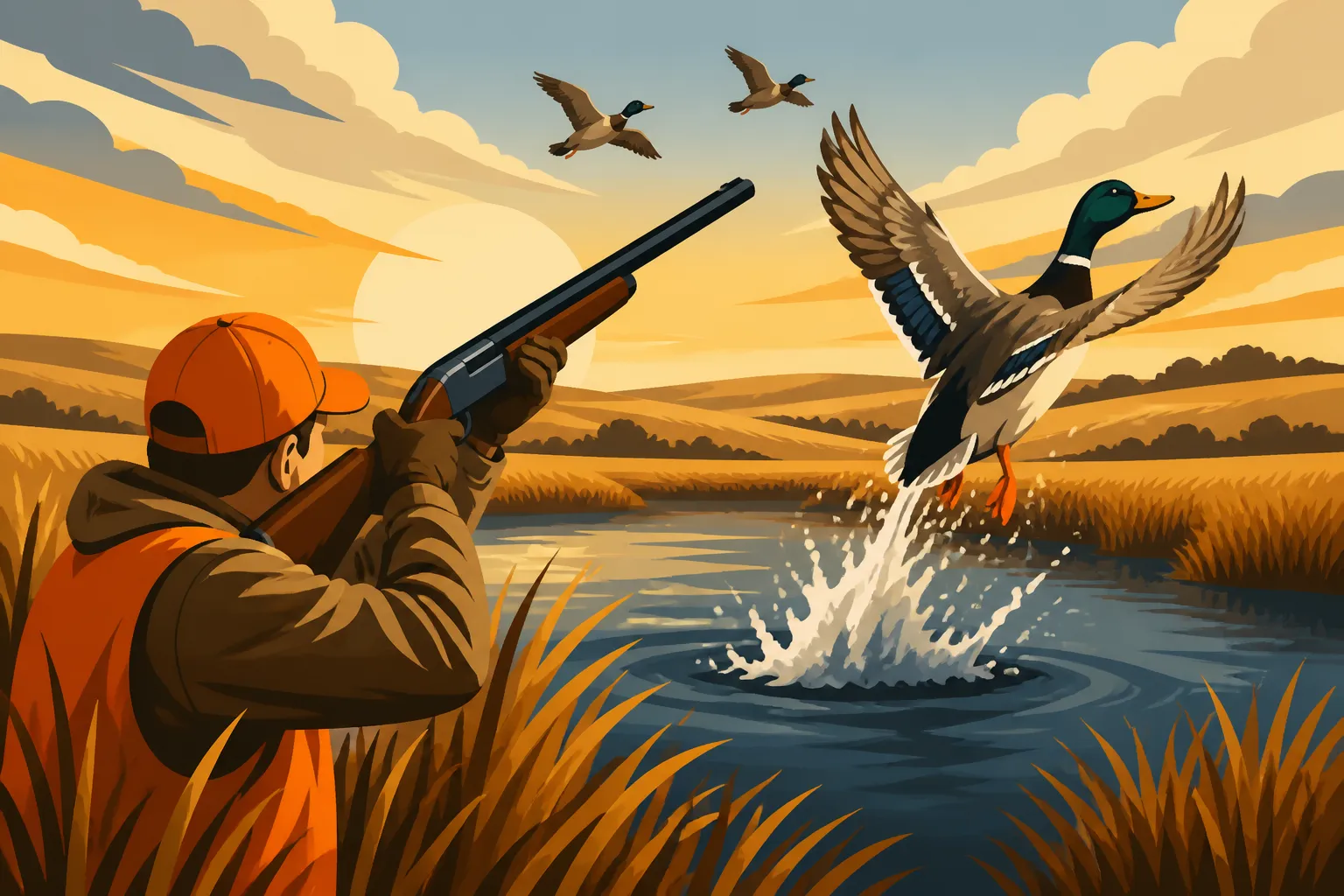
Once you’ve reached what you believe is the prime flushing distance, often 10-20 yards from the water's edge, it’s time to act. The key is to present yourself suddenly but safely. Stand up quickly, shotgun at the ready, and ducks will often explode into the air. This sudden movement maximizes your chances of getting a shot before they gain too much altitude or speed. As the birds flush, take a split second to identify legal species and ensure there are no other hunters or obstacles in your line of fire. Prioritize ethical shots within your effective range. Don't "sky-bust" – taking shots at birds too far away only leads to crippled birds and wasted ammunition.
If you encounter multiple birds, pick a single target and focus on it. Swing through the bird, pull ahead, and fire. If you miss or if other birds are still within range, quickly pick a second target. Be aware of your state's North Dakota Duck and Goose Bag Limits and don't overharvest. After the shot, mark where your bird falls. This is where a good retriever truly shines, but if hunting solo, take mental notes of landmarks to help you find your bird. Waterfowl often fall into dense cover, making recovery difficult. Always prioritize retrieving downed birds promptly and efficiently. Sometimes, birds will not flush immediately but instead swim rapidly to the opposite side or deeper into cover. Be patient, continue to move slowly, and be ready for a second flush or an opportunity to jump-shoot them from a different angle if the layout of the pothole allows.
Reading the Water and Weather for Optimal Results
Just like any form of hunting, understanding environmental factors significantly increases your odds of success when jump-shooting prairie potholes. Ducks are creatures of habit, influenced heavily by their surroundings.
Impact of Weather Conditions on Duck Behavior
North Dakota's weather is famously unpredictable, and it plays a huge role in duck activity. Cold fronts, for instance, can be a jump-shooter’s best friend. As temperatures drop and strong winds blow in, ducks often seek shelter in smaller, more protected potholes or concentrate on available food sources before a major freeze-up. This can make finding large numbers of birds in fewer locations much easier. Conversely, mild, calm weather can spread ducks out across many small puddles, making them harder to locate and requiring more walking. Hard freezes, especially in late fall, will push birds off smaller, shallow potholes, forcing them onto larger, deeper bodies of water that remain unfrozen, or sending them south on migration.
Wind is another critical factor. Ducks prefer to take off and land into the wind, and a strong wind can make them hold tighter to cover, offering better jump-shooting opportunities. If it's a calm day, birds might be more apt to flush at a greater distance. Overcast days can also work in your favor, as ducks tend to be more active and less wary compared to bright, sunny days when they might loaf in the middle of larger bodies of water. Don't be afraid to hunt in light rain or snow – these conditions can put ducks on the move and reduce their wariness, especially if they’re looking for sheltered feeding spots.
Time of Day and Daily Duck Patterns
While you can jump-shoot throughout the day, certain times often prove more productive. Early morning, right after legal shooting light, can be fantastic. Ducks will often leave their roosts on larger bodies of water and fly into smaller potholes to feed. Catching them as they're settling in or actively feeding can lead to excellent opportunities. As the morning progresses, activity might slow down, but ducks still use potholes for loafing and resting during midday, especially if there’s good cover. This makes midday jump-shooting a viable option, often with less competition from other hunters.
Late afternoon, as birds begin to think about their evening flight back to roosts, can also be very productive. They might make a final feeding stop in a pothole before heading to larger, more open water. However, keep in mind that shooting hours end at sunset, and it’s critical to have enough light to safely and ethically identify your target and recover downed birds. Planning your hunts around these natural feeding and loafing patterns, combined with insights from apps like GoHunt that show sun and moon phases, will significantly improve your success rates. Many hunters find that the hours around sunrise and sunset are the most fruitful, but a thorough midday exploration of less-traveled potholes can yield surprising results.
Safety, Ethics, and Regulations for Jump-Shooting
Just like any form of hunting, jump-shooting carries significant responsibilities. Upholding safety, ethical standards, and adhering to regulations are paramount to a successful and sustainable hunting tradition.
Knowing Your Target and Shot Placement
In the fast-paced action of a jump flush, knowing your target species is absolutely critical. North Dakota hosts a wide variety of ducks, and their individual bag limits and legal status can differ. It’s imperative to be able to identify ducks in flight before you pull the trigger. Pay attention to size, color patterns, flight characteristics, and wing beats. Mistakes can lead to citations, or worse, the unintended harvest of protected species or an over-limit of common ducks. Take a moment to learn key identification features for common species like mallards, pintails, green-winged teal, wigeon, and gadwalls. Even better, invest in an identification guide and spend time observing ducks through binoculars before the season opens.
Ethical shot placement is equally important. Aim for the vital areas of the bird – generally the head and chest – to ensure a quick, clean kill. Avoid "sky-busting" (shooting at birds outside of effective range), as this often results in crippled birds that escape and are never recovered. This is a waste of a valuable resource and an unethical practice. Know the limitations of your shotgun and ammunition. For steel shot, 40 yards is often considered the maximum effective range for ducks, though many prefer to keep shots under 30 yards for higher certainty. Prioritize a clean kill over adding another bird to your strap, and always ensure you have a clear, safe backdrop before firing. Retrieving your bird promptly is not only ethical but often legally required.
Understanding North Dakota Waterfowl Regulations
Navigating hunting regulations can sometimes feel like a maze, but it's essential for legal and responsible hunting. For waterfowl, North Dakota has specific rules that every jump-shooter must know. First and foremost, you'll need a valid North Dakota hunting license, which typically includes the general game and habitat license, and a small game license if you're a nonresident. On top of that, federal regulations require a valid North Dakota Federal Duck Stamp Requirement (if you're 16 or older) and proof of participation in the Harvest Information Program (HIP). You can usually complete HIP certification when you purchase your license online.
Beyond licensing, be acutely aware of daily bag limits and possession limits for various duck species. These can change annually, so always consult the most current North Dakota Game and Fish Department regulations booklet or website. Shooting hours, which are typically from one-half hour before sunrise to sunset, must be strictly observed. Public access is also a key consideration; make sure you are hunting on public land (like Waterfowl Production Areas or PLOTS tracts, which can be found using services like GoHunt or the ND Hunt app) or have explicit permission from private landowners. Never trespass. Understanding the nuances of North Dakota Public Land Hunting Hours and land ownership is crucial for a stress-free hunt. Jump-shooting is a fantastic way to experience North Dakota waterfowl, but it relies on every hunter doing their part to respect the rules, the resource, and fellow outdoors enthusiasts.
Shotgun Ammunition Comparison for Waterfowl
When jump-shooting, having the right ammunition for your shotgun is key. Here's a quick comparison to help you choose:
| Gauge | Typical Pellet Size (Steel) | Common Application | Effective Range (Steel) | Pros | Cons |
|---|---|---|---|---|---|
| 12 Gauge | #2, #3, #4 | All-around duck hunting, larger ducks | Up to 40 yards | Versatile, wide load selection, good knockdown power | Can be heavy, more recoil |
| 20 Gauge | #3, #4 | Smaller ducks, youth hunters, lighter recoil preferred | Up to 35 yards | Lighter, less recoil, easier to carry | Less payload, limited range, fewer specialized loads |
| 16 Gauge | #3, #4 (if available) | Niche choice, vintage guns | Up to 35 yards | Balance of 12 and 20 gauge, pleasant to shoot | Ammunition harder to find, less variety |
| .410 | #6 (if available) | Expert use, very small birds at close range | Under 20 yards | Very light, almost no recoil | Extremely limited range, very challenging for waterfowl |
Note: Pellet sizes for bismuth or tungsten alloys will differ due to their increased density, allowing for smaller pellet sizes to achieve similar or better performance than larger steel shot.
Disclaimer
Hunting is an inherently risky activity. The information provided in this guide is for informational purposes only and is not a substitute for professional instruction, adherence to all applicable laws and regulations, and sound judgment. Always prioritize safety, respect wildlife, and obtain all necessary licenses and permits before engaging in any hunting activities. Local conditions and regulations can change rapidly; always consult the North Dakota Game and Fish Department for the most current information.