Jump-Shooting a Prairie Slough
There’s a unique thrill to hunting waterfowl on the vast North Dakota prairie, but sometimes the thought of hauling dozens of decoys, setting up a cumbersome blind, and committing to a full morning in one spot can feel like a monumental effort. For those days when you want to get out, stretch your legs, and actively pursue birds without all the fuss, jump-shooting a prairie slough offers an exhilarating, hands-on experience. This guide will walk you through everything you need to know to successfully sneak up on and harvest ducks and geese from North Dakota's countless water bodies.
What Exactly is Jump-Shooting a Prairie Slough?
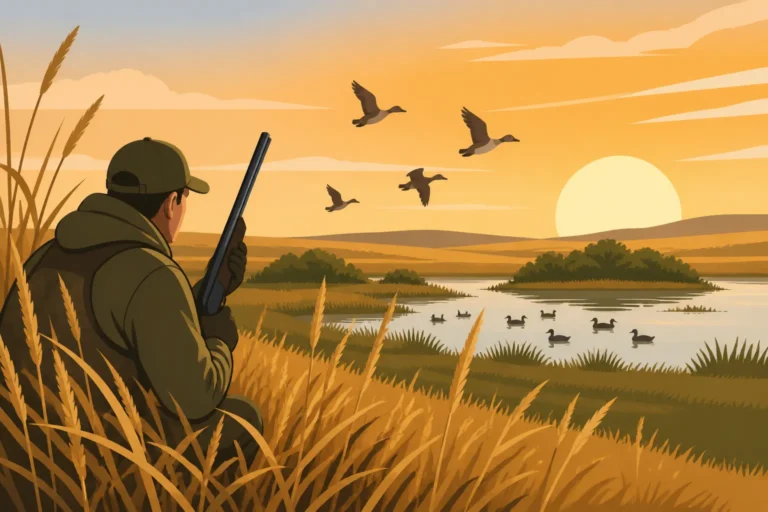
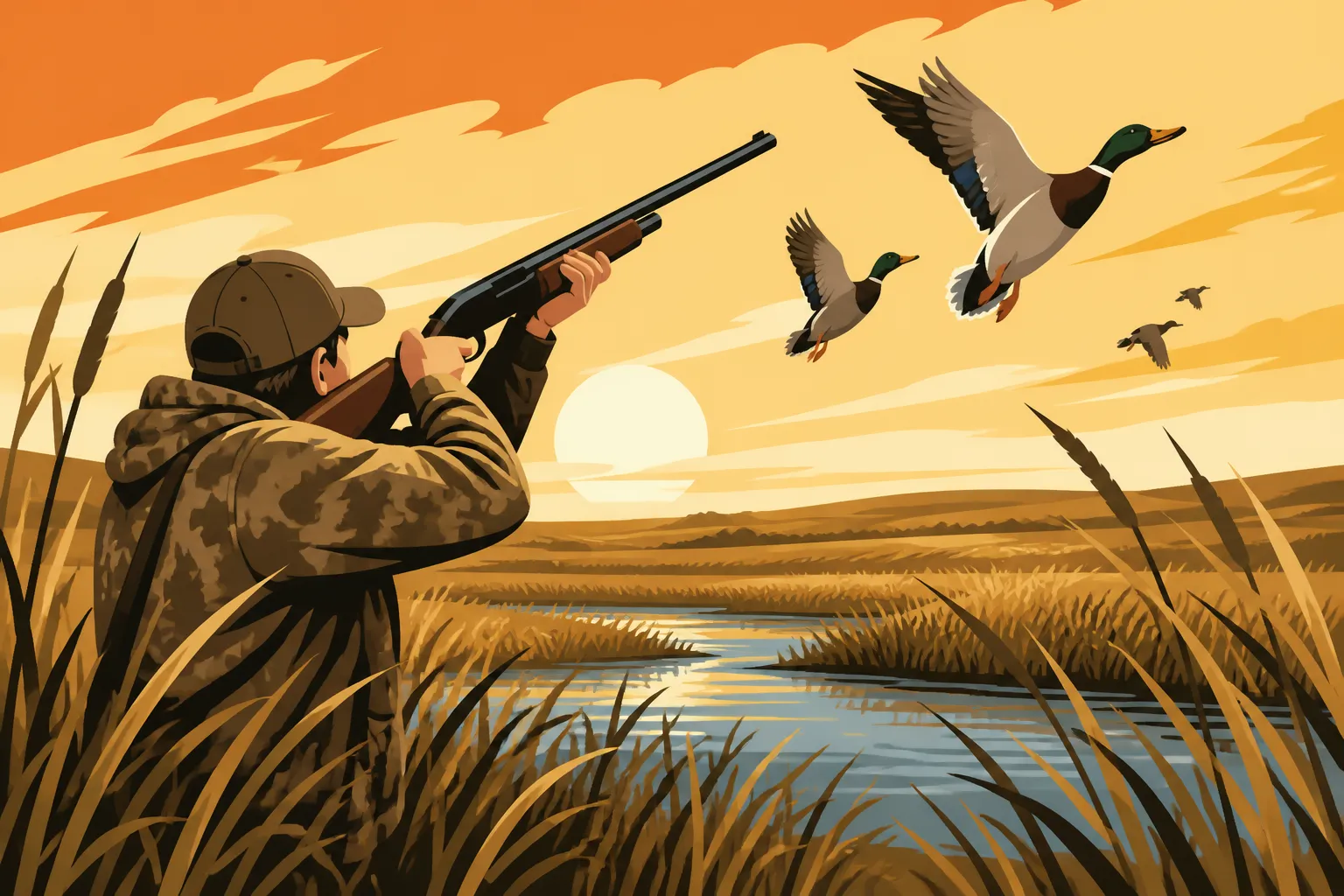
Jump-shooting is a dynamic and often solitary or small-group hunting method where you actively stalk ducks and geese that are resting or feeding on small bodies of water. Unlike traditional decoy hunting, which is a waiting game, jump-shooting is about movement, stealth, and quick reflexes. You’re essentially walking up to a slough, or a dugout, that you suspect holds birds, carefully approaching to get within shooting range, and then "jumping" them into flight for a shot. It's a method that perfectly suits the abundance of small, scattered water sources found across North Dakota's Prairie Pothole Region, making it a truly accessible and rewarding way to pursue waterfowl in the state.
The Appeal of the Unconventional Hunt
There's something deeply satisfying about jump-shooting. It taps into a primal hunting instinct—the stalk, the surprise, the quick reaction. You're not relying on elaborate setups or calling sequences; you're relying on your own woodsmanship, your ability to read the terrain, and your understanding of waterfowl behavior. It also offers incredible flexibility. If one slough is empty, or the birds flush too far out, you simply move on to the next. This mobile approach can be incredibly effective, especially after the initial morning flights, when birds are often loafing on smaller, less disturbed waters. For many, it's a nostalgic return to simpler times, proving that you don't need all the latest gadgets to have a successful and memorable hunt.
Why Prairie Sloughs are Prime for Jump-Shooting
North Dakota is famously dotted with hundreds of thousands of prairie potholes and sloughs, remnants of ancient glacial activity. These small, often shallow wetlands vary wildly in size and character, from deep, cattail-choked depressions to broad, open sheet water. This diversity means there’s always a new puzzle to solve, a new approach to try. Ducks, especially mallards, pintails, and teal, frequently use these smaller waters for loafing, feeding on submerged vegetation, or escaping hunting pressure from larger lakes and major rivers. Geese, particularly local giant Canada geese, also use them, especially later in the season when larger water bodies might freeze. The sheer number of these water features, many on accessible public lands like North Dakota Waterfowl Production Areas or PLOTS (Private Land Open To Sportsmen) tracts, means ample opportunity for the diligent jump-shooter.
Scouting for Success: Finding the Right Sloughs
Jump-shooting is less about luck and more about effective scouting. You can't just randomly walk up to any water and expect to find birds. Knowing what to look for and how to find it will drastically increase your odds. This is where modern tools and old-fashioned legwork truly combine to pay off.
Identifying Productive Water Features
When you're sifting through maps or driving country roads, certain characteristics scream "duck haven." Look for sloughs that:
- Have good cover: Thick cattails, bulrushes, or even tall prairie grasses around the edges provide ducks with a sense of security from predators and hunters. Birds often prefer to be hidden when resting.
- Are somewhat remote: Sloughs off the beaten path, away from main roads or areas with heavy hunting pressure, are more likely to hold undisturbed birds.
- Have visible food sources nearby: Potholes adjacent to agricultural fields (corn, wheat, barley, soybeans) are often frequented by ducks and geese looking to feed. Even small wetlands with abundant natural aquatic vegetation can be prime.
- Are the right size: Smaller, more secluded sloughs (a few acres to perhaps 10-15 acres) are generally better for jump-shooting than vast lakes. You want to be able to approach effectively without being seen from a mile away.
- Show recent activity: Fresh tracks on muddy edges, droppings, or disturbed vegetation are all signs that birds have been using the slough recently.
Utilizing Technology for Pre-Hunt Scouting
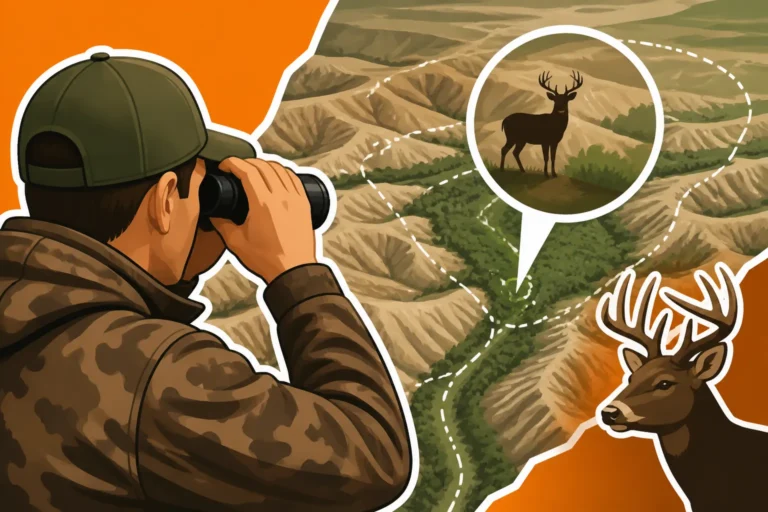
Before you even leave your living room, tools like GoHunt can be invaluable. Digital mapping applications allow you to zoom in on potential hunting areas, identifying the size, shape, and surrounding cover of countless sloughs. I’ve spent countless hours scrolling through aerial imagery on platforms like GoHunt, looking for those tell-tale signatures of dark water bordered by thick reeds, or a slough nestled quietly against a crop field. You can also use the Scouting PLOTS Land With the ND Hunt App to identify publicly accessible land. Mark potential sloughs on your app or GPS, create a route, and prioritize those that look most promising. Pay attention to topography—even a slight rise or dip in the land can provide critical cover for your approach.
The Importance of "Boots on the Ground" Scouting
While satellite imagery is fantastic, it's just a starting point. Nothing, and I mean nothing, beats driving the gravel roads and physically observing sloughs. Birds often won't show up on satellite images, and conditions change. A slough that looked perfect on a map might be completely dry, or surrounded by private land with no discernible access. Drive around, glass fields, and discretely observe which wetlands are holding birds. Look for birds flying into or out of specific sloughs during peak movement times. This real-time intelligence is crucial. Combine that with satellite imagery you can access through apps like GoHunt, and you're building a pretty solid picture of where the ducks want to be.
The Art of the Stalk: Approaching a Prairie Slough
This is where the "hunt" in jump-shooting truly comes alive. A successful stalk requires patience, careful planning, and an understanding of how birds perceive their environment. Rush it, and you’ll send them sky-high before you’re even in range.
Understanding Wind and Sun Direction
Before you take a single step towards a slough, stop, listen, and observe.
- Wind is your friend for scent and noise: Always approach with the wind in your face, or at least quartering to you. This carries your scent away from the birds and muffles any sounds you might make. Ducks are incredibly wary of unnatural sounds.
- Sun is your friend for concealment: If possible, approach with the sun at your back. This puts the sun in the birds' eyes, making it harder for them to spot your movement against the glare. It also helps your visibility for the shot. Imagine trying to see clearly with the sun directly in your face – birds struggle with this too.
Using Natural Cover to Your Advantage
The North Dakota prairie might seem open, but it offers plenty of cover if you know how to use it.
- Topography: Even subtle dips, swales, or rises in the land can conceal your approach. Plan your route to stay behind these natural contours.
- Vegetation: Tall grass, cattails, brush lines, shelterbelts, or even standing corn fields (Hunting Standing Corn for Late-Season Geese) are excellent for concealment. Crouch, crawl, or move slowly, staying as low as possible.
- Fencelines and Berms: Sometimes a fenceline with taller weeds or a road berm can offer a surprising amount of cover for a final approach. Remember to respect private property and always secure permission if you’re not on public ground.
Silent and Slow: The Key to Success
This isn't a race. Move deliberately, placing each foot carefully to avoid snapping twigs or rustling dry grass unnecessarily. Take a step, pause, observe. Scan the slough edges for any signs of birds, but also keep an eye on the water for movement. Your goal is to get as close as possible without being detected. A good range to aim for is 25-35 yards for ducks, or slightly closer for geese, depending on your comfort level and shotgun pattern. Many hunters carry their shotgun at the ready, but pointed safely, anticipating the flush.
Partner Tactics: The Flank and Push
If you're hunting with a partner, jump-shooting can become even more effective. One hunter can quietly approach the downwind side of the slough, while the other circles around to the upwind side, staying out of sight. When the lead hunter is in position, they can then slowly begin to "push" the birds towards the waiting partner, or simply flush them for a shot opportunity. This requires good communication (often hand signals, or a pre-arranged plan) and discipline to ensure safety and prevent shooting towards your partner. Coordinating these efforts can result in higher success rates and exciting action.
Equipment Essentials for Jump-Shooting
While jump-shooting is about minimizing gear, a few essentials will make your hunt safer, more comfortable, and more successful.
Shotguns and Ammunition
A 12-gauge shotgun is the workhorse of waterfowl hunting and perfectly suited for jump-shooting. Many hunters prefer a pump-action or semi-automatic for quick follow-up shots. Choose a versatile choke like Modified or Light Modified, which offers a good balance of spread for close-range flushes and enough pattern density for slightly longer shots. As for ammunition, federal law mandates the use of non-toxic shot for all waterfowl hunting. Steel shot is the most common and economical choice. For ducks, 3-inch shells with #2 or #3 steel shot are excellent all-around choices. For geese, heavier loads of BB or BBB steel will provide the necessary punch. Always remember to check North Dakota Duck and Goose Bag Limits and ensure you have your North Dakota Federal Duck Stamp Requirement and North Dakota HIP Certification for Bird Hunters sorted before heading out.
Attire: Blend In and Stay Comfortable
Camouflage is key for jump-shooting. Ducks and geese have excellent eyesight, so wearing patterns that blend with the prairie grasses, cattails, and dry vegetation is crucial. Earth tones, browns, and tans are generally effective. Dress in layers, as North Dakota weather can change rapidly. Waterproof outer layers are essential, especially if you anticipate wading into sloughs for retrieves. Don't forget a good pair of waterproof boots, preferably hip waders or chest waders, if the water looks shallow enough for wading but too deep for hip boots. Nothing ends a hunt faster than wet, cold feet. A hat and gloves are also vital for comfort and concealment.
Carrying Your Gear and Retriever Considerations
Since you’ll be on the move, a minimalist approach to carrying gear is best. A small backpack or a good vest with shell loops and a game pouch can hold your extra shells, water, snacks, and any birds you harvest. If you hunt with a dog, jump-shooting offers a fantastic opportunity to work on their retrieving skills. A well-trained retriever can save you a lot of grief, especially with downed birds in thick cover or deep water. Ensure your dog is wearing a bright, visible collar (blaze orange is always a good idea) and is accustomed to staying close and quiet during the stalk. They must be steady to wing and shot to avoid flushing birds prematurely.
Safety First on the Prairie
Hunting is inherently an activity that requires constant vigilance regarding safety. Jump-shooting, with its active movement and often unpredictable flushes, emphasizes these considerations even more.
General Firearm Safety
Always treat every firearm as if it were loaded. Keep the muzzle pointed in a safe direction at all times, especially when moving through brush or around partners. Be absolutely sure of your target and what is beyond it. When birds flush, they might fly low, and it's easy to get tunnel vision. Ensure there are no buildings, roads, livestock, or other hunters in your line of fire. When wading, be mindful of your footing and the stability of your shotgun. If you slip, ensure the muzzle is pointed skyward, away from yourself and others.
Water Safety and Retrieval
Prairie sloughs can be deceptively deep, and the bottoms can be soft and muddy. Always scout the water's edge before wading in, and if you’re unsure of the depth or bottom conditions, do not proceed. Hypothermia is a real risk in cold North Dakota waters. If you do wade, go slowly, test the depth with your shotgun barrel or a stick, and be aware of hidden obstacles. A dog is invaluable for retrieving birds from water, minimizing your need to enter potentially dangerous areas. If you find yourself in a situation where a retrieve seems unsafe, consider your options carefully. Losing a bird is always disappointing, but risking your life for it is never worth it.
Landowner Relations and Posted Lands
North Dakota has a unique mix of public and private land. While the PLOTS program provides fantastic access, much of the landscape is privately owned. It is your responsibility to know where you are at all times. Use your GoHunt app or ND Hunt app to verify land ownership. Always respect posted land and secure verbal or written permission from landowners before stepping onto private property. Even if a slough looks abandoned, it belongs to someone. A simple knock on a farmhouse door can often open up incredible hunting opportunities. Remember, a friendly, respectful approach goes a long way in maintaining good hunter-landowner relations, especially if you want to return. Keep in mind that North Dakota's New Nonresident Waterfowl Rule may affect nonresident access to certain lands during the first nine days of the waterfowl season.
Making the Shot and Retrieval
The moment of truth in jump-shooting is exhilarating. When the birds flush, it’s a burst of adrenaline, but clear thinking and good shooting fundamentals are paramount.
Executing the Shot on Flushing Birds
When ducks or geese erupt from the slough, they usually do so with surprising speed. Here's how to maximize your chances:
- Mount the gun quickly and smoothly: Get the stock to your shoulder and your cheek to the comb in one fluid motion.
- Pick a single bird: Don't get overwhelmed by the flock. Focus on one bird, typically one that's closer or flying away in a clear path.
- Lead appropriately: Ducks and geese are fast. You'll need to swing through them and pull the trigger, continuing your swing even after the shot. Practice your swing on clays or even just by pointing at objects to build muscle memory.
- Follow up: Don't hesitate to take a second or third shot if the first misses or if you have multiple birds in range, assuming it’s safe and ethical to do so.
It's common for birds to flush at varying distances. Some might be 20 yards, others 50. Learn your effective range, and don't take shots you're unlikely to make. It's better to pass on a marginal shot than to wound a bird and lose it.
Retrieving Downed Birds Promptly
Once a bird is down, mark its location immediately. This is critical, especially in thick cover like cattails or tall grass. Keep your eyes fixed on where the bird fell until you are literally standing over it. If hunting with a dog, send them quickly. If not, note landmarks like a distant tree, a fence post, or a specific clump of reeds. Walk directly to that spot. Wounded birds can run or swim surprisingly far, so quick retrieval reduces suffering and prevents lost game. If you're struggling to locate a bird in challenging terrain, remember that Hunting a North Dakota Prairie Pothole Slough Edge can sometimes be easier than retrieving from deep within the thick stuff.
Handling Wounded Game Ethically
Sometimes, despite your best efforts, a bird might be wounded but not killed outright. Your ethical obligation is to pursue and dispatch that bird as quickly and humanely as possible. This might mean another shot, or if safe, dispatching it by hand once you have a firm grip. Never leave a wounded bird to suffer. This commitment to ethical hunting is a core responsibility for every sportsman.
Jump-Shooting vs. Traditional Blind Hunting
To help illustrate the differences and when each method shines, here’s a quick comparison:
| Feature | Jump-Shooting a Prairie Slough | Traditional Blind Hunting with Decoys |
|---|---|---|
| Mobility | High – Constantly moving from slough to slough | Low – Static, waiting in a fixed position |
| Gear Required | Minimal – Shotgun, shells, appropriate attire, small bag | Extensive – Decoys, blind, calls, retriever stand, etc. |
| Approach | Active stalking, stealth, reading terrain, wind, and sun | Passive waiting, relying on calling and decoy spread |
| Best Conditions | Mid-day loafing birds, smaller potholes, changing conditions | Early morning/late evening flights, larger water bodies, fields |
| Hunter Count | Ideal for solo or small groups (1-2 hunters) | Adaptable to larger groups |
| Physical Demand | High – Lots of walking, crouching, quick reactions | Moderate – Sitting for long periods, less walking |
| Cost | Low startup cost (no decoys/blind) | Higher initial investment in gear |
| Success Rate | Dependent on scouting, stealth, and shooting skill | Dependent on decoy setup, calling, and bird movement |
While Decoy Spreads for Prairie Pothole Mallards can be incredibly effective, jump-shooting offers a unique blend of challenge and reward that keeps many hunters coming back for more. It’s also an excellent way to continue hunting during times when birds might not be flying strongly, but rather hunkered down on quiet waters, often found on public lands that other hunters may overlook. Learning to read the landscape and the birds, Finding PLOTS Ground Others Walk Past, and executing a silent stalk are skills that will serve you well across all forms of hunting, and jump-shooting provides the perfect classroom.
Disclaimer
Hunting is an inherently risky activity. Always prioritize safety, respect wildlife and landowners, and adhere to all local, state, and federal regulations. This guide provides general information and should not be considered a substitute for official hunting regulations, hunter education courses, or professional advice. Conditions on the ground can change rapidly, and hunters should always exercise their own judgment.