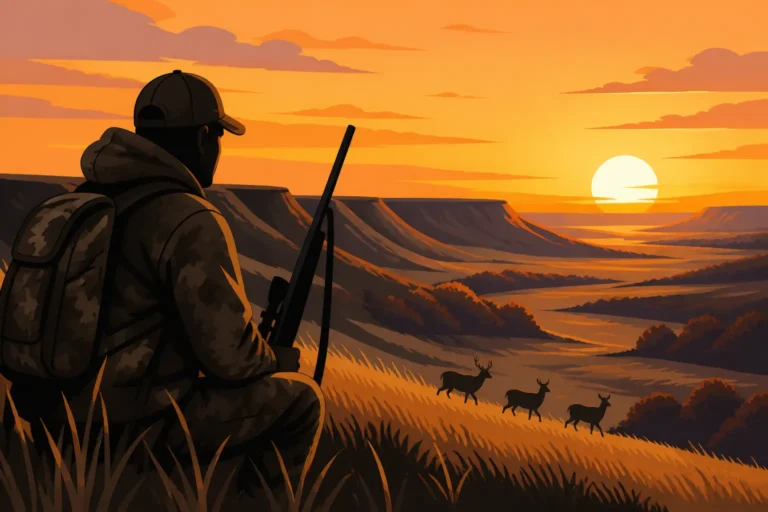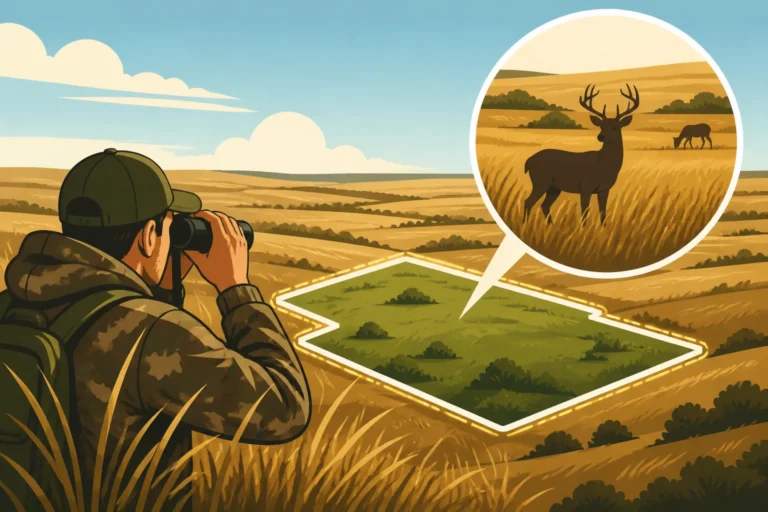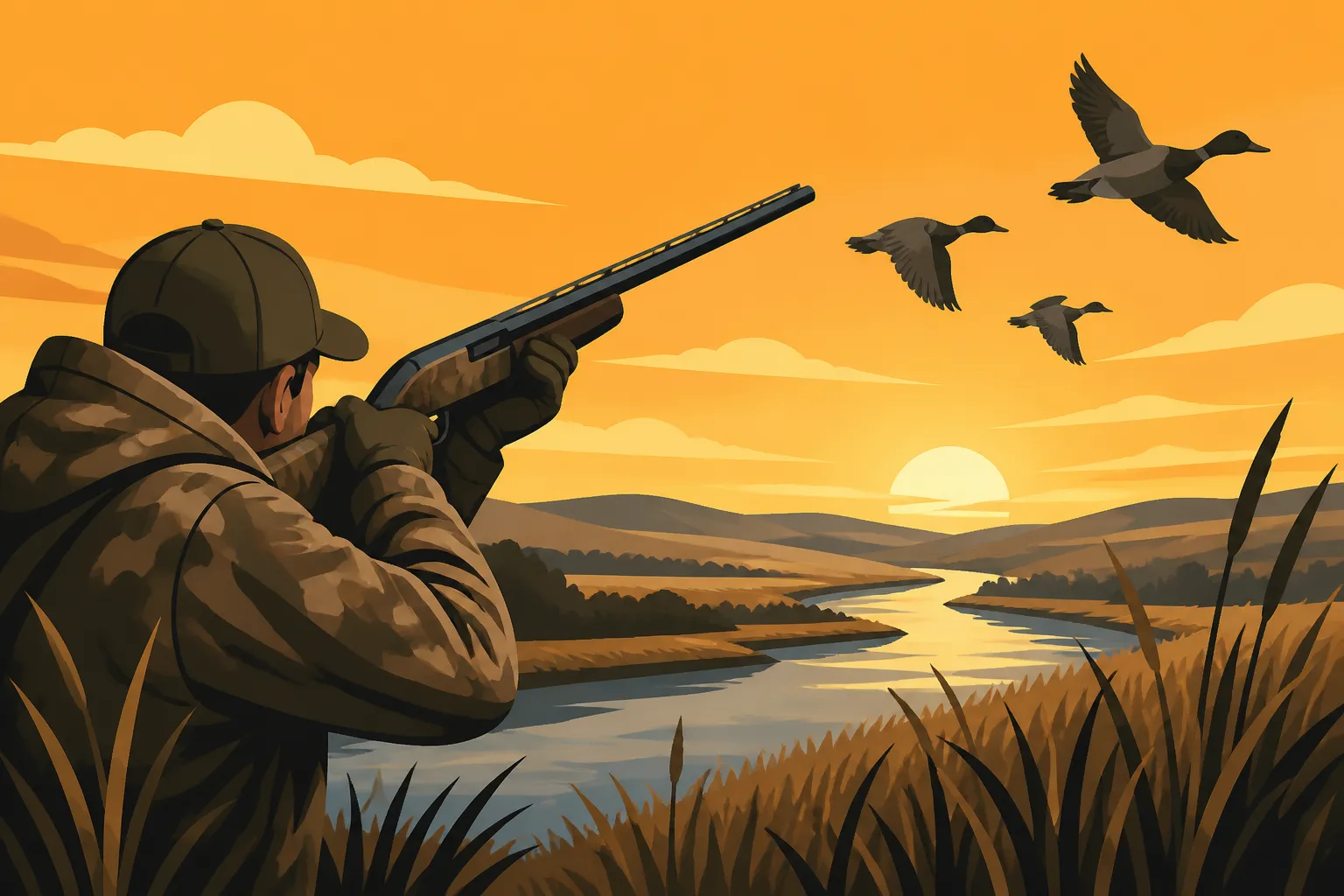
Hunting Souris River Valley Bottomland
For hunters who've spent countless hours navigating wide-open prairies and badlands draws, the dense, often overlooked timber and winding waterways of a river bottom can feel like a completely different world. It presents its own set of challenges, from deciphering tangled cover to understanding elusive game movement. This guide will walk you through the unique opportunities and effective strategies for successfully hunting the Souris River Valley bottomland, helping you unlock its hidden potential for deer, turkeys, and waterfowl.
Understanding the Souris River Valley Ecosystem
The Souris River, often referred to as the Mouse River in North Dakota, isn't your typical roaring waterway. It's a slow, meandering river that creates a rich, diverse habitat, unlike much of the surrounding prairie. This unique ecosystem is a magnet for wildlife, offering everything from dense cover to critical food sources.
Think about the river's oxbows and bends. These aren't just pretty features on a map; they are wildlife superhighways and bedding sanctuaries. As the river carves its path, it leaves behind old channels that become stagnant sloughs or marshy areas, providing prime habitat for waterfowl and a constant water source for deer. The banks are often heavily timbered, primarily with cottonwood, willow, and green ash, forming thick corridors that offer unparalleled thermal cover in winter and shade in summer. This vertical structure is a stark contrast to the low-lying prairie grasses, giving deer and turkeys a place to disappear from view and escape the elements.
The adjacent agricultural fields, which often push right up to the timbered edges, provide crucial food sources. Deer will frequently move between the security of the river bottom cover and these nearby fields, especially during low light hours. Understanding these transition zones and travel corridors is paramount. The river itself also acts as a natural barrier and a highway. Deer will often follow the river's edge, using the cover it provides for travel, or cross it at specific, often shallow, points. This creates pinch points and funnels that can be highly predictable once you learn to read the landscape. For hunters used to vast vistas, adapting to this close-quarters, cover-intensive environment is key, and it truly offers a different kind of challenge and reward.
Key Game Species and Their Habits in the Valley
The Souris River Valley's diverse habitat makes it a hotspot for several species, each requiring a tailored approach. While White-Tailed Deer Across North Dakota are arguably the most sought-after, wild turkeys and various waterfowl species also thrive here, offering exciting multi-species opportunities.
Whitetail Deer Movement and Bedding
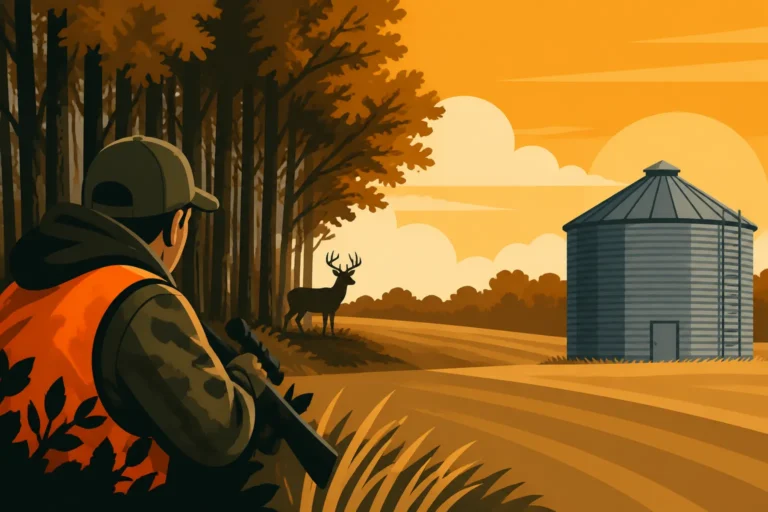
Whitetail deer absolutely flourish in the Souris River bottomlands. The dense timber provides excellent bedding cover, especially in mature cottonwood groves or thick stands of willow where visibility is limited. Deer will often bed on slight rises within the bottom, allowing them to survey their surroundings while remaining concealed. During the rut, these timbered corridors become major travel routes for bucks cruising for does. Look for rub lines and scrape lines along the edges of the timber and where deer transition from thick cover to more open areas or agricultural fields. These signs are essentially deer billboards telling you where the action is.
Their movement patterns are highly influenced by the river itself. They'll use the riverbanks as natural travel lanes, staying in the deepest cover possible. Crossings are also critical; identify shallow spots, downed logs, or narrow sections where deer can easily traverse the water. These points become natural funnels that can be exceptional stand locations, especially during the morning or evening as deer move between bedding and feeding areas. Understanding the wind and thermals is also crucial here. In river bottoms, thermals often pull down into the valley in the morning and rise out of it in the evening, so knowing how your scent will behave is vital for not spooking deer. Tools like GoHunt can really help visualize terrain features and potential wind funnels, giving you a serious edge in planning your approach.
Turkey and Waterfowl Opportunities
Don't overlook the potential for Fall Turkey Hunting in North Dakota in the Souris River Valley. The mature cottonwood trees provide excellent roosting sites, and the mix of timber, brush, and adjacent fields offers ideal feeding and loafing areas. Fall turkeys tend to flock up, and locating a roost site can be a game-changer. Listen for their morning fly-down calls or evening fly-up sounds. Once you've patterned a flock, tactics like calling them apart or ambush hunting along their travel routes can be highly effective. The dense cover also allows for more aggressive stalking than in open prairie environments, but patience and quiet movement are still paramount.
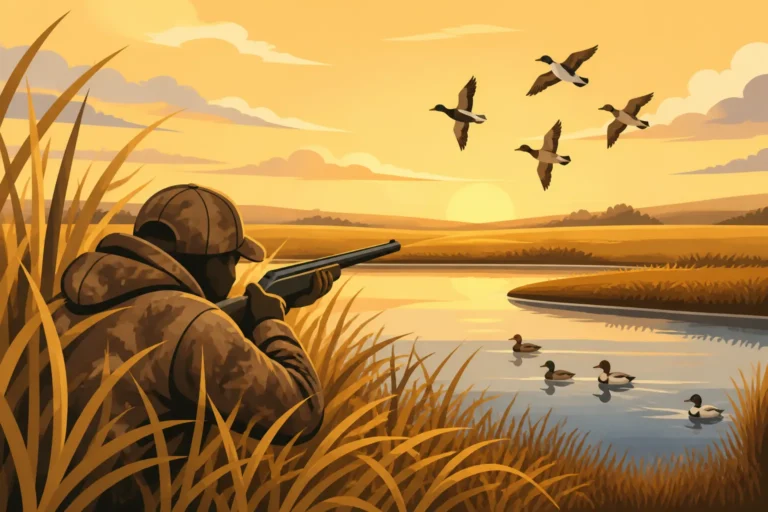
For Duck and Goose Hunting North Dakota's Potholes, the Souris River, with its numerous oxbows, sloughs, and marshy backwaters, offers prime waterfowl habitat. While not the "pothole region" in the classic sense, these riverine wetlands attract migrating ducks and geese. Early season hunts can be excellent for jump-shooting birds out of secluded sloughs, while later in the season, decoying over harvested fields adjacent to the river or pass-shooting birds flying to and from larger water bodies can be productive. The river itself also provides open water for divers when other smaller potholes freeze up. Scouting is critical to identify key roosting and feeding areas, and remember your HIP certification and federal duck stamp!
Effective Hunting Strategies for Bottomland
Hunting the Souris River Valley demands a specific set of strategies that differ from open country. The thick cover and winding terrain require a methodical approach focused on stealth, observation, and understanding game flow.
Still-Hunting and Stand Placement
Still-hunting is a highly effective tactic in the Souris River bottomland. This involves moving slowly, taking a few steps, then pausing for several minutes to observe your surroundings. Use the natural cover to your advantage, moving from tree to tree, checking for movement and listening intently. The rustle of leaves or the snap of a twig can often betray a deer before you see it. Pay close attention to subtle terrain features like small ridges, benches, or brush piles that might offer a bedded animal a vantage point. This slow, deliberate movement allows you to cover ground effectively while minimizing your disturbance. It's a fantastic way to engage with the habitat directly and read the fresh sign as you go.
When it comes to stand placement, focus on identifying natural funnels and pinch points. Look for areas where the timber narrows, where a slough forces deer into a tighter travel corridor, or where multiple trails converge. Creek crossings, especially those leading from bedding cover to active feeding fields, are also prime locations. Hanging a Stand on a Shelterbelt Edge or a significant timber line adjacent to agriculture can also be incredibly productive. Consider prevailing winds and thermals; set your stand up so your scent blows away from expected deer travel routes. Often, the downwind side of a natural barrier is where deer will try to scent-check for danger, so placing your stand slightly off the main trail but with good shooting lanes can be effective. Consider using a climbing stand or a lightweight hang-on stand that allows for quick and adaptable placement based on fresh sign and wind conditions.
Scouting and Using Mapping Tools
Effective scouting is absolutely non-negotiable for success in the Souris River Valley. Before the season, or even during, spend time on foot exploring these areas. Look for fresh tracks, rub lines, scrape lines, and well-used trails. Pay attention to changes in vegetation density and elevation, as these often dictate how deer move. Identifying key bedding areas – often the densest, most secluded cover – and connecting them to feeding areas via prominent trails will give you a major advantage.
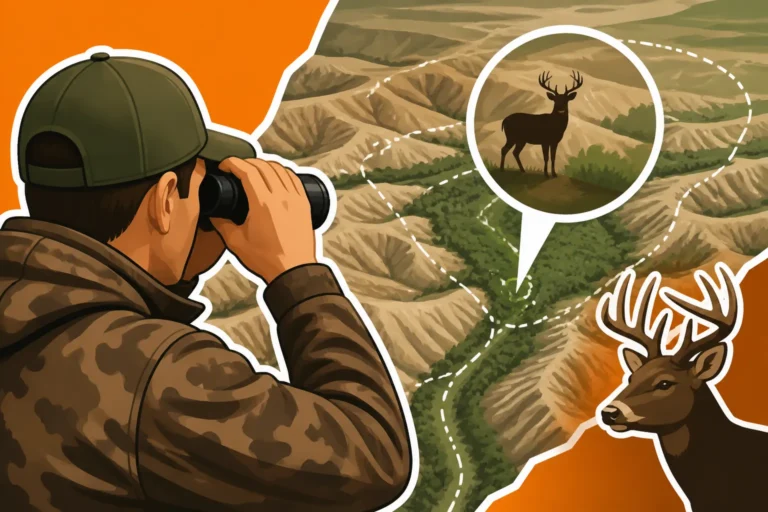
This is where modern mapping tools really shine. Platforms like GoHunt offer satellite imagery, topographic maps, and public/private land overlays that can save you countless hours of aimless wandering. You can digitally scout potential travel corridors, identify oxbows and sloughs, pinpoint dense cover, and even mark potential stand locations from your couch. Reading Aerial Photos for Badlands Deer tactics can easily be adapted for this river bottom terrain, looking for anomalies and distinct edges. While the Souris River Valley isn't as vast as the Badlands, its intricate network of cover makes digital scouting incredibly powerful for identifying access points and predicting deer movement. Many of these areas fall under North Dakota Wildlife Management Areas or the PLOTS Program Explained, so understanding boundaries and regulations is key before you ever step foot in the woods. Always double-check property lines, especially when hunting close to agricultural fields.
Accessing Souris River Bottomland
One of the biggest hurdles, and often the biggest reward, in hunting the Souris River Valley is gaining access. While there are public opportunities, securing private land permission can unlock some truly exceptional hunting.
Public Land Opportunities
North Dakota has a robust network of public land, and the Souris River Valley benefits from several types. Wildlife Management Areas (WMAs) managed by the North Dakota Game and Fish Department are often found along the river, specifically because of the rich wildlife habitat they provide. These areas are generally well-marked and open to public hunting. However, they can also see significant hunting pressure, especially on opening weekends. So, plan to walk further, explore deeper, and consider mid-week hunts if possible.
The PLOTS (Private Land Open To Sportsmen) program is another fantastic resource. Many landowners enroll parcels of their land, including river bottom timber and adjacent fields, in this program, allowing public access. The key is to be respectful, leave no trace, and understand the rules specific to each PLOTS tract. You can find detailed maps of PLOTS lands through the ND Game and Fish website or the GoHunt app, which is a game-changer for finding these parcels. Remember to Scouting PLOTS Land Before Season is crucial; what looks great on a map might be different on the ground. Always be aware of vehicle access restrictions and respect designated no-hunting zones or private property boundaries that might be intertwined with public access.
Securing Private Land Permission
While public lands offer great hunting, some of the most consistent success in the Souris River Valley comes from Getting Private Land Permission in North Dakota. Many of the prime river bottom areas are privately owned, often by farmers and ranchers. Don't be intimidated to knock on doors or send polite letters. A friendly, respectful approach can go a long way. Start by introducing yourself, explaining that you're an ethical hunter, and asking if they allow hunting on their property.
Farmers and landowners are often dealing with deer or turkey depredation on their crops, and offering to help manage these populations can be a win-win. Be prepared to offer assistance in other ways, perhaps helping with chores or offering a small token of appreciation. If you secure permission, make sure you understand the landowner's specific rules: where you can park, where you can't go, and what dates you're allowed to hunt. Always follow through with your promises, such as letting them know when you'll be there and reporting what you harvest. Building a good relationship with a landowner can lead to years of incredible hunting opportunities in these unique river bottom environments. Remember, always leave the land better than you found it.
Souris River Valley Game Species and Habitat
Here's a quick overview of some of the key game species you're likely to encounter and their preferred habitat characteristics within the Souris River Valley bottomland:
| Game Species | Primary Habitat Features | Key Valley Adaptations | Best Season to Hunt |
|---|---|---|---|
| Whitetail Deer | Dense timber, brushy draws, oxbows, adjacent agricultural fields | Utilize thick cover for bedding, river edges for travel, crop fields for feeding. | Archery (rut), Gun, Muzzleloader |
| Wild Turkey | Mature cottonwood roost trees, brush, open clearings, adjacent fields | Roost in tall trees, feed in open areas, use cover for escape. | Fall Turkey |
| Ducks (Mallards, Pintails) | Oxbows, sloughs, slow-moving river sections, flooded timber, grain fields | Feed in harvested fields, rest on secluded water bodies. | Early Fall (jump-shooting), Late Fall (decoying) |
| Geese (Canada, Snow) | Larger open water bodies, adjacent harvested grain fields, river sandbars | Roost on larger water, feed in fields, use river for travel. | Early Fall (pass-shooting), Late Fall (field hunting) |
Disclaimer
Hunting is an inherently dangerous activity. Always prioritize safety, understand and follow all North Dakota Game and Fish Department regulations, and respect private property. The information provided in this guide is for informational purposes only and should not replace proper research, scouting, and adherence to all local and state laws.