Bowfishing North Dakota Rivers in the Off-Season
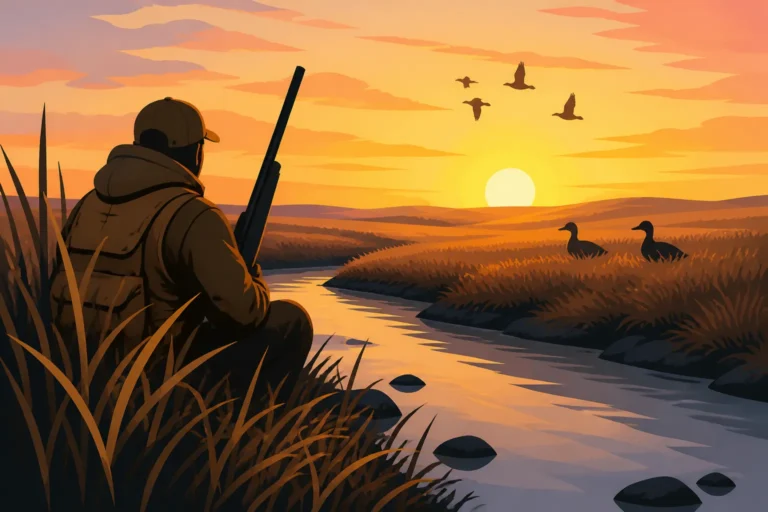
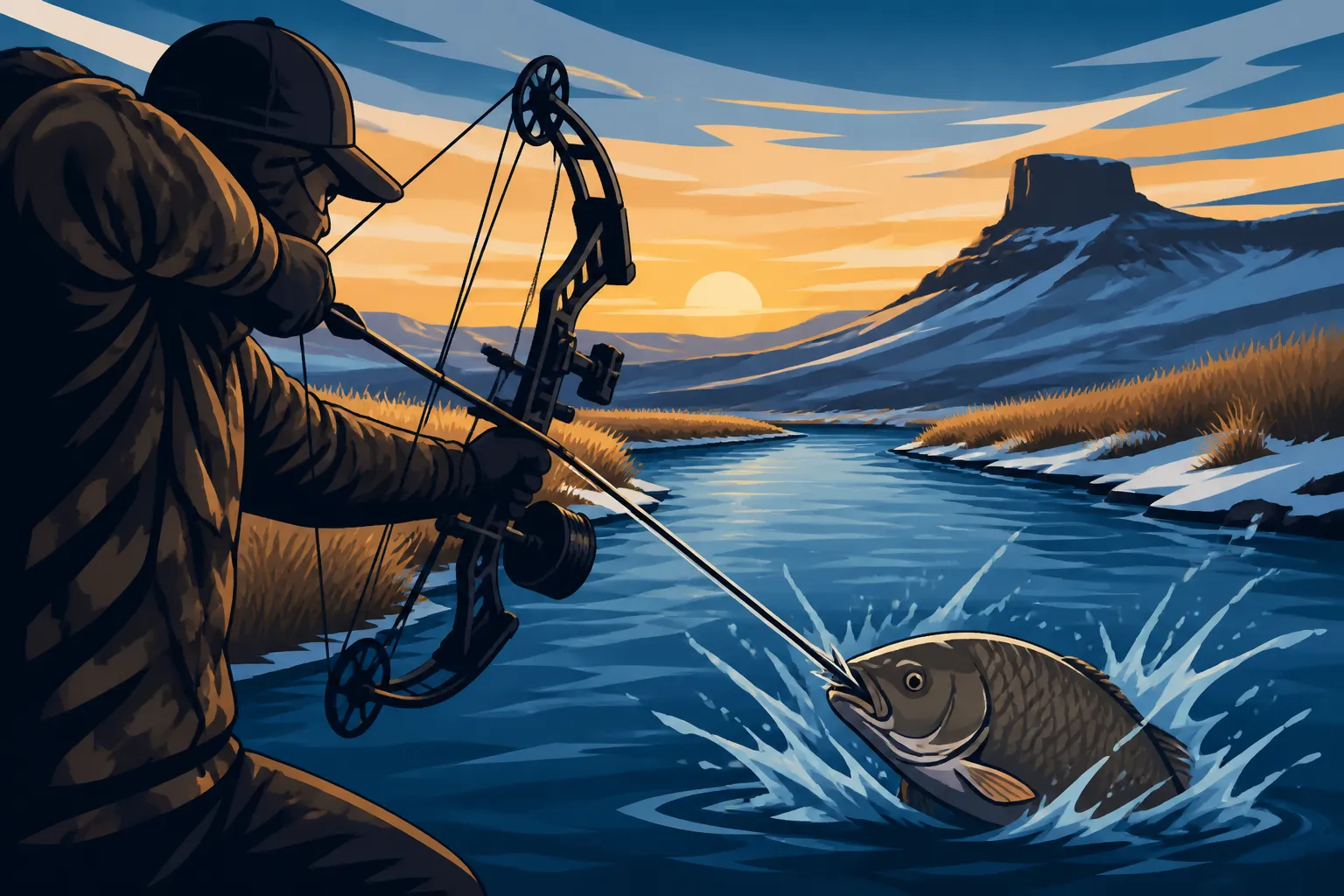
As the snow melts and the dust settles on another incredible hunting season here in North Dakota, many of us start feeling that familiar ache for outdoor action. The deer blinds are put away, the goose decoys are cleaned, and those crisp fall mornings are just a distant memory. But just because the big game seasons have wrapped doesn't mean your bow needs to be hung up for good! North Dakota offers a fantastic, action-packed alternative: bowfishing our abundant rivers and lakes for rough fish, providing an exciting challenge during the traditional off-season.
Understanding North Dakota's Bowfishing Regulations
Before you even think about stringing an arrow or launching a boat, it's absolutely crucial to get acquainted with North Dakota's specific rules and regulations for bowfishing. This isn't just about avoiding a ticket; it's about being a responsible angler and hunter, ensuring the sustainability of our fisheries and respecting other outdoor enthusiasts. The North Dakota Game and Fish Department is your primary resource for all current regulations, and it’s always wise to check their official guide each year.
Licensing Requirements and Seasons
First and foremost, you'll need a valid fishing license. Whether you're a long-time resident or visiting from out of state, this is non-negotiable. For North Dakota residents, a basic fishing license covers bowfishing. Non-residents will need to purchase a non-resident fishing license. There aren't specific "bowfishing licenses" beyond this, but it's important to have that general fishing credential in your possession whenever you're out on the water. You can find details on acquiring these licenses and their costs under topics like North Dakota Hunting Licenses and What They Cost. Remember, licenses usually run for a set period, so be sure you understand How Long a North Dakota License Stays Valid.
While traditional hunting seasons have strict opening and closing dates, bowfishing for rough fish in North Dakota is generally open year-round. This flexibility is precisely what makes it such a perfect off-season pursuit. However, some specific waters might have temporary restrictions or closures, so always double-check the local advisories. For most of the year, particularly from spring through fall when fish are active and water temperatures are conducive, you'll find ample opportunity to hit the rivers. There are no size or possession limits on most rough fish species typically targeted by bowfishermen, as the goal is often population management.
Legal Equipment for Bowfishing
When it comes to gear, North Dakota has clear guidelines to ensure fair chase and safety. For bows, you're in luck: recurve bows, compound bows, and even crossbows are all generally permitted for bowfishing. The key is that they must be used with specific bowfishing arrows. These aren't your typical hunting arrows. Bowfishing arrows are usually solid fiberglass or carbon, much heavier, and equipped with a specialized barbed tip designed to hold the fish once it's struck, but still allow for easy removal. They typically lack fletching, as accuracy isn't achieved through flight stability but rather through direct water penetration.
Another critical piece of equipment is the line and reel system. Your arrow must be tethered to your bow by a strong line, often braided synthetic, wound on either a specialized bowfishing reel (often a bottle-style reel or a spincast reel adapted for bowfishing) or simply wrapped around a hand spool. This allows you to retrieve your arrow and the fish after a successful shot. It's essential to ensure your line is robust enough to handle the thrashing of a large carp or buffalo. Safety should always be a priority; check all your connections and gear before heading out.
Respecting Property and Access Laws
Just because you're on a river doesn't mean all the surrounding land is fair game. Understanding access is paramount, especially when navigating North Dakota's diverse landscape of public and private property. Rivers are generally considered public waterways, meaning you can navigate them in a boat or wade. However, accessing the river from land often involves crossing private property. This is where topics like North Dakota Trespass and Permission Law become incredibly important.
Always assume land bordering a river or stream is private unless clearly marked as public access. This means no driving across fields, no parking on private property without permission, and no setting foot on the bank unless it's designated public land. Look for public access points at bridges, designated boat ramps, or areas managed by the state or federal government, such as North Dakota Wildlife Management Areas or some North Dakota Waterfowl Production Areas. If you wish to access a river via private land, you must obtain explicit permission from the landowner beforehand. A friendly knock on a farmer's door or a phone call can often open up new opportunities, but never assume consent.
Prime River Systems for Bowfishing in North Dakota
North Dakota might be known for its vast prairies, but it's also crisscrossed by impressive river systems that offer phenomenal bowfishing opportunities. From the mighty Missouri to the winding Red, these waterways hold populations of various rough fish that are perfect targets for the bowfishing enthusiast. Knowing where to go and what to expect can make all the difference in your off-season adventures.
The Mighty Missouri River and Its Tributaries
The Missouri River, the lifeblood of North Dakota, is arguably the state's premier destination for bowfishing. Its sheer size and the diversity of its habitat support robust populations of rough fish, particularly common carp, bigmouth buffalo, and quillback. Around areas like Bismarck and Mandan, or further north near Lake Sakakawea's lower stretches, the Missouri offers extensive shallow flats, backwaters, and slow-moving channels where these fish love to congregate, especially during warmer months. During the spring, when many of these species move into shallower waters to spawn, the action can be incredible. You might also find other species like freshwater drum.
When targeting the Missouri River, water levels and clarity are crucial factors. After heavy rains, the river can become quite turbid, making it challenging to spot fish. However, persistent bowfishers often find success by focusing on the edges of major current breaks, submerged structure like log jams, or shallower bays where the water might settle and clear a bit quicker. Utilizing navigation tools and aerial maps, like those offered by GoHunt, can help you pinpoint these promising areas even before you launch. Understanding the nuances of Hunting North Dakota's Missouri River Corridor can provide valuable insights into navigating and utilizing this vast river system.
Eastern Rivers: Red and James River Basins
Moving eastward, the Red River of the North presents a different, yet equally exciting, bowfishing experience. This north-flowing river forms the border with Minnesota and is notorious for its silty waters, which can make spotting fish tricky. However, don't let the turbidity deter you! The Red River holds massive common carp, silver carp (an invasive species that bowfishing helps control), and various suckers. The slower flow and abundant backwaters, particularly in the spring, can offer incredible concentrations of fish. You'll often find success in calmer bays, oxbows, and flooded fields connected to the main river channel, especially after spring run-off.
The James River, another significant eastern waterway, flows south through North Dakota and also offers excellent opportunities for carp and buffalo. This river often features more agricultural landscapes along its banks, meaning access might require more diligence. However, its winding nature creates numerous bends, sandbars, and slackwater areas that are prime feeding and spawning grounds for rough fish. Just like the Red, clarity can be an issue, but focusing on shallow, sun-warmed areas during midday can increase your odds. For those familiar with Hunting James River Basin Farmland, you'll recognize the rich agricultural backdrop, which also contributes to the productive fisheries here.
Lesser-Known Bowfishing Gems
Beyond the major river systems, North Dakota is dotted with numerous smaller rivers, larger creeks, and even some drainages that can hold surprising bowfishing potential. Rivers like the Sheyenne, Heart, and Cannonball, as well as many of the larger tributaries feeding into the Missouri or Red, can offer excellent, less-pressured opportunities. These smaller waters might not hold the sheer volume of fish as their larger counterparts, but they can provide more intimate hunting experiences and often clearer water conditions.
The key to finding success in these lesser-known spots is diligent scouting and local knowledge. Talking to bait shop owners, local anglers, or even farmers can often reveal hidden gems. Utilizing digital mapping tools from platforms like GoHunt can be invaluable here. You can pour over satellite imagery, identifying shallow flats, submerged weed beds, or narrow channels that might be holding fish. Remember, while you might be focused on bowfishing, understanding how to scout for other species, like in Scouting PLOTS Land With the ND Hunt App, can translate into valuable skills for finding fish habitat too. Always be prepared for varied access conditions, as many of these smaller waterways may flow exclusively through private land, necessitating respectful requests for permission.
Essential Gear and Tactics for River Bowfishing
Stepping into the world of bowfishing means a slight shift in your gear setup and tactics compared to traditional archery hunting. While the core principle of launching an arrow remains, the environment and the targets demand specialized equipment and a nuanced approach. Getting these details right can dramatically increase your success and enjoyment on the water.
Bowfishing Equipment Setup
Your bowfishing rig starts, of course, with your bow. Whether you opt for a traditional recurve, a compound, or a crossbow, the most important additions are the bowfishing reel and arrow rest. The reel, as mentioned, is critical for line management. Many bowfishers prefer "bottle" reels like those from AMS Bowfishing, which allow for quick line release and fast retrieval, or heavy-duty spincast reels. Your arrow rest should be a full-capture style, meaning it completely surrounds the arrow shaft, preventing it from falling off your bow during dynamic shots on the water.
The bowfishing arrow itself is purpose-built. It's heavier, often solid fiberglass, with a barb tip that secures the fish. Always ensure your arrow is connected to your line before you draw your bow. A detached arrow can be lost or, worse, become a dangerous projectile. For river bowfishing, especially in North Dakota's vast systems, a boat is often essential. Jon boats, equipped with a trolling motor for silent navigation in shallow waters, or even small airboats for extremely shallow, vegetated areas, are popular. For night bowfishing, which can be incredibly productive for certain species, powerful lights mounted to your boat are a must to illuminate the water.
Scouting and Spotting Techniques
Bowfishing is a highly visual sport. You're not calling fish in or waiting for them to walk into a lane; you're actively spotting them and taking a shot. This makes scouting and spotting techniques paramount. During the day, polarized sunglasses are your best friend. They cut the glare off the water, allowing you to see deeper into the shallows and distinguish fish from submerged logs or rocks. Focus your attention on shallow flats, areas with submerged vegetation, muddy banks where carp root around, and the edges of current breaks where fish might be resting.
Using mapping apps, particularly those with satellite imagery, can give you a huge advantage. Programs like GoHunt or ONX Hunt can show you shallow contours, areas with dense vegetation, or access points along rivers that might otherwise be hidden. Before you even launch, you can identify potential hotspots. Once on the water, move slowly and deliberately, especially in clearer conditions. Sometimes, you'll see a dark shadow, a ripple, or even the back of a fish breaking the surface. It takes practice to distinguish these signs, but with time, your "fish eyes" will develop. This acute observation skill isn't unlike what's needed for reading animal signs, such as Reading North Dakota Mud for Fresh Deer Movement.
Best Times and Conditions
While bowfishing for rough fish is generally open year-round, certain times and conditions offer significantly better success. Spring and early summer are often considered prime time. This is when many rough fish, particularly common carp and buffalo, move into shallow, warm waters to spawn. They become highly visible and often less wary, presenting abundant shot opportunities. Look for warm, sunny days following a cold spell, as fish will move to sun-baked shallows.
Water clarity is another major factor. Clearer water allows for easier spotting and longer shots, but sometimes fish are more skittish. Turbid water makes spotting tough, but if you can find clearer pockets, the fish might be less pressured. Consider weather patterns; stable, warm weather often means more active fish. Night bowfishing, especially on warmer nights, can be incredibly effective. Many rough fish become more active after dark, feeding in the shallows under the cover of darkness. With powerful lights, you can illuminate them and get excellent close-range shots. Pay attention to local reports and conditions, as river systems can change rapidly.
Species Identification and Ethical Practices
While bowfishing is a thrilling way to extend your time outdoors, it’s also important to be a responsible participant. Knowing what you’re shooting, understanding why these species are targeted, and practicing ethical harvest and disposal are all part of being a good steward of North Dakota’s natural resources.
Targeting Rough Fish
The primary targets for bowfishing in North Dakota are generally considered "rough fish." This term typically refers to species that are abundant, often not sought after by traditional hook-and-line anglers, and can sometimes be detrimental to game fish populations or aquatic habitats. The most common species you’ll encounter on North Dakota’s rivers include:
- Common Carp: These are perhaps the most popular bowfishing target. They are large, powerful, and abundant in nearly every river system. They often congregate in shallow, muddy areas, making them visible targets.
- Bigmouth Buffalo: A native species, buffalo can grow to impressive sizes, offering a significant challenge. They are filter feeders and are often found in similar habitats to carp, though they can be a bit more elusive.
- Quillback: Another native sucker species, quillback are smaller than carp or buffalo but still provide good action. They're often found in schools in shallower waters.
- Silver Carp and Bighead Carp: These are highly invasive species, especially prevalent in the Red River and its tributaries. They are a serious threat to native ecosystems, and bowfishing them is actively encouraged as a management tool. Be aware that silver carp are known to jump high out of the water when startled by boat noise, so wear eye protection!
The focus on these rough fish is not only for sport but also plays a role in fishery management. By removing abundant rough fish, bowfishers can help reduce competition for food and habitat with more desirable game fish, indirectly benefiting the overall health of the ecosystem. There are no limits on these species, encouraging their removal.
Responsible Harvest and Disposal
While there are no bag limits on rough fish, responsible harvest and disposal are critical. The core principle is to only take what you intend to use or ensure proper disposal. Simply leaving fish on the bank to rot is not only unethical but can also be illegal and detrimental to local aesthetics and wildlife. Many bowfishermen utilize their catch for various purposes:
- Fertilizer: Rough fish make excellent organic fertilizer for gardens and food plots. Burying them in your garden beds returns vital nutrients to the soil.
- Compost: They can be added to a compost pile, breaking down and enriching your soil for future planting.
- Wildlife Feed (where legal): In some areas, and under specific conditions, rough fish can be used as feed for certain domestic animals or wildlife. Always check local regulations before doing so.
- Consumption: While not as popular as game fish, many rough fish species, especially carp and buffalo, can be quite palatable if prepared correctly. Smoking, pickling, or grinding them into patties are common methods. The key is to bleed them immediately and keep them cold.
If you don't plan to use the fish, proper disposal is essential. This typically means deep burial away from waterways and public access areas, or utilizing designated waste disposal services. Avoid throwing carcasses back into the water, as this can negatively impact water quality and potentially spread diseases. As stewards of our wild places, we all share the responsibility to leave no trace and ensure our activities don’t detract from the enjoyment of others.
| Species | Typical Location | Seasonality (Peak Bowfishing) | Size Range (Common) | Invasive Status |
|---|---|---|---|---|
| Common Carp | Shallow flats, backwaters, muddy banks | Spring-Summer | 5-25 lbs (can exceed) | Established, non-native |
| Bigmouth Buffalo | Deeper pools, current breaks, spawning flats | Spring-Summer | 10-40 lbs (can exceed) | Native |
| Quillback | Shallow to moderate current, schools | Spring | 1-5 lbs | Native |
| Silver Carp | Surface waters, especially current breaks | Spring-Fall | 5-30 lbs (can exceed) | Highly Invasive |
| Freshwater Drum | Deeper channels, sometimes shallow spawning | Summer | 2-10 lbs | Native |
Disclaimer
Please note that hunting and fishing regulations can change. Always consult the official North Dakota Game and Fish Department regulations annually before engaging in any hunting or fishing activity. This guide is for informational purposes only and does not constitute legal advice.