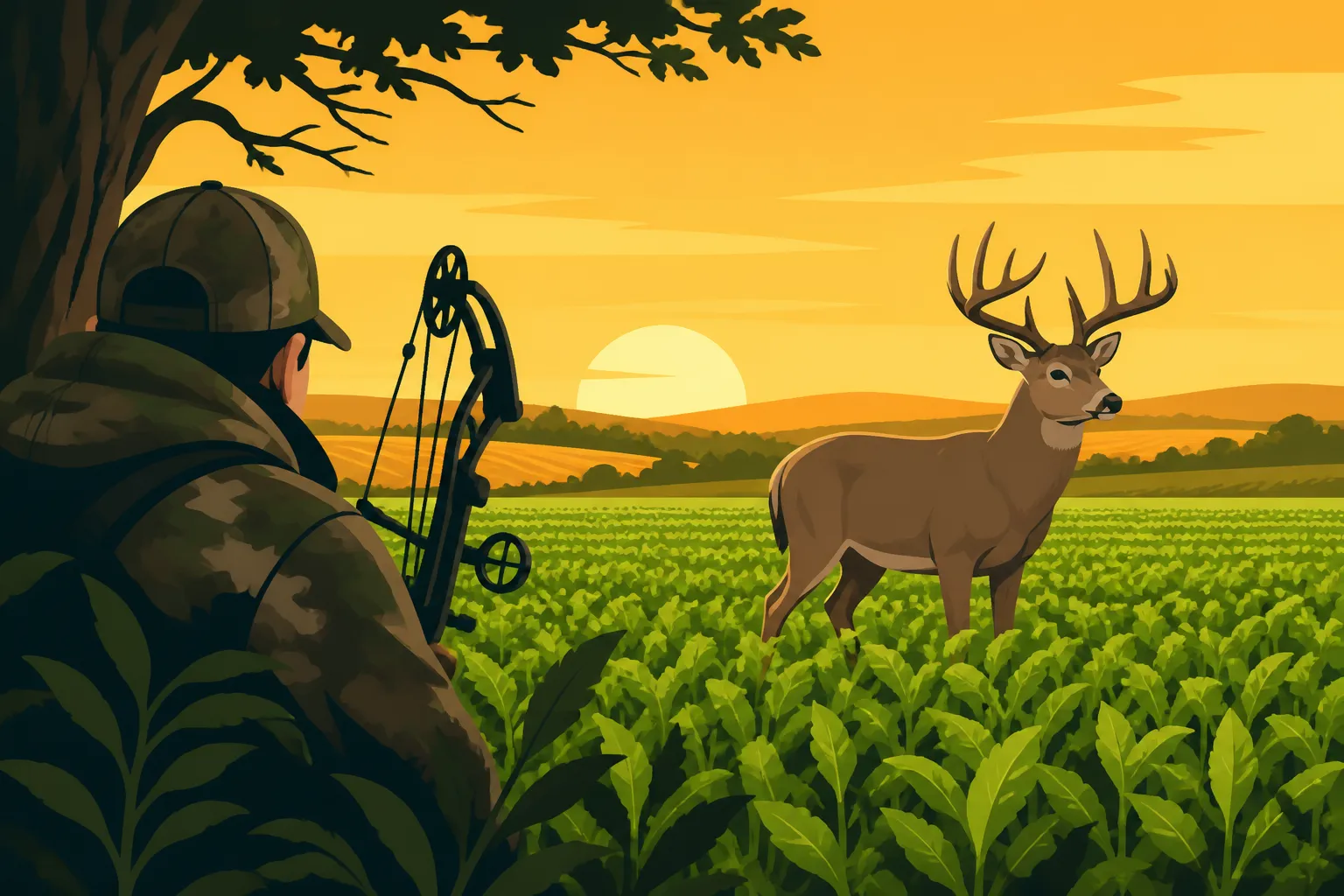
Hunting a Green Field Planted for Deer
There’s a special kind of frustration that comes with knowing deer are using a green field you’ve scouted, but you just can’t seem to intercept them during legal shooting hours. It’s a common scenario across North Dakota, where these planted oases can be both a blessing and a curse. This guide will help you decipher the complexities of hunting a green field planted specifically for deer, transforming those frustrating near-misses into successful encounters.
Understanding Green Fields and Their Allure
Green fields, often referred to as food plots, are specifically cultivated areas designed to attract and hold wildlife, particularly deer. In North Dakota's diverse landscape, from the eastern agricultural plains to the western Badlands fringes, these plots can be game-changers for hunters. They provide a reliable food source, drawing deer in from surrounding cover and often concentrating them in predictable patterns.
Why Deer Gravitate Towards Planted Fields
Deer are creatures of habit and efficiency. They prioritize calorie intake, especially as seasons progress and natural forage quality declines. A well-maintained green field offers a consistent, highly nutritious meal that’s hard for them to pass up. Think about it: why would a deer expend extra energy browsing sparse native vegetation when a buffet of lush clover or nutrient-rich brassicas is just a short walk away? These fields act as magnets, pulling deer from bedding areas, often through established travel corridors. During the fall and into the harsh North Dakota winter, these fields become even more critical, sometimes serving as the primary draw for deer. Hunters looking for ways to predict deer movement might consider how these fields influence travel patterns, especially when learning about topics like Hunting a Shelterbelt Edge for Deer or Hunting a Standing Corn Field for Deer.
Beyond just food, these fields often offer a sense of security, particularly larger plots nestled within dense cover or topographical features that provide escape routes. Deer aren't just looking for dinner; they're looking for dinner where they feel safe. The location and design of a green field often play a huge role in how comfortable deer are using it, influencing when they step out and how long they stay.
Common Green Field Crop Types in North Dakota
North Dakota offers a wide range of options for planting, each with its own benefits for deer and considerations for hunters. Understanding what's planted in a particular field is crucial for predicting when and how deer will use it.
Brassicas: Crops like turnips, radishes, and rape are fantastic for late-season hunting. They often become sweeter and more palatable to deer after a few hard frosts, making them a prime destination when other food sources are depleted. If you’re planning a hunt into a December cold snap, these fields can be absolute hotbeds of activity.
Clover: Perennial clovers, like crimson or white clover, are workhorses. They're palatable through much of the hunting season, providing high protein forage, and they also fix nitrogen in the soil, improving overall soil health. Deer love clover, and it's a reliable choice for early to mid-season attraction.
Cereal Grains: Winter wheat, oats, and rye are quick to establish and offer early-season attraction. Deer will hit these young, tender shoots hard in the early fall. They're also often used in blends to provide year-round forage or to bridge the gap between other crops.
Legumes and Mixtures: Alfalfa, chicory, and various blends are also popular. Some landowners might plant mixes to ensure a food source is available through different stages of the season, from early fall to late winter. It’s not uncommon to see a blend that includes oats for early attraction, brassicas for later, and clover for consistent grazing. Knowing what’s planted can help you align your hunting efforts with the deer's dietary needs throughout the season.
The Seasonal Appeal of Green Fields
The attractiveness of a green field changes dramatically throughout the hunting season, largely driven by crop maturity, weather, and the availability of other natural food sources.
Early Season (September-October): In the early archery season, deer might still be hitting natural browse and acorns if available. However, young, tender cereal grains or lush clover plots are highly appealing. Bucks are still often in bachelor groups, and does are focused on nutrition. These fields offer a reliable pattern before the chaos of the rut begins. If you're out early, understanding When North Dakota's Archery Season Opens can help you plan.
Mid-Season (Late October-Mid November): As temperatures drop and the rut kicks in, a green field can become a hotbed of activity, but not always for feeding. Bucks will cruise these fields looking for receptive does, especially at dawn and dusk. Does will still be feeding, making them prime targets for cruising bucks. This is a fantastic time for rattling and decoying, as bucks are highly responsive.
Late Season (December-January): After gun season closes and the real cold sets in, good quality food plots, especially those with cold-hardy brassicas, become absolutely critical. Deer are in survival mode, trying to pack on calories to make it through winter. Finding these late-season food sources for North Dakota whitetails is paramount. Hunting into a December cold snap means deer will often hit these fields more aggressively, sometimes even during daylight hours, making them prime locations for a patient hunter.
Scouting and Strategy for Success
You can't just walk into any green field and expect success. Effective hunting hinges on meticulous scouting and a well-thought-out strategy, taking into account the unique dynamics of these managed food sources. This means looking beyond just the field itself to understand how deer are using the surrounding habitat.
Pre-Season Reconnaissance
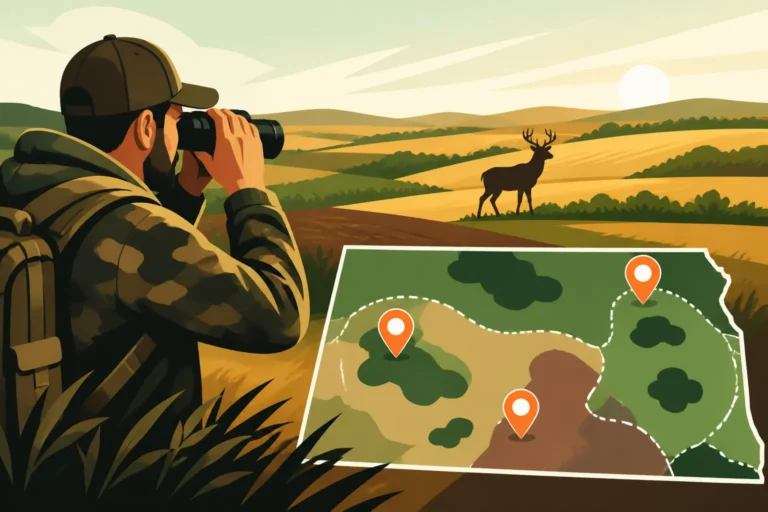
Long before the season opener, you should be on the ground, or at least on a map, studying these green fields. Use tools like the GoHunt app to examine aerial photos and topographical maps. Look for potential bedding areas nearby, water sources, and especially discernible travel corridors leading into and out of the field. Are there thick shelterbelts, creek bottoms, or dense pockets of CRP grass that provide cover for deer transitioning to and from the field? Identifying these pathways will be key to placing your stand or blind.
During late summer, pay attention to field edges. Are there established trails? Are deer already hitting the emerging crops? Setting up trail cameras on the edges of these fields, focusing on entry and exit points, can give you invaluable insight into what deer are using the field, when they are using it, and from which direction they are approaching. Look for fresh tracks, droppings, and browsed plants. Knowing when and where deer appear in a particular field, especially if it's new to you, is vital. You can also glean a lot from checking Scrape Lines Along a Section Line Trail nearby, as bucks often scent-mark popular travel routes.
Reading Deer Sign in and Around the Field
Once you're closer to hunting season, or even during the season, reading fresh deer sign becomes paramount. Deer movement around green fields isn't random; it's purposeful. Look for heavily used trails that are worn down to dirt, indicating consistent traffic.
Beyond trails, examine rub lines and scrapes. Bucks will often create these on the edges of food plots or along the travel corridors leading to them, especially as the rut approaches. A fresh rub, with wood shavings still light in color, tells you a buck was recently there and likely passed through that specific spot. Scrapes, particularly those with fresh pawed earth and an active licking branch above, signal a buck's presence and his intent to communicate with does. Pay attention to the direction of travel indicated by tracks – are deer coming from a specific thicket in the morning and heading to another at night? These details help you pinpoint the precise spots for an ambush.
Considering Wind and Thermals
Wind is your most critical factor when hunting any deer, and green fields are no exception. Your scent is your biggest giveaway. Always hunt with the wind in your favor, blowing your scent away from where you expect deer to approach or bed. If the wind is wrong for your primary stand location, have a backup plan or choose another area entirely. It's better to stay home than to blow out a prime spot.
In areas with varied topography, like the rolling hills of western North Dakota or the bluffs along the Missouri River, thermals also come into play, especially during morning and evening hunts. In the morning, as the sun rises, warm air typically rises, carrying your scent uphill. In the evening, as the air cools, thermals often drop, pulling your scent downhill. Understanding Wind and Thermals in Badlands Terrain can be a real game-changer, but these principles apply on a smaller scale even in flatter areas near creek drainages or field depressions. Always factor both wind and thermals into your entry and exit routes too, minimizing your disturbance.
Effective Hunting Tactics for Green Fields
Successfully hunting a green field requires more than just showing up. It demands careful planning of your approach, precise stand placement, and often the use of calling and scent strategies to draw deer within range.
Stand Placement and Concealment
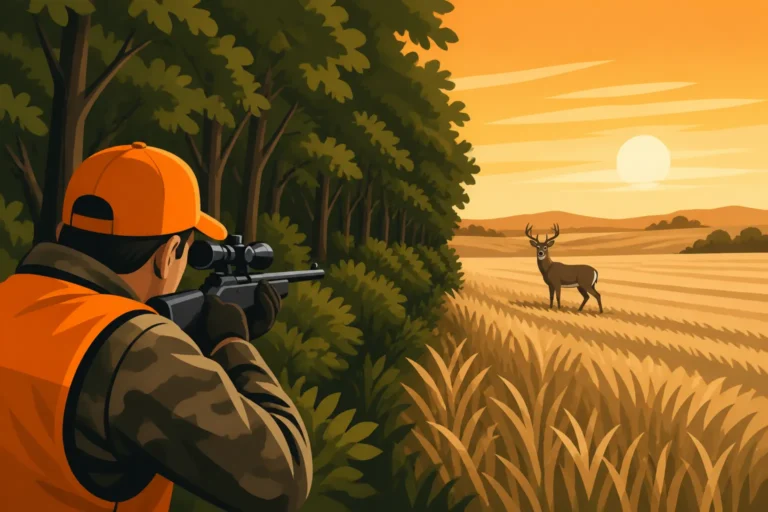
The location of your stand or blind is critical. Avoid placing it directly on the field edge where deer will be feeding, as your presence will likely spook them. Instead, focus on the transition zones or established travel corridors that deer use to enter and exit the field. Often, the best spots are 20-40 yards back into the cover from the field edge, offering a clear shot as deer step out, but providing enough concealment for you to go undetected.
Consider the prevailing wind direction for your chosen spot, and have multiple stand options for different wind conditions. Think about the sun's position – you don't want to be silhouetted or have the sun in your eyes during prime hunting hours. Concealment is key, whether you're in a tree stand or a ground blind. For ground blinds, brushing in a blind on a field edge effectively hides your setup and makes it feel natural to approaching deer. For tree stands, utilize natural cover like tree branches and camouflage netting. An elevated position generally provides a better vantage point and helps to disperse your scent more effectively.
Timing Your Hunts for Peak Activity
Deer, especially mature bucks, are most active at dawn and dusk. These are your prime hunting windows for green fields. Get into your stand well before first light, moving slowly and quietly to avoid disturbing any deer already in the field. Likewise, stay in your stand until well after dark to allow any feeding deer to clear out before you make your exit.
Midday hunts can be productive if the weather is cold, or if there's significant hunting pressure elsewhere that's pushing deer into the sanctuary of the field for a quick bite before retreating to bed. However, generally, early morning and late evening are when deer feel most comfortable venturing out into the open of a green field. Pay close attention to recent observations; if trail camera intel shows deer are hitting the field at 10 AM, then by all means, adjust your timing.
Utilizing Calls and Scents
Green fields, especially during the rut, are excellent places to incorporate calls and scents into your strategy. A well-timed grunt call can pique the interest of a buck cruising the field edge, making him curious enough to investigate. During the peak of the rut, rattling antlers can mimic bucks fighting, drawing in dominant bucks looking to assert their presence or opportunistic younger bucks hoping to sneak in. Consider the volume of your rattling, especially on the open prairie where sounds carry far.
Using deer scents, such as doe estrus or a territorial buck urine, can also be effective. Place scent wicks on shooting lanes or near mock scrapes on the field edge to draw deer closer to your position. Products from companies like Tink's or Code Blue offer a variety of options. Some hunters even use general deer attractants or minerals (where legal) to enhance the appeal of the field itself. The GoHunt app, while primarily for mapping and research, also has community forums where hunters share their experiences with different calling and scent strategies in specific North Dakota regions, which can be a valuable resource for learning what works locally.
Adapting to Changing Conditions
Hunting green fields isn't a static game; conditions in North Dakota can change on a dime. The successful hunter is one who can adapt their strategy to factors like hunting pressure, shifting weather patterns, and the progression of the season.
The Impact of Hunting Pressure
As the season progresses, and especially after the opening weekend of gun season, deer become warier. Intense hunting pressure can quickly turn a once-bustling green field into a nocturnal feeding ground. If a field you've been watching suddenly goes cold during daylight hours, it's a strong indicator that deer have been pressured and have shifted their patterns.
When this happens, you have a few options. First, adjust your timing: focus on the earliest morning and latest evening hours, and be exceptionally careful with your entry and exit. Second, look for alternative, less-pressured food sources nearby, or areas that offer thicker cover closer to the field where deer might feel safer making a quick visit. Third, consider hunting not the field itself, but the thickest cover between the field and a known bedding area. Deer will often stage in these areas, waiting for dark before venturing out, or they might browse their way along a thick fencerow for late-season deer before committing to the open field.
Weather's Role in Deer Movement
Weather is a huge influencer of deer movement in North Dakota. A cold front moving through, especially with dropping temperatures and a bit of snow, can kick deer activity into high gear. They know they need to feed heavily before a storm or during a sustained cold snap. This is especially true for late-season hunts; hunting deer after a cold front often means increased activity.
Conversely, warm, sunny days, particularly in the mid-fall, can make deer activity sluggish. They might still hit the green fields, but it's likely to be closer to dark or during the very first minutes of light. Overcast, breezy days are often excellent for hunting, as the consistent wind helps mask human scent and deer tend to move more freely under cloudy skies. Always check the forecast and adjust your plans accordingly.
Late-Season Considerations
By late season, many natural food sources are gone or covered by snow. This is when a green field, particularly those planted with brassicas or winter grains, truly shines. Deer are in survival mode, and a reliable, high-calorie food source is often their primary driver.
For late-season hunts, focus on the warmest parts of the day if temperatures are bitterly cold, as deer might move to feed during these brief windows. Also, consider that deer may be concentrated in smaller areas, especially if heavy snow limits access to other food. If you're Hunting into a December Cold Snap, these fields become indispensable. Setting up a ground blind that offers warmth and concealment can be a very effective strategy when cold-weather sitting strategy on the prairie is key. Make sure your gear is up to the task; being comfortable and warm means you can stay on stand longer and increase your odds of success.
Green Field Crop Comparison
Here's a quick overview of common green field crops in North Dakota and their primary benefits for deer and hunters:
| Crop Type | Primary Benefit for Deer | Best Hunting Season | Key Hunting Considerations |
|---|---|---|---|
| Brassicas | High energy, highly palatable after frost | Late Season (Nov-Jan) | Attracts deer when other food is scarce; deer hit hard after cold snaps. |
| Clover | High protein, consistent forage, soil health | Early to Mid-Season (Sep-Nov) | Deer graze consistently; good for establishing early patterns; can be browsed down. |
| Winter Wheat/Rye | Early season palatability, quick germination | Early Season (Sep-Oct) | Young shoots are attractive; often used in mixes; can lose appeal as it matures. |
| Alfalfa/Chicory | Drought tolerant, high protein, perennial | Mid-Season (Oct-Nov) | Provides consistent food; deer may spread out in larger plots. |
| Corn/Soybeans | High energy, late season food, cover | Late Season (Nov-Jan) | Deer will often bed and feed here; very strong late-season draw; can be hard to hunt. |
Disclaimer
Hunting is an activity with inherent risks. Always prioritize safety, adhere to all local, state, and federal hunting regulations, and respect private property. The information provided here is for educational purposes and should not replace proper hunter education or professional guidance. Always check the latest regulations from the North Dakota Game and Fish Department before heading afield.