North Dakota Hunting Licenses and What They Cost
Navigating the labyrinth of hunting licenses and associated costs in North Dakota can feel like cracking a secret code, especially with the ever-changing rules and application deadlines. It’s easy to get overwhelmed trying to figure out exactly what you need to legally chase game across our beautiful prairies and badlands. This comprehensive guide is here to untangle that complexity, breaking down everything from basic requirements to species-specific tags, helping you understand the financial investment and administrative steps involved in your North Dakota hunting adventure.
Navigating the Maze of North Dakota Hunting Licenses
Before you even think about scouting a new patch of public land or dreaming of that big buck, you need to understand the fundamental licensing requirements here in North Dakota. It's not just about one simple license; it's a layered system designed to manage wildlife resources and ensure fair chase. Overlooking these initial steps can halt your hunt before it even begins, leaving you frustrated at the counter or, worse, facing a hefty fine. We all want to hit the field confidently, and that starts with having your paperwork in order.
The Importance of a Base License General Game and Habitat
At the heart of every hunting endeavor in North Dakota is the General Game and Habitat License. Think of this as your foundational pass, the absolute minimum requirement that almost every hunter, resident or nonresident, needs to purchase. It’s a modest fee, but it's crucial because it's essentially the entry ticket that allows you to then purchase other species-specific licenses and tags. Without this, no other permit is valid, making it the most overlooked yet vital component of your hunting setup. This license contributes directly to wildlife management and habitat restoration efforts across the state, ensuring that the wild places we cherish remain vibrant for future generations.
This base license isn't a hunting license in itself, but rather a prerequisite for acquiring almost any other hunting or trapping license in the state. It's a common point of confusion for new hunters or those visiting from other states where a "hunting license" might be a single, all-encompassing purchase. Here in North Dakota, this structure means you're supporting the broader conservation goals before you even decide what specific game you'll be pursuing. It's a testament to the state's commitment to robust wildlife populations and their habitats, funding critical research, land acquisition, and habitat improvement projects. Whether you're planning to hunt deer or simply chase some pheasants, the General Game and Habitat License sets the stage for your entire season.
Understanding Resident vs Nonresident Status and Fees
The most significant factor influencing both the availability and cost of North Dakota hunting licenses is your residency status. For obvious reasons, residents of North Dakota receive priority and generally pay substantially lower fees for licenses and tags, reflecting their ongoing contribution to the state's tax base and conservation efforts. It's a system designed to protect resident opportunities while still welcoming nonresidents to experience the incredible hunting our state offers. However, this distinction means that nonresidents often face higher prices and, in some cases, limited or even lottery-only access for certain popular species. You can find detailed breakdowns in our guide on North Dakota Resident License Options.
For nonresidents, the price difference can be quite stark, and the regulations can be more restrictive. For example, while residents might apply for a general deer tag with a relatively low fee, a nonresident applying for a similar deer gun lottery tag will pay a much higher application fee, and if drawn, an even higher license fee. Some species, like moose, elk, and bighorn sheep, are often exclusively reserved for residents, underscoring the state's commitment to its own population. It's paramount for nonresidents to thoroughly research the specific North Dakota Nonresident License Options and apply well in advance, paying close attention to deadlines and the nuances of each lottery system. Many popular online hunting resources, like GoHunt, provide excellent tools and breakdowns to help nonresidents navigate these complex regulations, allowing them to track application periods and odds, which can be invaluable when planning a costly out-of-state hunt.
Breaking Down Deer Licenses and Their Costs
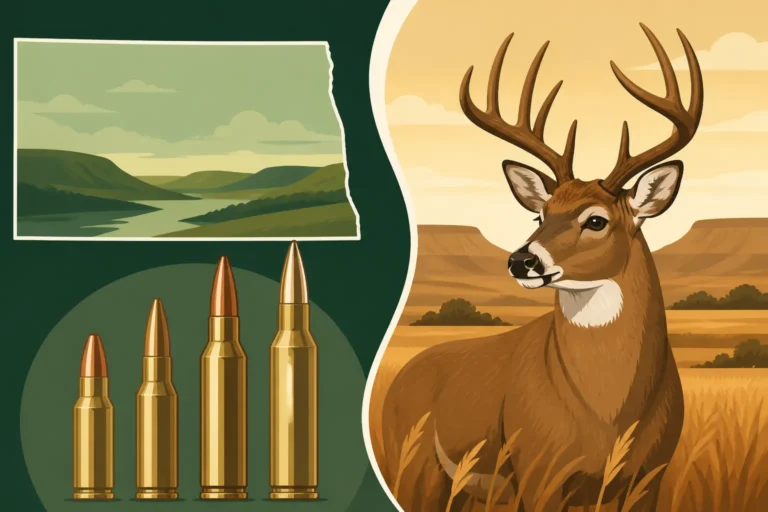
Deer hunting is, without a doubt, the most popular big game pursuit in North Dakota, attracting thousands of hunters each year. But getting a deer tag isn't always a simple over-the-counter transaction. The process varies significantly depending on the weapon you intend to use and whether you're a resident or nonresident, often involving a lottery system that adds an element of suspense and strategy to your hunt planning. It's a system that can be frustrating for those who just want to hit the woods, but it's in place to manage our deer herds responsibly.
The Deer Gun Lottery Application Process and Fees
For most resident deer hunters, and almost all nonresidents, acquiring a gun tag for deer in North Dakota means going through a lottery system. This process is designed to allocate a limited number of tags across various hunting units, ensuring that harvest numbers remain sustainable. Applying for the lottery usually involves a non-refundable application fee, which is typically quite modest. If you're lucky enough to draw a tag, the actual license fee is then due. For nonresidents, this license fee is considerably higher than for residents, reflecting the premium placed on out-of-state hunting opportunities. Understanding the North Dakota Deer Gun Lottery Application Process is critical, as deadlines are firm, and missed applications mean missing the season entirely.
The lottery system can be a source of significant anxiety for hunters, especially for nonresidents who invest time and money into their application with no guarantee of drawing a tag. The application period usually opens in May and closes in early June, with results typically released in July. It's important to remember that not all units have the same tag availability or success rates, so researching your preferred unit's history is a smart move. Websites like GoHunt offer valuable insights into draw odds and harvest data by unit, helping you make informed decisions about where to apply. Some years, antlerless tags might be more readily available, offering a better chance to simply get into the field, even if you don't draw that coveted "any-deer" tag.
Archery and Muzzleloader Deer Licenses
While gun season is often the highlight, North Dakota also offers fantastic opportunities for archery and muzzleloader deer hunting, each with its own set of license requirements and season dates. Archery licenses are generally available over-the-counter for residents and are more accessible for nonresidents as well, though nonresidents do face specific restrictions during the early part of the season. Muzzleloader hunting, on the other hand, is typically tied to specific units and seasons, often requiring a lottery application similar to the gun season. These seasons provide unique hunting experiences, catering to different preferences and skill sets.
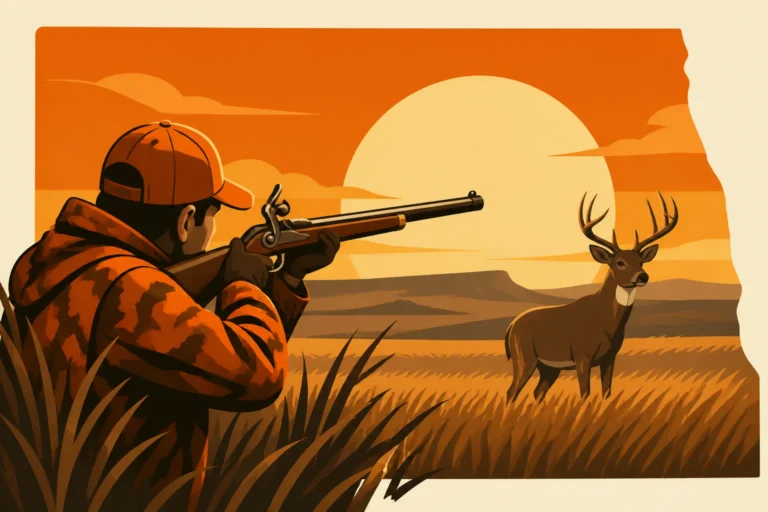
The North Dakota Archery Season Dates typically span a long period, from early September well into January, offering ample opportunity. However, nonresidents must be aware of a critical early-season restriction: for the first nine-and-a-half days of the season, nonresidents can only hunt deer on private land for which they have written permission. This rule changes after that initial period, but it's a significant detail to plan around. Muzzleloader season, usually in November and December, often provides a chance to hunt later in the year, sometimes even after the general gun season has closed in certain units, offering a quieter, more traditional hunting experience. These tags are usually unit-specific and subject to draw, so checking availability and applying on time is crucial.
Youth Deer Season Rules and Costs
North Dakota strongly supports getting younger generations involved in hunting, offering a dedicated youth deer season and special provisions to make it accessible. The youth deer season typically takes place in late September or early October, offering a prime opportunity for young hunters (usually ages 10-15) to pursue deer with adult supervision before the general gun season opens. These licenses are generally very affordable, often significantly discounted or even free, to encourage participation.
The rules for the North Dakota Youth Deer Season Rules are straightforward, emphasizing safety and education. Youth hunters must possess a valid youth deer license, and they are typically allowed to harvest one deer, often an "any-deer" tag, providing a great chance for a memorable first harvest. An adult mentor (who must be licensed themselves) is required to accompany the youth hunter and stay within a certain distance. This program is an excellent way to introduce new hunters to the sport in a less crowded, focused environment, building skills and fostering a love for the outdoors. It’s an investment in the future of hunting, ensuring that our traditions continue.
Upland Bird and Small Game Licenses
Beyond big game, North Dakota is legendary for its upland bird hunting, particularly pheasants, and offers abundant opportunities for pursuing other small game. These licenses are generally much simpler to acquire than big game tags, typically available over-the-counter, making them a popular choice for both residents and nonresidents seeking a dynamic hunting experience.
Pheasant and General Small Game License Structure
If you're eyeing the robust pheasant populations North Dakota is famous for, or perhaps looking to chase sharptail grouse or Hungarian partridge, you'll need a small game license. For residents, this is usually part of a combination license or a standalone small game license that covers all these species. Nonresidents, however, will typically purchase a dedicated nonresident small game license, which, while more expensive than a resident equivalent, still offers incredible value given the hunting opportunities available.
The North Dakota Pheasant and Upland Season Rules detail bag limits, possession limits, and season dates, which are crucial to review before your hunt. Unlike big game, upland bird licenses are usually straightforward purchases, meaning you don't have to contend with a lottery system to get into the field. This ease of access, combined with North Dakota's vast tracts of public land and the renowned PLOTS program, makes it a prime destination for bird hunters. Just make sure you've also got your General Game and Habitat License squared away first!
Exploring Predator and Furbearer License Options
North Dakota's diverse wildlife extends beyond traditional game animals to include a variety of predators and furbearers, offering unique hunting and trapping opportunities throughout the year. Species like coyotes, fox, bobcats, and various furbearers can be pursued, often with less restrictive licensing compared to big game. For hunters interested in year-round action or those looking to contribute to local population management, these licenses are a fantastic option.
Hunting predators like coyotes and fox often only requires a general hunting license or a small game license for residents, making it very accessible. Nonresidents might need a specific nonresident furbearer or predator license, depending on the species and method. Trapping, however, is a separate discipline with its own specific license requirements. These licenses are crucial for ensuring legal and ethical take, and they help manage populations that can sometimes impact game species or livestock. Always double-check the current regulations for specific seasons, methods, and tagging requirements, as these can vary by species and year.
Waterfowl Hunting: Federal, State, and Zone-Specific Requirements
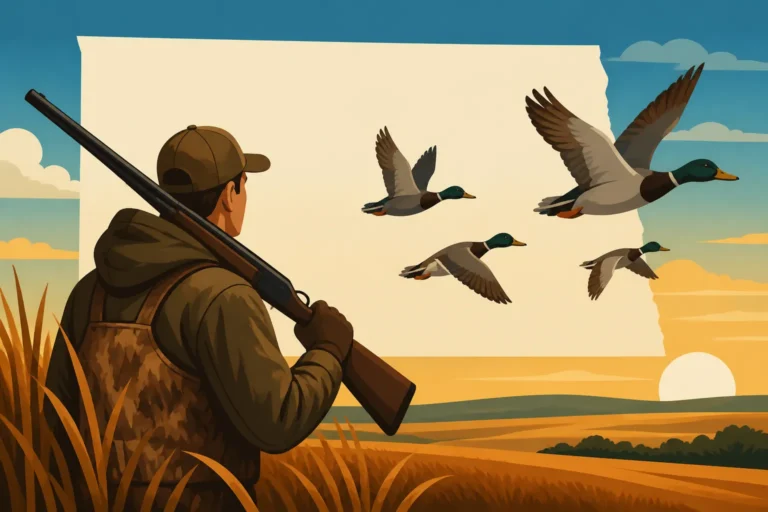
North Dakota sits squarely in the Prairie Pothole Region, often called the "duck factory" of North America, making it a world-class destination for waterfowl hunting. But to legally pursue ducks and geese here, you'll need to navigate a specific set of federal and state stamps and certifications, in addition to your general hunting license.
Federal Duck Stamp and HIP Certification
Regardless of your residency, if you plan to hunt any migratory waterfowl in North Dakota, two federal requirements are non-negotiable: the Federal Duck Stamp and Harvest Information Program (HIP) certification. The Federal Duck Stamp is an actual adhesive stamp, or an e-stamp, that you must possess. Its proceeds go directly to conserving wetland habitats, which benefits countless species, not just waterfowl. It's a small investment with a huge impact on conservation.
The HIP certification is a simple, free process where you declare the migratory birds you hunted the previous year. It helps the U.S. Fish and Wildlife Service gather crucial data on harvest rates, which in turn informs future season setting and management decisions. Both of these are federal requirements and must be in order before you step foot in a blind or wade into a slough. Without them, even with a North Dakota waterfowl license, you're not legally hunting migratory birds.
Understanding North Dakota's Zone-Restricted Waterfowl License
North Dakota has implemented a unique system for nonresidents pursuing waterfowl: the Zone-Restricted Waterfowl License. This license, while allowing nonresidents to hunt, requires them to select one of two zones (east or west) in which they intend to hunt for the entire season. This means you can't freely move between zones with a single license, a critical consideration for nonresidents planning their trip.
This restriction is a measure to manage hunting pressure and spread out nonresident activity, aiming to provide a more equitable experience for all hunters. The North Dakota's Zone-Restricted Waterfowl License system ensures that resources are distributed more evenly and helps prevent localized over-pressuring of specific areas. Nonresidents need to carefully consider their hunting plans and choose their zone wisely before purchasing this license, as it's non-transferable between zones once issued. It's another layer of planning that serious waterfowl hunters need to account for when coming to North Dakota.
The Nine Resident-Priority Waterfowl Days
Adding another layer of complexity for nonresidents is the provision for nine resident-priority waterfowl days. During these specific days, typically the first week and a half of the waterfowl season, nonresidents are prohibited from hunting waterfowl on any publicly owned or managed land, including federal Waterfowl Production Areas (WPAs), state Wildlife Management Areas (WMAs), or most PLOTS (Private Land Open To Sportsmen) areas.
This rule is designed to give North Dakota residents exclusive access to public waterfowl hunting opportunities during the season opener, a time of high activity and excitement. Nonresidents can still hunt during these nine days, but only on private land for which they have written permission. It's a key regulation that heavily impacts nonresident planning, often leading many to schedule their trips to start after this resident-priority period concludes. Understanding North Dakota's Nine Resident-Priority Waterfowl Days is essential for avoiding disappointment and ensuring you have legal access to the areas you plan to hunt.
The Unique World of North Dakota's Lottery Big Game
While deer hunting is popular, North Dakota also offers truly unique, once-in-a-lifetime opportunities for other big game species like elk, moose, and bighorn sheep. These hunts are highly coveted and incredibly challenging to draw, making a successful application a dream come true for many hunters. Pronghorn antelope also fall into a lottery system, though they're more accessible than the "super tags."
Elk, Moose, and Bighorn Sheep: Once-in-a-Lifetime Draws
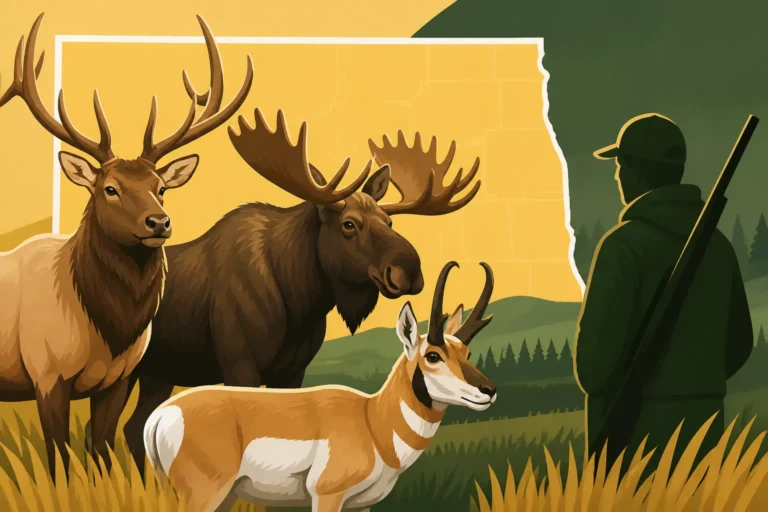
Drawing an elk, moose, or bighorn sheep tag in North Dakota is akin to winning the lottery – because it literally is a lottery, and for moose and bighorn, they are once-in-a-lifetime tags. These animals are managed for very specific, limited harvests to maintain healthy, thriving populations, particularly in their relatively small ranges within the state. As such, these tags are almost exclusively reserved for residents, and the odds of drawing one are incredibly low.
The application period for these coveted tags typically runs from March to late March/early April, with results often released in June. The fees for applying are usually modest, but the value of a drawn tag is immeasurable. Hunters spend years, even decades, building preference points (a system designed to give unsuccessful applicants a slightly better chance in subsequent years) in hopes of drawing one of these tags. Our guide on North Dakota Elk Lottery Application Process covers the specifics for elk, while similar processes exist for moose and bighorn. These hunts are not just about the kill; they are about the experience of pursuing truly majestic animals in some of North Dakota's wildest landscapes, such as the Little Missouri Badlands for elk. The intense planning involved in these once-in-a-lifetime hunts often leads hunters to consult detailed resources like those on GoHunt to maximize their application strategy.
Pronghorn Antelope License Specifics
Pronghorn antelope, often called the "speed goats of the prairie," offer an exhilarating hunting experience in the open landscapes of western North Dakota. Like deer, these tags are managed through a lottery system, but they are generally more accessible than elk, moose, or bighorn, especially for residents. Nonresidents may apply, but their tag allocation is much more limited.
The pronghorn lottery application typically opens in late July and closes in early August, with results usually out by late August. Hunting is generally done by spot-and-stalk in the wide-open country. The licenses are unit-specific, and the number of tags issued each year depends heavily on population surveys and winter mortality, which can fluctuate. The cost for a pronghorn license, if drawn, is moderate for residents and higher for nonresidents, but still offers a fantastic opportunity to hunt a truly unique North American big game species.
Wild Turkey Hunting: Spring and Fall Options
North Dakota offers both spring and fall turkey seasons, providing distinct hunting experiences and requiring different approaches to licensing. These opportunities allow hunters to pursue the state's wild turkey populations, which have seen significant restoration efforts over the years.
Resident-Only Spring Turkey Lottery
Spring turkey hunting in North Dakota is a highly anticipated event, with hunters eager to hear those first gobblers echo through the timber. However, it's important to note that the spring turkey season is exclusively for residents only, making it another one of those cherished opportunities reserved for those who call North Dakota home. The tags are allocated through a lottery system, ensuring fair distribution among resident hunters.
The North Dakota Spring Turkey Lottery Rules typically involve an application period in February, with results announced in March. Hunters apply for specific units, and depending on tag availability and demand, drawing a tag can sometimes require a bit of luck. The season itself usually runs from mid-April to mid-May, offering a beautiful window to be in the woods as spring awakens. For many residents, it’s a yearly ritual, a chance to enjoy the challenge and excitement of calling in a wary gobbler.
Fall Turkey License Availability and Costs
Unlike the spring season, the fall turkey season in North Dakota is open to both residents and nonresidents, making it a more accessible option for out-of-state hunters. Fall turkey hunting offers a different dynamic, often focusing on breaking up flocks and calling in lost birds, rather than the territorial gobbling of spring.
Fall turkey licenses are typically available over-the-counter or through a relatively accessible lottery, depending on the unit and demand. The North Dakota Fall Turkey License Availability varies by unit, and it's always wise to check the North Dakota Game and Fish Department website for the most current information. Costs are generally quite reasonable for both residents and nonresidents, making it an affordable way to extend your hunting season. Fall turkey season usually runs from mid-September through December, providing ample time to pursue these wily birds across various habitats, from river bottoms to shelterbelts.
Additional Permits, Stamps, and Crucial Certifications
Beyond the core species-specific licenses, there are several other permits, stamps, and certifications that might be required depending on your age, hunting background, or the specific area you plan to hunt. Overlooking these details can lead to penalties, so it's always best to be thoroughly prepared.
Hunter Education Requirements and Apprentice Licenses
For anyone born after December 31, 1961, participating in any hunting activity in North Dakota requires proof of hunter education. This is a fundamental requirement designed to ensure safety and responsible hunting practices among all participants. The course covers firearms safety, ethics, wildlife identification, and conservation principles.
If you haven't completed hunter education but want to try hunting, North Dakota offers an Apprentice Hunter License program. This allows individuals to hunt under the direct supervision of an experienced, licensed adult, without first completing hunter education. It's a fantastic way for newcomers, both youth and adults, to experience hunting firsthand before committing to the full hunter education course. Details on North Dakota Hunter Education Requirements and the apprentice program are readily available through the Game and Fish Department, providing a pathway for new hunters to get started.
CWD Hunting Unit Regulations and Mandatory Testing
Chronic Wasting Disease (CWD) is a serious concern for wildlife managers across North America, including in North Dakota. As a result, the state has designated specific CWD hunting units where special regulations apply to help monitor and control the spread of the disease. If you draw a deer or elk tag in one of these designated units, you might face additional requirements.
These requirements often include mandatory CWD testing of your harvested animal. Hunters in these units are typically required to submit the heads of their deer or elk at designated sampling stations or collection sites within a certain timeframe. There may also be restrictions on the transport of certain carcass parts out of these units. Staying informed about North Dakota's Expanding CWD Hunting Units and their specific rules is crucial for compliance and for contributing to the state's CWD management efforts. Many online resources, including the North Dakota Game and Fish website and apps like GoHunt, offer maps and updates on CWD zones and testing locations.
Understanding Gratis and Landowner Permits
North Dakota recognizes the significant role landowners play in providing habitat and access for wildlife. As such, the state offers "gratis" licenses and landowner preference points, designed to acknowledge and support resident landowners who actively farm or ranch in the state. These aren't general public options, but they are an important part of the overall licensing structure.
Gratis licenses are specific deer licenses available to eligible resident landowners, allowing them to hunt on their own property or land they operate. This system helps landowners manage deer populations on their property while also providing them with an opportunity to harvest. Landowner preference points in the deer gun lottery also give eligible resident landowners a slightly better chance of drawing a tag in the unit where their land is located. These provisions are a testament to the partnership between wildlife management and the agricultural community in North Dakota, ensuring that those who work the land are recognized for their contributions.
North Dakota Hunting License Cost Overview
Understanding the costs associated with North Dakota hunting licenses is key to planning your adventure. While specific fees can change, this table provides a general overview of typical license costs for common species, distinguishing between resident and nonresident options. Please note that these are approximate base costs and do not include application fees, federal stamps (like the Federal Duck Stamp), or special permits. Always verify current prices with the North Dakota Game and Fish Department before purchasing.
| License Type | Resident Cost (Approx.) | Nonresident Cost (Approx.) | Notes |
|---|---|---|---|
| General Game & Habitat | $20 | $30 | Required to purchase most other licenses |
| Deer Gun (if drawn) | $30 | $250+ | Lottery-based; includes application fees |
| Deer Archery | $20 | $250+ | Nonresidents have early-season public land restrictions |
| Deer Muzzleloader (if drawn) | $20 | $250+ | Lottery-based for specific units |
| Small Game (Pheasant, Grouse) | $15 (part of combo) | $100+ | Often part of a General Hunting License for residents |
| Waterfowl | $10 | $150+ | Requires Federal Duck Stamp & HIP. Nonresident zone-restricted. |
| Fall Turkey | $10 | $30 | Available over-the-counter or through draw. |
| Spring Turkey | $10 | N/A (Resident Only) | Lottery-based for residents only. |
| Elk (if drawn) | $30 | N/A (Resident Only) | Lottery-based, once-in-a-lifetime. |
| Moose (if drawn) | $30 | N/A (Resident Only) | Lottery-based, once-in-a-lifetime. |
| Pronghorn (if drawn) | $30 | N/A (Resident Only) | Lottery-based, often for residents only due to limited tags. |
Disclaimer
The information provided in this guide is for general informational purposes only and is subject to change. Hunting regulations, season dates, and license fees are determined by the North Dakota Game and Fish Department and can be updated annually. While every effort has been made to ensure accuracy, hunters are responsible for consulting the most current official North Dakota Game and Fish Department regulations and proclamations before engaging in any hunting activities. Always prioritize safety and legal compliance in the field.