New 2026 North Dakota Nonresident Waterfowl Restrictions
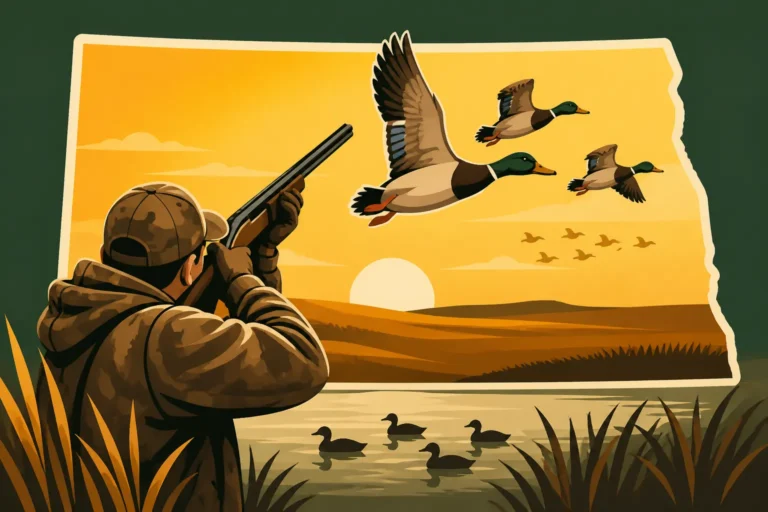
It’s no secret that North Dakota has been a waterfowl hunter's paradise for decades, drawing in passionate hunters from all corners of the country. However, if you're a nonresident planning a hunt for 2026 and beyond, you're likely feeling a mix of excitement and apprehension. The rules are changing, and frankly, it's causing a lot of head-scratching and frustration among those who cherish these prairie pothole hunts. This comprehensive guide is here to break down the new 2026 nonresident waterfowl restrictions, helping you understand exactly what to expect, how to plan, and ultimately, how to still have a successful hunt in the Peace Garden State.
Understanding the Landscape of North Dakota Waterfowl Hunting
North Dakota isn't just a state; it's a phenomenon for waterfowl hunters. The sheer abundance of birds, the vastness of the prairie, and the unique habitat create an experience unlike anywhere else. But with such popularity, especially among nonresidents, comes growing pains and the need for new regulations to manage resources and hunter pressure.
The Allure of North Dakota's Prairie Potholes
For many, the draw of North Dakota's prairie potholes is almost spiritual. Imagine waking before dawn, the crisp autumn air biting at your cheeks, and the distant chorus of geese echoing across endless fields. Then, as the sun begins to paint the sky, thousands of ducks and geese rise from their roosts, blackening the horizon as they head to feed. It’s an immersion in nature that few places on earth can offer.
This region, often called the "Duck Factory" of North America, provides critical breeding and staging grounds for millions of waterfowl. Its complex network of wetlands and agricultural fields creates a buffet for migrating birds, making it a prime destination for hunters. Nonresidents, often traveling long distances, have historically flocked here, contributing significantly to the local economy through gas, lodging, food, and gear purchases. They come for the promise of high-volume shooting and the chance to witness a migration spectacle. This consistent influx of hunters, while a boon for small towns, has also led to increasing concerns about public land access and localized hunter crowding, which are at the heart of the new restrictions.
Historical Context of Nonresident Access
For years, North Dakota had a fairly open-door policy for nonresident waterfowl hunters. While licenses were required, there weren't the complex restrictions on access or timing that some other popular waterfowl states implemented. This freedom allowed hunters to explore vast stretches of public and private land, chasing the birds wherever they might lead. The general feeling was one of shared opportunity, where the bounty of the prairie was available to all who legally bought a license.
However, as nonresident numbers continued to climb and local populations sometimes felt the squeeze on "their" hunting grounds, discussions about managing access began to gain traction. Landowners expressed concerns about pressure, and resident hunters often voiced frustrations about crowded public areas, particularly during peak migration periods. These growing tensions, coupled with the state's responsibility to manage its wildlife resources sustainably for everyone, set the stage for the significant changes we're seeing in 2026. The new regulations are essentially an attempt to balance the economic benefits of nonresident hunters with the desires of the resident hunting community and the long-term health of the resource.
Deciphering the 2026 Nonresident Waterfowl Restrictions
The year 2026 marks a pivotal shift in how nonresident waterfowl hunters will experience North Dakota. These changes aren't just minor tweaks; they represent a fundamental restructuring of access that requires careful understanding and planning. Let's dive into the specifics of what these restrictions entail.
The Nine Resident-Priority Waterfowl Days
Perhaps the most significant change impacting nonresident hunters is the establishment of "resident-priority days." This means that for a specific period at the beginning of the season, only North Dakota residents will be allowed to hunt waterfowl. This isn't just a suggestion or a recommendation; it's a hard rule that nonresidents must absolutely adhere to.
Historically, the opening week or two of waterfowl season in North Dakota was a high-octane affair, drawing hordes of hunters eager to get in on the action as local birds and early migrants were most abundant. Now, those first nine days, from the season opener through the Sunday of the first full week (for example, if the season opened on a Saturday, the resident-only period would run through the following Sunday), will be exclusively for residents. This measure is designed to give North Dakota residents a less crowded, dedicated period to enjoy their state's world-class waterfowl hunting opportunities without the added pressure from out-of-state hunters. For nonresidents, this means you simply cannot be in the field pursuing ducks or geese during this window. Planning your trip will now revolve around this mandatory wait period. You'll need to adjust your travel dates, ensuring your hunting activities commence after these nine resident-priority days have concluded. For more details on these specific dates, you'll want to review the official season proclamation, but generally, expect it to encompass the very beginning of the conventional duck and goose season. Understanding Which Nine Days Are Resident-Only for Waterfowl is crucial for any trip planning.
The Zone-Restricted Waterfowl License
Beyond the resident-priority days, nonresidents will also encounter a new "zone-restricted waterfowl license" requirement. This is another major departure from previous years when a nonresident license allowed statewide waterfowl hunting access. Now, your license will dictate where you can hunt.
Under this new system, North Dakota will be divided into specific waterfowl hunting zones. When you purchase your nonresident waterfowl license, you will be required to select a specific zone or combination of zones where you intend to hunt. This isn't just an administrative detail; it profoundly impacts your ability to follow the birds. Imagine you've scouted a hot field in Zone A, but your license is only valid for Zone B. You simply cannot hunt that field, regardless of how many birds are there. This restriction aims to distribute nonresident hunter pressure more evenly across the state and prevent overwhelming certain popular areas, while also giving the state a better handle on hunter distribution. It means that the days of chasing ducks and geese across the entire state on a single license are gone for nonresidents. Careful consideration of your chosen zone(s) based on your target species, preferred hunting methods, and potential scouted areas will be paramount. Getting a handle on North Dakota's Zone-Restricted Waterfowl License is the first step in adapting your hunting strategy.
Nonresident Waterfowl Zone Map Explained
With the introduction of zone-restricted licenses, the official "North Dakota Nonresident Waterfowl Zone Map" becomes your most important planning tool. This map isn't merely a suggestion; it defines the literal boundaries of your legal hunting grounds.
The North Dakota Game and Fish Department (NDGFD) will publish a detailed map outlining these distinct zones. These zones might follow county lines, major roadways, or natural geographical features, so you'll need to pay close attention to the specific demarcations. Before you even think about buying your license or booking your travel, you absolutely must study this map. Consider what species you're primarily targeting – do specklebell geese favor certain areas that fall into one zone, or are mallards more prevalent in another? Does your preferred hunting style (field hunting, slough hopping, river hunting) align better with the habitat available in a particular zone? This map will be available on the NDGFD website, and many hunters will likely leverage mapping apps like GoHunt to overlay these zones onto satellite imagery, allowing for meticulous scouting and boundary awareness. Failing to understand and adhere to these zone boundaries could result in significant fines and penalties. For instance, if you're hunting near a zone line, you must be absolutely certain which side you are on at all times. This will require diligent use of GPS and mapping tools in the field. Familiarizing yourself with the North Dakota Nonresident Waterfowl Zone Map ahead of time is not just recommended, it's essential.
Practical Implications for Nonresident Hunters
The new restrictions aren't just lines on a map or dates on a calendar; they fundamentally change how nonresident waterfowl hunters must approach their North Dakota adventures. From trip planning to on-the-ground execution, every aspect will require a fresh perspective and careful adjustment.
Planning Your Hunt Around Restrictions
The days of simply picking a week in October and heading to North Dakota for waterfowl are over. Now, meticulous planning is paramount, primarily revolving around the nine resident-priority days. This means nonresidents generally won't be able to hunt the very start of the season, which often coincides with the arrival of early migrating teal, pintails, and some Canada geese. You'll have to consider if hunting later in the season, after this initial window, still aligns with the migration patterns you're targeting.
Many nonresidents prefer to hunt when the first major cold front pushes a fresh wave of birds south, but these timing windows can be unpredictable. Now, you’ll have to build in a buffer. For example, if you typically hunt the second week of October, you’ll need to ensure that the resident-priority days have fully concluded by the time your wheels hit the ground. This might mean shifting your vacation days, coordinating with hunting partners differently, or even planning an entirely different time of year for your trip. Furthermore, your choice of hunting zone for the zone-restricted license will heavily influence your overall strategy. If you typically cover a vast area of the state, you now have to commit to one or two zones. This could mean focusing your scouting efforts more intensely on a smaller geographic area, rather than trying to keep tabs on birds across multiple, now inaccessible, zones. Being aware of What Nonresidents Can Do During the First Nine Days is crucial, and the answer is simple: nothing. You must respect that period.
Impact on Hunting Locations and Strategies
The zone-restricted license will force a significant re-evaluation of your favorite hunting spots and methods. If your go-to slough or field happens to fall into a zone you didn't select, it's off-limits. This necessitates a much more localized approach to scouting and hunting. Rather than relying on historical knowledge of broad areas, you'll need to drill down into the specifics of your chosen zone.
This could mean a renewed focus on public access areas within your permitted zone, such as Waterfowl Production Areas (WPAs) or PLOTS (Private Land Open To Sportsmen) tracts, which might see increased pressure if they fall within popular zones. Hunters might need to adapt by scouting deeper into less accessible public lands, or by working harder to secure private land permission within their designated zones. Strategies might also shift. If you primarily enjoyed long-range bird chasing, you might now focus on more sedentary methods like building robust decoy spreads in a well-scouted field, or jump-shooting smaller, less pressured potholes and creeks. For instance, mastering the art of Hunting a North Dakota Prairie Pothole Slough Edge might become even more valuable as hunters seek out smaller, overlooked waters within their designated zones. The key will be adaptability and a willingness to explore new areas within the confines of your chosen zone.
Considering Guided Versus Self-Guided Hunts
These new restrictions will undoubtedly influence the decision between booking a guided hunt and undertaking a self-guided adventure. For nonresidents who prefer the ease and expertise of a guide, reputable North Dakota waterfowl outfitters are already adapting to these changes. They will be well-versed in the new zone boundaries and resident-priority days, ensuring their clients remain compliant.
However, guided hunts may see adjustments in their booking availability and pricing to account for the restricted early season access and the need to operate within specific zones. It's crucial to communicate clearly with any potential outfitter about how they are managing these changes and what zones their operations cover. For those considering a self-guided hunt, the burden of understanding and adhering to the new regulations falls squarely on your shoulders. This means more intensive pre-trip research, studying the zone maps, and potentially investing more time in on-the-ground scouting once you arrive (after the resident-only period, of course). While self-guided hunts offer unparalleled freedom, that freedom now comes with significant new regulatory navigation. Some hunters might opt for a hybrid approach, hiring a scout for a day or two to get intel within their zone, then hunting independently. When thinking about Booking a North Dakota Waterfowl Guide, ensure they are fully licensed and understand all the 2026 rule changes to avoid any unpleasant surprises in the field.
| Feature / Rule | Pre-2026 Nonresident Waterfowl Hunting | 2026 Nonresident Waterfowl Hunting |
|---|---|---|
| Early Season Access | Full access from season opener | Nine Resident-Priority Days (Nonresidents cannot hunt) |
| License Type | General Nonresident Waterfowl License | Zone-Restricted Waterfowl License |
| Geographic Coverage | Statewide access with one license | Limited to declared zone(s) upon license purchase |
| Planning Complexity | Moderate, focus on migration | High, focus on dates, zones, and scouting |
| Scouting Importance | Important, but flexible | Critical, especially within chosen zone(s) |
| Guide Service Impact | Minimal restriction impact | Guides must adhere to zones/dates; booking adjustments likely |
Navigating Licensing and Application Processes in 2026
The new restrictions aren't just about where and when you hunt; they also affect the administrative side of things. Getting your ducks in a row (pun intended!) for licensing, federal requirements, and application deadlines is more critical than ever.
Securing Your Nonresident Waterfowl License
The first and most crucial step for any nonresident planning a North Dakota waterfowl hunt in 2026 is securing the correct license. This isn't just a matter of checking a box anymore; it requires an informed decision about your hunting zone(s) right at the point of purchase. You'll need to visit the North Dakota Game and Fish Department (NDGFD) online licensing portal or work with a licensed vendor.
When applying, be prepared to designate the specific zone(s) where you intend to hunt. This choice is binding, so make sure you've done your homework with the zone map beforehand. The cost of the nonresident waterfowl license may also see adjustments to reflect these new administrative layers or to offset potential revenue changes from the early season restrictions. It's imperative to purchase your license well in advance of your planned hunt, as there could be increased demand or unexpected technical glitches during peak application periods. Don't wait until the last minute! Ensure you understand all the components of the license, including any base licenses or general game and habitat licenses that might be required in addition to the specific waterfowl permit. Familiarizing yourself with all North Dakota Nonresident License Options will help you budget and plan accordingly.
Federal Duck Stamp and HIP Certification
While North Dakota is implementing its own new state-specific restrictions, it's vital to remember that federal regulations remain firmly in place for all migratory bird hunters, residents and nonresidents alike. The Federal Duck Stamp is a non-negotiable requirement for anyone 16 years of age or older hunting migratory waterfowl in the United States.
You can purchase your Federal Duck Stamp online, at most post offices, or at many sporting goods stores. Be sure to sign the stamp across the face, as this validates it. In addition to the Federal Duck Stamp, all migratory bird hunters must also be Harvest Information Program (HIP) certified. This is a quick and free registration process that gathers data on hunter activity, which is crucial for managing migratory bird populations. When you purchase your state license, you'll typically be prompted to complete HIP certification simultaneously. Failing to have both your signed Federal Duck Stamp and valid HIP certification in the field can result in fines and legal trouble, regardless of whether you're complying with North Dakota's new zone restrictions. Never overlook these foundational federal requirements; they are just as important as your state license. For a complete understanding, look into the specifics of the North Dakota Federal Duck Stamp Requirement.
Understanding New Application Deadlines and Costs
With new license types and resident-priority periods, there's a strong possibility that application deadlines and associated costs for nonresident waterfowl hunting could shift. While the specific dates are usually announced with the annual season proclamations, it's wise to stay vigilant for any early notices from the NDGFD.
Historically, nonresident waterfowl licenses could often be purchased right up to the season opener. However, with the new zone designation requirement, there might be earlier cutoff dates to allow the state to process and manage these new licenses effectively. You should check the NDGFD website regularly for the latest information on application windows and deadlines. Furthermore, anticipate potential changes in the overall financial commitment. Beyond the base nonresident waterfowl license, you might encounter new fees associated with the zone-restricted system, or even different costs depending on which zone(s) you select. It's also worth noting that some licenses, like a potential separate North Dakota Migratory Bird Stamp Cost, might be bundled or adjusted. Budgeting for your hunt now needs to include these potential new expenses and ensure you meet all payment deadlines. Procrastination is not your friend when it comes to these new regulations.
Maximizing Your Success Under the New Rules
Navigating the 2026 nonresident waterfowl restrictions might feel like playing a new game with different rules, but it doesn't mean success is out of reach. It simply means hunters need to be more strategic, adaptable, and diligent in their approach.
The Art of Scouting in a Restricted Environment
If scouting was important before, it's absolutely non-negotiable now. In a zone-restricted environment, your ability to locate birds and identify legal hunting spots within your chosen zone will directly correlate with your success. The initial resident-priority days mean you won't be able to "boots on the ground" scout during the first nine days of the season, which could be frustrating as birds establish early patterns.
This emphasizes the need for extensive pre-season and remote scouting. Utilize aerial imagery tools like those offered by GoHunt, onX Hunt, or Google Earth to identify potential roosts, feeding fields, and water sources within your designated zone. Look for changes in agricultural practices, new water bodies, or cover changes that might attract birds. Pay attention to historical migration patterns for your specific zone. Once the nonresident season opens for you, dedicate significant time to driving and glassing, observing bird movements, and identifying concentrations. Knock on doors and ask for permission on private land within your zone – a skill that might be more important than ever. Effective scouting now means being a detective within a specific geographic boundary. Learning how to effectively Scouting PLOTS Land Before Season using digital tools will give you a significant advantage.
Adapting Your Decoy Spreads and Calling Tactics
Waterfowl are intelligent and adaptable, and so must hunters be. The new restrictions, particularly the zone limitation, could lead to more concentrated hunter pressure in certain areas, making birds warier. This means your decoy spreads and calling tactics might need a refresh.
Instead of running massive spreads in highly pressured fields, consider more compact, naturalistic spreads that mimic small groups of feeding birds, especially if you're hunting smaller public areas or private land where you have less competition. Mix up your decoy types – add more active feeders, sentinels, and sleepers to give a more realistic look. Motion decoys, like spinning wing decoys, can still be effective, but overuse or improper placement in pressured areas might flare birds. For calling, focus on realism and restraint. Aggressive calling might work on unpressured birds, but wary ducks and geese often respond better to softer, more nuanced calls that sound like contented birds on the ground. Be prepared to switch up your strategy based on the birds' reaction. If they're flaring, scale back your calling or adjust your spread's visibility. Understanding the nuances of Decoy Spreads for Prairie Pothole Mallards will become invaluable, especially when trying to differentiate your setup from others.
Legal Considerations and Compliance
Perhaps the most critical aspect of maximizing your success under the new rules is absolute legal compliance. Ignorance of the law is no excuse, and with these new, specific restrictions, authorities will likely be watching closely. There are significant penalties for violations.
Firstly, always carry proof of your license, federal duck stamp, and HIP certification. Secondly, know your zone boundaries like the back of your hand. Use a GPS device or a mapping app on your phone with the zone overlay to ensure you are always within your legal hunting area. Accidentally crossing into an unauthorized zone, even by a few yards, could lead to hefty fines and revocation of hunting privileges. Thirdly, respect the nine resident-priority days. Do not even carry a shotgun or decoys into the field if you are a nonresident during this period. Beyond these specific new rules, all general hunting regulations still apply, including bag limits, shooting hours, and ethical hunting practices. When in doubt, always refer to the official North Dakota Game and Fish Department regulations or contact them directly. The consequences for non-compliance are severe, and understanding North Dakota Wildlife Violation Penalties should serve as a strong deterrent to cutting corners. Your reputation as a responsible hunter, and your ability to hunt in North Dakota in the future, depends on it.
The Broader Impact and Future Outlook
While the immediate focus for nonresidents is naturally on personal hunt planning, it's also worth considering the larger ramifications of these new restrictions. They reflect a complex interplay of conservation needs, economic realities, and evolving hunter demographics.
Conservation Efforts and Hunter Funding
The funds generated from hunting licenses, including those purchased by nonresidents, are a cornerstone of wildlife conservation efforts in North Dakota and across the country. These revenues are often matched by federal funds through programs like the Pittman-Robertson Act, which then directly finance habitat restoration, wildlife management, and research.
While the new restrictions might lead to a temporary dip in nonresident license sales (or a shift in when they purchase), the long-term goal is often to ensure the sustainability of the resource. By managing hunter pressure and distributing it more effectively through zones, the hope is to reduce localized impacts on habitat and bird populations, ensuring healthier ecosystems for years to come. Hunters, whether resident or nonresident, are fundamentally conservationists. Our passion for the pursuit fuels the very programs that protect the wildlife we cherish. It's a critical symbiotic relationship. The continued health of the prairie pothole region, and the millions of birds it supports, relies heavily on this funding and responsible management.
Long-Term Outlook for North Dakota Waterfowl Hunting
Predicting the future is always tricky, but these 2026 restrictions will undoubtedly shape the long-term outlook for North Dakota waterfowl hunting. We might see a shift in the overall demographics of nonresident hunters, with those willing to put in the extra planning and scouting continuing to make the trip, while others might seek alternative destinations.
The state will be closely monitoring the effectiveness of the zone system and resident-priority days. Will hunter pressure truly be better distributed? Will resident satisfaction increase? Will bird populations respond positively to these management changes? The answers to these questions will likely dictate future adjustments to the regulations. It's possible that if successful, these models could be refined or even expanded. Conversely, if unforeseen issues arise, the NDGFD might pivot to different strategies. What is clear is that North Dakota is committed to actively managing its world-class waterfowl resource, and hunters should anticipate an evolving regulatory landscape rather than a static one. The long-term health of the resource is paramount, and adapting to changes is part of being a responsible hunter in the modern era.
Community and Economic Impact
North Dakota's rural communities have long benefited from the influx of nonresident hunters, particularly during the fall waterfowl and pheasant seasons. From small-town diners and gas stations to motels and local grocery stores, nonresident dollars provide a significant boost to the local economy.
The new restrictions, especially the nine resident-priority days, might initially impact some businesses that rely heavily on that early-season nonresident traffic. Outfitters and lodges will need to adjust their booking schedules and marketing to reflect the new realities. However, by spreading out hunter pressure and potentially encouraging longer stays during the legal nonresident window, there could also be a stabilization or even a positive shift in economic impact in other areas or later in the season. Some communities might see a stronger "resident-focused" opening, followed by a more sustained, perhaps less frantic, nonresident period. It will be a dynamic situation, and local businesses, much like hunters, will need to adapt. The aim, from the state's perspective, is to strike a balance where both residents and nonresidents can enjoy the hunting opportunities, while ensuring the continued economic viability of the communities that support this cherished tradition.
Disclaimer
The information provided in this guide is intended for general informational purposes only and is subject to change. Hunting regulations, license requirements, and season dates are dynamic and can be updated by the North Dakota Game and Fish Department at any time. It is the sole responsibility of every hunter to consult the official North Dakota Game and Fish Department's current regulations and proclamations before engaging in any hunting activities. Always prioritize safety, ethical hunting practices, and strict adherence to all local, state, and federal laws.