North Dakota Deer Bow License Options
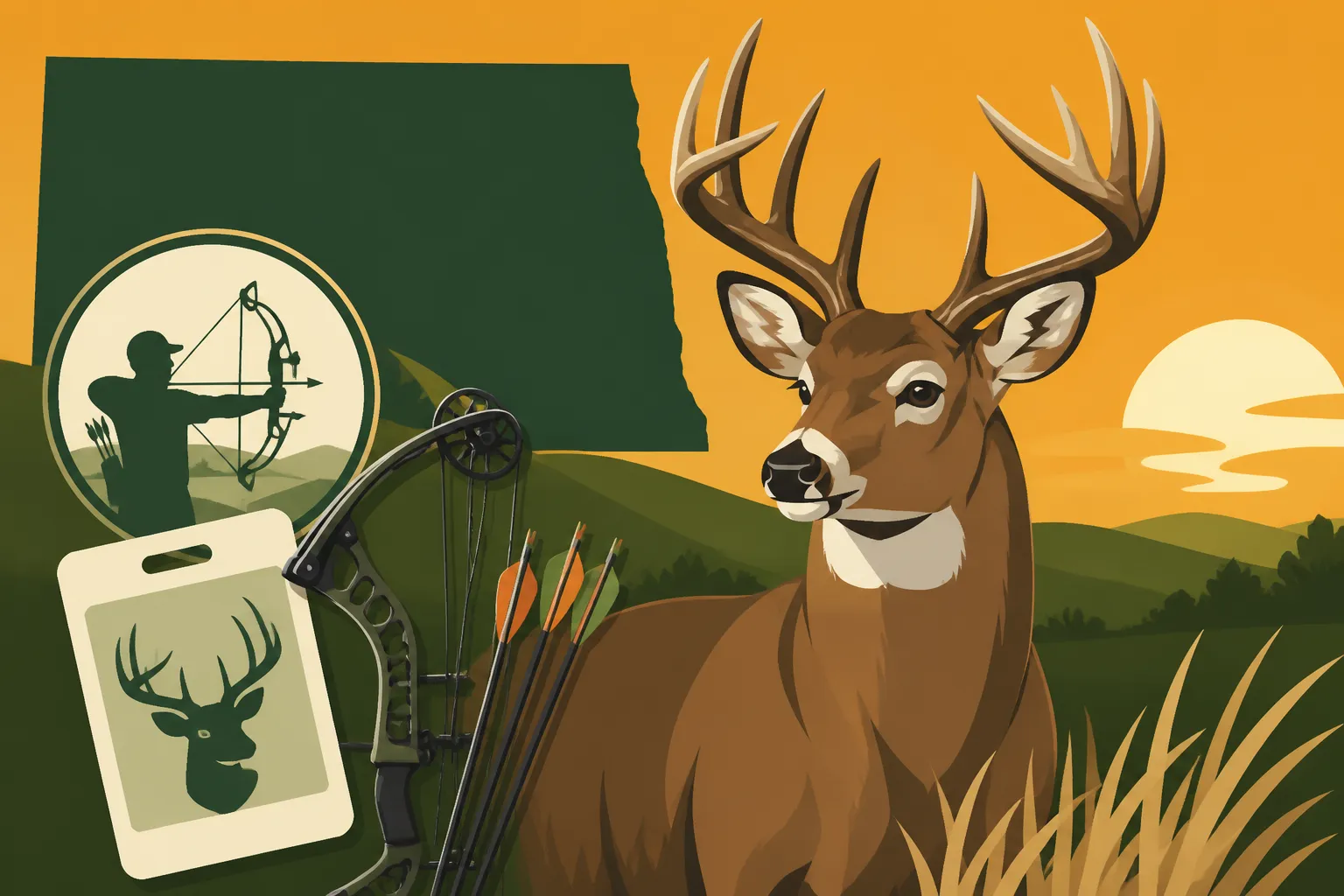
Figuring out the ins and outs of North Dakota's deer bow licenses can feel like trying to untangle a knot in the dark, especially when you're just looking to enjoy the quiet solitude of the archery season. With different rules for residents and nonresidents, public land access quirks, and various tag types, it's easy to get overwhelmed and worried about missing a crucial detail. This guide is here to cut through the confusion, offering a clear, empathetic breakdown of your North Dakota deer bow license options so you can focus on scouting, practice, and the thrill of the hunt.
Understanding the Basics of North Dakota Archery Deer Licenses
Before you even start thinking about what type of deer you'll be pursuing, it's critical to grasp the foundational elements of North Dakota's archery deer licensing system. This isn't just about buying a tag; it's about understanding the framework that supports all hunting opportunities in the state, ensuring you're compliant from the get-go. Many hunters underestimate this initial step, only to find themselves scrambling for information at the last minute.
The General Game and Habitat License Foundation
Every hunter in North Dakota, whether they're pursuing deer, pheasants, or waterfowl, must first obtain a General Game and Habitat License. Think of this as your universal entry ticket into the state's hunting landscape. It's a mandatory prerequisite for nearly all other hunting licenses and permits you might purchase. Without it, none of your other tags are valid, period. For residents, this license is a fundamental part of accessing most hunting opportunities. For nonresidents, it's equally crucial, laying the groundwork before you even consider a specific deer bow tag. This license contributes directly to the conservation and management efforts that keep North Dakota's wildlife populations healthy and abundant, so while it's an extra cost, it's also an investment in the future of hunting here.
"Any-Deer" Versus Antlerless Licenses
Once you have that General Game and Habitat License squared away, your next big decision for bowhunting will often revolve around whether you want an "Any-Deer" license or an antlerless-only license. This distinction is absolutely critical to understand before you head afield. An "Any-Deer" archery license allows you to harvest either a buck (any antlered deer) or a doe (an antlerless deer). This offers maximum flexibility, giving you the choice when that perfect shot opportunity arises. On the other hand, an antlerless-only archery license restricts you to harvesting only a doe. These tags are often available as additional or "bonus" tags, particularly in units where deer populations are robust or where specific management goals aim to reduce doe numbers. It’s always important to check the specific unit you plan to hunt, as availability and regulations for each type can vary. Knowing which tag you hold determines your shot selection, so make sure you're clear on this before you draw back your bowstring.
Early Archery Season Nuances
The North Dakota archery season typically kicks off in late August or early September and runs all the way through the end of December. This long season offers incredible opportunities, from chasing deer in early velvet to late-season hunts in the snow. However, those early weeks, especially in September, come with their own set of nuances that bowhunters need to be aware of. The weather can be hot and dry, making scent control and hydration paramount. Furthermore, it's during this initial period that nonresidents face specific restrictions on public land access, which we'll delve into shortly. For residents, the early season can be a fantastic time to pattern deer before heavy hunting pressure sets in, often finding them in summer feeding patterns. Understanding these early season conditions and rules can make or break your initial hunting efforts. For more on the season's start, check out when North Dakota's Archery Season Opens.
Resident Archery Deer License Specifics
For those of us lucky enough to call North Dakota home, the path to obtaining an archery deer license is relatively straightforward, but still requires attention to detail. Our resident status provides certain advantages, particularly when it comes to cost and immediate access to public lands. However, just like any state, there are specific categories and considerations to keep in mind.
Your Standard Resident Archery License
As a resident, once you've secured your General Game and Habitat License, purchasing your archery deer license is typically the next step. This is your primary deer tag for the bow season. For many years, North Dakota residents have enjoyed the ability to buy an "any-deer" bow license over-the-counter or online, allowing a broad window of opportunity to hunt any legal deer. This generous approach gives residents the flexibility to hunt across various units, though some specific units might have antler point restrictions or other special rules depending on herd management goals. It’s always wise to check the current year’s proclamation for any changes to unit-specific regulations. The ease of access to this license means you can plan your hunt around work, family, and the weather, making bowhunting a truly accessible pursuit for North Dakotans.
Youth and Apprentice Hunter Options
North Dakota is committed to fostering the next generation of hunters, and that commitment is reflected in its youth and apprentice hunter programs. Younger residents (typically ages 12-15) have specific opportunities designed to introduce them to hunting in a safe and structured manner. Often, these youth hunters can participate in an earlier youth deer season, sometimes even with firearm options, depending on the year's regulations. For archery, a youth might obtain their license under slightly different conditions or age requirements, always needing to be accompanied by a licensed adult mentor. The apprentice hunter program is another fantastic pathway, allowing individuals of any age who haven't completed hunter education to hunt under the direct supervision of an experienced, licensed hunter for a set period. This provides invaluable hands-on learning, making it less intimidating for newcomers to get started. Understanding North Dakota Mentored Youth Hunting Rules is key to ensuring a smooth experience for young and new hunters.
Landowner and Gratis License Impacts
North Dakota has specific provisions for landowners, recognizing their integral role in providing habitat for wildlife. Landowners who own or lease 160 acres or more of farmland or ranchland might be eligible for a "Gratis" license. These are often antlerless licenses, but they provide landowners a direct opportunity to manage deer on their own property, which is a huge benefit to wildlife management across the state. While not strictly an archery-specific category, a landowner can certainly use their Gratis tag during the archery season if it allows for that method of take. This system ensures that those who steward the land have a direct stake in its wildlife. It's a great example of how the state works with private citizens to ensure healthy deer populations. For more details on this, you can look into North Dakota Landowner Deer Permit Rules.
Non-Resident Archery Deer License Challenges and Requirements
Non-residents looking to experience North Dakota's bowhunting opportunities will find the landscape a bit more complex, primarily due to public land access restrictions designed to prioritize resident hunters. While the desire to hunt new country is strong, understanding these rules is paramount to avoiding disappointment or, worse, legal issues.
The September 1st Public Land Access Restriction
This is arguably the most significant hurdle for nonresident bowhunters in North Dakota, and it's where many get tripped up. While the archery deer season typically opens in late August or early September for everyone, nonresidents are prohibited from hunting deer on public land for the first nine and a half days of the season. This means that if the season opens on a Friday, nonresidents cannot hunt public land until the following Monday or Tuesday, depending on the exact dates set by the Game and Fish Department. The intent here is to give North Dakota residents a head start on public hunting areas. This restriction applies specifically to deer hunting. However, nonresidents can hunt private land with permission during this initial period. It's a crucial distinction, and failing to adhere to it can lead to serious penalties. So, for those planning a trip, be sure to confirm the exact dates for How Many Days Nonresidents Wait for Public Land Bow Access for the year you intend to hunt. Planning around this early season access restriction is vital.
General Nonresident Archery License Purchase
Beyond the public land restriction, purchasing a nonresident archery deer license follows a similar pattern to residents, but with different pricing and specific requirements. You'll still need that General Game and Habitat License first, which will be significantly more expensive for nonresidents. Then, you can purchase an "Any-Deer" archery license. Unlike the lottery system for nonresident gun deer tags, nonresident archery deer licenses are generally available over-the-counter or online, making it easier to plan a trip without waiting on draw results. However, always verify availability, as regulations can change. Tools like GoHunt can be incredibly helpful for nonresidents trying to navigate these regulations, providing up-to-date information on license costs and availability. You'll also want to familiarize yourself with the overall North Dakota Nonresident License Options to ensure you're covered for any other species you might want to pursue.
Navigating Private Land Permission for Nonresidents
Given the early season public land restriction for nonresidents, securing private land permission becomes even more critical for those who want to hunt the entire archery season. North Dakota is a state with vast expanses of private agricultural and ranch land, and gaining access here is often the key to a successful nonresident hunt. This isn't just a simple knock on a door, though that certainly can work. Building relationships with landowners, offering to help with chores, or leasing access are all potential avenues. For nonresidents, hunting a North Dakota Deer Camp Traditions on private land can be a truly immersive experience, offering access to areas with less pressure. It's important to understand North Dakota Trespass and Permission Law and always carry written permission if possible. Remember, courtesy and respect go a long way in securing and maintaining private land access. This due diligence on private land can make your nonresident archery hunt incredibly rewarding, especially during those initial restricted public land days.
Special Considerations and Additional Opportunities
Beyond the core license types, North Dakota offers several specialized options and regulations that can enhance your archery hunting experience or require specific attention. Being aware of these can open up new opportunities or ensure you're hunting legally within specific zones.
Archery Antlerless Deer "Bonus" Licenses
North Dakota's wildlife management often utilizes antlerless deer licenses to help control populations in specific units or regions where deer numbers are robust or exceeding biological objectives. For both residents and nonresidents who hold a regular "Any-Deer" archery license, there's often the opportunity to purchase an additional antlerless deer license, sometimes referred to as a "bonus" tag. These tags are usually less expensive and allow a hunter to harvest an additional doe. This is a fantastic option for those looking to fill their freezer or extend their time in the field. However, these bonus tags are typically unit-specific, meaning you can only use them in the designated hunting unit. Availability can fluctuate year to year based on deer population surveys and management needs, so always check the current proclamation. It's a great way to add more meat to the table while contributing to responsible herd management.
Hunting within CWD Units
Chronic Wasting Disease (CWD) is a serious concern for wildlife managers across North America, including in North Dakota. The state has established specific CWD Hunting Units where the disease has been detected or is a concern. For hunters in these units, there are often mandatory testing requirements for harvested deer. This means that if you successfully harvest a deer in a designated CWD unit, you are typically required to submit samples (usually the head) to a sampling station for testing within a certain timeframe. This is not optional; it's a critical part of monitoring and managing the spread of the disease. While it adds an extra step to your post-harvest process, it's vital for the long-term health of the deer herd. Always consult the North Dakota Game and Fish Department's current CWD regulations and locate a North Dakota CWD Sampling Station before you head into one of North Dakota's Fourteen CWD Hunting Units. Your participation helps protect the future of deer hunting in the state.
Primitive Archery and Crossbow Regulations
While most bowhunters will use modern compound bows, North Dakota's regulations also accommodate traditional archers and crossbow users. For those who prefer a more primitive style of hunting, traditional longbows and recurves are, of course, legal during the archery season. There typically aren't any special restrictions on these beyond the general rules for arrow type and broadhead sharpness. Crossbows, on the other hand, are also legal for all hunters during the regular archery season in North Dakota. This isn't the case in all states, where crossbows might be restricted to specific seasons or disabled hunters only. In North Dakota, if you've got a valid archery license, you can hunt with a crossbow. This broad acceptance makes archery hunting more accessible to a wider range of hunters, including those with physical limitations or those who simply prefer the stability and ease of use offered by a crossbow. Just ensure your equipment meets the minimum requirements for draw weight and bolt length if specified.
Applying and Staying Compliant with Regulations
Navigating the application process and ensuring you remain compliant throughout your hunt are just as important as knowing where to hunt or what gear to use. A single missed deadline or overlooked rule can turn a dream hunt into a frustrating experience. Being proactive and organized is your best defense.
Purchasing Your License Online or In-Person
Gone are the days when you absolutely had to drive to a small-town bait shop or a regional Game and Fish office to get your hunting license. Today, the easiest and most convenient way to purchase your North Dakota deer bow license, along with your General Game and Habitat License, is through the state's online portal. This platform is typically available 24/7, allowing you to buy your licenses from the comfort of your home, print them out, or save them digitally to your phone. Many hunters find carrying Proof of License on Your Phone is incredibly convenient. Of course, if you prefer the traditional route or have questions, you can still visit licensed vendors across the state, such as sporting goods stores, bait shops, and some convenience stores. However you choose to purchase, always double-check that all your information is correct and that you've selected the right license type for your hunting plans. This simple step sets the foundation for a legal and enjoyable hunt.
Understanding Deer Reporting Requirements
Harvesting a deer is an exciting moment, but the hunt isn't truly over until you've fulfilled your reporting requirements. North Dakota mandates that all successful deer hunters report their harvest to the Game and Fish Department within a specific timeframe – typically 18 to 24 hours of taking the animal. This isn't just a bureaucratic formality; it's absolutely crucial data for wildlife management. The information you provide on your harvest, such as the unit you hunted in, the date, and the sex of the deer, helps the department make informed decisions about future license allocations and population management strategies. You can usually report your deer online through the NDG&F website or via their mobile app, which makes it incredibly convenient, even from remote areas if you have cell service. Missing the North Dakota Deer Reporting Deadline can result in penalties, so make it a priority immediately after field dressing your deer.
Key Dates and Deadlines to Remember
While archery licenses are generally over-the-counter, there are still critical dates and deadlines you need to engrave into your memory to ensure a successful North Dakota bowhunting season. The most obvious is the official season opening date, which, as mentioned, often has special implications for nonresidents regarding public land access. Beyond that, keep an eye on the season closing date, which marks the last day you can legally pursue deer with your bow. If you're considering applying for any lottery-based tags in future seasons, such as a gun tag, remember The June 3 Deer Lottery Application Deadline typically falls in early June. For nonresidents, if you're planning a trip, booking accommodations and securing private land permission well in advance is crucial, especially for the prime rut periods. Setting reminders on your phone or marking a physical calendar with these key dates can save you a lot of headache and ensure you don't miss out on any opportunities.
| Feature | North Dakota Resident Archery Deer License | North Dakota Nonresident Archery Deer License |
|---|---|---|
| General Game & Habitat License | Required, significantly lower cost | Required, significantly higher cost |
| Primary Deer Tag | Any-Deer license available over-the-counter/online | Any-Deer license available over-the-counter/online (different price) |
| Public Land Access (Early Season) | Full access from season opener | Restricted for the first 9.5 days of the season (deer hunting only) |
| Private Land Access | Always permitted with permission | Permitted from season opener with permission (crucial during public land restriction) |
| Bonus Antlerless Tags | Often available as additional purchase | Often available as additional purchase |
| CWD Unit Regulations | Mandatory testing requirements in designated units | Mandatory testing requirements in designated units |
| Youth/Apprentice Options | Specific programs and seasons available | Apprentice license may apply, but primary deer tag still nonresident cost/rules |
| Application Process | Mostly over-the-counter/online for deer bow | Mostly over-the-counter/online for deer bow (no lottery for bow) |
| Reporting Harvest | Mandatory within 18-24 hours | Mandatory within 18-24 hours |
Disclaimer
Please remember that hunting regulations, license fees, and season dates can change. Always consult the current North Dakota Game and Fish Department's official proclamation and website before planning and executing your hunt. The information provided here is for general guidance only.