North Dakota Moose Lottery Application Process
The dream of drawing a North Dakota moose tag is one that many resident hunters hold dear, a truly once-in-a-lifetime opportunity that promises an unparalleled big game experience. However, the path to obtaining one of these coveted tags is often shrouded in mystery and complex lottery rules, leaving many feeling overwhelmed or unsure how to even begin. This comprehensive guide is designed to demystify the North Dakota moose lottery application process, breaking down everything you need to know from eligibility to application strategies, helping you navigate the system with confidence.
Understanding North Dakota's Moose Opportunity
Before diving into the mechanics of the application, it's crucial to appreciate what a North Dakota moose tag truly represents. This isn't just another hunting license; it's an invitation to pursue one of the state's most magnificent and elusive big game animals, an experience often reserved for a lucky few.
The Rarity and Value of a North Dakota Moose Tag
Let's be brutally honest: moose tags in North Dakota are incredibly rare. Unlike deer or even elk tags, which are more readily available through various seasons and units, a moose tag is a true unicorn. The North Dakota Game and Fish Department (NDG&F) issues an extremely limited number of tags each year, often just a few hundred across the entire state. This scarcity is precisely what makes them so valuable. For most hunters, this will be a What a Once-in-a-Lifetime Moose Tag Means, meaning that if you're fortunate enough to draw one, you won't be eligible to draw another in your lifetime. This "one and done" rule elevates the anticipation and significance of every single application, and of every single hunt if you're one of the lucky few. It’s not just about harvesting an animal; it’s about experiencing a unique piece of North Dakota’s wild heritage, often in areas few hunters ever get to seriously pursue big game.
The value isn't just in the rarity; it's in the experience itself. Moose are magnificent creatures, huge and powerful, and encountering one in its natural habitat is an unforgettable event. These hunts often take place in rugged, dense cover, demanding persistence, careful planning, and often a good measure of luck. The sheer size of a bull moose, with its impressive antlers, makes it a highly sought-after trophy, but even a cow moose tag represents a significant amount of high-quality wild game meat for the freezer. It’s a pursuit that often defines a hunter’s career, a story told for generations around campfires.
North Dakota Moose Range and Habitat
So, where do these majestic animals roam in North Dakota? While moose aren't found statewide, their populations are concentrated in specific, often remote, regions of the state. The primary moose range includes the Pembina Hills in the northeast, the Turtle Mountains along the Canadian border, and the river bottom willows of the Red River and Souris River valleys. These areas provide the dense cover, abundant browse, and wetland habitats that moose thrive in. When you look at the unit maps for moose, you'll see them primarily in these northern and eastern pockets.
For example, units in the Pembina Hills area, like Unit M4, are classic moose country, characterized by aspen forests, bogs, and dense shrubbery. The Turtle Mountains (M6) offer a similar landscape, a unique forested island amidst the prairie. Hunters often spend their days navigating thick stands of willow and alder, looking for fresh sign, rubs, and tracks along muddy trails. Understanding these specific habitats is key, not just for hunting but also for selecting the units you apply for in the lottery. When considering your application, researching Where North Dakota Moose Concentrate and the specific characteristics of those units will give you a significant edge in making an informed decision. The overall population of How Many Moose Live in North Dakota is carefully managed, leading to the highly restricted tag numbers to ensure sustainable hunting opportunities for residents.
Eligibility and Application Basics
The North Dakota moose lottery, like any big game drawing, has strict rules and requirements. Knowing these inside and out is the first step toward a successful application.
Resident-Only Restrictions
Let’s be crystal clear right from the start: moose tags in North Dakota are exclusively for residents. Non-residents, unfortunately, are not eligible to apply for, or obtain, a North Dakota moose license through the lottery. This policy is firmly in place due to wildlife management objectives, ensuring that these incredibly limited and highly valued opportunities are reserved for the state's own citizens who contribute directly to the management and conservation of North Dakota's wildlife resources through their license purchases and taxes. This is a common practice across many states for species with very low tag allocations, as it helps manage harvest pressure and maintain quality hunting experiences for the resident population. It's the same rationale behind Why Elk, Moose and Pronghorn Stay Resident-Only in North Dakota.
For a resident, eligibility typically means having resided in North Dakota for at least six months immediately prior to applying for a license. There are specific criteria outlined by the NDG&F regarding what constitutes residency, which usually includes things like voter registration, driver's license, and place of permanent abode. It's crucial to meet these requirements fully, as any misrepresentation can lead to severe penalties, including fines and loss of hunting privileges. Always double-check the latest definitions on the NDG&F website to ensure you qualify as a resident before investing your time and application fees.
The Online Application Portal
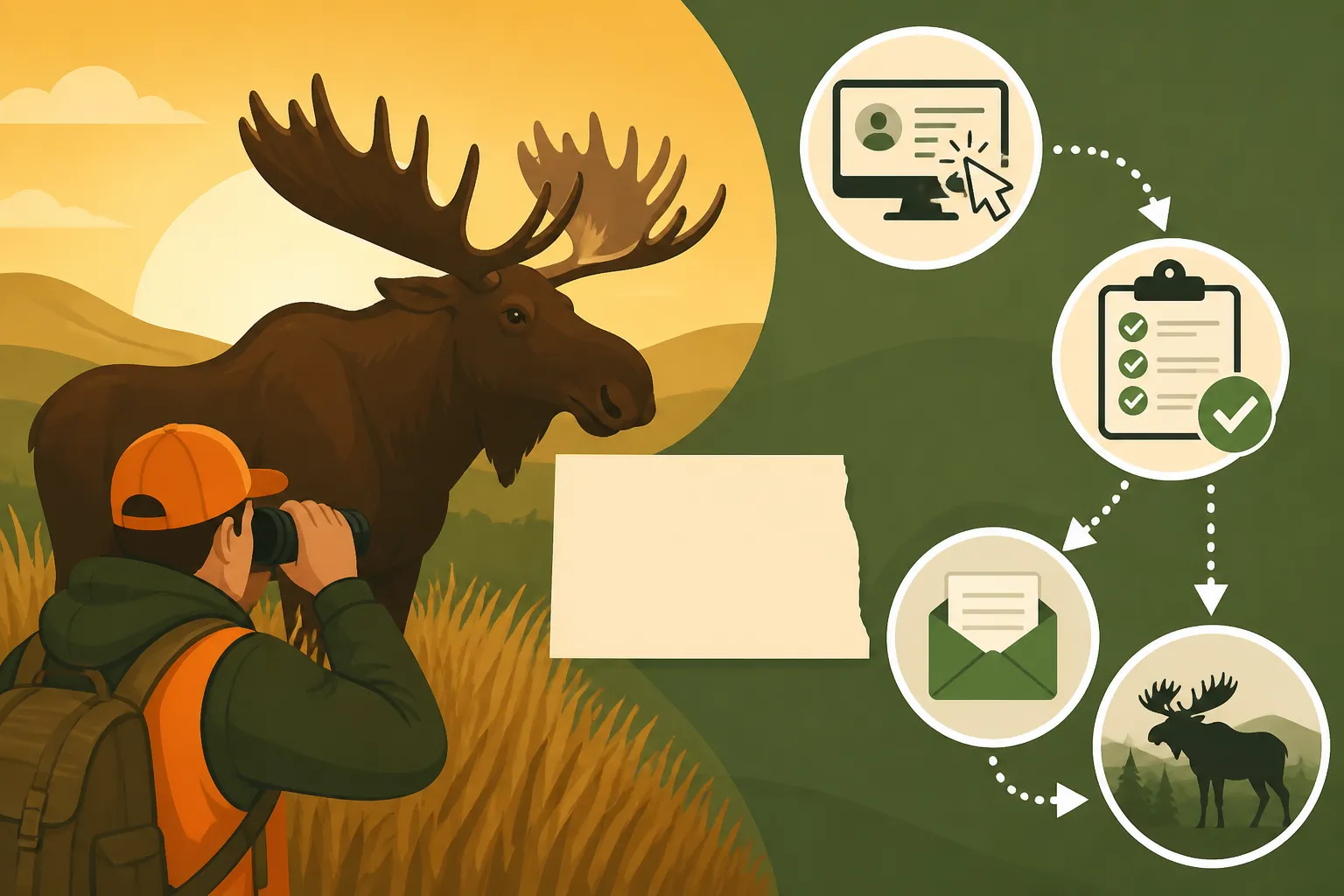
The primary way to apply for a North Dakota moose tag is through the North Dakota Game and Fish Department's online licensing system. Gone are the days of paper applications for most big game lotteries, and the digital portal makes the process generally straightforward, provided you know where to look and what information you need. You'll typically access this through the "Licensing" or "Hunting" section of the official NDG&F website. You'll need an existing customer account, or you'll be prompted to create one if you're a first-time applicant. This account will be linked to your Social Security Number and will track your application history, license purchases, and, most importantly, your preference points.
When you log in, you'll find a section specifically for "Big Game Lottery Applications." From there, you'll select the moose lottery. The system will guide you through a series of prompts where you'll input your personal details, select your preferred unit choices (typically first and second choices, though moose sometimes only allows a single choice given its rarity), and confirm your eligibility. It’s vital to ensure all your personal information – name, address, date of birth – is accurate and up-to-date in your customer profile. Mistakes here can cause significant headaches down the line if you're drawn. Take your time, read each step carefully, and don't rush through the process, especially if it's your first time applying for a big game lottery in North Dakota.
Application Deadlines and Fees
Missing a deadline is perhaps the most heartbreaking mistake a hunter can make in any lottery, instantly dashing your hopes for that year. For the North Dakota moose lottery, the application period typically opens in the spring, often around May, with a firm deadline usually in early June. For example, the North Dakota Moose Application Deadline is typically set for the first Wednesday in June. It’s absolutely critical to mark this date on your calendar, set reminders, and apply well in advance. Don't wait until the last minute, as unforeseen technical glitches or busy servers can prevent you from submitting your application on time.
When it comes to fees, there are generally two parts: an application fee and the full license fee. The application fee is usually a relatively small, non-refundable charge that you pay at the time of application, regardless of whether you draw a tag. This fee covers the administrative costs of running the lottery. If you are successful in the drawing, the full license fee will then be charged to your payment method on file, or you will be required to purchase the license by a specific date. The full license cost for a resident moose tag is substantial, reflecting its rarity and value, so be prepared for that expense if you are drawn. Always review the current fee schedule on the NDG&F website when the application period opens, as these can be subject to change.
Navigating the Lottery System
The North Dakota moose lottery isn't purely a game of chance; it incorporates a preference point system that rewards consistency and patience. Understanding how this system works is paramount to developing a long-term strategy.
Understanding the Preference Point System
North Dakota uses a preference point system for its moose lottery, designed to give applicants who have been unsuccessful in previous years a better chance in subsequent drawings. Here’s how it works: every year you apply for a moose tag and are unsuccessful, you receive one preference point. These points accumulate over time. When the lottery is conducted, tags are allocated first to applicants with the highest number of preference points. For instance, if there are 10 tags available and 50 applicants, and the first 10 applicants with the highest points are drawn, everyone else gets a point for that year. The more points you have, the higher your priority in the drawing. North Dakota Preference Point System Explained provides a great overview of this concept.
This system means that simply applying once won't likely get you a tag; it’s a marathon, not a sprint. Many successful moose hunters have accumulated a decade or more of preference points before finally drawing their tag. The key is consistency: you must apply every single year, even if you know your odds are slim, to keep accumulating points. If you skip a year, you lose all your accumulated points and have to start over from zero, a devastating blow to a long-term strategy. Tools like those offered by GoHunt can be incredibly helpful for tracking your preference points, researching the points needed for successful draws in specific units historically, and understanding how your accumulated points might stack up against other applicants. This kind of data-driven insight can inform your application strategy significantly.
Drawing Odds and Unit Selection
The drawing odds for North Dakota moose are, to put it mildly, extremely low. With only a few hundred tags available and thousands of resident applicants building points, the chances of drawing in any given year are typically well under 1%. However, these odds vary significantly by unit. Some units, particularly those known for larger bulls or more accessible terrain, are highly sought after and may require a very high number of preference points to draw. Other, often more remote or challenging, units might have slightly better odds for hunters with fewer points, but still present a long shot.
When selecting your unit choices on the application, you need to consider your own preference point total, historical drawing data, and your hunting aspirations. Are you willing to wait 15-20 years for a coveted unit known for trophy-class bulls, or would you prefer a unit with slightly better odds, even if it means a more physically demanding hunt or potentially a smaller animal? This is where research becomes critical. Analyze past draw results available through the NDG&F website or use specialized platforms like GoHunt that compile and visualize this data. These tools can help you understand the historical number of points required to draw in each unit, giving you a realistic expectation of your chances. A strategic approach might involve applying for the toughest unit with the lowest odds as your first choice to maximize your points each year, but if given the option, having a second choice that might be more attainable, even if still a long shot, could be part of a complete strategy.
| Factor | Details |
|---|---|
| Eligibility | North Dakota Resident Only |
| Application Window | Typically May 1st to Early June (First Wednesday in June) |
| Application Fee | Non-refundable; small administrative charge (e.g., $5-10) |
| License Fee | Substantial, charged upon successful draw (e.g., $300-$500, confirm current rates) |
| Preference Points | One point earned for each unsuccessful application; points accumulate but are lost if you skip a year. |
| Drawing Chances | Extremely low (typically <1% per year), heavily influenced by preference points and unit choice. |
| Lifetime Limit | Once drawn, you cannot apply or draw again for a North Dakota moose tag. |
Impact of "Once-in-a-Lifetime" Status
The "once-in-a-lifetime" designation for North Dakota moose tags profoundly impacts a hunter's decision-making process. This isn't just a fun hunt; it's the hunt. Once you draw, that's it—you're done for moose in North Dakota forever. This fact weighs heavily on many applicants, particularly as they accumulate a significant number of preference points and their chances of drawing increase. For some, it creates a desire to hold out for the "perfect" unit, the one with the highest potential for a record-book animal, even if it means waiting even longer. For others, the priority is simply to draw any tag and experience the unique challenge of a North Dakota moose hunt, regardless of the unit's trophy potential.
Understanding What a Once-in-a-Lifetime Tag Means is crucial as you embark on this journey. It means every aspect of your hunt, from unit selection to your physical and mental preparation, takes on heightened importance. There are no "do-overs." This puts immense pressure on hunters to make the most of their single opportunity. Some hunters even postpone applying for their once-in-a-lifetime tag until they feel they are physically ready for the demanding hunt or have the time and resources to dedicate to scouting and hunting. It's a personal decision that shapes years of application strategy and, ultimately, a significant chapter in a hunter's life.
What Happens After You Apply
Once you've submitted your application and the deadline passes, the waiting game begins. The period between application and results can feel interminable, but knowing what to expect next will help manage the anticipation.
Notification and License Purchase
The North Dakota Game and Fish Department typically conducts the moose lottery drawing in June, usually a few weeks after the application deadline. Notifications for both successful and unsuccessful applicants are usually sent out via email, and the results are often posted on the NDG&F website's lottery results page. If you applied through your online account, you'll likely be able to check your status there directly. This moment of checking your email or logging into your account can be incredibly nerve-wracking, a true make-or-break moment after years of accumulating points.
If you are one of the incredibly fortunate few to draw a moose tag, congratulations! The excitement is palpable. However, the process isn't entirely over. You'll typically have a specific window of time to finalize your license purchase. This usually involves logging back into your online NDG&F account and paying the remaining balance of the full license fee. It's crucial not to miss this payment deadline. If you fail to purchase your license by the specified date, your tag will be forfeited, and you will likely lose your accumulated preference points as well, which is an agonizing scenario for any hunter who has waited years. Ensure your payment information is current and readily available, or that you have sufficient funds if the NDG&F automatically charges your card on file.
Preparing for a North Dakota Moose Hunt
Drawing a moose tag is just the beginning of the real work. Moose hunting in North Dakota, particularly in the dense, often swampy habitats they prefer, can be physically demanding and logistically challenging. Unlike hunting deer in open prairie, a moose hunt might involve navigating thick willow bottoms, wading through marshy areas, and potentially dealing with extreme weather. The physical preparation for a moose hunt is comparable to, if not exceeding, that required for big game like elk. Much like the Physical Prep for Badlands Elk Terrain, you'll need to be in good shape, capable of navigating tough cover, and prepared for the heavy work of field dressing and extracting an animal that can weigh over a thousand pounds.
Scouting is paramount. While the tags are for specific units, finding the moose within those vast areas requires significant effort. Hunters often spend weeks or even months before the season studying maps, driving logging roads, looking for tracks and sign, and perhaps even utilizing trail cameras. Knowing how to locate and understand moose behavior in their specific habitat is key to success. This might involve extensive time scouting the deep, tangled river bottoms or dense forest pockets. Learning how to identify Picking Out a Bedded Moose in Willow Cover is a skill developed through experience and thorough preparation. Utilizing tools like GoHunt for mapping and habitat analysis can significantly aid in this pre-season scouting, helping you pinpoint potential areas of activity before you even step foot in the field. This detailed preparation transforms the dream of a tag into a realistic hunting strategy.
Common Pitfalls and Expert Tips
Even with a clear understanding of the process, it's easy to stumble. Being aware of common mistakes and adopting expert strategies can help maximize your application’s potential and ensure you're ready if you draw.
Avoiding Application Errors
It's astonishing how many hunters miss out on opportunities due to simple, avoidable errors. The most common pitfall is, without a doubt, missing the application deadline. Life gets busy, and that early June date can sneak up on you. Set multiple reminders—on your phone, calendar, even a sticky note on your fridge. Another frequent mistake is providing incorrect or outdated personal information in your NDG&F account. If your address or contact information isn't current, you might miss critical notifications, especially if there's a problem with your payment method when you draw. Always verify all your details before submitting your application.
Additionally, misinterpreting the preference point system can lead to lost points. If you apply, are unsuccessful, and then don't apply the following year, you forfeit all your accumulated points. This is a painful lesson many learn the hard way. It’s a commitment to apply annually for as long as it takes. Finally, ensure you understand the unit choices. For moose, some years might only allow one choice, while others might allow a first and second. Double-check the rules for the current year’s application to avoid selecting a unit that might not align with your true strategy or inadvertently submitting an incomplete application. Taking a few extra minutes to review everything can save you years of regret.
Maximizing Your Chances
While there’s no magic bullet to guarantee a moose tag, there are strategies to maximize your chances over the long haul. The most important tip, as highlighted earlier, is consistency. Apply every single year without fail to steadily build your preference points. The longer you consistently apply, the better your odds become. Think of it as a retirement fund for your hunting dreams. Secondly, research past draw statistics meticulously. Understanding how many points were needed to draw in specific units in previous years will help you make informed decisions about your unit choices. Some hunters might choose to apply for units that historically require fewer points, even if they're less desirable, to increase their immediate chances. Others might opt for the highest-point units, playing the long game for a premium experience.
Consider the time of year and unit conditions. Early season hunts might be warmer, but late season hunts after snow can improve visibility for tracking. Some units might be more rugged than others. While North Dakota doesn’t have a party application system for moose like some western states, focusing on your individual point accrual is key. Don't fall into the trap of thinking a "lucky year" will save you if you haven't put in the time. Platforms like GoHunt are invaluable for delving into detailed draw odds, success rates by unit, and even historical weather patterns, giving you an analytical edge in developing your application strategy. This blend of patience, persistence, and data-driven decisions is your best bet in a lottery as competitive as North Dakota's moose draw.
Post-Draw Logistics and Game Care
If you're one of the fortunate few to draw a North Dakota moose tag, the real planning begins. Moose are enormous animals, and their sheer size presents unique logistical challenges. You'll need a solid plan for field dressing, transportation, and meat care. Unlike smaller game, a moose can easily exceed 1,000 pounds live weight, meaning proper field dressing on site is crucial, often requiring multiple people and specialized tools. Understanding Field Dressing a Deer in Cold Weather offers a good starting point, but magnify the scale of the animal by ten. You'll need robust knives, a bone saw, game bags designed for large animals, and perhaps a small hatchet or saw.
Transporting the meat out of potentially remote and rugged terrain is another significant hurdle. Many successful moose hunters rely on ATVs, Argos, or even horses to get the animal out. If you're hunting in particularly wet or inaccessible areas, a quartering-in-the-field approach will be necessary, which means carrying out heavy loads of meat. Once the meat is out, prompt cooling is essential to prevent spoilage, especially if temperatures are mild. Planning for quick transport to a butcher or a walk-in cooler is advisable. Even if you're comfortable with Butchering a Deer at Camp, butchering a moose is a whole different ballgame and often best left to professional meat processors due to the sheer volume and specialized equipment required. Have a local processor lined up before your hunt, so you know exactly where to take your prize once it's on the ground.
Disclaimer
Please note that hunting regulations, license fees, and application processes can change. While this guide provides comprehensive information, always consult the official North Dakota Game and Fish Department website or their latest hunting guide for the most current and accurate rules and regulations before applying or hunting.