Blaze Pink Options Under North Dakota Law
It's no secret that hunting regulations, especially when it comes to things like mandatory safety colors, can feel a bit like a moving target. Just when you think you have a handle on what's required, new options pop up, leaving many of us scratching our heads about what's legal, what's safe, and what's just a passing trend. This guide is here to clear up all the confusion surrounding blaze pink options under North Dakota law, ensuring you're compliant, visible, and comfortable in the field.
Understanding North Dakota's Blaze Orange Requirements
For decades, blaze orange, or hunter orange, has been the undisputed king of visibility in the hunting world. It's ingrained in our hunting culture, a signal to other hunters that "I am here, I am human, and I am not a deer." The intent behind these laws is crystal clear: prevent accidental shootings and enhance hunter safety. Before we dive into the pink, it’s important to understand the foundation blaze orange laid.
Why Blaze Orange is Mandatory in Many Seasons
Think about it: you're out in the woods, maybe in a thick shelterbelt, or working a coulee edge, and everything around you is shades of brown, gray, and muted green. Suddenly, a flash of bright orange. Your brain processes that instantly as "human," not "deer." This isn't just about common sense; it's about the science of the human eye and how deer perceive color. Deer, unlike us, are dichromatic, meaning they see a more limited spectrum of color, struggling to differentiate between red, orange, and green. Blaze orange, however, creates a stark contrast against natural backgrounds that humans perceive readily, even if deer don't see it as "orange" in the same way we do. This contrast is critical, especially during the busy North Dakota's November Gun Deer Season when multiple hunters might be in the field.
The mandate for blaze orange isn't just a suggestion; it's a legal requirement during specific hunting seasons in North Dakota. This applies particularly to firearm deer seasons, fall turkey seasons, and some other big game hunts where hunter density might be higher or visibility naturally lower due to cover. The rules are in place to save lives, pure and simple. It's an essential piece of gear, right up there with your rifle or bow, for ensuring everyone comes home safe. No one wants to be part of a statistic, and wearing highly visible clothing is one of the easiest ways to mitigate risk in the field.
Specific Garment Requirements and Visibility Standards
North Dakota has pretty clear guidelines on how much blaze orange (or pink) you need to wear, and where. It’s not just about throwing on a hat and calling it good. The law typically requires a minimum amount of material visible from all directions. For example, during deer gun season, you must display at least 400 square inches of blaze orange or blaze pink material, including a hat or head covering. This isn't a small patch; it's designed to make you stand out. That means a vest or jacket covering your torso and something on your head, like a beanie or ball cap. The idea is to break up your human silhouette and ensure you're conspicuous.
The specifics of these requirements can sometimes vary slightly by season or even unit, so it's always a good idea to check the latest regulations. You can usually find these detailed requirements in the North Dakota Game and Fish Department's annual proclamation, often available online or through their mobile app. Sites like GoHunt are also excellent resources for cross-referencing these details, making sure you don't miss any nuanced rules that could impact your hunt. Understanding these minimum standards is crucial, because falling short, even accidentally, can not only lead to a ticket but more importantly, compromise your safety and the safety of others.
The Introduction of Blaze Pink: What It Means for Hunters
For years, the thought of anything other than blaze orange on a hunt was practically heresy for many traditionalists. But times change, and science advances. The introduction of blaze pink as a legal alternative in North Dakota and several other states marks a significant shift, driven by both research and a growing desire for inclusivity in the hunting community.
The Legislative Journey to Include Pink
The move to legalize blaze pink wasn't some spur-of-the-moment decision; it was a carefully considered legislative process, often fueled by advocacy and new scientific findings. States began exploring blaze pink as an alternative after studies indicated that it could be just as, if not more, visible than blaze orange in certain lighting conditions and against specific natural backgrounds. For North Dakota, the legislative journey involved examining these studies, listening to hunter input, and eventually passing a bill that officially recognized blaze pink as a legal option for hunters. This wasn't just about aesthetics; it was about providing an equally effective, scientifically backed safety color.
It’s important to remember that this wasn't about replacing blaze orange, but about offering an alternative. For some hunters, especially women, blaze pink resonated more, perhaps making them feel more represented in a historically male-dominated sport. For others, it simply offered another option in terms of gear availability or personal preference. The goal was to remove any perceived barriers and expand choices, all while maintaining the paramount focus on hunter safety. This progressive thinking reflects a broader effort within wildlife agencies to adapt and ensure hunting remains accessible and safe for everyone.
How Blaze Pink Compares to Blaze Orange Visibility
Now, for the million-dollar question: is blaze pink really as visible as blaze orange? The answer, according to multiple scientific studies, is a resounding yes, and in some cases, even better. The human eye is incredibly sensitive to the color pink, especially fluorescent pink, often making it pop against various natural backdrops like late-fall foliage, snow, or even dull, overcast skies. While blaze orange excels at separating from greens and browns, blaze pink can often stand out more distinctly against a broader range of colors, including some greens and grays that might slightly absorb orange hues.
The key here is that both colors create a strong contrast against the natural environment, which is what truly matters for human perception. Deer are colorblind to the red-orange spectrum, so they won't differentiate between blaze orange and blaze pink anyway; both appear as duller, possibly grayish or yellowish tones to them. What we see, however, is a vivid, unmistakable safety marker. So, whether you choose blaze orange or blaze pink, you are fulfilling the essential requirement of being highly visible to other hunters, which is the whole point of these regulations. It’s a matter of personal preference and what you feel most comfortable and visible in.
Practical Considerations for Choosing Blaze Pink Gear
Okay, so blaze pink is legal and effective. Great! But what does that mean when you're actually out there trying to find gear and make smart choices for your hunt? It's not just about picking a color; it's about fit, function, and practicality in the North Dakota elements.
Choosing the Right Shade and Material
Just like with blaze orange, not all "pink" is created equal. When selecting blaze pink gear, you need to ensure it's truly a fluorescent shade, often referred to as "safety pink" or "hunter pink." Pastel pinks or muted tones simply won't cut it, as they don't offer the same level of high visibility that the law intends. You're looking for that vibrant, eye-popping hue that screams "look at me!" even from a distance.
Beyond the color, consider the material of the garment. Will it hold up to the rigors of a North Dakota hunt? Is it quiet enough for stalking? Does it offer weather protection? You'll find blaze pink in various materials, from lightweight mesh vests for early-season pheasant hunting to durable, insulated jackets for late-season deer hunts. Brands like Sitka Gear and KUIU, while perhaps more known for their camouflage patterns, also offer high-quality base layers and outerwear that can be paired with legal safety colors, or in some cases, integrate high-visibility panels. It’s crucial to select material that is not only highly visible but also practical for the specific conditions you'll be hunting in. A flimsy vest might work for a quick walk, but a robust jacket is essential when you're Hunting into a December cold snap.
Layering and Field Practicality
One of the biggest challenges for hunters in North Dakota is dressing for wildly fluctuating temperatures. You might start your morning hunt in freezing temperatures, only for the sun to come out and warm things up considerably by midday. This is where strategic layering comes into play, and your blaze pink gear needs to fit into that system seamlessly.
Often, hunters choose a blaze pink vest or a jacket as their outermost layer to meet the square inch requirements. This allows them to wear their preferred thermal layers or camouflage underneath, adding or shedding as the weather dictates. A lightweight blaze pink shell can be perfect over a heavier insulated jacket, or a simple blaze pink beanie can complete your ensemble when your main outer layer is camouflage. The goal is to always maintain the legal amount of visible safety color, regardless of how many layers you're wearing or taking off. When you're out Walking a pheasant field at midday, you might shed a jacket, but that blaze pink hat needs to stay on your head. Planning your layers ahead of time, thinking about how each piece interacts, will prevent you from being either too hot or too cold, all while staying compliant and safe.
Considering Hunter Preference and Tradition
While safety is the primary concern, personal preference and tradition certainly play a role in a hunter's choice of gear. For many, blaze orange is deeply intertwined with the hunting experience, a color passed down through generations. There's a certain comfort in sticking with what's always been known and trusted.
However, the introduction of blaze pink offers a new avenue for expression and comfort. Some hunters might simply prefer the aesthetic of pink, finding it a refreshing change or a way to distinguish themselves. Others, particularly women and youth, might feel more included or empowered by having an option that wasn't traditionally available. It's a personal choice, and neither color is inherently "better" in terms of visibility to other humans. The most important thing is that you are comfortable with your choice, that you meet the legal requirements, and that you feel confident in your visibility to others. Whether you're a staunch traditionalist or someone embracing new options, the ultimate goal remains the same: a safe and enjoyable hunt.
Dispelling Common Myths and Misconceptions
Whenever something new is introduced, especially in a community steeped in tradition like hunting, myths and misconceptions are bound to follow. Blaze pink has certainly had its share of them, and it’s important to address these head-on with facts rather than anecdotes or old wives' tales.
Is Blaze Pink Just for Women?
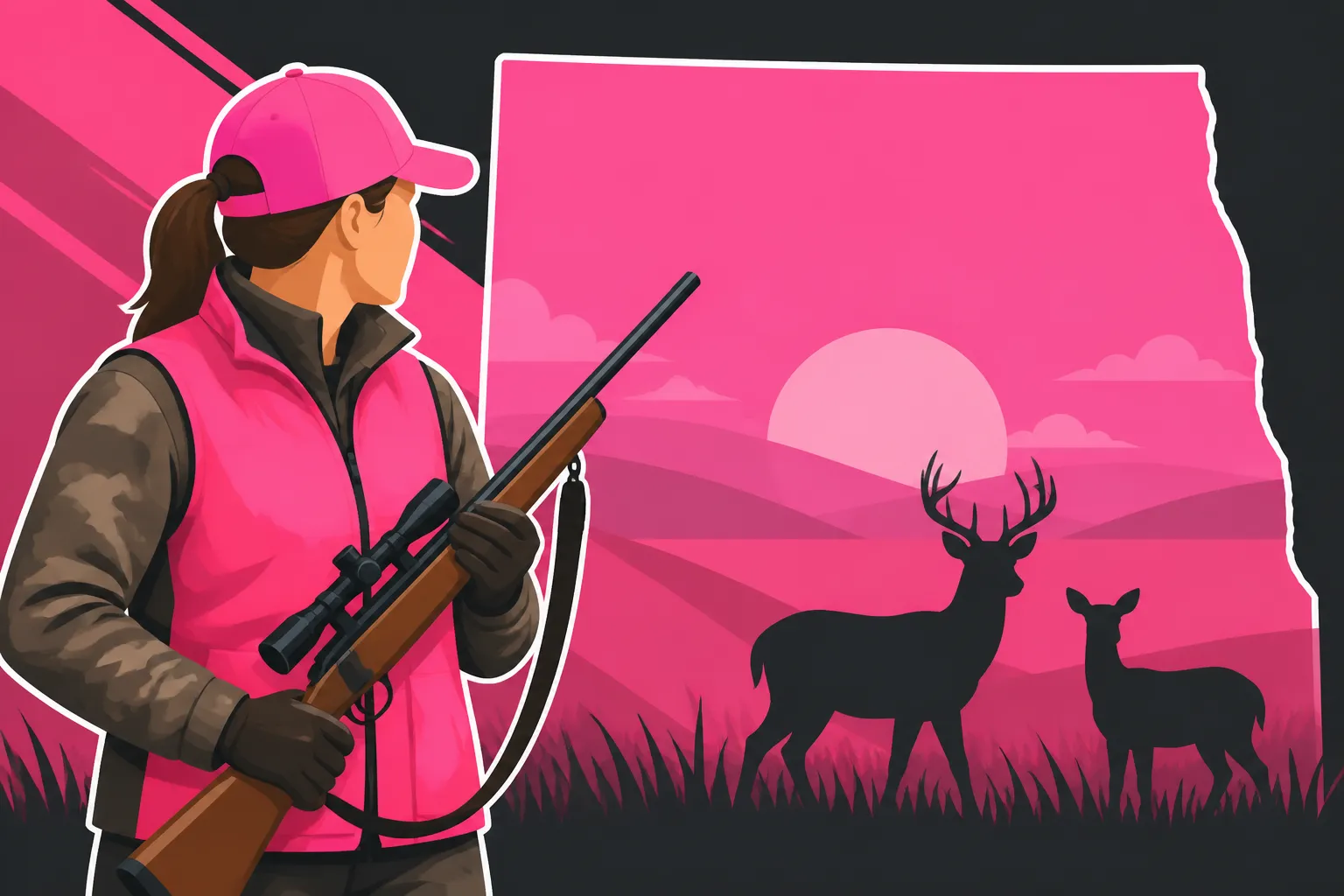
One of the most persistent myths surrounding blaze pink is that it's exclusively for women. This idea often stems from societal gender norms and the marketing of pink products, but it simply isn't true in the context of hunting safety. North Dakota law, like the laws in other states that permit it, clearly states that any hunter can wear blaze pink as a legal alternative to blaze orange. It's not gender-specific; it's a color that meets specific scientific visibility standards.
The truth is, many men are embracing blaze pink, whether for its unique look, its proven visibility, or simply because they like the color. The color of your safety gear has no bearing on your hunting skill, your toughness, or your dedication to the sport. What matters is that you're visible and safe. Dismissing blaze pink as "just for women" not only limits choice but also perpetuates outdated stereotypes that have no place in a welcoming and inclusive hunting community. Everyone who steps into the field, regardless of gender, deserves to feel safe and represented.
Common Misunderstandings About Visibility
Another common misconception revolves around the effectiveness of blaze pink compared to orange. Some hunters, unfamiliar with the science, might mistakenly believe that orange is inherently superior or that pink is somehow less noticeable in the field. This misunderstanding often comes from a lack of exposure to the actual research or simply from a long-held bias towards the traditional blaze orange.
As discussed earlier, studies have shown that blaze pink is scientifically just as effective, and in some situations, even more so, at catching the human eye. The key is its fluorescent quality and how it contrasts with various natural backgrounds. Whether you are hunting North Dakota's Prairie Pothole Region or the rugged terrain of the North Dakota Badlands, both colors perform admirably. The only real "difference" is in our learned perception and personal preference. It's crucial for hunters to rely on factual information and scientific findings when it comes to safety gear, rather than unsubstantiated opinions. Staying informed, perhaps by checking resources like the North Dakota Game and Fish Department website or credible hunting forums, ensures that all hunters make the safest choices for themselves and for others in the field. Remember, the goal of these regulations is maximum human visibility, and both blaze orange and blaze pink achieve that goal effectively.
| Feature | Blaze Orange | Blaze Pink | Legal Status in North Dakota | Primary Benefit |
|---|---|---|---|---|
| Visibility (Human) | Excellent, strong contrast against natural greens/browns | Excellent, strong contrast across various backgrounds, including some grays/snow | Legal Alternative | High contrast, immediate human recognition |
| Visibility (Deer) | Appears dull or grayish | Appears dull or grayish | N/A | Indistinguishable from orange to deer |
| Cultural Perception | Traditional, widely accepted | Newer, gaining acceptance, sometimes gender-associated | Evolving | Offers choice, inclusivity for diverse hunters |
| Material Availability | Widespread in all gear types | Growing, increasingly available in various garments | Expanding | More options for personal style/comfort |
| Typical Requirement | 400 square inches on chest, back, and head | 400 square inches on chest, back, and head | Same as Blaze Orange | Clear, unambiguous safety signaling |
Navigating North Dakota's Regulations with Confidence
Understanding hunting regulations can sometimes feel like a full-time job, especially with rules that evolve. But when it comes to something as vital as hunter safety, knowing the specifics about blaze orange and blaze pink is non-negotiable. North Dakota has made it clear: both are viable, legal options for keeping you safe in the field.
First and foremost, always carry your proof of license and hunter education. Even if you're a seasoned veteran, it’s worth reviewing the North Dakota Hunter Education Requirements periodically, as rules can occasionally update. For non-residents, understanding things like How Many Days Nonresidents Wait for Public Land Bow Access is critical, as is ensuring you're squared away with your North Dakota Nonresident License Options. Knowing the nuances of seasons, like the specific dates for North Dakota Gun Season Opening Day, helps you prepare adequately, including having the correct safety colors.
Staying Updated on Rules and Seasons
The hunting landscape in North Dakota, while often consistent, can have annual tweaks to season dates, bag limits, or specific unit regulations. Relying on outdated information is a sure-fire way to run into trouble. The best way to stay informed is directly through the source: the North Dakota Game and Fish Department (NDGFD). Their website is a treasure trove of information, offering digital versions of current proclamations and easy access to their licensing portal.
Furthermore, the NDGFD app is an invaluable tool for any hunter. It often includes interactive maps, direct links to regulations, and even allows for reporting harvests on the go. Additionally, platforms like GoHunt provide excellent summaries and tools for hunters to research specific units, seasons, and licensing requirements, helping you cross-reference information and plan your hunts effectively. Before every season, and especially before heading out for a new hunt, take the time to review the current year's rules. This proactive approach ensures you're always compliant and helps you avoid any unnecessary fines or, more importantly, safety mishaps.
Ensuring Your Gear Meets Legal Standards
It's one thing to know the rules; it's another to ensure your actual gear meets them. When buying blaze orange or blaze pink apparel, don't just grab the first thing you see. Look for products specifically labeled "hunter orange," "blaze orange," "safety orange," or "blaze pink" to ensure they meet the intensity and shade requirements. Measure your garments if you're unsure about the square inch requirement. A small, faded hat might not cut it, so opt for clear, bright colors on your head and torso.
Remember that layering can sometimes obscure required portions of your safety color. If you're wearing a camouflage outer layer, make sure enough blaze orange or pink is still visible from all angles. Some specialized hunting clothing integrates blaze panels that can be deployed when needed, offering versatility for different seasons or situations. Ultimately, the responsibility for compliance rests with you. By being diligent in your gear choices and regularly checking the regulations, you can confidently head into the North Dakota wilderness, knowing you've done your part to ensure a safe and successful hunting experience for everyone.
Disclaimer
Please remember that hunting regulations can change. While this guide provides comprehensive information, it is always your responsibility to consult the most current North Dakota Game and Fish Department regulations and proclamations before engaging in any hunting activity. This content is for informational purposes only and does not constitute legal advice.