North Dakota Deer Herd Size
Understanding the health of North Dakota's deer herd is a constant concern for hunters across the state. We all want to know what the upcoming season might hold, how tough it will be to draw a tag, and where the best hunting opportunities might lie. This guide will take a deep dive into how North Dakota's deer population is managed and estimated, helping you understand the factors that truly shape these crucial numbers.
Understanding North Dakota's Deer Herd Dynamics
When we talk about the "deer herd size" in North Dakota, it's not a single, static number but rather a dynamic, fluctuating figure influenced by countless environmental and human factors. For hunters, knowing these trends isn't just academic; it directly impacts our hunting prospects, from tag availability to the quality of the hunting experience. The state is vast and varied, meaning that deer numbers can look drastically different from one region to the next, even within a single hunting unit.
Why the Numbers Fluctuate So Much
Deer populations are incredibly sensitive to their surroundings. One year, we might be celebrating booming numbers, and the next, a harsh winter can wipe out a significant portion of the herd, especially fawns and older animals. These fluctuations are natural, but they can be frustrating for hunters who plan their seasons months or even years in advance. It's a constant dance between nature's whims and the best efforts of wildlife management.
Think about the prairie potholes region versus the rugged Badlands. The deer in these areas face different challenges. A mild winter in one part of the state might still be brutal in another, leading to localized impacts. Habitat changes, like shifts in agricultural practices or the loss of winter cover, also play a huge role. It’s a complex puzzle, and understanding the pieces helps us appreciate the challenge wildlife managers face.
The Impact on Hunting Opportunities and Tag Allocation
The size and health of the deer herd directly dictates how many licenses the North Dakota Game and Fish Department can responsibly issue each year. When numbers are strong, more tags are available, often including more "any-deer" or even multiple antlerless tags. When populations dip, especially after severe winters or disease outbreaks, tag allocations tighten up, making it harder to draw certain permits and often limiting hunters to antlerless-only opportunities.
This is where the frustration really hits home for many of us. Waiting for the North Dakota Deer Gun Lottery Application Process results or seeing the annual license quotas can be a nail-biting experience. It’s why staying informed about the health of the herd, not just statewide but in your preferred hunting units, is so vital. A healthy herd generally means better hunting success, more opportunities, and less competition for prime spots.
How North Dakota Counts and Estimates Deer Populations
You might wonder how wildlife biologists arrive at these "deer herd size" estimates. It's not like they're out there counting every single deer! Instead, they use a combination of scientific methods and hunter-reported data to get the most accurate picture possible. This data collection is ongoing and crucial for making informed management decisions that impact all of us.
The Science Behind Aerial Surveys
One of the primary tools North Dakota uses to estimate deer populations, particularly for mule deer in the Badlands and whitetails in specific river bottoms, is aerial surveys. These surveys typically take place in late fall or early winter, after the leaves have fallen but before heavy snows make travel too difficult, or sometimes later in winter when snow cover makes deer more visible. Biologists fly fixed-wing aircraft over specific survey routes, counting deer they observe.
There are challenges, of course. Visibility can vary greatly depending on weather conditions, light, and terrain. Dense timber or heavy brush can obscure deer, leading to undercounts. However, by flying the same routes year after year and applying statistical models, the department can track population trends and get reliable estimates. This is how they determine things like North Dakota Deer Population Estimate and assess localized densities.
The Role of Hunter Harvest Reports
Another critical piece of the puzzle comes from us, the hunters! North Dakota requires hunters to report their deer harvest, and this data is incredibly valuable. Every reported deer, whether taken with a bow or gun, provides information on harvest success rates, geographic distribution of harvests, and buck-to-doe ratios. This information helps biologists understand the age structure of the herd, how many animals are being removed, and how different hunting units are performing.
Forgetting to report your deer isn't just a missed regulation; it's a lost data point that could help improve future management decisions. If you've ever used the state's online portal or app, you know how straightforward it is. This is also where platforms like GoHunt can come in handy, allowing you to cross-reference official harvest data with your own scouting notes and historical information, giving you a more complete picture of a unit's potential.
Other Important Data Points
Beyond aerial counts and harvest reports, wildlife managers gather data from a variety of other sources. Roadkill surveys help monitor deer densities in areas with high vehicle traffic. Landowner observations, though anecdotal, can provide localized insights into deer presence and movement patterns. Additionally, specific research projects, sometimes involving collared deer, offer in-depth information on survival rates, migration routes, and habitat use.
All of this data is compiled, analyzed, and used to create models that estimate the current deer herd size and project future trends. It’s a continuous effort to provide the most accurate possible picture of North Dakota's valuable deer resource, ensuring that hunting seasons are set sustainably for both the deer and the hunters.
Key Factors Influencing North Dakota Deer Herd Size
North Dakota's climate and landscape are beautiful but can be incredibly tough on wildlife. Several major factors directly impact the size and health of our deer herds, often causing dramatic swings in populations from one year to the next.
Winter Severity: The Ultimate Test
If there's one factor that dictates the fate of North Dakota's deer herd more than any other, it's winter severity. A mild winter, with less snow and moderate temperatures, often leads to high fawn survival and excellent overwintering rates for adults. This sets the stage for a strong population the following year. However, a harsh prairie winter with prolonged deep snow, extreme cold, and ice events can be devastating.
Deep snow makes it incredibly difficult for deer to move, find food, and escape predators. Energy reserves are quickly depleted, especially in fawns, older deer, and those already stressed. We've seen years where a brutal winter has significantly reduced herd numbers, leading to tighter tag allocations and a noticeable impact on hunting success. Learning about Hunting After a Hard Prairie Winter can help you understand how deer survive these conditions, or unfortunately, sometimes don't.
Habitat Quality and Availability
Deer need food, water, and cover to thrive. The quality and availability of habitat are fundamental to supporting a healthy deer herd. North Dakota's landscape is constantly changing due to agricultural practices, urban expansion, and conservation efforts like the Conservation Reserve Program (CRP).
- Food Sources: Standing corn, sunflowers, alfalfa, and native forbs provide crucial nutrition. Changes in crop rotation or the timing of harvests can impact food availability, especially in late season.
- Cover: Shelterbelts, river bottom timber, heavy brush, and even tall grass provide refuge from harsh weather and predators. Loss of these critical cover areas can expose deer to increased stress and mortality.
- Water: While often abundant, extreme drought years can also stress deer populations.
The health of areas like North Dakota's Prairie Pothole Region Explained or the woody draws of the Badlands directly correlates with the ability of those areas to support deer. When habitat is fragmented or degraded, deer struggle to find the resources they need to survive and reproduce.
Disease and Predation
Disease outbreaks can significantly impact deer populations. Chronic Wasting Disease (CWD) is a persistent concern, and its management is a top priority for the Game and Fish Department, especially in North Dakota's Expanding CWD Hunting Units. While CWD's impact on overall herd numbers can be slower and more localized, diseases like Epizootic Hemorrhagic Disease (EHD) can cause rapid, widespread die-offs during specific years, particularly in late summer and early fall.
Predation, primarily from coyotes, can also play a role, especially in times of stress. While coyotes are a natural part of the ecosystem, their impact can be more pronounced on fawns during tough years or in areas with declining habitat. Understanding North Dakota Predator Impact on Fawn Recruitment is important, though healthy adult deer are usually quite adept at avoiding predators.
Hunting Pressure and Regulations
Finally, and perhaps most directly, the regulations set by the North Dakota Game and Fish Department influence deer herd size. Through controlled harvest, wildlife managers aim to balance the population with available habitat and minimize conflicts with humans. The number of tags issued, the antlerless-to-antlered ratios, and season lengths are all adjusted based on population data and management goals.
This is why your harvest report and your application for tags are so important. These tools allow the department to manage the herd sustainably, ensuring that future generations have the opportunity to hunt. Overharvest in one area could severely depress numbers, while underharvest could lead to overpopulation, habitat degradation, and increased disease transmission. It's a delicate balance.
Interpreting Deer Herd Data for Your Hunt
As hunters, we often get caught up in the statewide "big picture" numbers, but the real insights for your specific hunt come from drilling down into localized data. Knowing how to interpret these reports can give you a significant advantage in planning your season.
Beyond the "Total Number": Focus on Your Unit
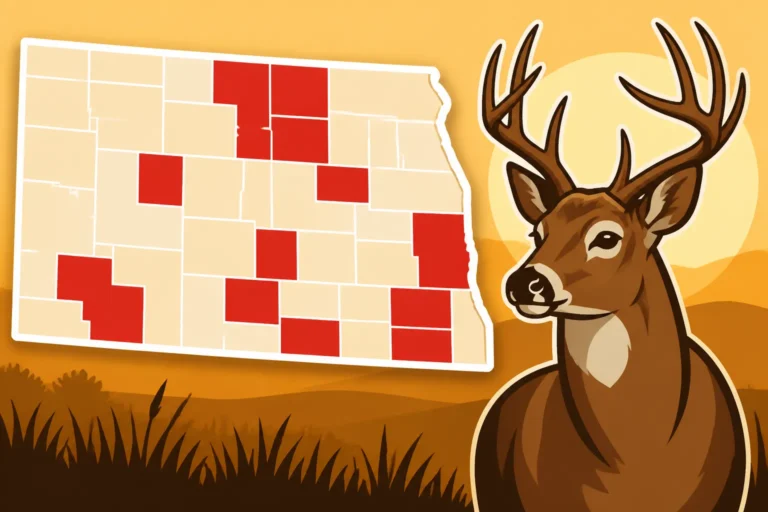
A statewide deer herd estimate is a good general indicator, but it doesn't tell you much about the deer population in the particular hunting unit you're eyeing. North Dakota is a big state, and deer numbers can vary wildly from county to county, or even within different parts of the same unit.
For instance, one unit might have a robust whitetail population in its eastern reaches due to ample river bottom cover and agricultural fields, while its western side, with less desirable habitat, might see much lower densities. Always look for unit-specific data if you can find it. This localized information, often presented as density estimates or harvest success rates per unit, is far more valuable than a generalized statewide figure.
Using Resources for Current Data
The North Dakota Game and Fish Department is your absolute best source for current, official deer herd data. They release annual harvest statistics, population estimates, and season outlooks before applications open and seasons begin. This information is usually broken down by hunting unit, offering specific insights into buck-to-doe ratios, fawn recruitment, and overall population trends in various areas.
Don't just skim the headlines; dig into the detailed reports. Many hunters also leverage digital mapping tools and hunting platforms like GoHunt. While these platforms don't generate the official data, they often aggregate and display it in a user-friendly format, allowing you to overlay population data with land ownership maps, satellite imagery, and even historical weather patterns. This can help you make more informed decisions about where to apply for tags and where to concentrate your scouting efforts.
How to Adapt Your Hunting Strategy
Understanding the current herd dynamics in your chosen unit can profoundly influence your hunting strategy.
| Factor/Condition | Implications for Deer Numbers | Potential Hunting Strategy Adjustments |
|---|---|---|
| Severe Winter | Lower fawn survival, increased adult mortality, reduced overall numbers. | Focus on primary wintering areas, look for older deer that survived, expect lower densities. Prioritize food sources. |
| Abundant Habitat | Higher carrying capacity, better fawn recruitment, larger herd. | Deer may be more dispersed. Scouting thoroughly for fresh sign is crucial. May find deer in less obvious spots. |
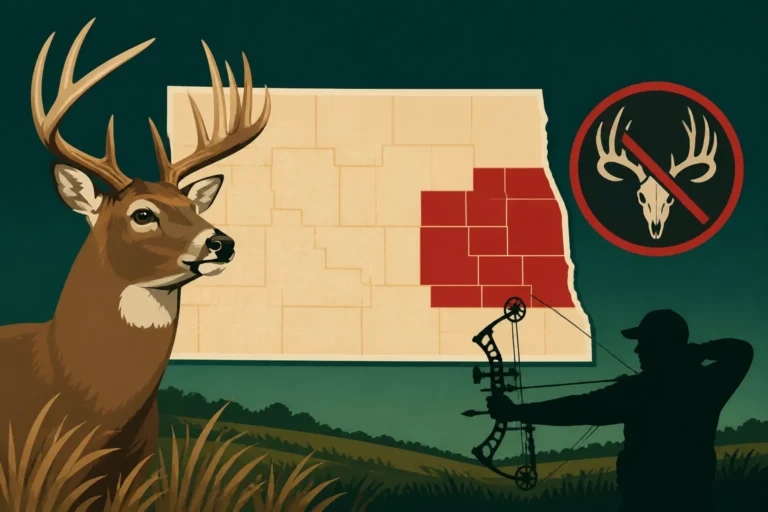
| CWD Zone | Potential localized population impacts, mandatory testing. | Be aware of Mandatory Testing Inside a CWD Hunting Unit. Follow recommendations for processing and transport. |
| Low Tag Allocation | Indicative of lower deer numbers or management for growth. | If you draw, expect fewer deer and more competition. Focus on prime cover and historical deer corridors. |
| High Tag Allocation | Suggests healthy or abundant deer numbers. | More opportunities, but still need to scout. Can explore new areas within the unit with confidence. |
If unit reports suggest lower deer numbers, you might need to adjust your expectations and put in more effort. This could mean more extensive scouting, focusing on prime cover like Hunting Missouri River Bluff Country or heavy timber pockets, or extending your time in the field. Conversely, if numbers are strong, you might find deer more widespread, giving you a chance to explore new public land areas or private land with permission.
Knowing when The North Dakota Rut Peaks in relation to gun season can also factor into how you interpret herd reports, as deer activity during this time can make them appear more numerous than they are. Ultimately, deer herd size is a critical piece of the hunting puzzle, but it's one of many factors you'll consider when planning your next North Dakota adventure.
Disclaimer
This article is for general informational purposes only and does not constitute professional advice. Laws, prices and regulations vary by location and change over time. Consult a qualified professional for guidance on your specific situation.